
Teaching kids to be kind is one of the best things you can do as a parent or teacher. I've seen firsthand how small acts of kindness can change a child's world.
In this article, I'll share 33 kindness activities for kids that actually work in real life.
You'll find easy, fun ways to help your child build empathy, make friends, and grow into a caring person.
I've used these with kids myself, and they deliver real results. Trust me, you'll want to bookmark this one.
Why Kindness Activities Are Important for Kids
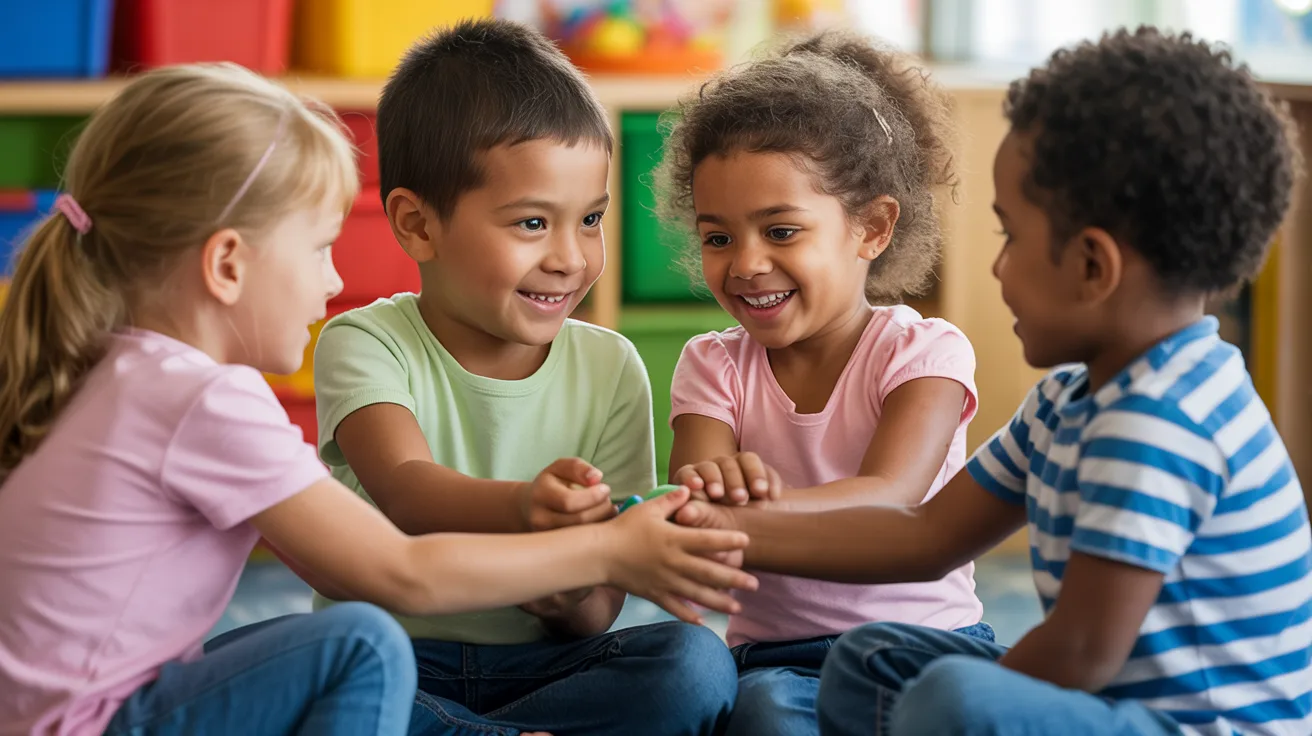
Kindness skills matter more than most parents realize. When kids practice kindness regularly, they start to understand how others feel, which builds emotional intelligence over time.
They learn to read emotions and respond with care, skills that help in friendships, school, and everyday life. Kind kids also get along better with others.
They share, cooperate, and solve problems without fighting. Good social habits formed early tend to stick for life.
Studies show that kids who grow up practicing kindness have better mental health and stronger relationships. Starting early gives children a real head start in becoming confident, caring individuals.
33 Kindness Activities for Kids to Try Today
A complete list of hands-on activities to help your child practice kindness every single day.
1. Teach the Difference Between Kind and Nice

Being nice means being polite. Being kind means caring about how someone actually feels. Help your child understand that real kindness takes thought.
Role-play situations where one is kind and one is just nice.
2. Practice the T.H.I.N.K. Method
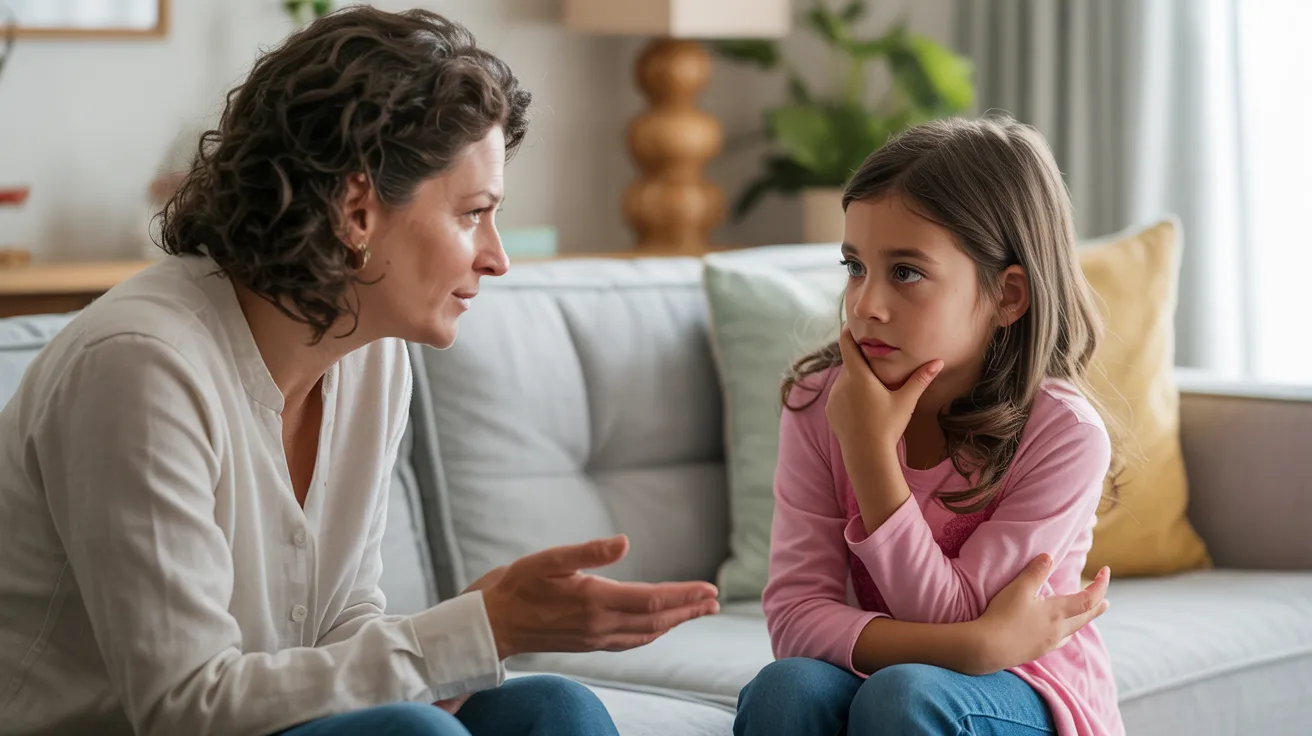
Before speaking, ask: Is it True, Helpful, Inspiring, Necessary, Kind? This simple tool stops hurtful words before they come out.
Teach kids to pause and check their words. It builds self-awareness fast.
3. Write a Letter of Appreciation
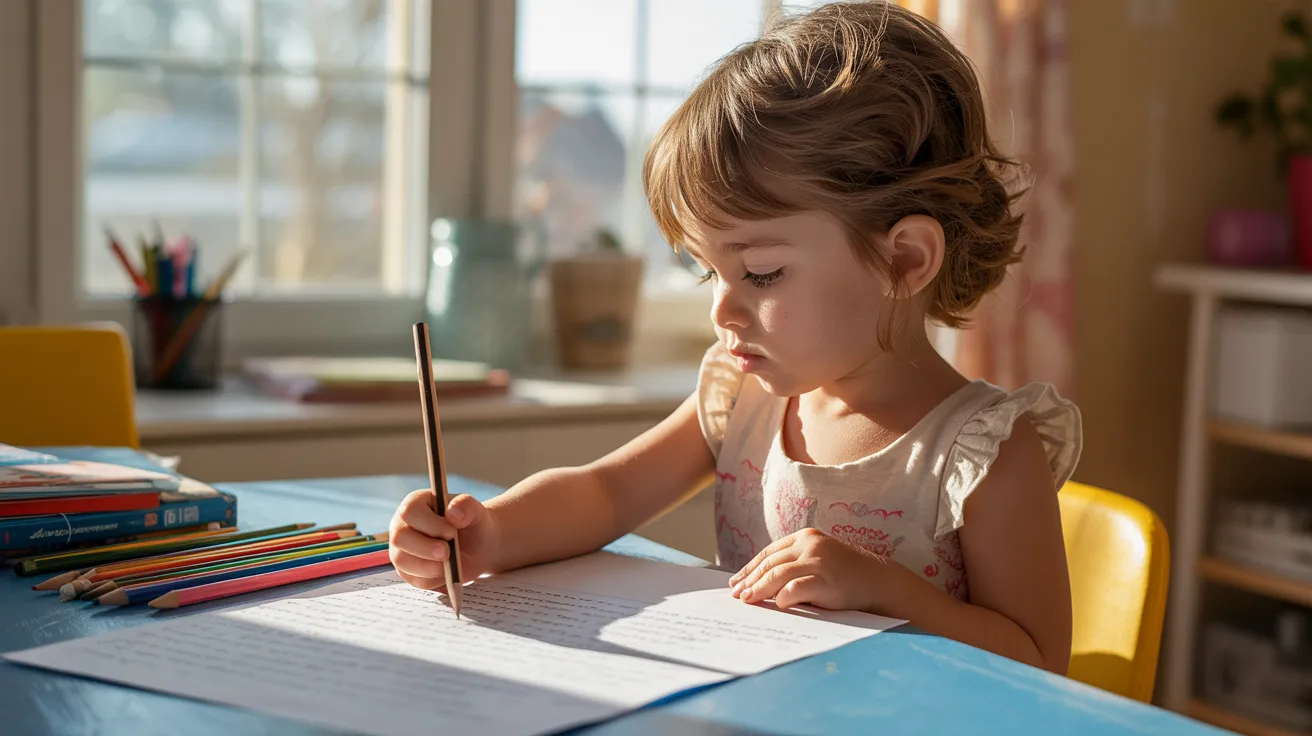
Have your child write a note to someone who helped them. It could be a teacher, neighbor, or friend. Putting gratitude into words makes it more powerful.
The person receiving it will likely treasure it.
4. Teach Empathy Through Real-Life Examples
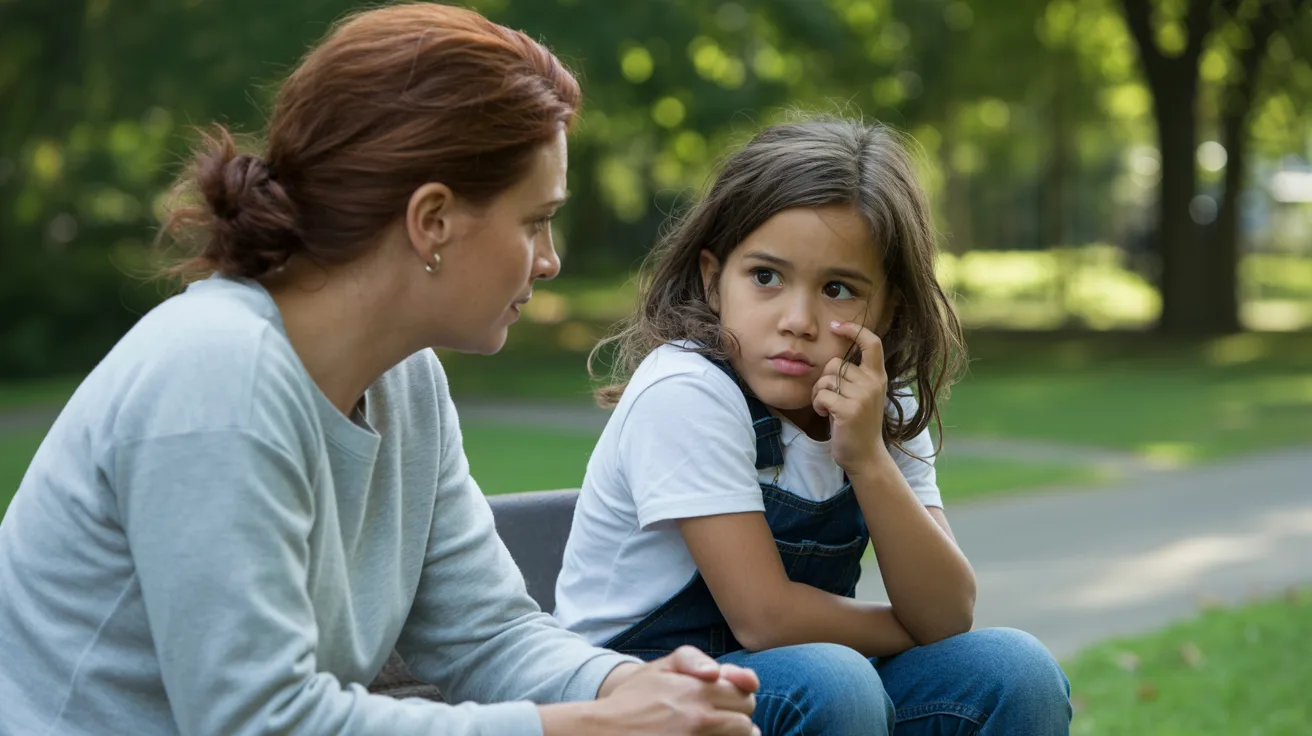
Point out moments in daily life where someone needed help. Ask your child how they think that person felt. Talking through real situations makes empathy practical.
It moves kindness from theory to action.
5. Volunteer for a Meaningful Cause
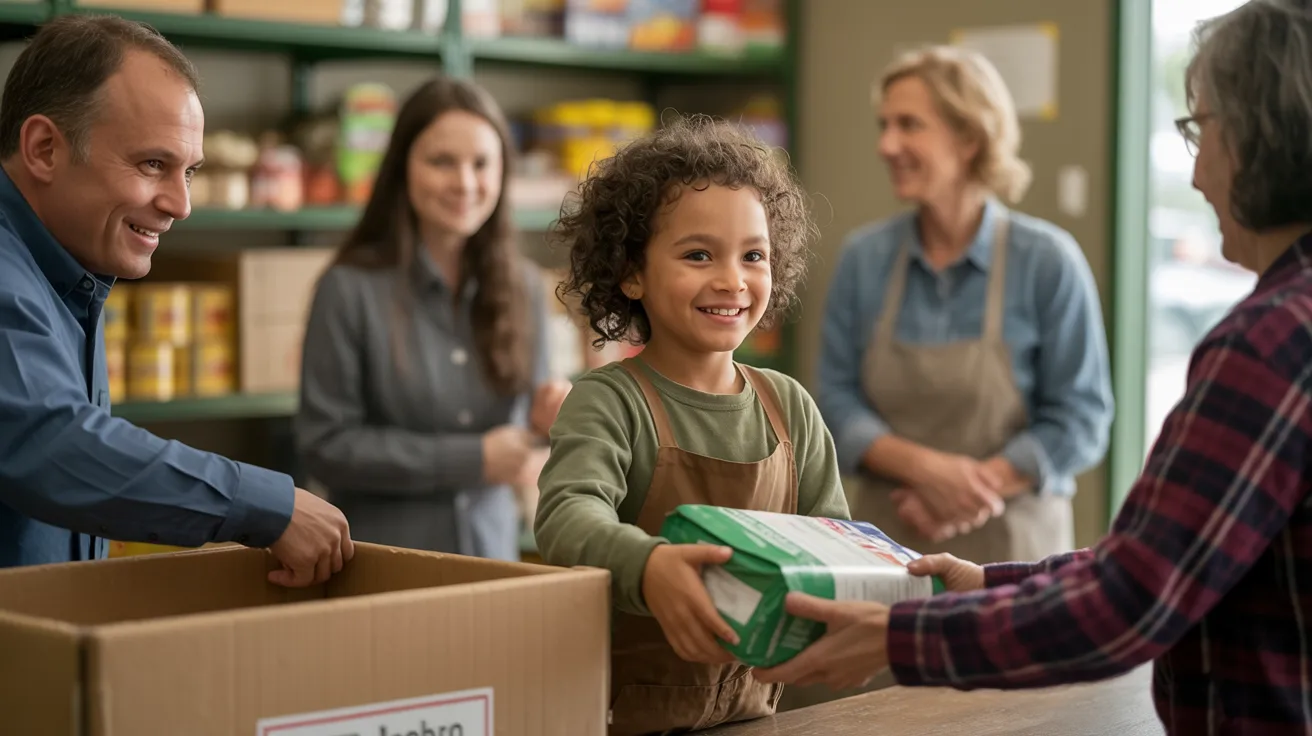
Find a local food bank, animal shelter, or cleanup event. Let your child pick a cause they care about. Volunteering shows that kindness can go beyond just words.
It teaches that one person really can make a difference.
6. Show Kindness to Service Workers

Teach kids to say thank you to cashiers, drivers, and cleaners. Explain that these jobs are hard and important. Simple acknowledgment goes a long way.
This builds respect for all kinds of work.
7. Help Another Child Learn Something New
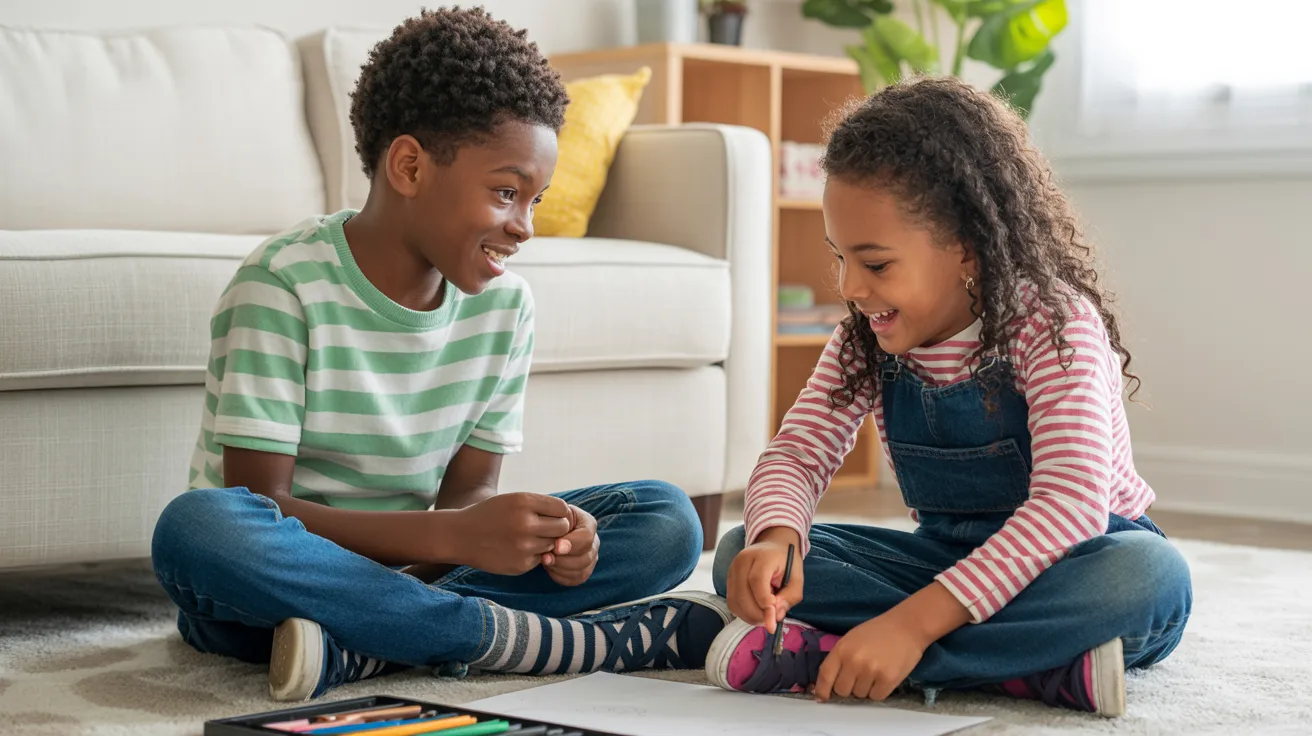
Encourage your child to teach a skill to a friend or sibling. It could be tying shoes, drawing, or a math trick.
Teaching someone else builds patience and confidence. It also creates a strong bond between kids.
8. Watch a Play or Musical About Kindness
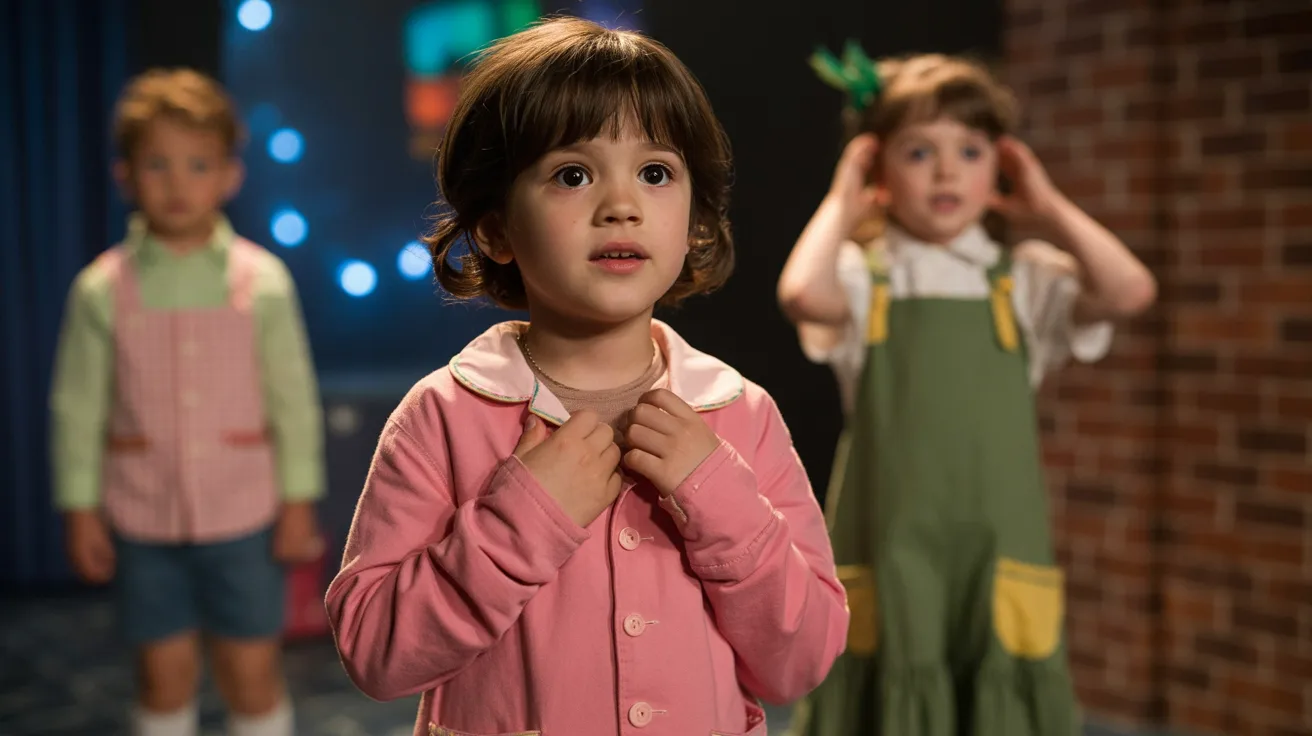
Look for local school plays or streaming musicals with kind themes. Stories shown on stage feel vivid and memorable.
Talk about the characters and their choices afterward. This makes lessons stick in a fun way.
9. Plant and Care for Something
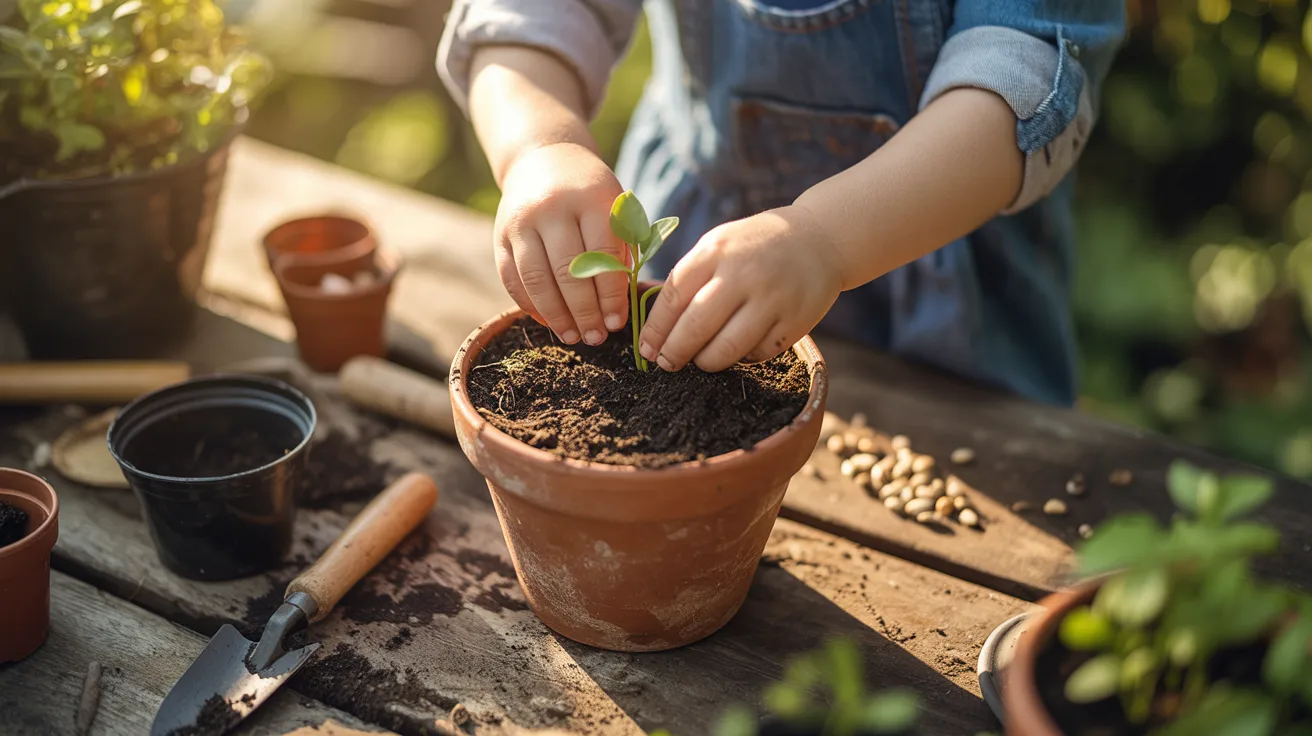
Give your child a small plant or seed to look after. Caring for something living builds gentleness and patience.
Watching it grow gives a sense of pride and responsibility. It's a quiet but powerful kindness lesson.
10. Create a Compliment Board
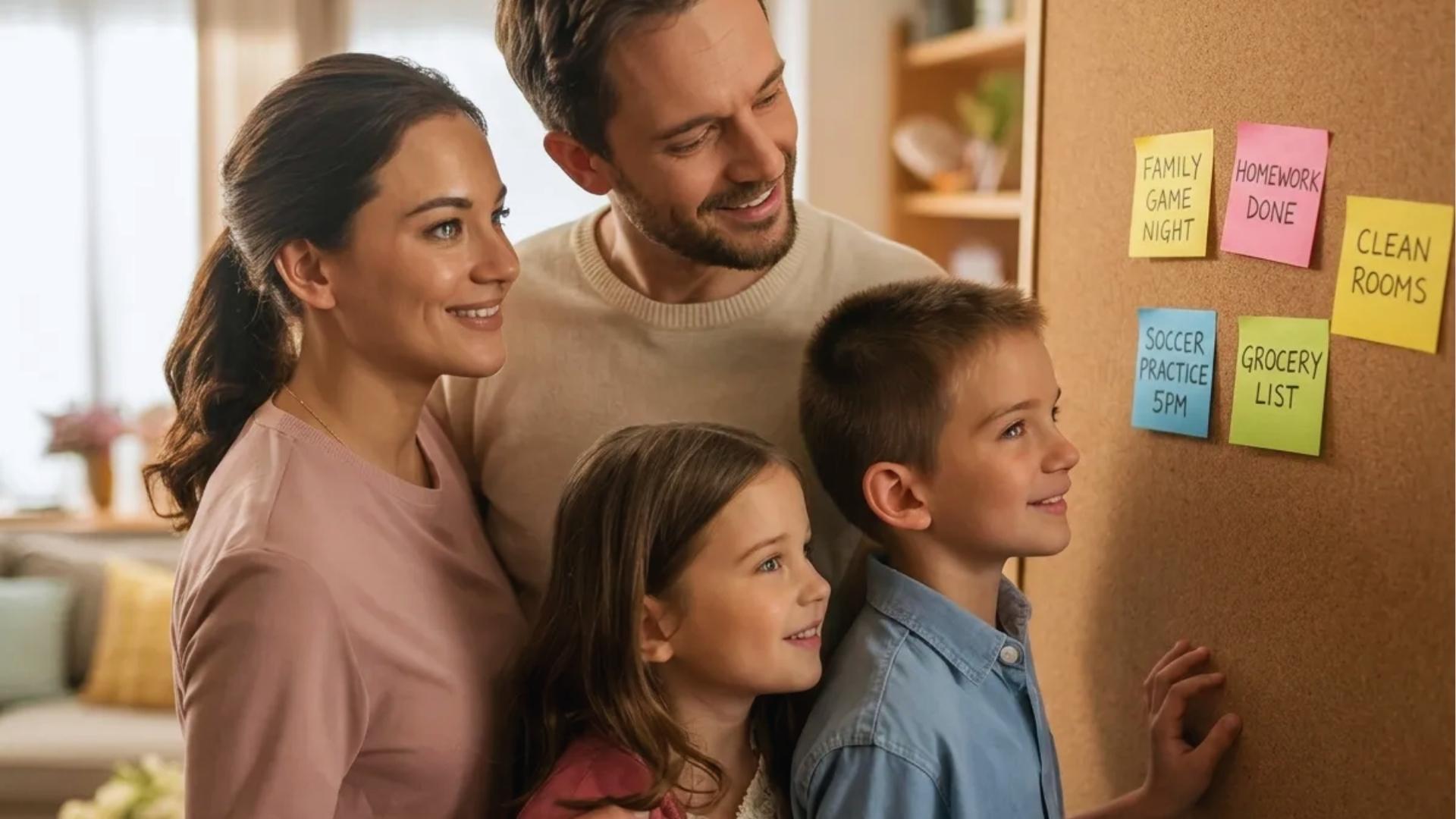
Set up a board at home where family members leave kind notes for each other. Read them together at dinner or bedtime.
It builds a habit of noticing good things in people. Kids love seeing their name on the board.
11. Paint and Share Kindness Rocks
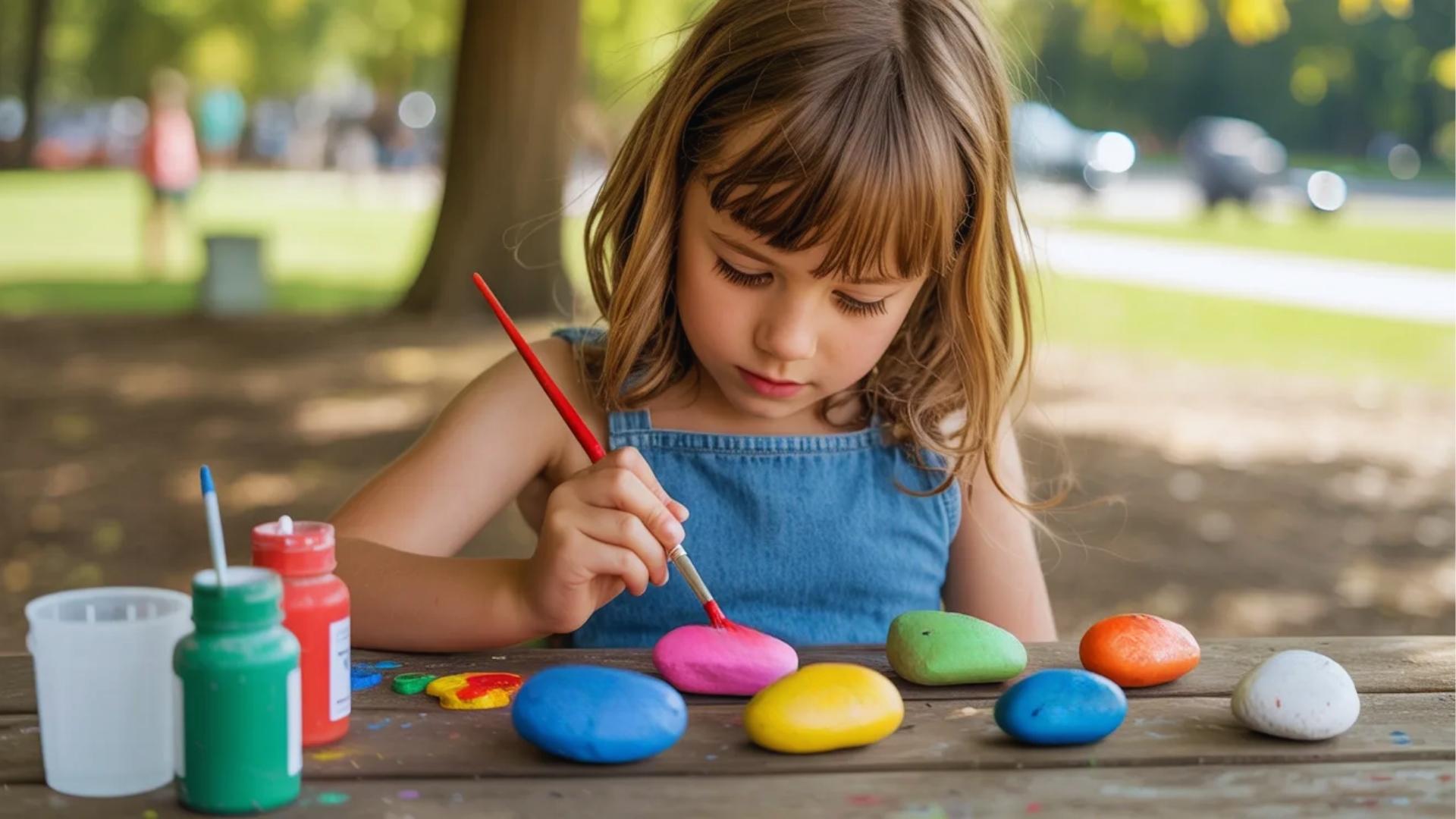
Let kids paint rocks with kind messages or bright designs. Leave them in parks or on doorsteps for strangers to find.
This activity is creative and spreads joy to unknown people. It shows kindness doesn't need a reason.
12. Play a Cooperative Game
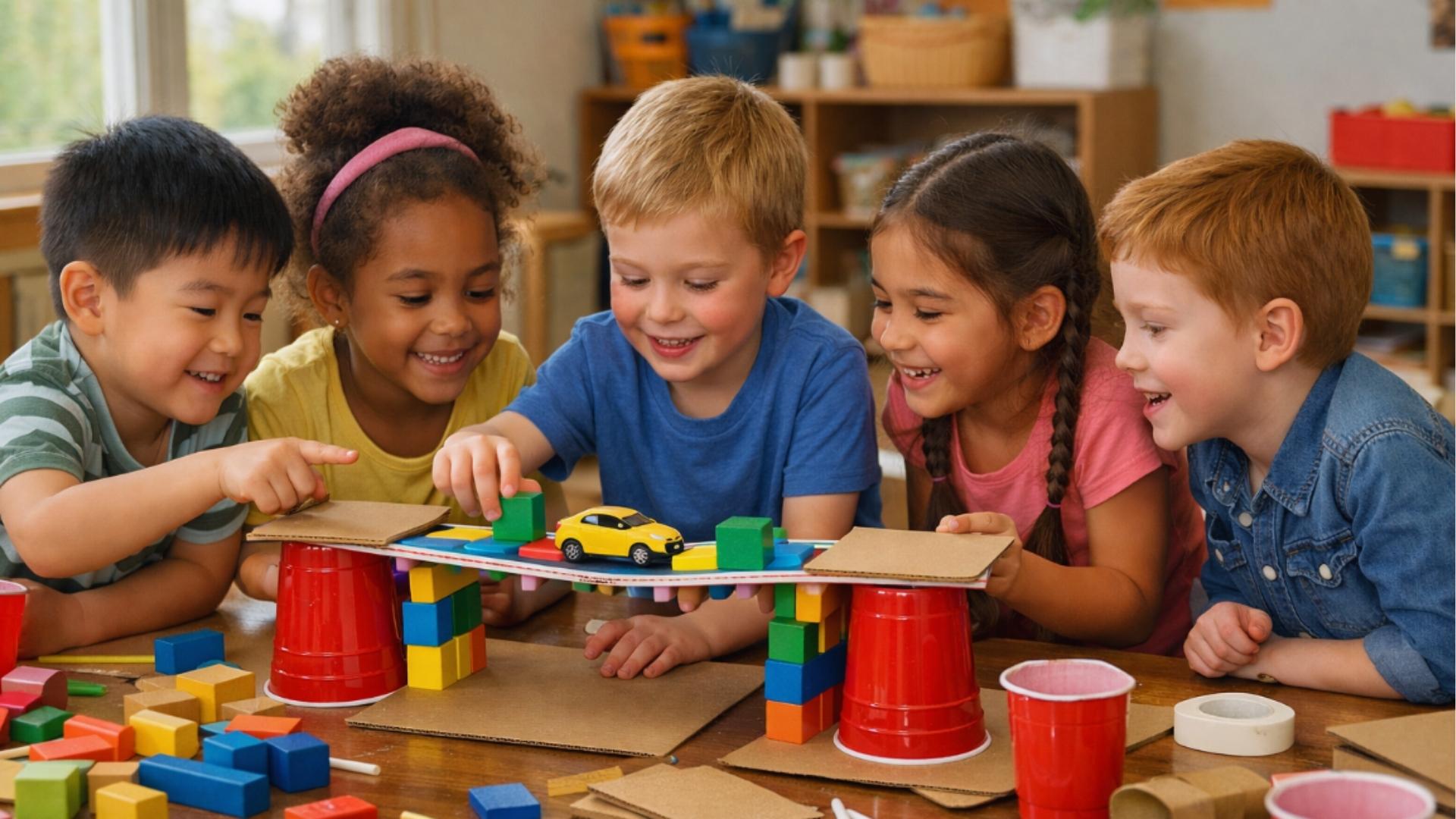
Choose board games where players work together to win. These games teach teamwork instead of competition. Kids learn that helping each other leads to better outcomes.
It's a natural and fun way to practice kindness.
13. Read Books Focused on Kindness
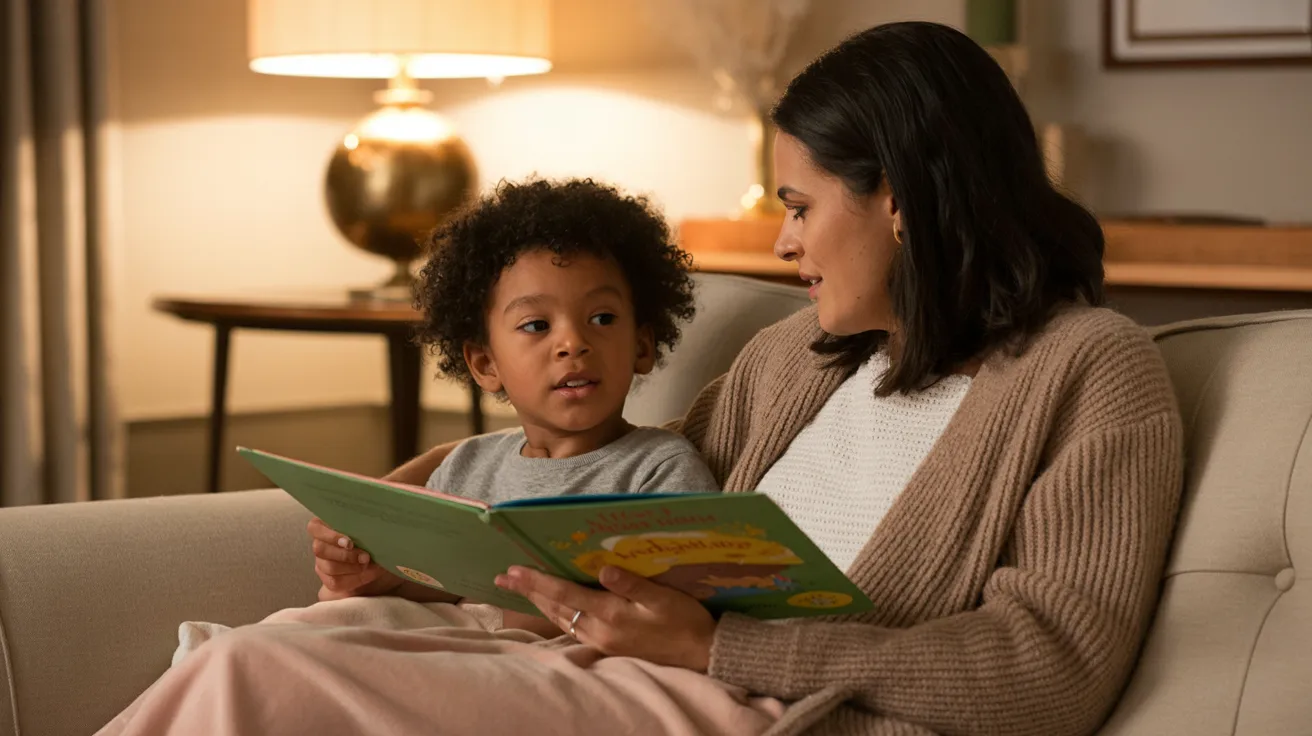
Pick stories where characters show empathy and help others. Read together and pause to discuss the character's choices. Books build emotional vocabulary in a gentle way.
Even a 10-minute read can spark a good conversation.
14. Talk Openly About Differences and Inclusion
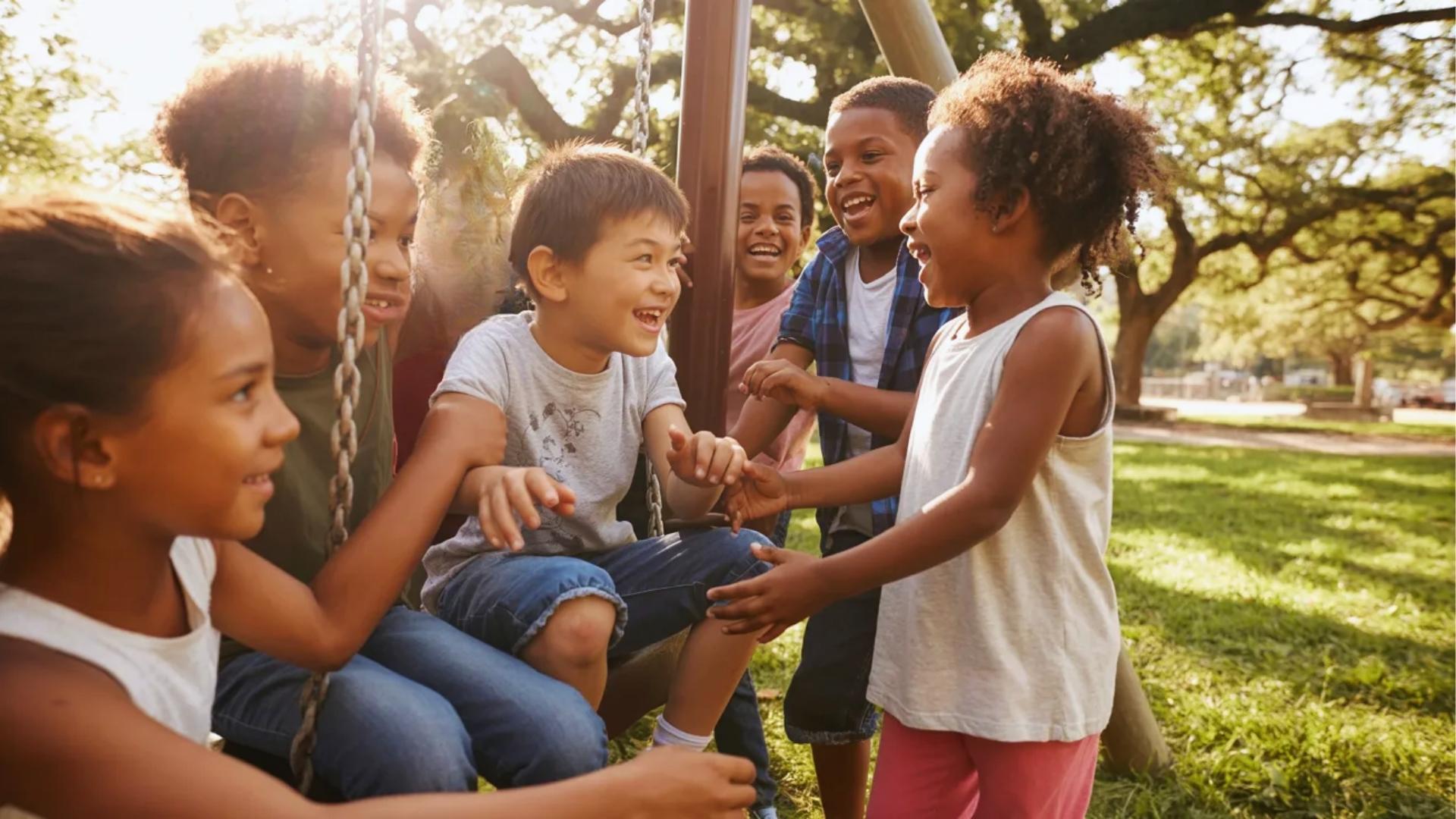
Help your child understand that people look, think, and live differently. Teach them that different doesn't mean wrong. Celebrate those differences in open, honest talks.
Kids who grow up with this mindset are kinder to everyone.
15. Discuss Examples of Misguided Kindness
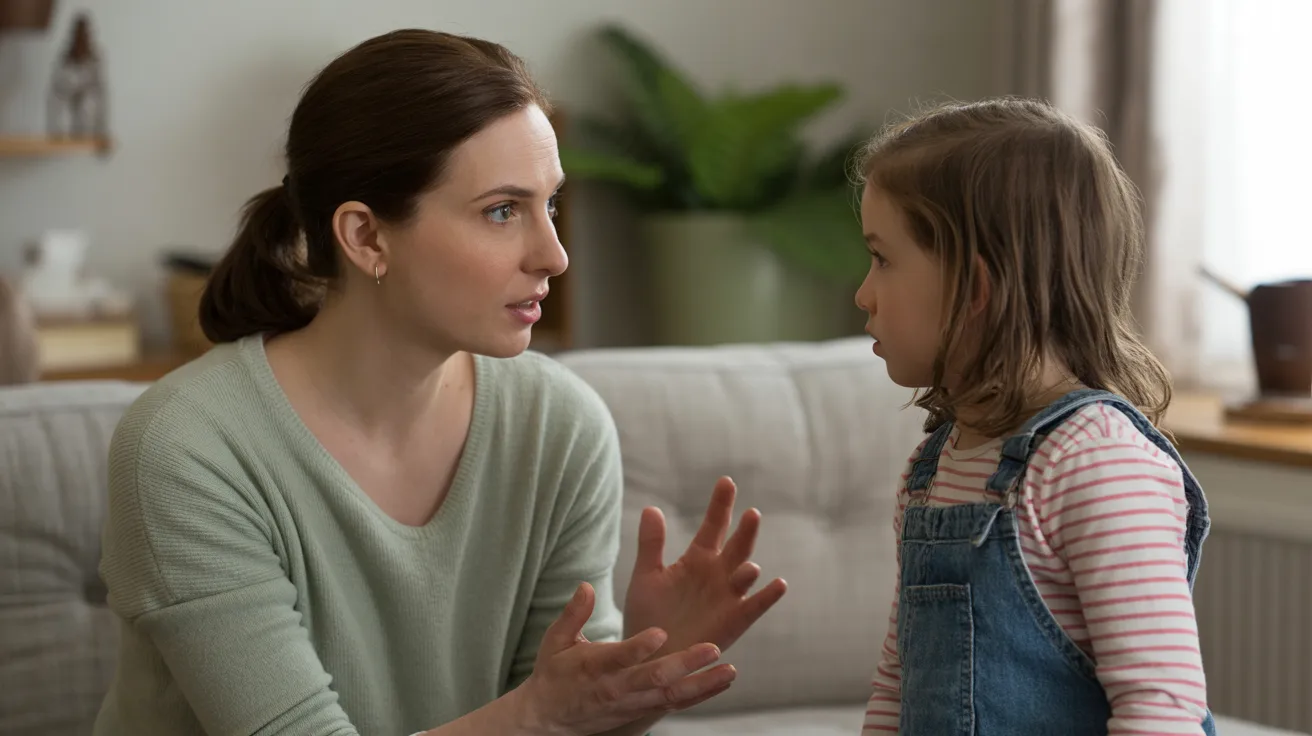
Sometimes people try to help but end up hurting instead. Talk about examples where good intentions went wrong. This teaches kids to think before acting.
Real kindness considers what the other person actually needs.
16. Learn the Science Behind Kindness
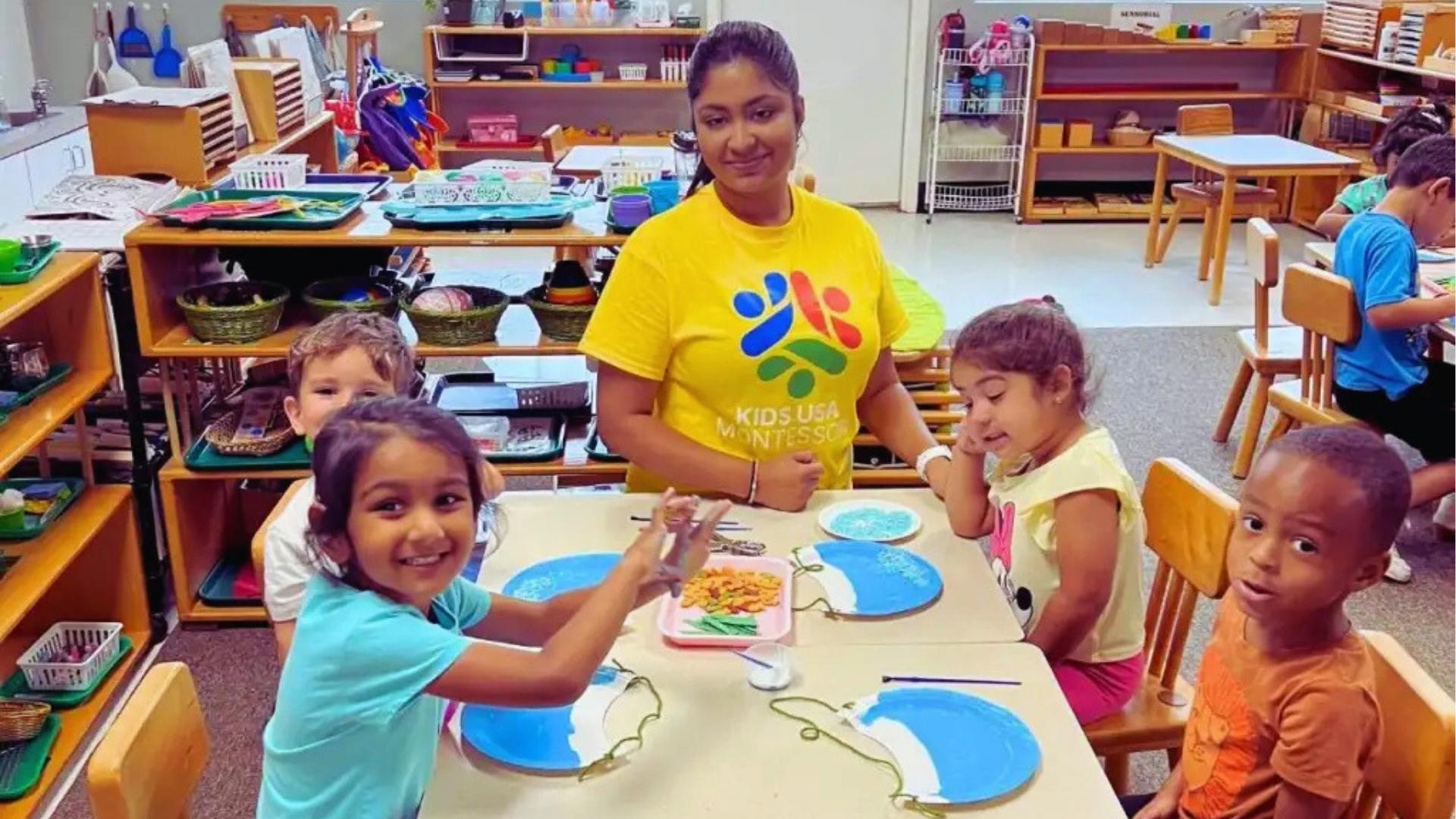
Sharing simple facts being kind releases feel-good chemicals in the brain. Helping others can actually make you happier.
Kids love learning that kindness has real science behind it. It gives them a reason to keep doing it.
17. Understand Bullying and How to Respond
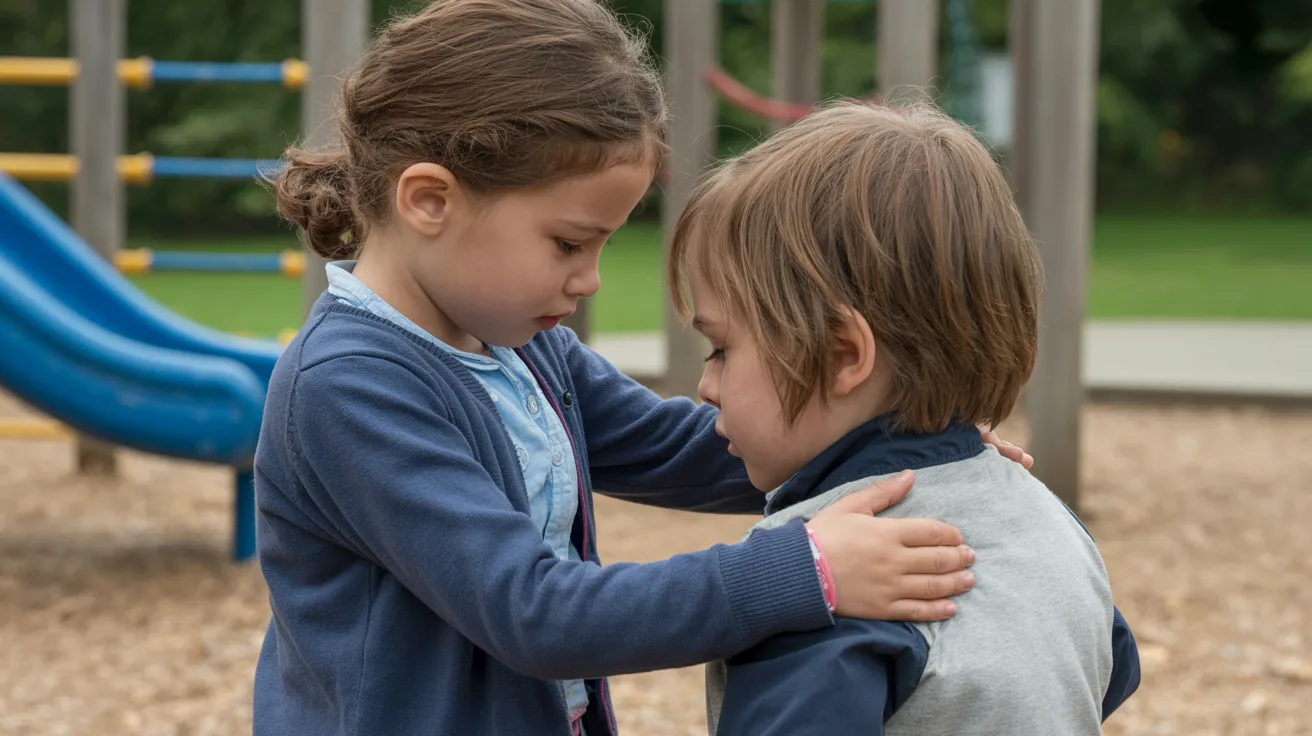
Explain what bullying looks like and why it happens. Teach kids how to stand up for themselves and others safely. Knowing what to do removes fear and builds courage.
Kindness includes protecting people who are being hurt.
18. Watch a Movie With Kindness Themes

Pick a film where the main character shows empathy or helps others. Watch it together and talk about what you saw. Movies make abstract ideas feel real and relatable.
A good film can open up powerful conversations.
19. Organize a Playdate or Group Activity
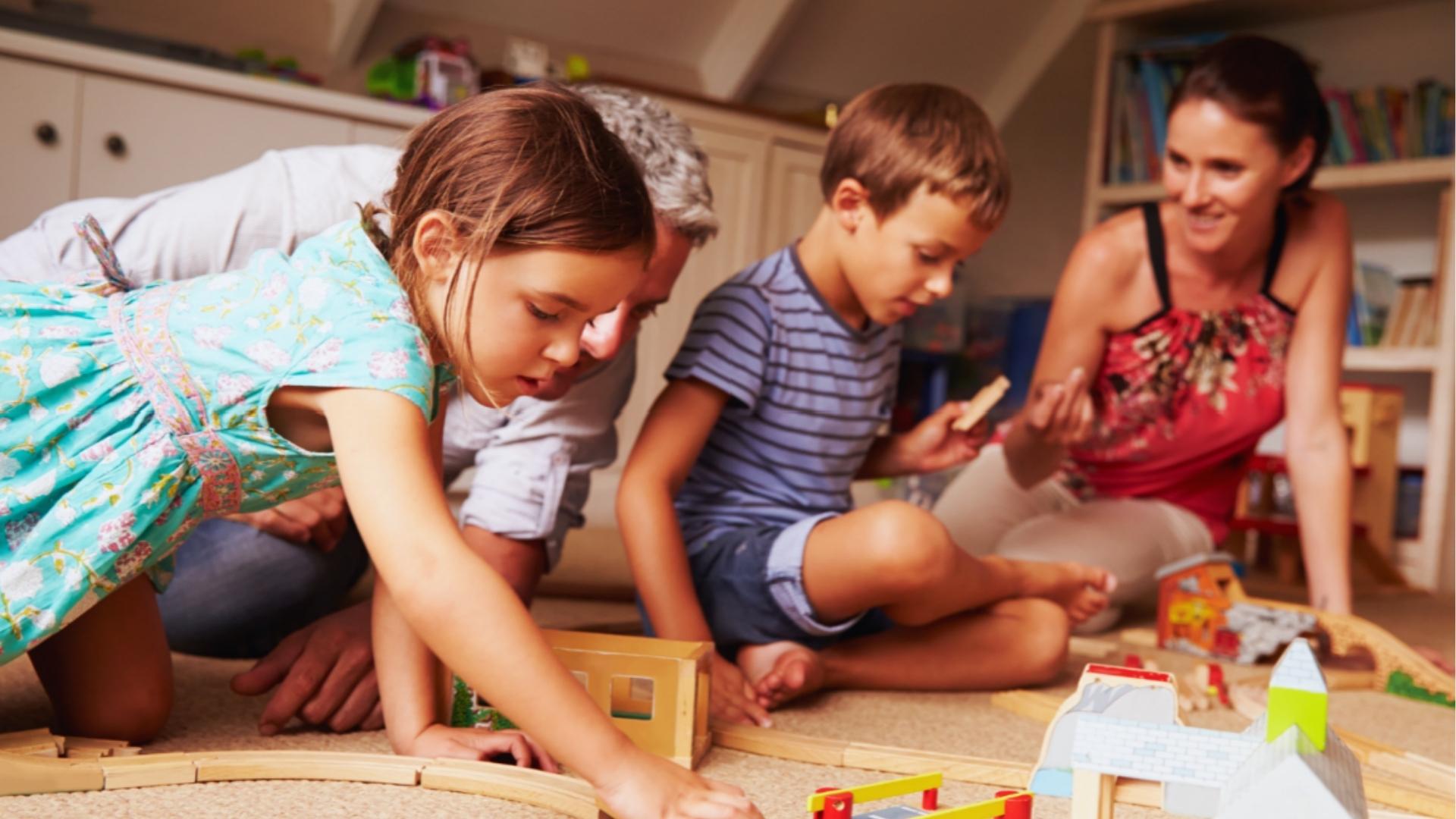
Help your child invite someone who often gets left out. Plan a simple activity everyone can enjoy. Being included feels powerful to a child who is usually alone.
Your child will feel good about making that happen.
20. Learn What You Can and Cannot Control
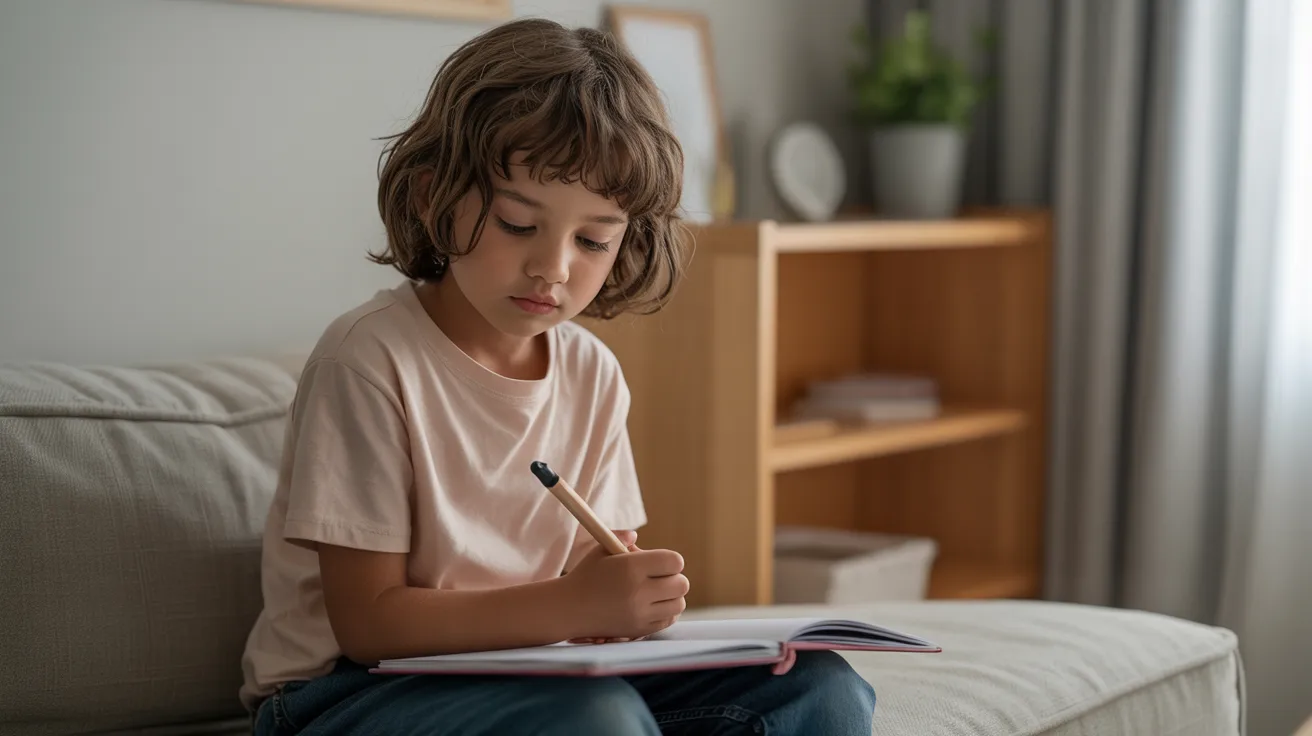
Teach kids to focus on their own actions, not others. When things go wrong, ask: what can you do about this? This reduces frustration and builds a calm, kind response.
It's a life skill that helps in every situation.
21. Play a Competitive Game With Good Sportsmanship
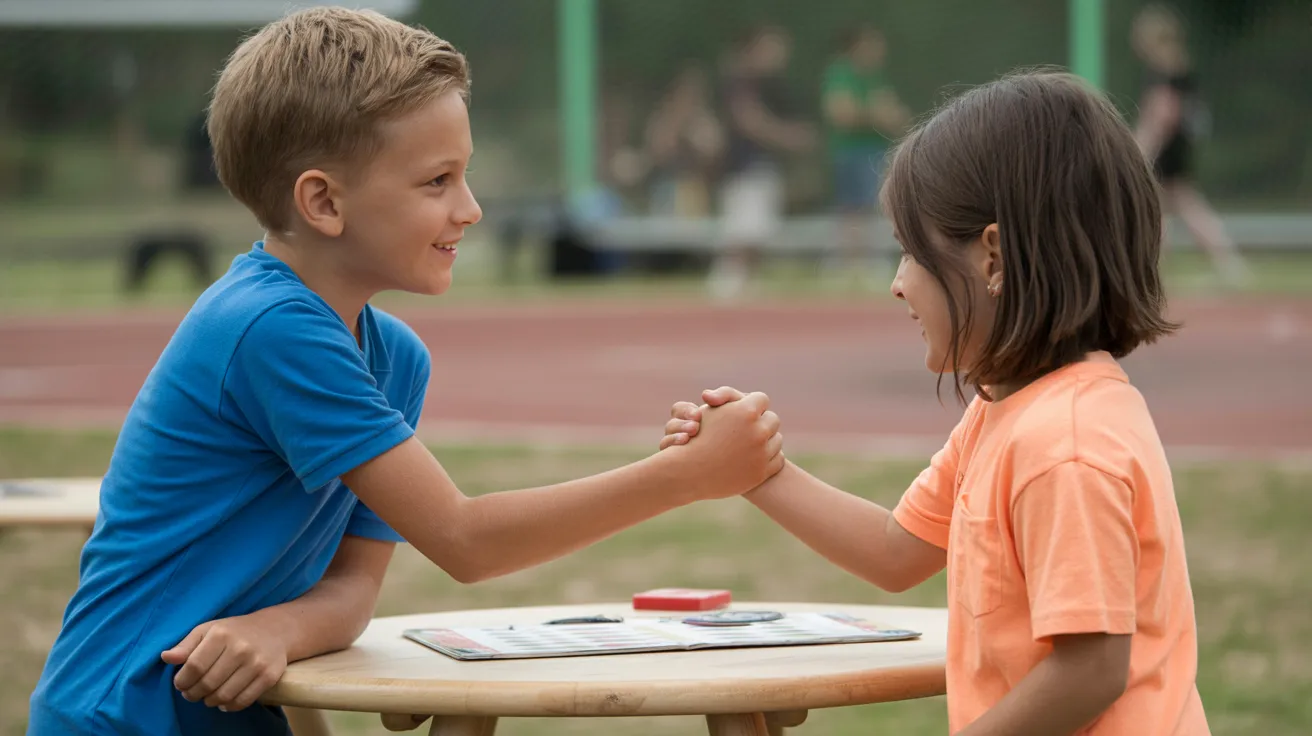
Let your child play a game where someone wins and someone loses. Practice saying "good game" and meaning it.
Losing gracefully is a form of kindness and respect. It's a hard lesson, but a very important one.
22. Attend a Cultural or Community Event
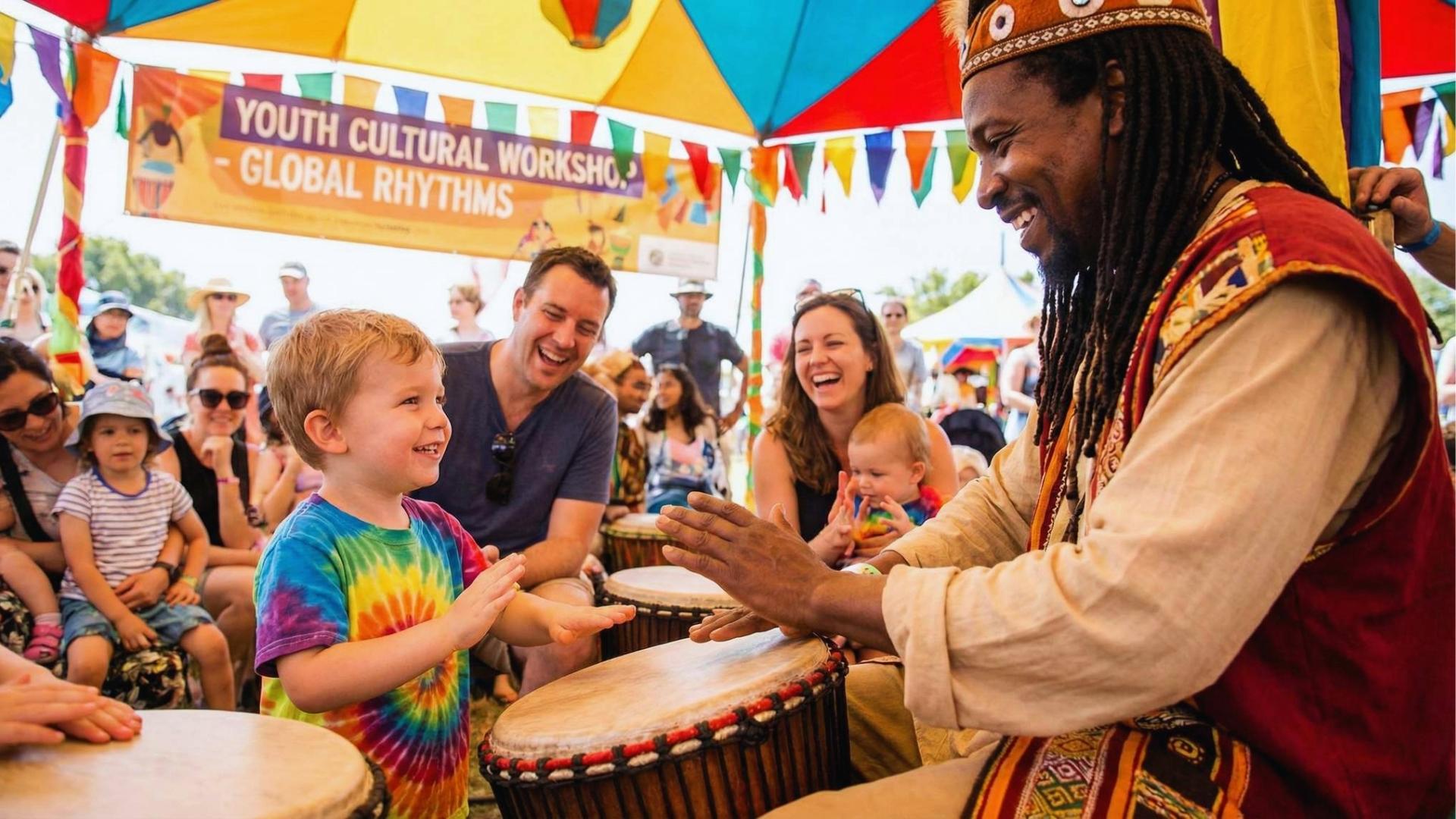
Visit a festival, fair, or community gathering from a different culture. Help your child see how others celebrate and live.
Exposure to new things builds openness and curiosity. Kind kids are often curious kids too.
23. Find and Connect With a Pen Pal
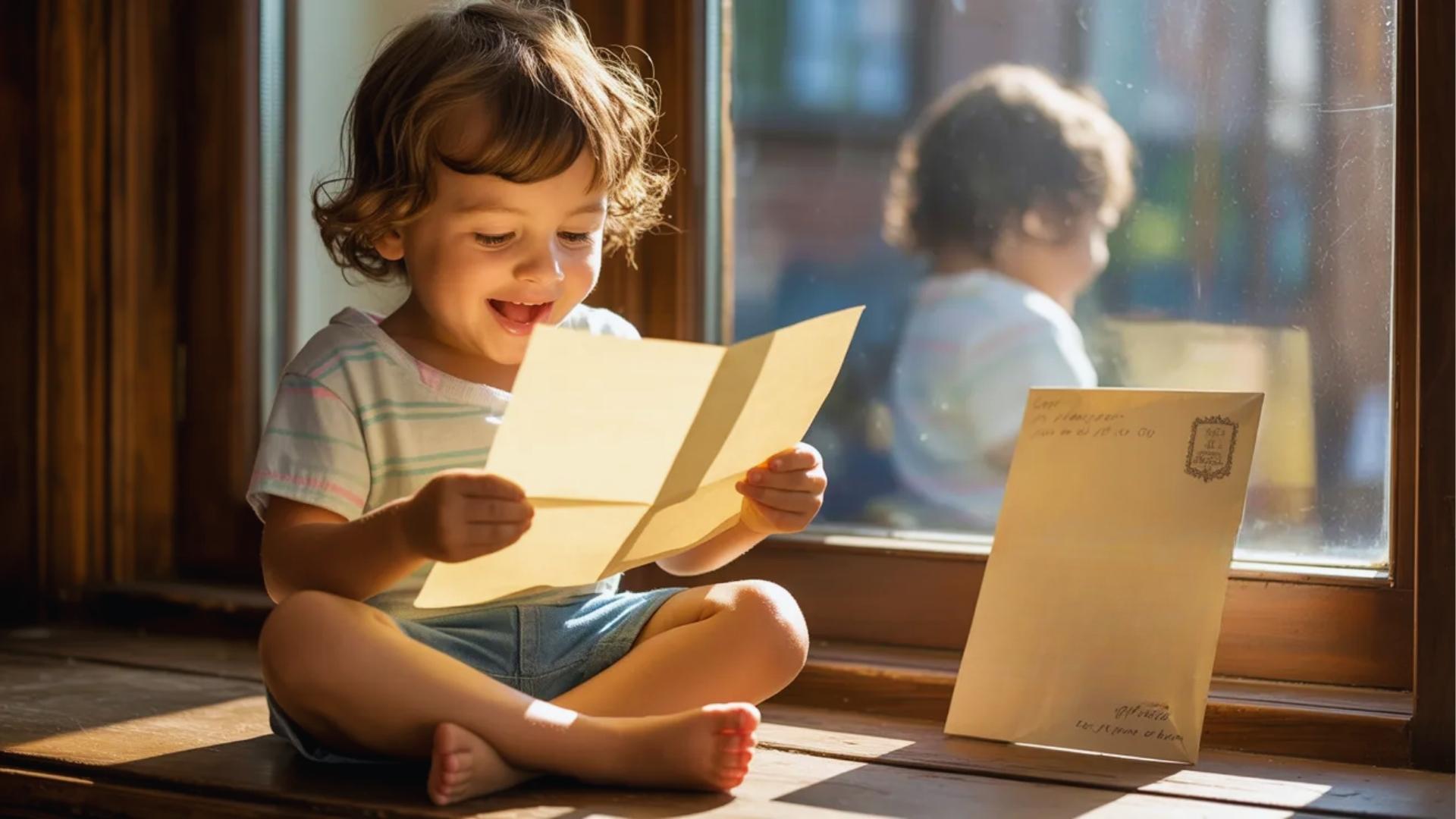
Help your child write letters to a child in another city or country. Sharing stories and asking questions builds real connection.
It teaches that friendship can cross any distance. Writing also helps kids express themselves better.
24. Practice Self-Love and Positive Self-Talk
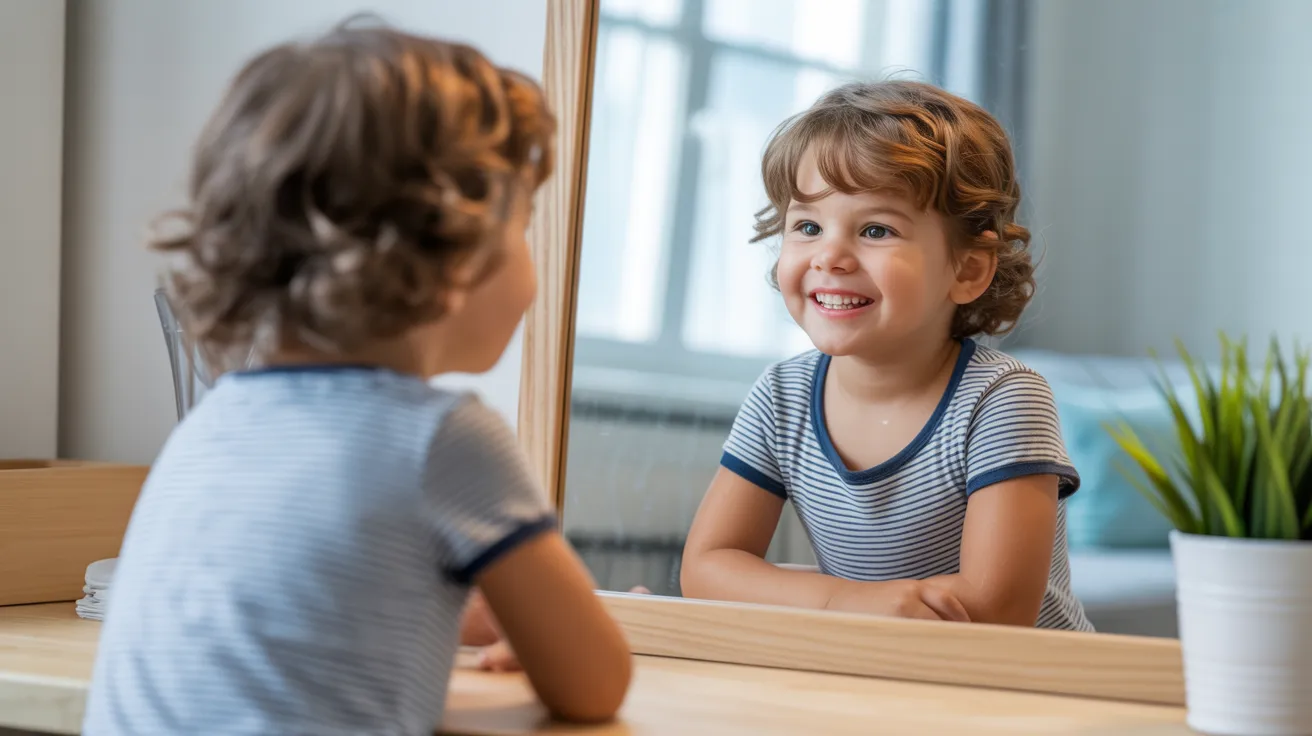
Teach kids to speak kindly to themselves, not just others. Help them replace "I can't do this" with "I'm still learning."
Kids who feel good about themselves are kinder to others. Self-kindness is the starting point for everything.
25. Try Mindfulness Exercises
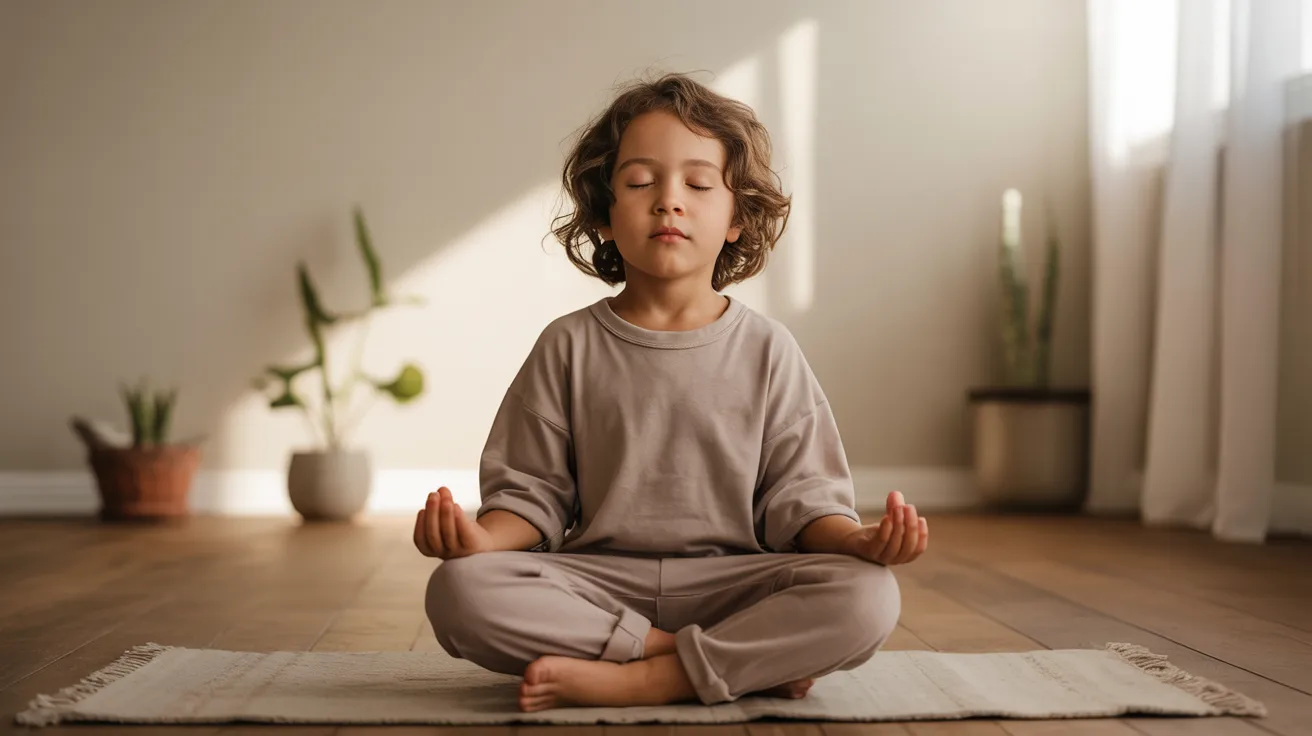
Teach simple breathing or body-awareness exercises. A calm mind is more likely to respond with kindness. Even two minutes of stillness can change a child's mood. Make it a fun daily habit, not a chore.
26. Learn When to Say No and Set Boundaries
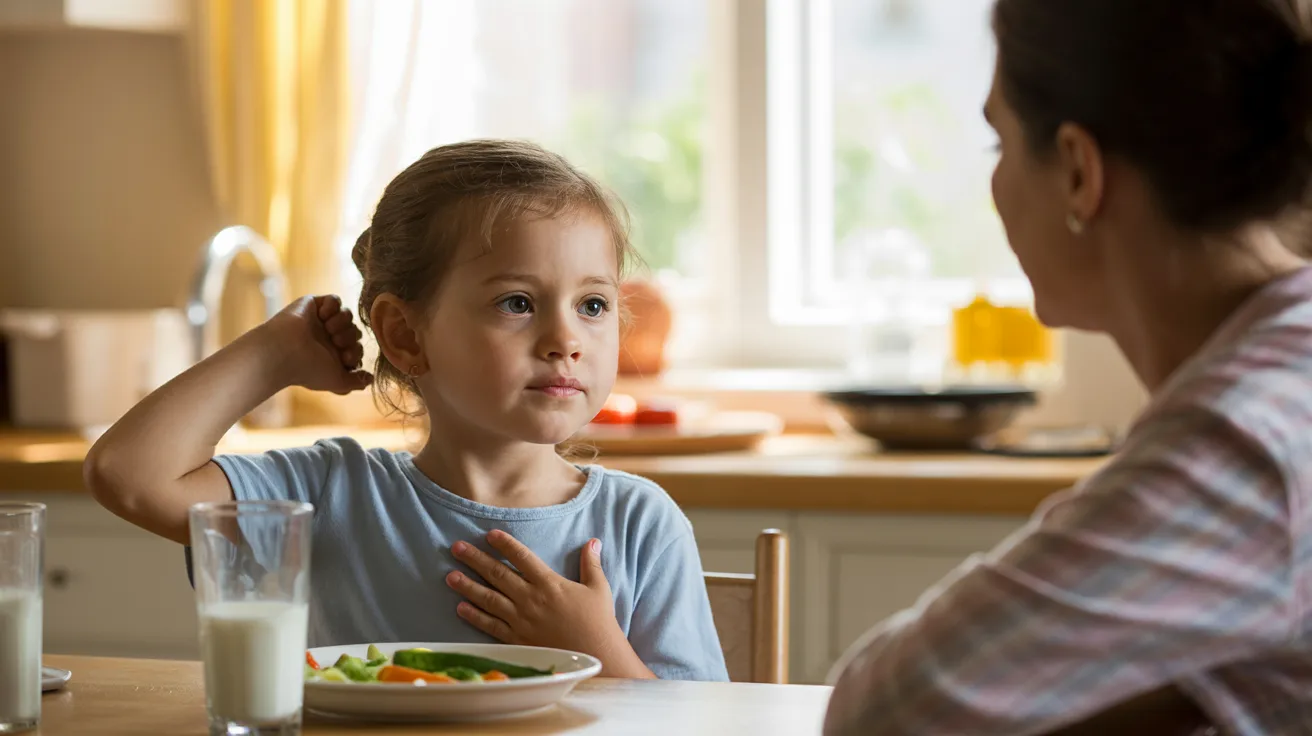
Kindness doesn't mean always saying yes. Teach kids that protecting their own feelings is also kind. Help them practice saying no in a respectful way.
Healthy boundaries make relationships stronger, not weaker.
27. Learn Basic First Aid Skills
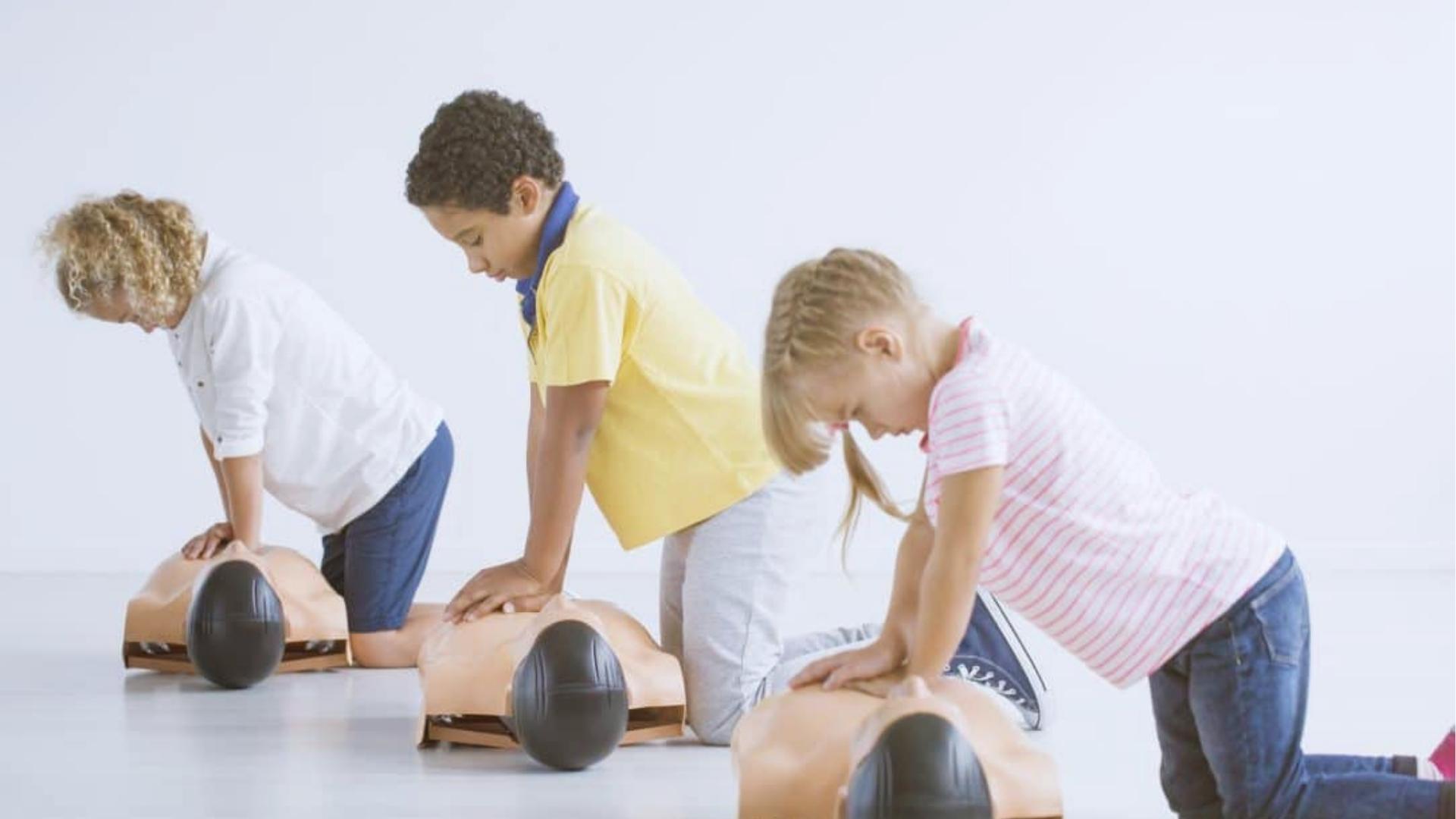
Show your child how to help someone who is hurt. Even simple skills like bandaging a cut build confidence. Knowing how to help in a crisis is a real act of care.
It gives kids a sense of purpose and responsibility.
28. Start a Daily Gratitude Journal

Each night, write down three things your child is grateful for. This builds a habit of noticing the good in life. Grateful kids tend to be more giving and less resentful. A simple notebook is all you need.
29. Build Grit and Resilience Through Challenges
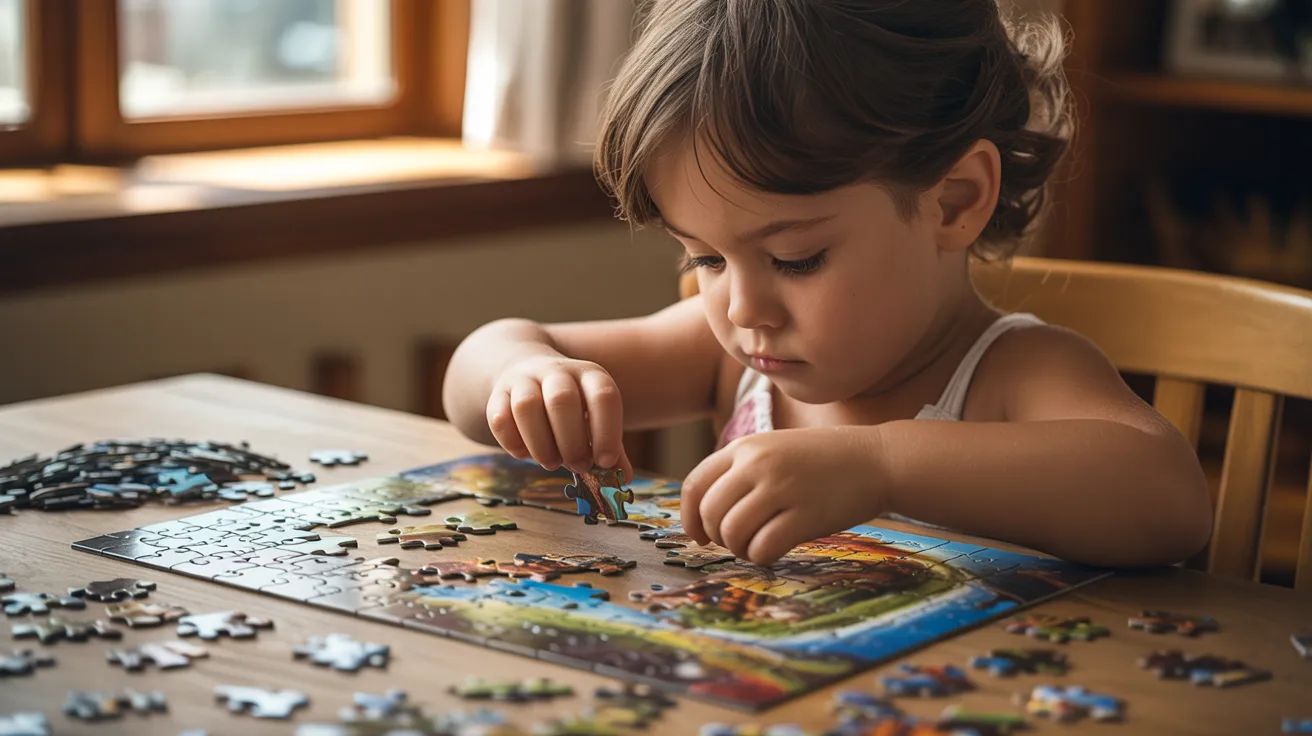
Encourage your child to try hard things and not give up too fast. Resilience teaches them to keep going even when it's tough.
A child who doesn't give up on themselves won't give up on others either. Grit and kindness often go hand in hand.
30. Practice Conflict Resolution Skills
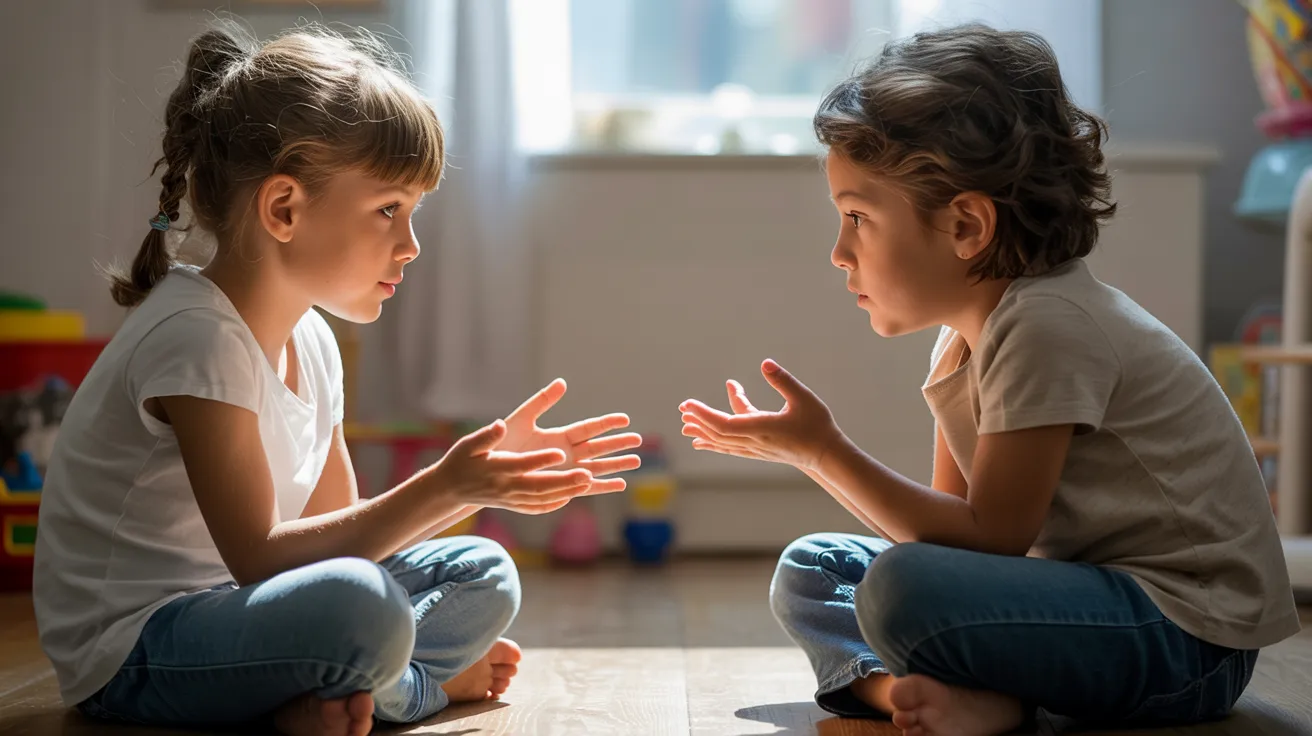
Teach kids to talk through disagreements instead of fighting or shutting down. Use simple steps: listen, share, find a solution together.
Resolving conflict peacefully is a high-level kindness skill. It takes practice, but kids can absolutely learn it.
31. Reflect on Acts of Kindness

At the end of each day, ask your child what kind thing they did or saw. This builds awareness and makes kindness feel rewarding.
Reflection turns one-time actions into lasting habits. Even small moments count and deserve recognition.
32. Help With Household Chores Willingly
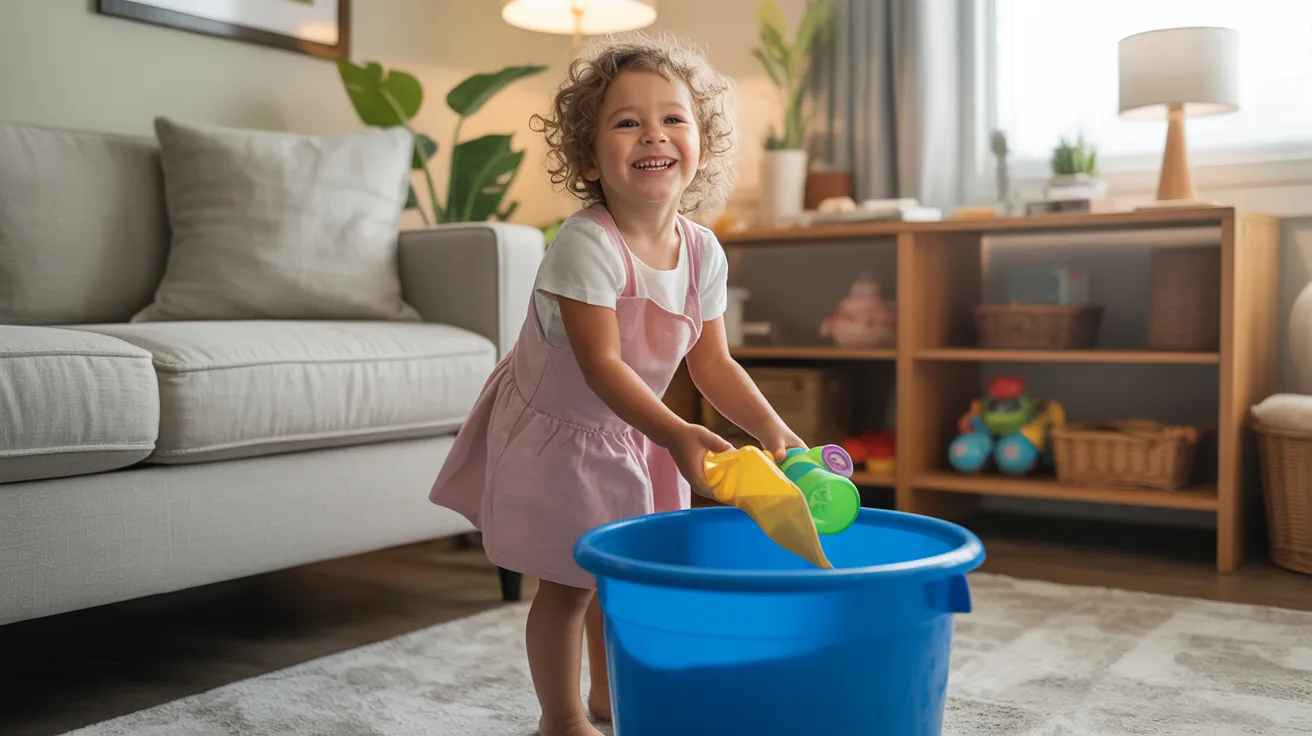
Teach your child to help at home without being asked every time. Doing chores shows care for the family and shared space.
It builds responsibility alongside kindness. Even little kids can do something helpful each day.
33. Share Toys, Books, or Resources With Others
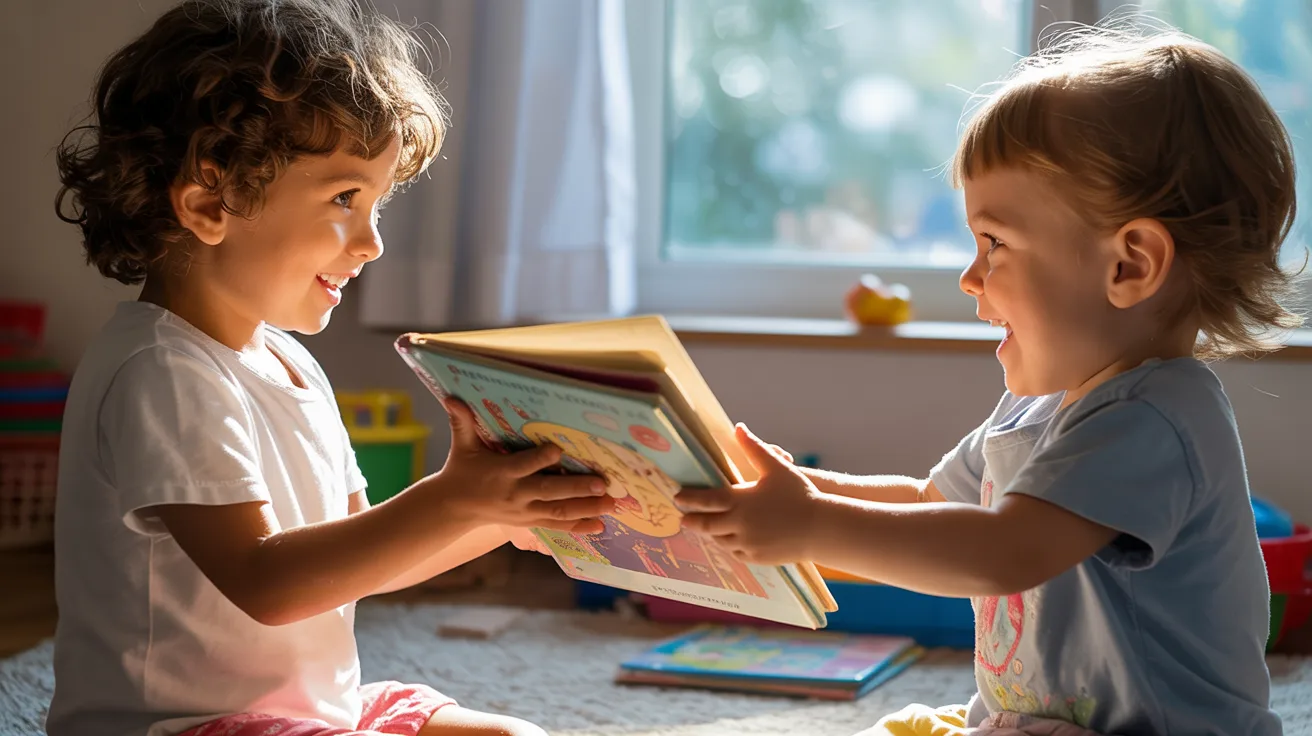
Encourage your child to give away things they no longer use. Donate books to a library or toys to a shelter. Sharing teaches that generosity feels better than holding on.
It also shows that kindness has a real, practical form.
How to Turn Kindness Into a Daily Habit

Making kindness sticks takes a simple plan, not a perfect one.
Encourage Consistency Over Perfection
Kids don't need to do something big every day. Small, regular acts matter more than rare grand gestures. Remind them that showing up with kindness daily is enough. Progress over perfection is the real goal.
Reinforce Positive Behaviors Naturally
Notice when your child is kind and say so out loud. You don't need big rewards or sticker charts. Just a simple "I saw that, and it was really kind" goes far. Acknowledgment builds the habit naturally.
Keep Practicing Beyond Activities
Kindness shouldn't only happen during planned lessons. Point out real moments in daily life and talk about them. Make it part of how your family talks at dinner or bedtime. The more it's woven into life, the more it sticks.
Tips to Make Kindness Activities Effective
Small adjustments in how you teach kindness can make a big difference in how well it lands.
- Pick one or two activities a week instead of trying to do everything at once.
- Doing something small every day builds stronger habits than big, one-time lessons.
- Give your child a say in which activity to try ownership makes them more engaged.
- Ask them what kind thing they want to do today and let them lead sometimes.
- Watch for small moments in daily life holding a door or saying thank you counts.
- Kindness taught through real, everyday actions sticks far better than planned lessons alone.
Conclusion
Kindness is a skill, and like any skill, it grows stronger with practice. I truly believe the little things add up more than we realize.
A thank-you note, a shared toy, a kind word each one matters more than it seems. Start with just one activity from this list today.
You don't need to do it all at once. I'd love to hear how it goes for your family.
Drop a comment below and share your favorite pick. If this helps, pass it on to another parent who needs it.
Frequently Asked Questions
What age should you start teaching kindness activities for kids?
You can start as early as age two with simple sharing and saying thank you. Most activities here work well for kids between 4 and 12 years old.
How often should kids practice kindness activities?
Daily practice, even in small ways, works better than weekly big efforts. Consistency builds the habit faster than intensity.
Can kindness activities help with bullying?
Yes. Kids who practice empathy and emotional awareness are less likely to bully others. They also respond better when they see bullying happen.
Do kindness activities really improve a child's mental health?
Research shows that doing kind acts boosts mood and reduces anxiety in children. It gives them a sense of purpose and connection.
What if my child resists kindness activities?
Start with activities they already enjoy, like games or crafts. Never force it. When kindness feels fun and natural, kids are far more likely to keep doing it.