
I know how it feels when your toddler is bored, cranky, and clinging to your leg, all before 9 AM. Been there more times than I can count. Keeping an 18-month-old busy at home is tough.
But it does not have to be. In this post, I will share 11 simple, screen-free activities that actually work.
These are tried-and-tested ideas that support your child's growth. No fancy toys needed. Just easy, playful moments that keep your little one happy and you sane.
Let's get into it.
Why Keeping an 18-Month-Old Engaged at Home Can Be Challenging
At 18 months, toddlers are curious about everything. They want to touch, taste, and knock over anything in sight.
Their attention span lasts about two to three minutes. That means you need a new idea every few minutes, which is exhausting.
They cannot yet play alone for long. They need you nearby, guiding and engaging.
Add in nap schedules, meal times, and your own to-do list, and the day can feel overwhelming fast.
The good news? Small, simple activities can make a big difference.
11 Easy Activities to Keep Your 18-Month-Old Entertained at Home
Fun does not need to be complicated. Here are 11 simple activities you can set up at home in minutes.
1. Pretend Tea Party with Cups, Plates, and Stuffed Animals
ALT TEXT: A baby girl enjoys a pretend tea party with cups, plates, and stuffed animals on a colorful rug.
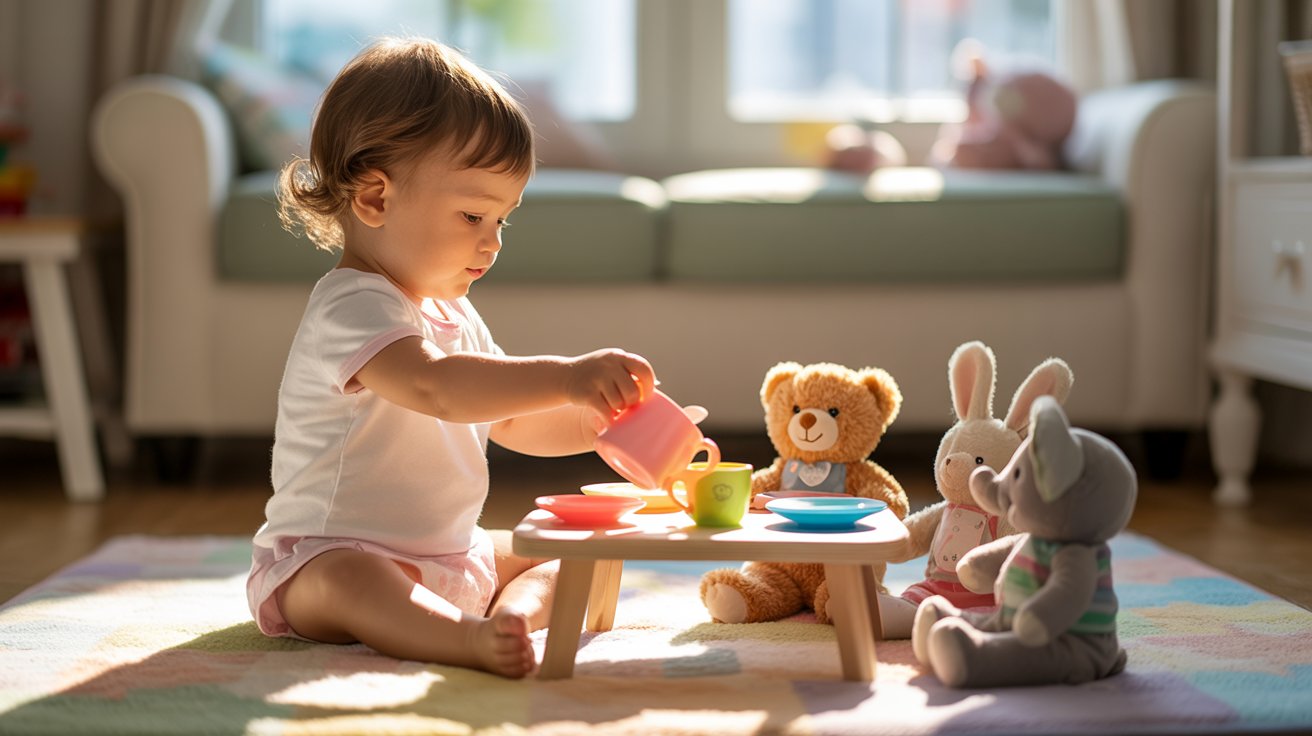
Set up a small tea party using plastic cups, toy plates, and a few stuffed animals. Your toddler will love being the host.
This kind of play builds social skills and sparks imagination. You can sit with them and play along.
Use simple words like "pour the tea" or "pass the plate." It keeps them focused and happy for a good stretch of time.
2. Water Play Using Bowls, Cups, and Spoons
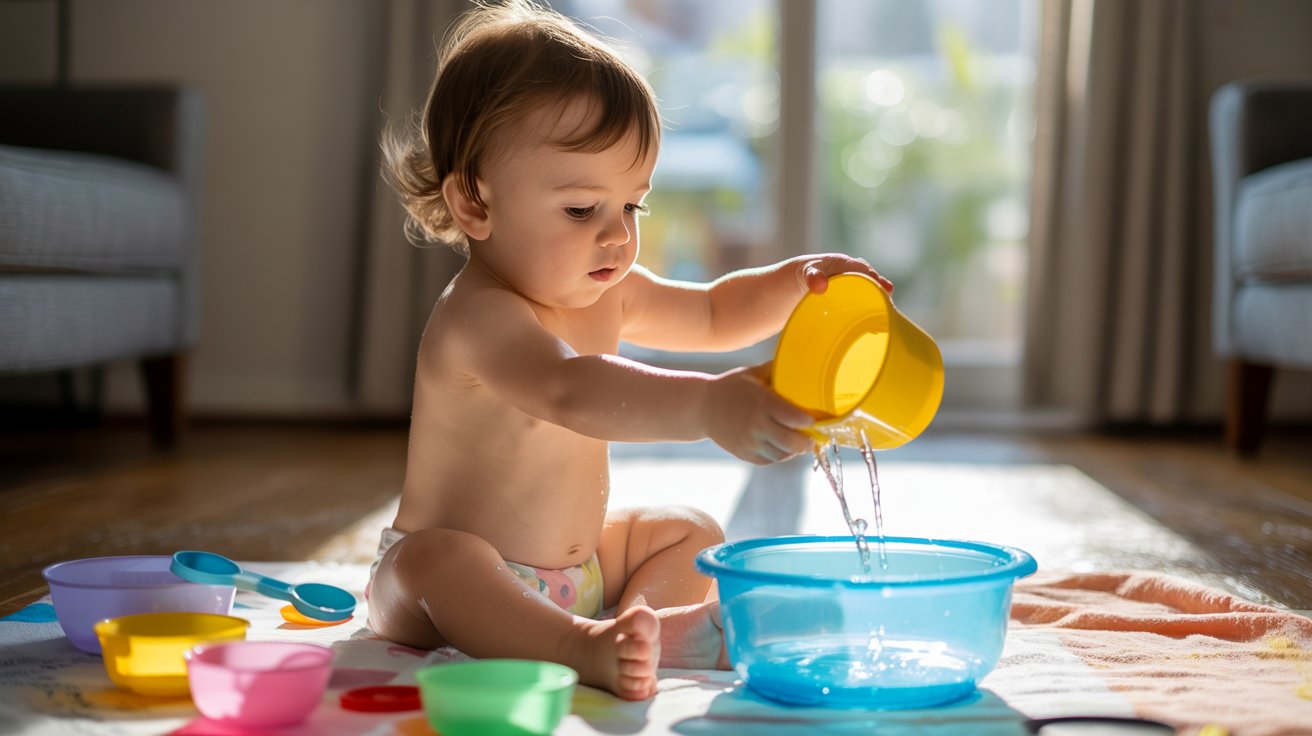
Fill a large bowl with a little water and hand your toddler some cups and spoons. Let them pour, splash, and stir.
Water play is calming and great for fine motor skills. Lay a towel down first to manage the mess.
You can add a few drops of food coloring to make it more fun. Supervise closely the whole time. This one always buys you a solid 15 to 20 minutes.
3. Scribbling with Chunky Crayons or Chalk
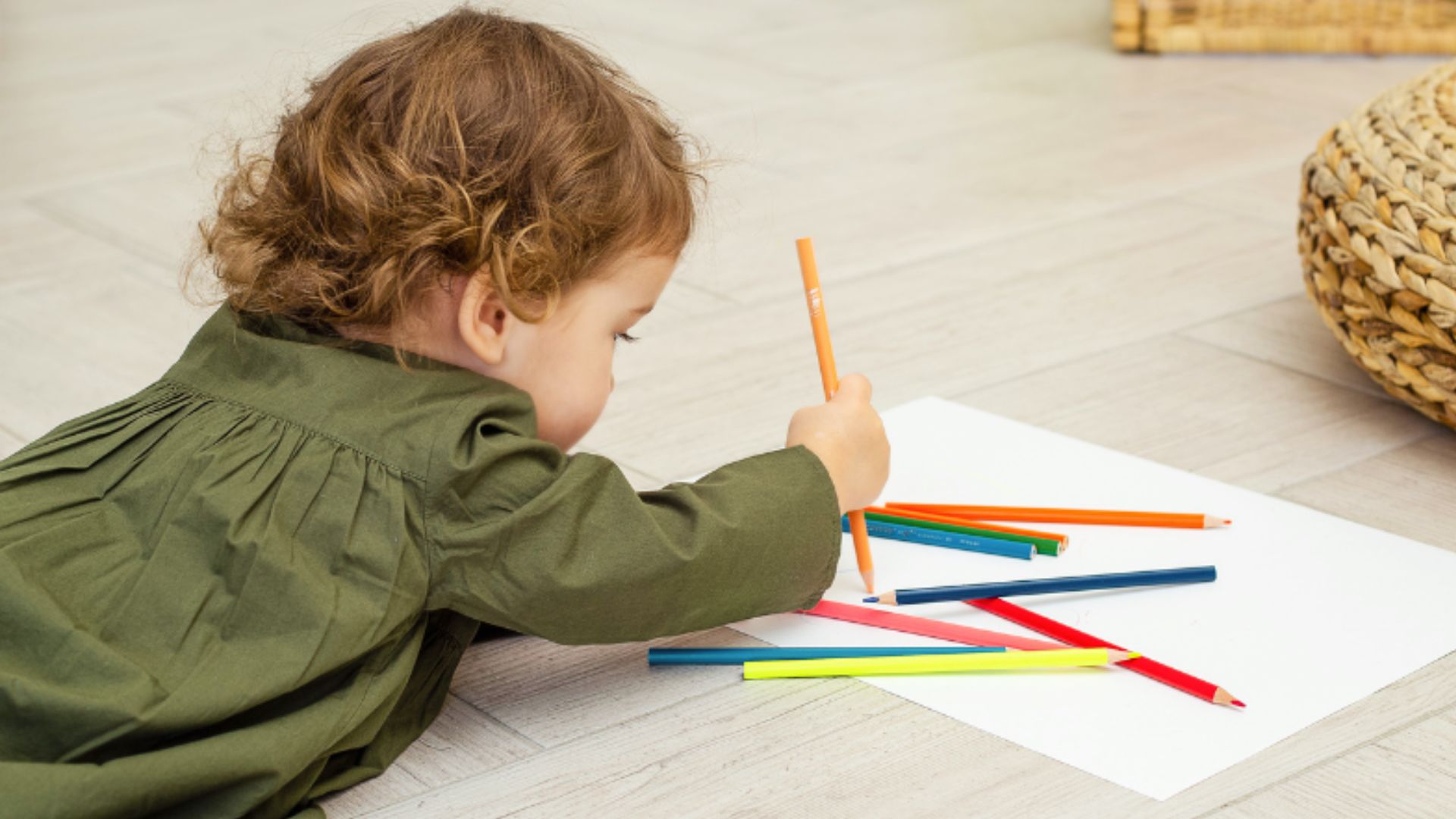
Give your toddler chunky crayons and a big sheet of paper. Or head outside and let them go wild with sidewalk chalk.
At this age, they are not drawing anything specific. They are just exploring color and movement. That is perfectly fine.
Scribbling builds hand strength and coordination. Tape the paper to the floor so it does not slide around. Let them make as much mess as they want.
4. Building and Knocking Down Block Towers
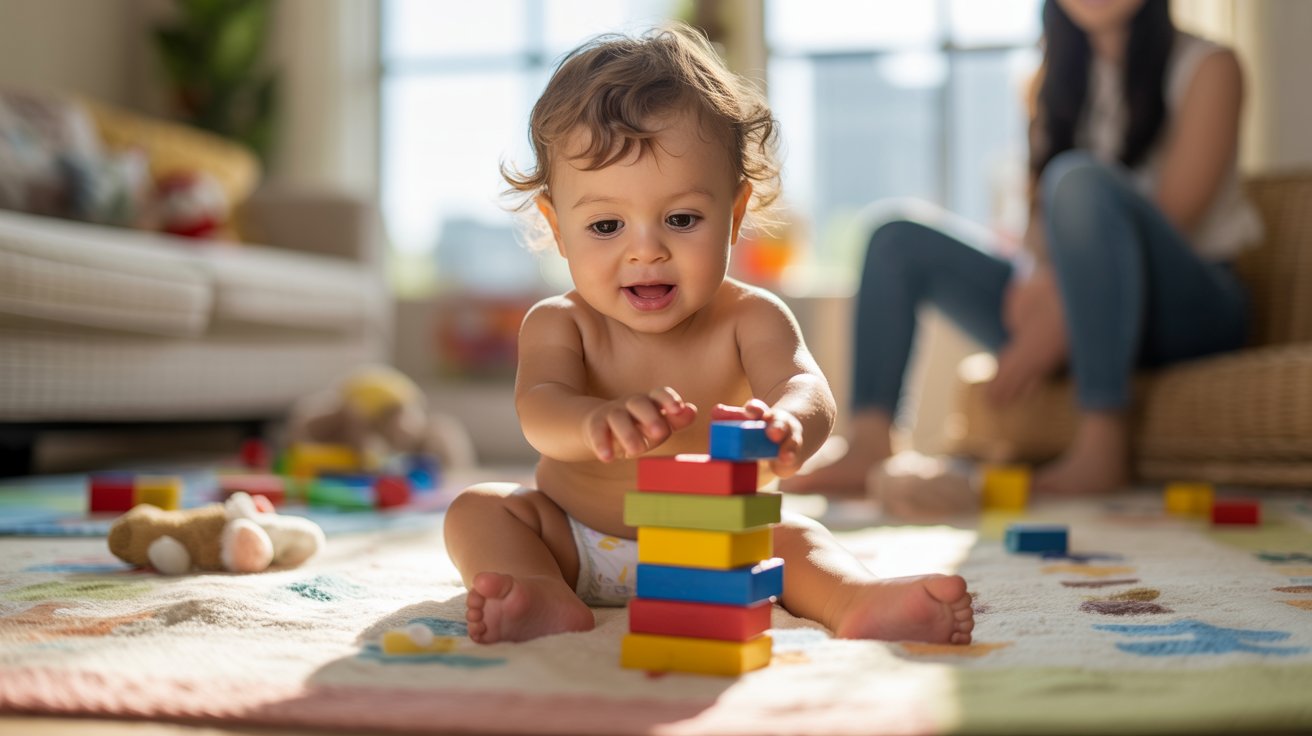
Stack some blocks into a tower and let your toddler knock it down. Then do it again. And again. Toddlers love this game.
It teaches cause and effect in the simplest way. They also practice balance and hand-eye coordination when they try to stack on their own.
You do not need fancy blocks. Wooden ones, foam ones, or even cardboard boxes work just fine. Keep the tower low at first.
5. Sticker Play on Paper or Cardboard Boxes

Stickers are magic for toddlers. Peel and stick. That is all they need to stay busy. Give your child a sheet of stickers and a piece of paper or a plain cardboard box.
They will spend a surprising amount of time placing stickers everywhere. This activity builds fine motor skills and focus.
Use large stickers that are easy to peel. Avoid tiny ones that could be a choking risk.
6. Ball Toss or Rolling Game Indoors

Grab a soft ball and sit across from your toddler. Roll it back and forth. Or toss it gently and cheer when they catch it.
This simple game builds coordination and turn-taking skills. Use a soft foam ball so nothing gets broken.
You can also set up a small target like a laundry basket and see who can toss the ball in. Keep it light and fun.
7. Animal Movement Game (Jump, Crawl, Stomp)

Call out an animal and act it out together. Hop like a bunny. Stomp like an elephant. Crawl like a bear.
Your toddler will follow along and giggle the whole time. This game burns energy, which is always a win.
It also builds body awareness and listening skills. I love this one because it gets me moving too. No setup needed. Just you, your child, and a little imagination.
8. Reading Interactive Board Books Together
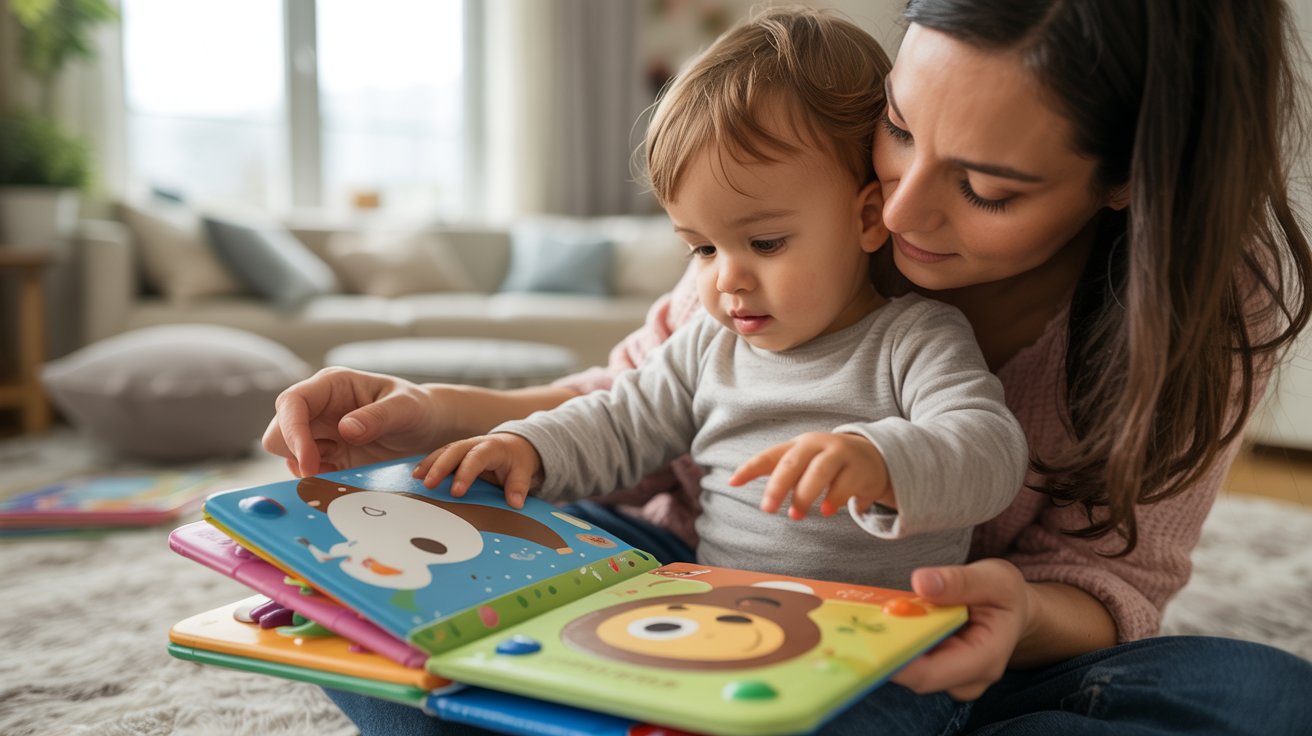
Pick a board book with flaps, textures, or sounds. Sit with your toddler and read it slowly. Point to pictures.
Ask simple questions like "Where is the dog?" Let them turn the pages. Interactive books hold attention much longer than regular ones.
Reading together also builds language skills and a love of books early on. Keep a small pile of books within your child's reach so they can grab one anytime.
9. Sensory Bin with Rice, Pasta, or Pom-Poms

Fill a plastic bin with dry rice, uncooked pasta, or colorful pom-poms. Add some spoons, cups, and small containers.
Let your toddler scoop, pour, and play freely. Sensory bins are great for calming toddlers and keeping them focused. Always supervise during sensory play.
If your child still puts things in their mouth, use larger items like pom-poms to stay safe. This activity can last a surprisingly long time.
10. Zipper Practice with Jackets or Bags
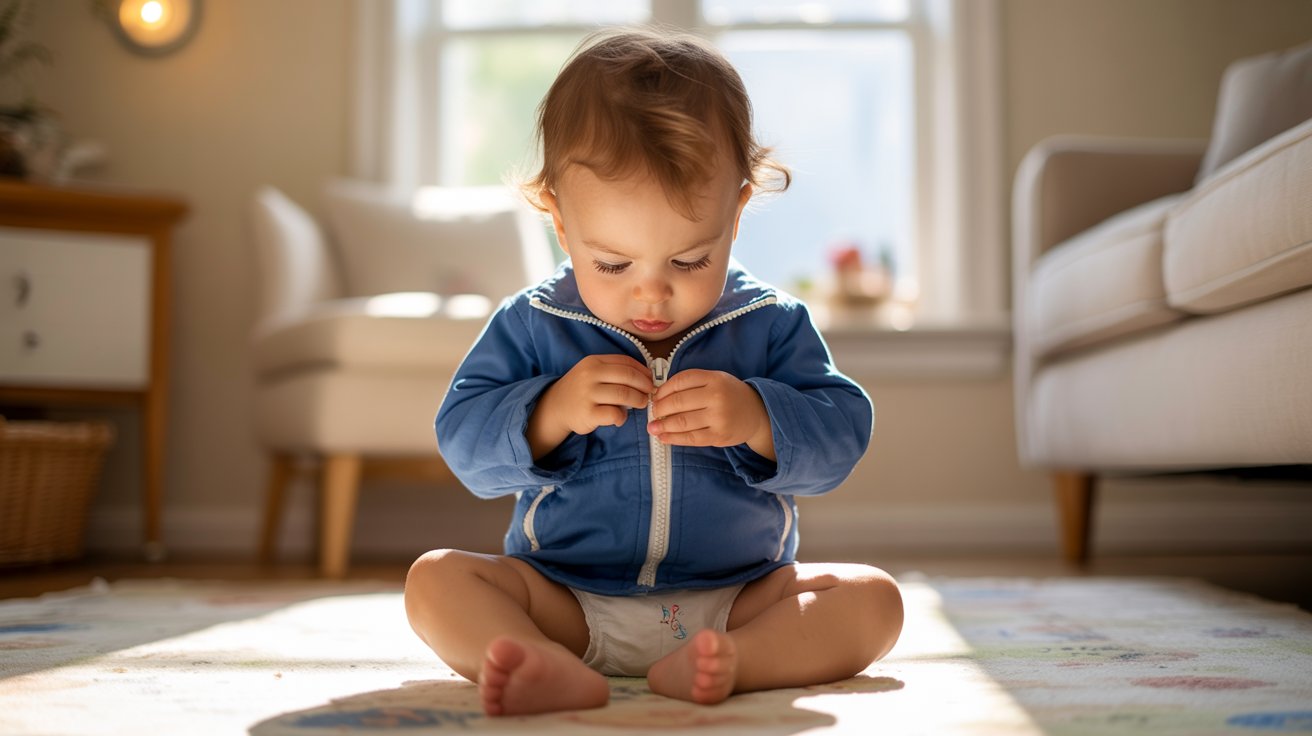
Hand your toddler an old jacket or a small zip-up bag. Let them try to open and close the zipper. This sounds simple, but it is actually a great fine motor challenge for this age.
They will concentrate hard on it. You can guide their hands gently at first.
No need to rush or correct them. The goal is just to keep them focused and working those little fingers.
11. Dance Party with Music

Put on some upbeat music and start dancing. Your toddler will join in immediately. Clap, spin, stomp, and wiggle together.
A dance party is one of the easiest ways to lift the mood in the house. It burns energy, boosts mood, and creates a happy memory.
You do not need a playlist. Any music works. Even nursery rhymes. Make it silly. Make it loud. Let them lead sometimes too.
Tips to Keep Your 18-Month-Old Engaged
Short activities work better than long ones at this age. Here are five tips that actually help.
- Rotate activities so the same thing does not get boring fast.
- Stay close and play alongside your toddler when you can.
- Follow their lead and let them explore at their own pace.
- Keep setups simple so you are not spending more time prepping than playing.
- Step back sometimes and let them figure things out on their own.
Even small moments of free play build confidence and curiosity in your child.
Conclusion
I have been there, staring at a restless toddler with no idea what to do next. These 11 activities genuinely helped me, and I know they will help you too.
The best part? Everything you need is already at home. Pick one activity today and try it.
Did it work for your little one? Drop a comment below and let me know.
And if this helped, share it with a fellow parent who needs it!
Frequently Asked Questions
How long should activities last for an 18-month-old?
Most activities should last 10 to 15 minutes since toddlers have very short attention spans at this age.
Do I need to buy special toys for these activities?
No. Most of these activities use everyday household items like bowls, paper, and old bags.
How many activities should I plan per day?
Aim for three to five short activities spread across the day to keep your toddler engaged without overstimulating them.
Is screen time okay if my toddler gets bored?
Occasional screen time is fine, but screen-free play is better for language and motor skill development at this age.
What if my toddler does not show interest in an activity?
That is completely normal. Try again another day or swap it for something else. Every child has different interests.