
Starting solids felt like the most stressful week of my parenting life. Everyone had an opinion.
My mom said purees. My neighbor swore by baby-led weaning. My pediatrician said "just start." I had no idea who to listen to.
In this post, I break down baby-led weaning vs purees so you stop second-guessing every bite.
You will get a clear look at both methods, honest pros and cons, and safety tips with first food ideas.
This guide helps you start solids with confidence.No confusion. No pressure. Just straight answers.
Let's get into it.
What You Should Know Before Choosing a Method
Both methods are valid. Neither is wrong. The best choice depends on your baby, your lifestyle, and what feels manageable for you.
Most parents stress too much about picking the "perfect" approach. The truth is, babies are more flexible than we think.
What matters most is that your baby is safe, eating well, and enjoying food. Read on, and I will help you figure out which path makes the most sense for your family.
What Is Baby-Led Weaning (BLW)?
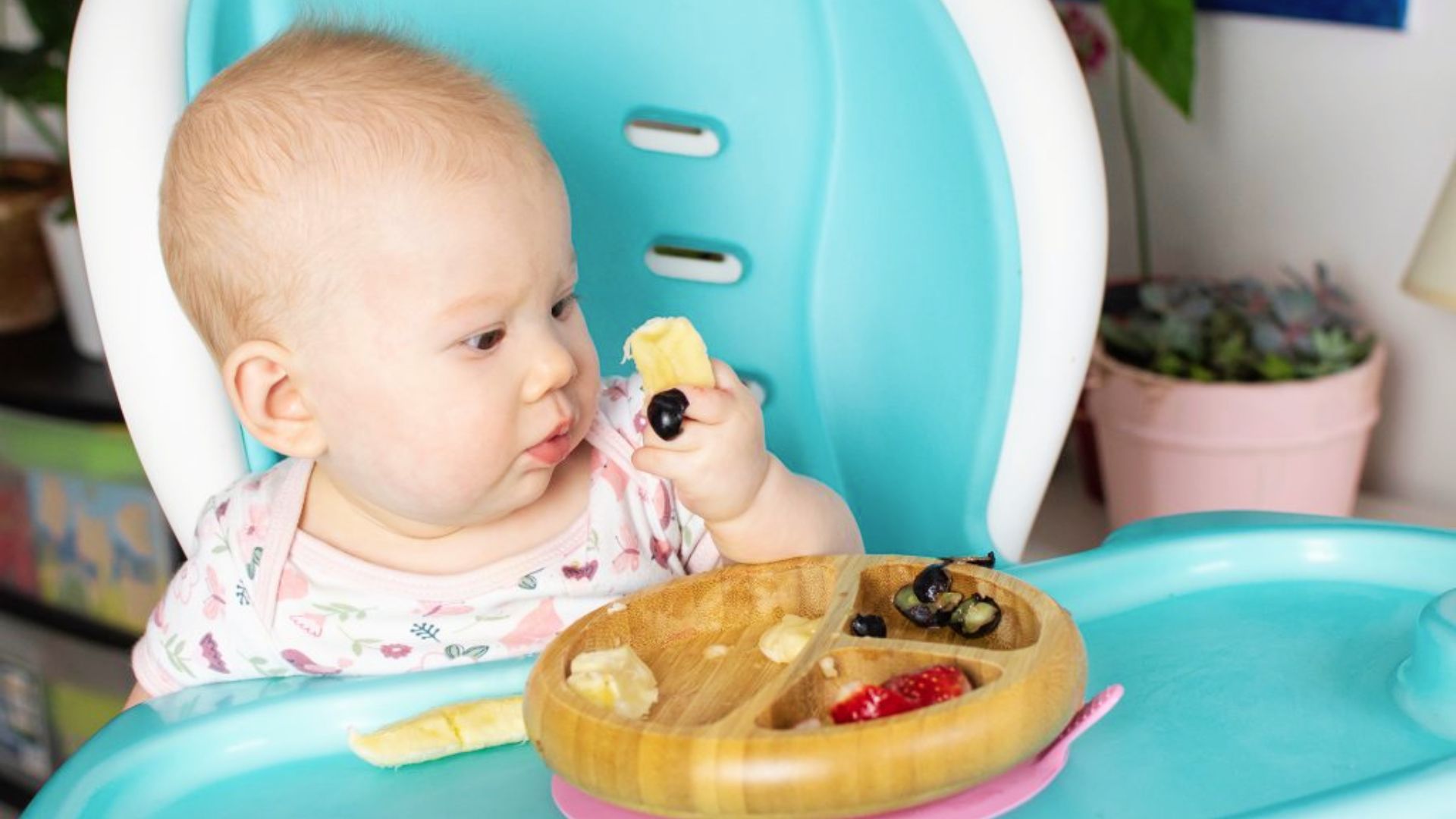
Baby-led weaning is a feeding approach where babies feed themselves soft finger foods from the very start, skipping pureed food altogether.
Instead of a spoon, your baby picks up food, controls each bite, and sets the pace.
It usually starts around six months when a baby shows signs of readiness. The goal is to let your baby lead the process from day one.
Pros of Baby-Led Weaning
Develops motor skills early. Picking up food builds hand-eye coordination and fine motor strength. Supports self-regulation.
Babies learn to stop eating when full. Promotes food curiosity. Exposure to real textures and flavors early on can reduce picky eating later. Fits family meals.
Your baby eats what you eat, with minor modifications. It saves time and keeps everyone at the table together.
Cons of Baby-Led Weaning
It gets very messy. Food ends up on the floor, walls, and baby. Hard to track intake. You cannot always tell how much your baby actually ate.
Choking concern. Without proper preparation, there is a real risk. Not ideal for all babies. Premature babies or those with motor delays may struggle.
It requires close supervision and proper food sizing every single time.
Method to Use for Introducing Solids
Baby-led weaning works best when you keep things simple and safe.
- Start with soft, easy-to-grip foods cut into stick shapes
- Always stay present during meals and never leave your baby alone with food
- Begin with one food at a time and watch closely for allergic reactions
- Keep portions small and introduce new foods slowly
- Always check that food mashes easily between your fingers before offering it
Go at your baby's pace and trust the process one meal at a time.
What Are Traditional Purees?
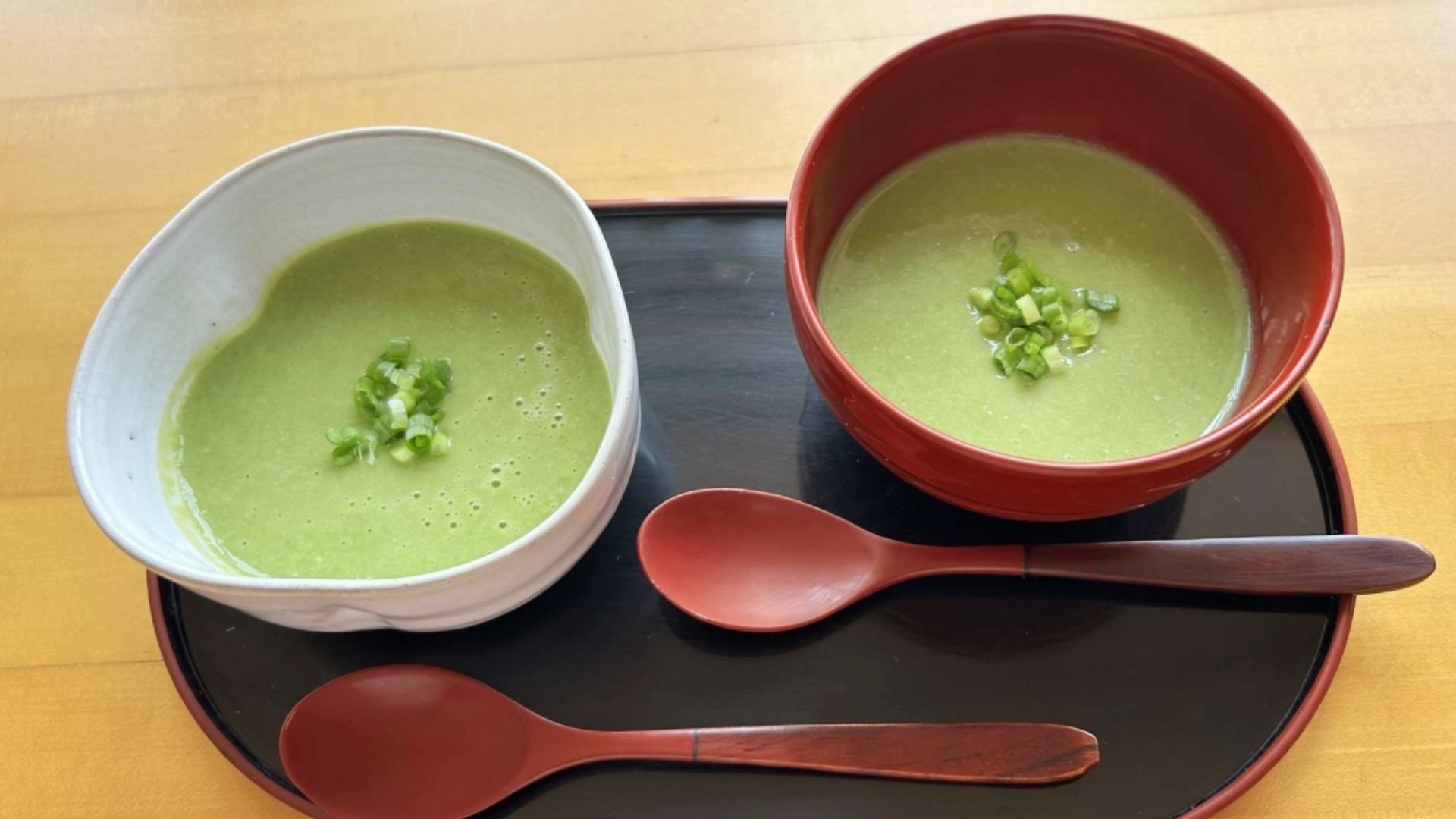
Traditional purees involve blending food into a smooth consistency and spoon-feeding it to your baby.
It is the most widely used method for starting solids. Parents control the pace and portion size. Purees can be store-bought or homemade.
Most pediatricians have recommended this approach for decades. It is considered a gentle, low-risk way to introduce new foods one at a time.
Pros of Traditional Purees
Easy to track intake. You can see exactly how much your baby eats. Lower choking risk when prepared correctly.
Great for allergy introduction. One ingredient at a time makes reactions easy to spot. Works well for younger babies.
Even babies just starting at four to five months can handle purees. It is a smooth, controlled way to get your baby used to eating.
Cons of Traditional Purees
Less independence. Your baby does not control the feeding process. More prep work.
Homemade purees take time. Store-bought ones can get expensive. Texture transition can be hard. Some babies struggle to move to chunkier textures later.
May not support self-regulation as strongly. When a caregiver controls each bite, it can be harder for babies to learn their own hunger cues over time.
Method to Use for Introducing Solids
Starting with purees is simple when you follow a clear routine.
- Begin with single-ingredient purees like sweet potato, peas, or apple
- Use a soft baby spoon and offer small amounts at a time
- Never force another spoonful if your baby turns away
- Gradually thicken the texture as your baby gets more comfortable
- Add new foods every three to five days to spot any reactions early
Go slow, stay consistent, and let your baby guide the pace.
Baby-Led Weaning vs Purees: Quick Comparison
Both methods have their strengths. Here is a side-by-side look to help you see the differences clearly.
| Feature | Baby-Led Weaning | Traditional Purees |
| Feeding Style | Self-feeding finger foods | Spoon-fed by caregiver |
| Mess Level | Messier | Less messy |
| Independence | Encourages independence | Less independence initially |
| Tracking Intake | Harder to track | Easier to track |
| Texture Exposure | Early texture exposure | Gradual texture progression |
| Family Meals | Easier to include baby | May eat separately |
| Preparation | Minimal prep | Requires preparation or buying baby food |
The right method depends on your baby, your lifestyle, and what feels manageable for your family.
Best First Foods for Babies
Choosing the right first foods sets the tone for your baby's relationship with eating.
Baby-Led Weaning Food options
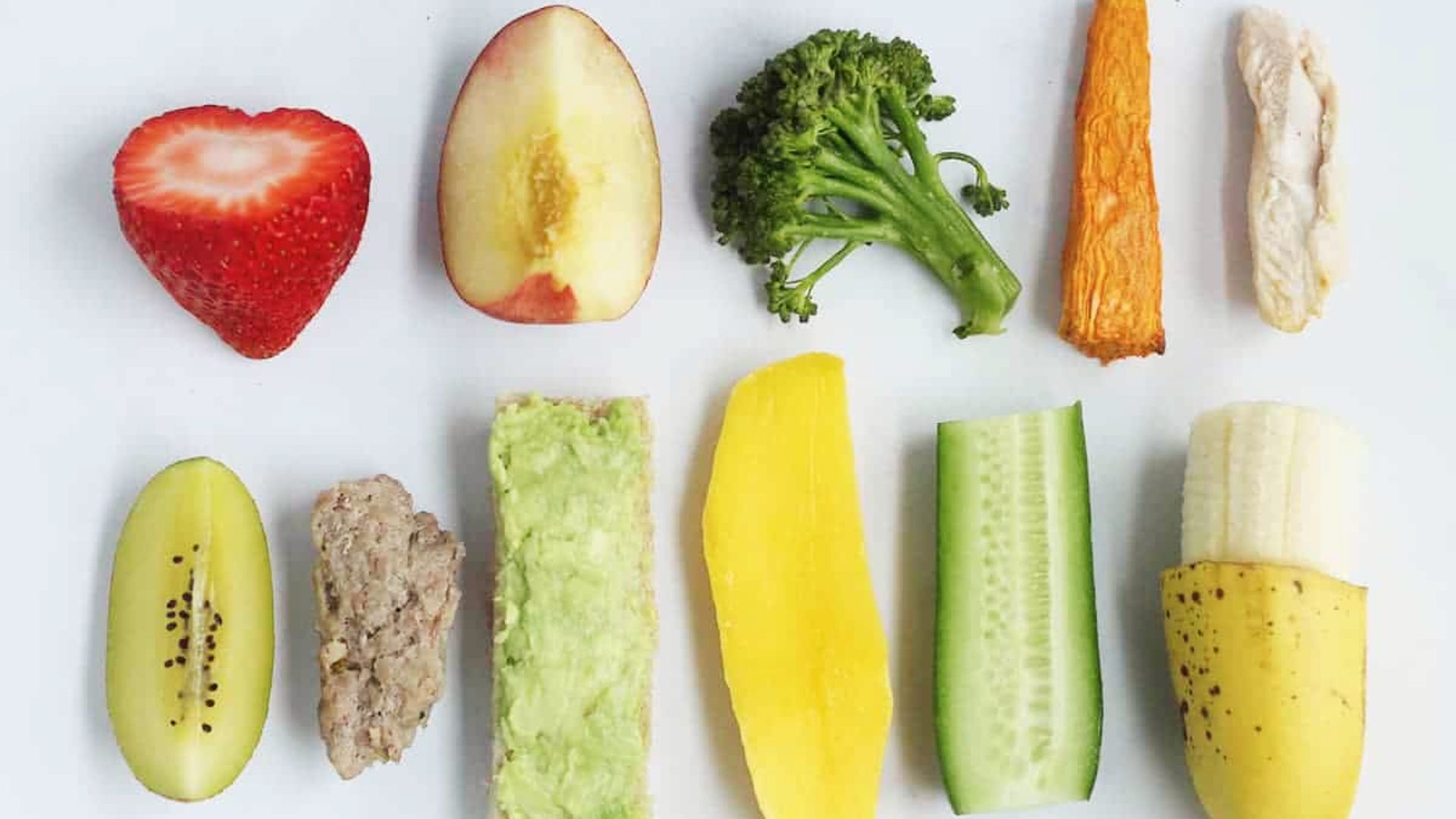
For baby-led weaning, think soft, squishy, and easy to grip. Ripe avocado slices, steamed broccoli florets, soft-cooked sweet potato sticks, ripe banana halves, and scrambled eggs are all great starting points.
Every food should mash easily when pressed between your fingers. Cut everything into finger-length strips so your baby can hold it without trouble.
Skip hard raw vegetables, whole grapes, and anything sticky at this stage.
Puree Food options
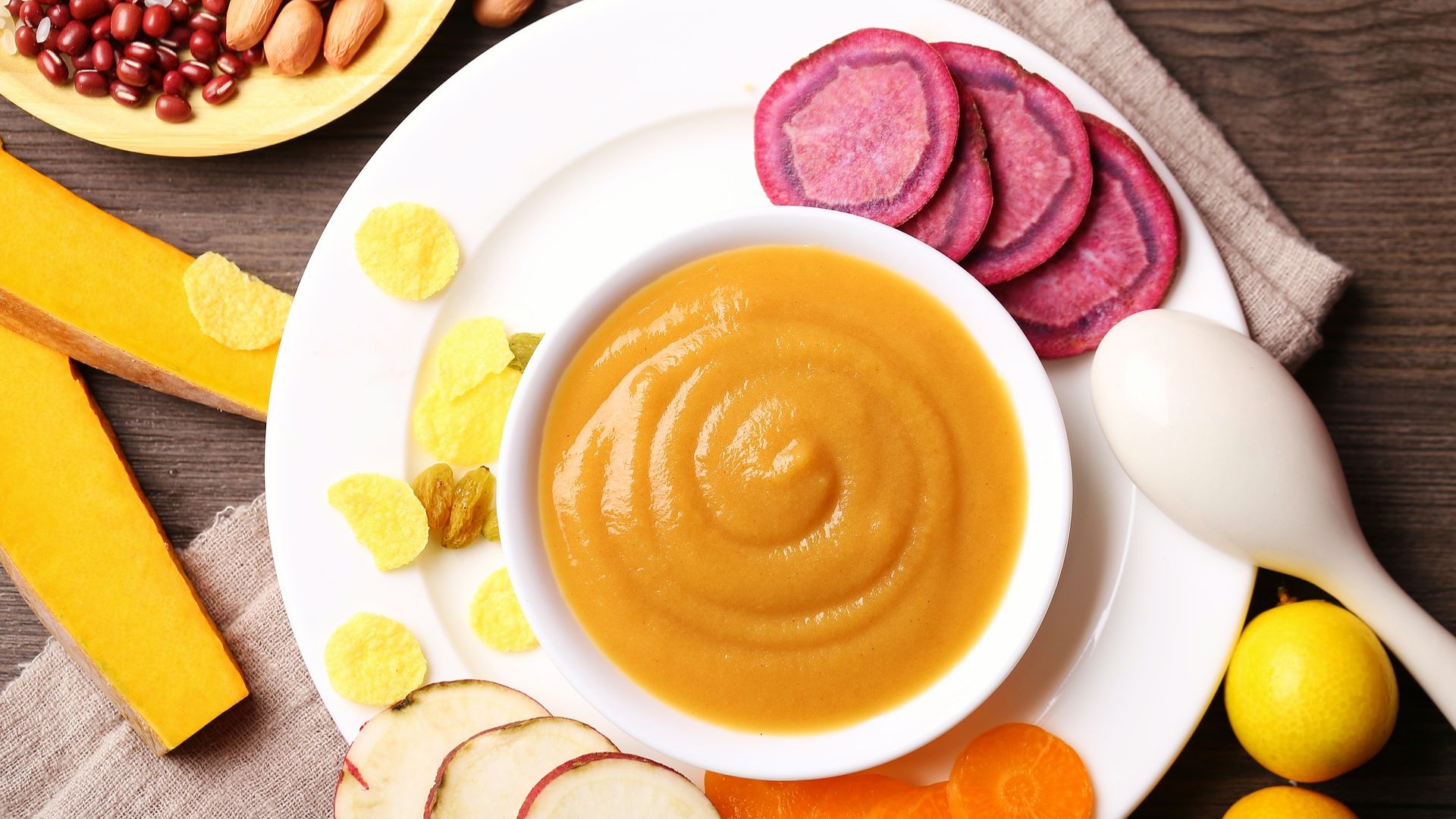
For purees, start with single-ingredient options that are mild and easy to digest. Sweet potato puree, pureed peas, apple sauce, butternut squash, and pureed carrots are popular first choices.
Steam or bake the food until very soft, then blend with a little breast milk, formula, or water to get a smooth consistency.
As your baby gets more comfortable, you can start combining flavors and moving toward thicker textures over a few weeks.
Safety Tips When Starting Solids
Getting this part right matters more than any method you choose.
- Watch for readiness signs like sitting up and showing interest in food
- Always supervise your baby during every single meal
- Never offer hard, round, or sticky foods
- Cut food into the right shape and size for safe eating
- Learn infant CPR before you begin solids
Being prepared from day one keeps your baby safe and mealtimes stress-free.
Conclusion
I know how overwhelming this feels. You want to do right by your baby, and there is so much conflicting advice out there.
Here is what I believe:there is no single "correct" method. Some families love baby-led weaning. Others stick with purees. Many do both.
What matters most is that your baby is eating safely, growing well, and enjoying food. Trust your instincts. You know your baby best.
Have you tried either method? Drop a comment below and tell me what worked for you.
Frequently Asked Questions
Can I do both baby-led weaning and purees at the same time?
Yes, combining both methods is completely safe and is often called a "blended approach."
At what age should I start solids?
Most babies are ready to start solids at around six months of age.
Is baby-led weaning safe for all babies?
It is safe for most full-term babies, but always check with your pediatrician first, especially for premature babies.
How do I know if my baby is choking or just gagging?
Gagging is loud and normal. Choking is silent and requires immediate action.
Do I need special equipment for baby-led weaning?
No, you only need a high chair, a bib, and soft appropriately cut foods to get started.