
I once asked a group of parents what they wished they had done differently for their kids. Almost every answer had nothing to do with school.
More creative time. More hands-on experiences. More chances to figure things out on their own.That stuck with me.
Enrichment activities for kids fill exactly that gap. They build the thinking, doing, and feeling skills that no report card ever measures.
But most parents don't know where to start or what actually works at each age.
This guide covers 25 of the best options, with tips to help you choose what fits your child right now.
What Are Enrichment Activities for Kids?
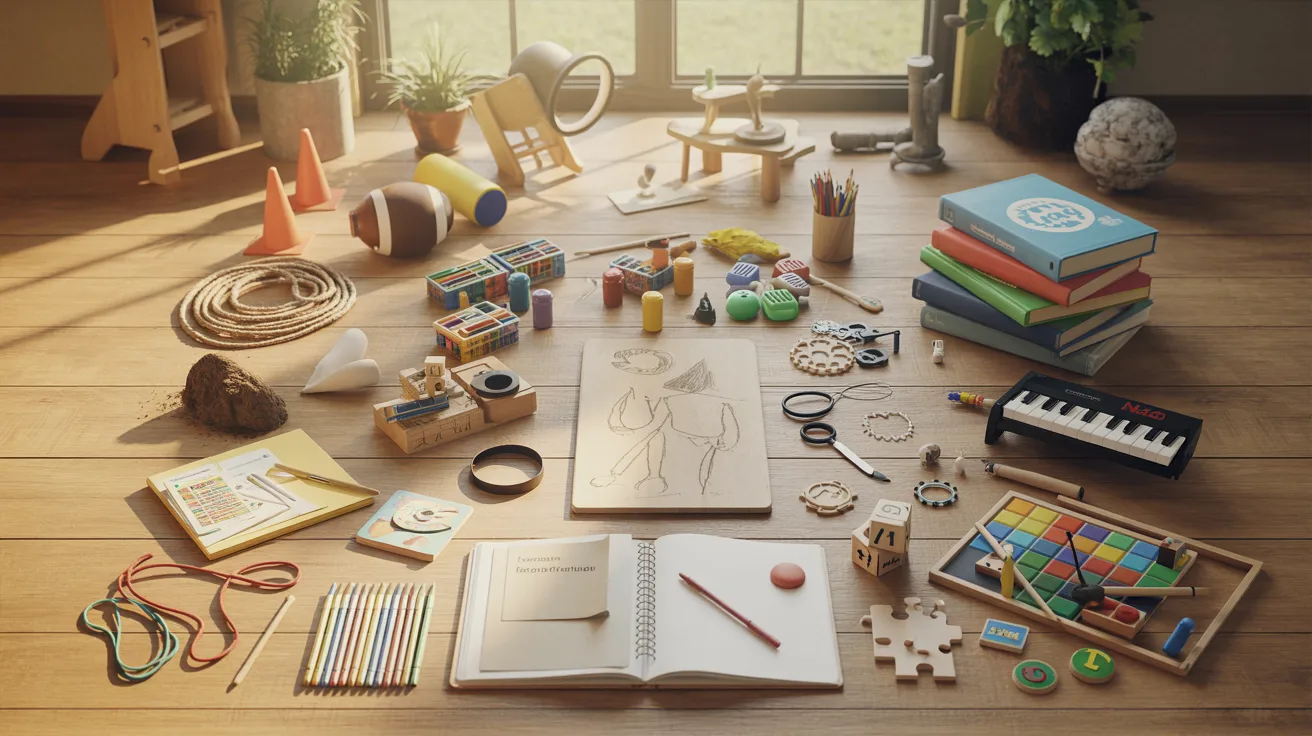
Enrichment activities are structured or guided experiences that go beyond regular school learning. They are designed to develop a child's broader abilities, not just their academic performance.
The difference between academic learning and enrichment learning is simple. School teaches content. Enrichment activities teach children how to think, create, communicate, and move through the world.
In modern education, this balance matters more than ever. Children are entering a world that values adaptability, creativity, and emotional intelligence alongside grades.
The benefits are wide-ranging. Enrichment builds cognitive growth through problem-solving, emotional intelligence through teamwork and self-expression, social skills through group activities, and physical health through movement and sport.
Creativity and confidence grow naturally when a child is given space to explore something they enjoy.
Parents play a key role here. The right activity chosen at the right time, based on a child's personality and readiness, makes all the difference between an experience that builds them up and one that burns them out.
25 Best Enrichment Activities for Kids (By Type and Interest)
These activities cover a wide range of interests and age groups. Whether your child is drawn to tech, art, sports, or storytelling, there's something here that will click with them.
1. Reading Clubs
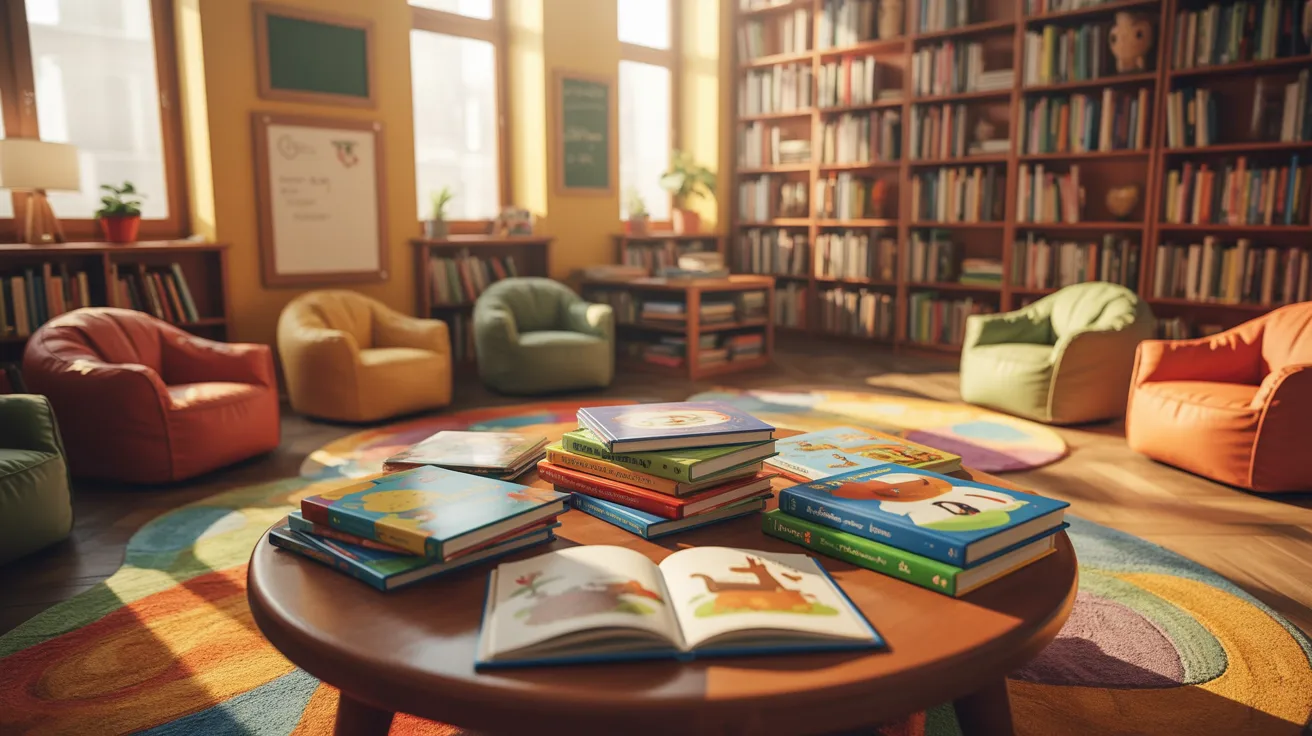
Reading clubs give kids more than books. They offer discussions, shared opinions, and the thrill of seeing others react to the same story differently.
Children develop vocabulary, empathy, and critical thinking through guided reading sessions. It's also a great social activity for kids who prefer quieter environments.
2. Puzzle Solving (Crosswords, Sudoku)
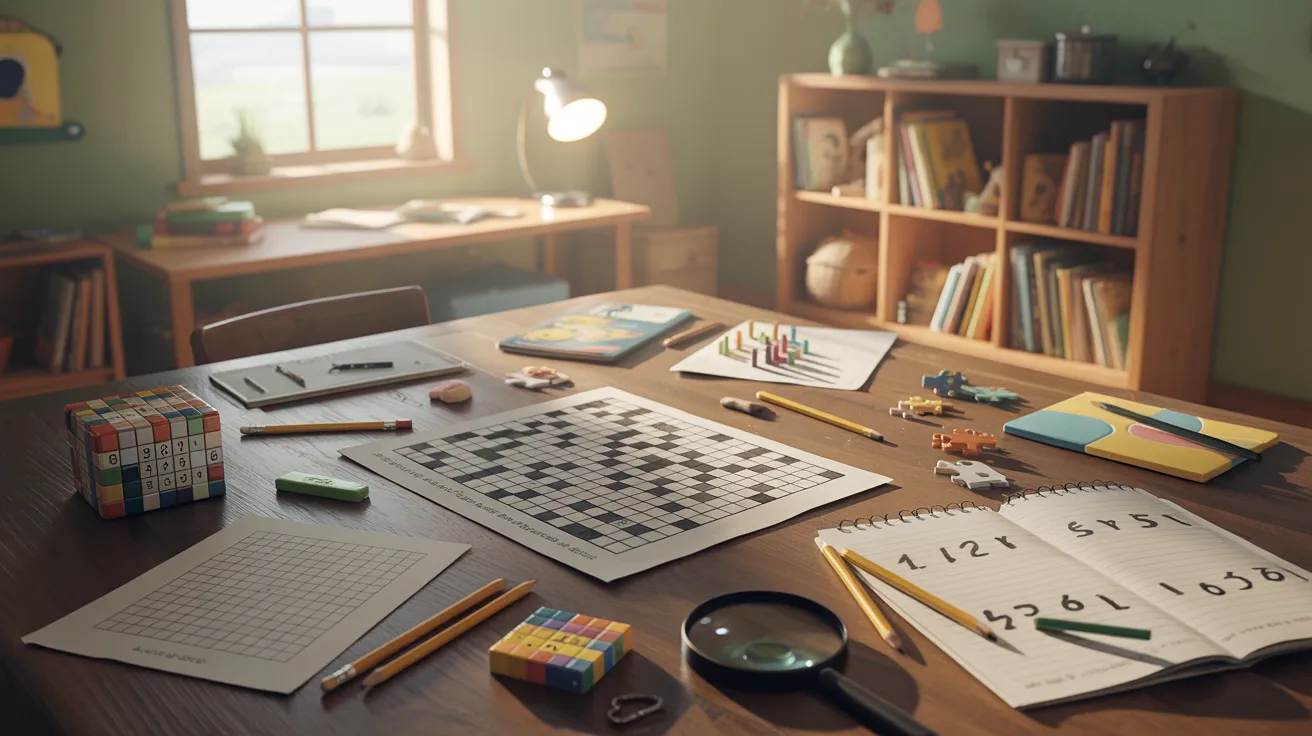
Puzzles train the brain to think logically and stay patient. Crosswords build vocabulary and general knowledge. Sudoku develops number reasoning and focus.
Both teach children to work through problems methodically rather than giving up when things get hard.
3. Educational Board Games

Board games like Scrabble, Settlers of Catan, or math-based games combine fun with real learning.
Kids develop strategic thinking, turn-taking, and number skills without feeling like they're studying. Playing as a family also adds a meaningful social layer to the activity.
4. Creative Writing and Journaling

Writing regularly helps children organise their thoughts and express feelings they often can't say out loud. Creative writing builds storytelling ability, grammar, and imagination.
Journaling adds self-reflection to the mix. Both are powerful tools for emotional growth alongside language development.
5. Math-Based Games
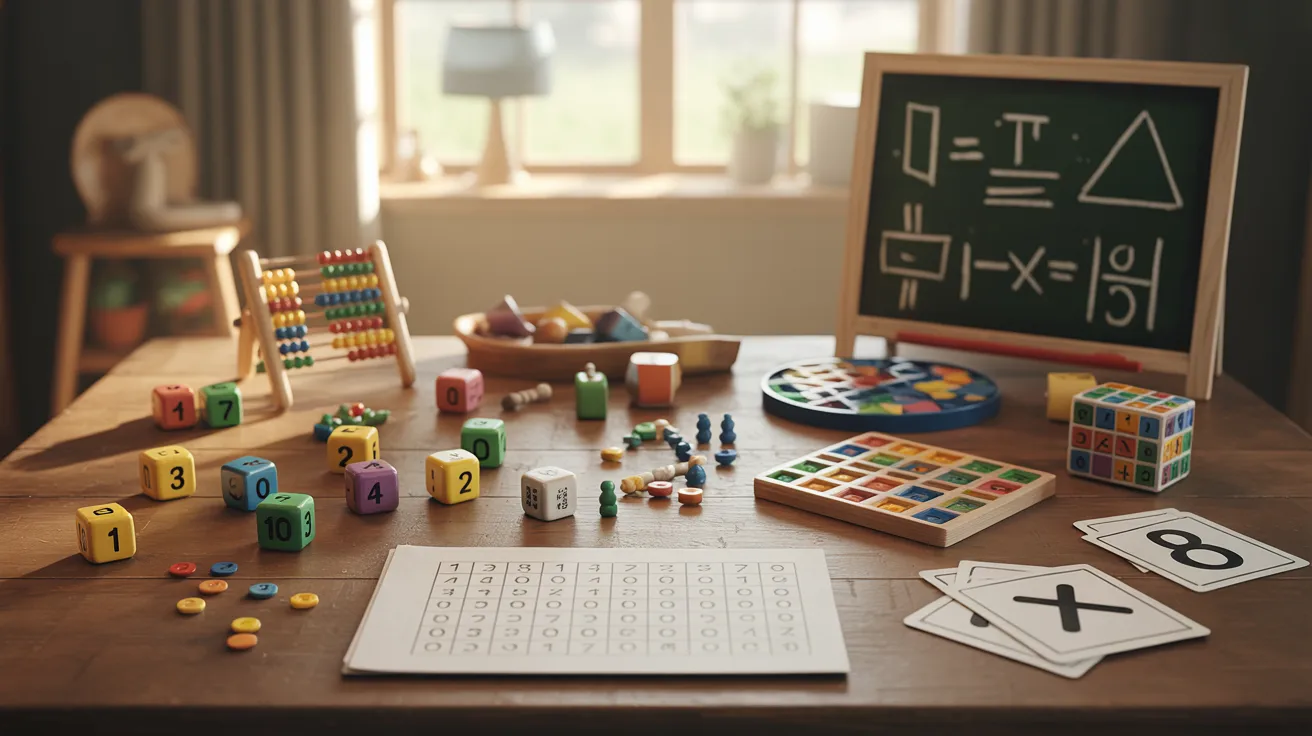
Games built around numbers make abstract concepts feel concrete and fun. From counting
games for younger kids to logic puzzles for older ones, math-based activities reduce fear around the subject and build genuine confidence.
Many children who struggle in classroom math thrive when it's presented as a challenge or game.
6. DIY Science Experiments

Home science experiments make curiosity hands-on. Baking soda volcanoes, growing crystals, or testing water filtration, these simple projects teach children the basics of hypothesis, observation, and result.
The excitement of seeing something happen because of what they did is one of the best learning triggers a child can experience.
7. Robotics Kits

Robotics kits combine building, coding, and creative design in one activity. Children assemble a model and then programme it to move or complete a task.
The process builds problem-solving skills and teaches kids that failure is just part of figuring something out. It's one of the most engaging STEM activities available for kids today.
8. Coding for Kids (Scratch, Blockly)

Platforms like Scratch and Blockly introduce coding through visual, game-like interfaces. Kids learn the logic behind instructions and sequences without needing to memorise complex syntax.
Even basic coding at a young age builds a structured, solution-focused way of thinking that applies well beyond technology.
9. Building with LEGO Engineering Sets

LEGO engineering sets go beyond play. Children follow instructions, solve structural problems, and test ideas with their hands.
It develops spatial reasoning, attention to detail, and perseverance. Kids who struggle to sit still in a classroom often find deep focus when building something physical with a clear goal.
10. Space Exploration Learning Kits

Space kits spark a natural curiosity that children already carry. They introduce concepts like planets, gravity, and the solar system through models, activities, and guided learning.
Children who engage with space-themed enrichment often develop a strong interest in science and a habit of asking big questions about the world around them.
11. Drawing and Painting

Art gives children a private language. They express emotions, ideas, and observations that they might struggle to put into words. Drawing builds fine motor skills in younger children.
Painting teaches colour, composition, and patience. Both encourage independent thought and a confidence in self-expression that carries into other areas of life.
12. Clay Modelling

Working with clay is tactile, creative, and genuinely therapeutic. Children build three-dimensional thinking as they shape objects with their hands.
It improves motor skills, spatial awareness, and imaginative play. Clay modelling is especially good for children who are hands-on learners and get restless with desk-based activities.
13. Music Lessons (Instrument or Vocals)
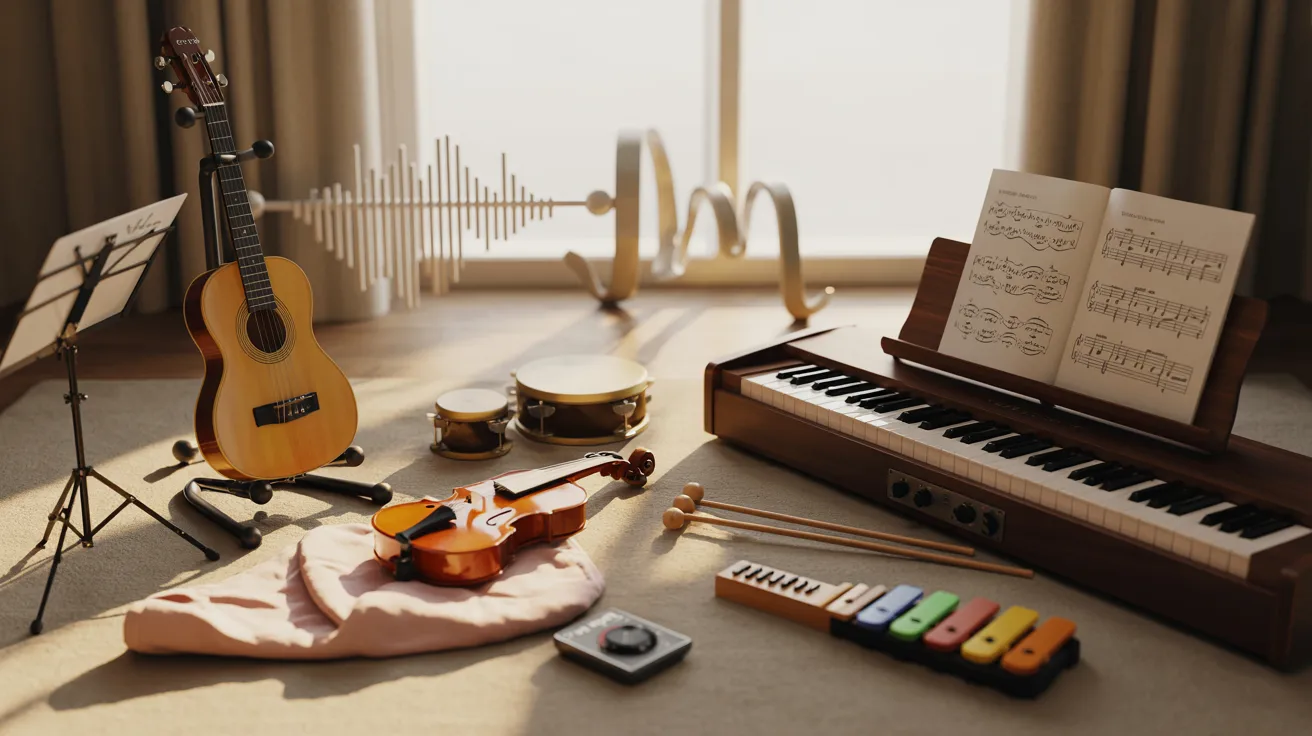
Learning an instrument or taking vocal lessons builds memory, discipline, and a relationship with creative expression that often lasts a lifetime. Research consistently links music education with stronger language and mathematical thinking.
Children who learn music also tend to develop better listening skills and a natural sense of timing and rhythm.
14. Drama and Role Play

Drama builds confidence in a direct and powerful way. Children learn to speak clearly, hold attention, and step into someone else's perspective.
Role play develops empathy and social understanding. For children who are naturally shy, theatre is often the activity that finally helps them open up and find their voice.
15. Dance Classes

Dance combines physical activity with self-expression and rhythm. It improves coordination, posture, and body confidence.
Children who dance regularly often become more comfortable in their own skin. Whether it's classical, folk, or contemporary, most dance styles also teach discipline, memorisation, and the ability to perform under pressure.
16. Swimming

Swimming is both a sport and a life skill. It builds full-body fitness, breath control, and mental focus.
Starting young makes it feel natural and removes the fear many adults carry around water. Swimming also teaches children to set personal goals and measure improvement against themselves rather than others.
17. Cycling
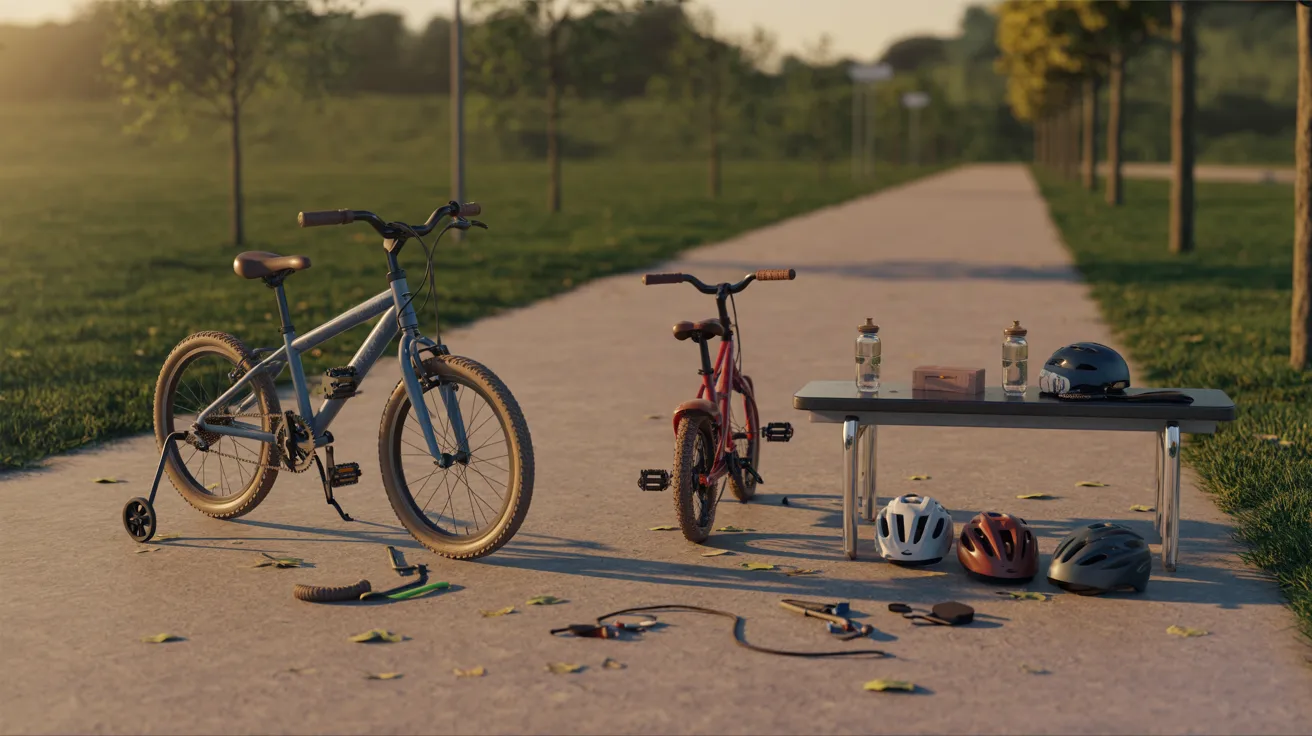
Cycling builds stamina, balance, and independence. It also gets children outdoors and away from screens in a way that feels like freedom rather than restriction.
Group cycling activities add a social element. Over time, cycling becomes a habit that supports physical and mental health well into adulthood.
18. Martial Arts

Martial arts teach self-discipline and respect before they teach any physical skill. Children learn to control their reactions, follow instructions, and stay calm under pressure.
The belt progression system gives them a clear sense of achievement over time. It's particularly effective for children who need structure and a visible path of progress.
19. Nature Walks and Scavenger Hunts

Outdoor exploration develops observation skills and a genuine connection to the natural world. Scavenger hunts add a goal-driven layer that keeps children engaged and curious.
Nature walks also offer a mental reset that quietens overstimulated minds. It's one of the simplest and most effective enrichment activities for kids of all ages.
20. Team Sports (Football, Basketball, Cricket)

Team sports build physical fitness and social intelligence at the same time. Children learn to communicate, trust teammates, manage frustration, and celebrate shared success.
The lessons learned on a sports field, about leadership, effort, and resilience, translate directly into how children handle challenges in every other area of life.
21. Cooking Simple Meals

Teaching children to cook builds independence, math skills, and a healthy relationship with food. Following a recipe requires reading comprehension, measurement, and sequencing.
Cooking together also creates space for meaningful conversations. Children who cook regularly tend to develop a confidence in practical tasks that goes well beyond the kitchen.
22. Gardening
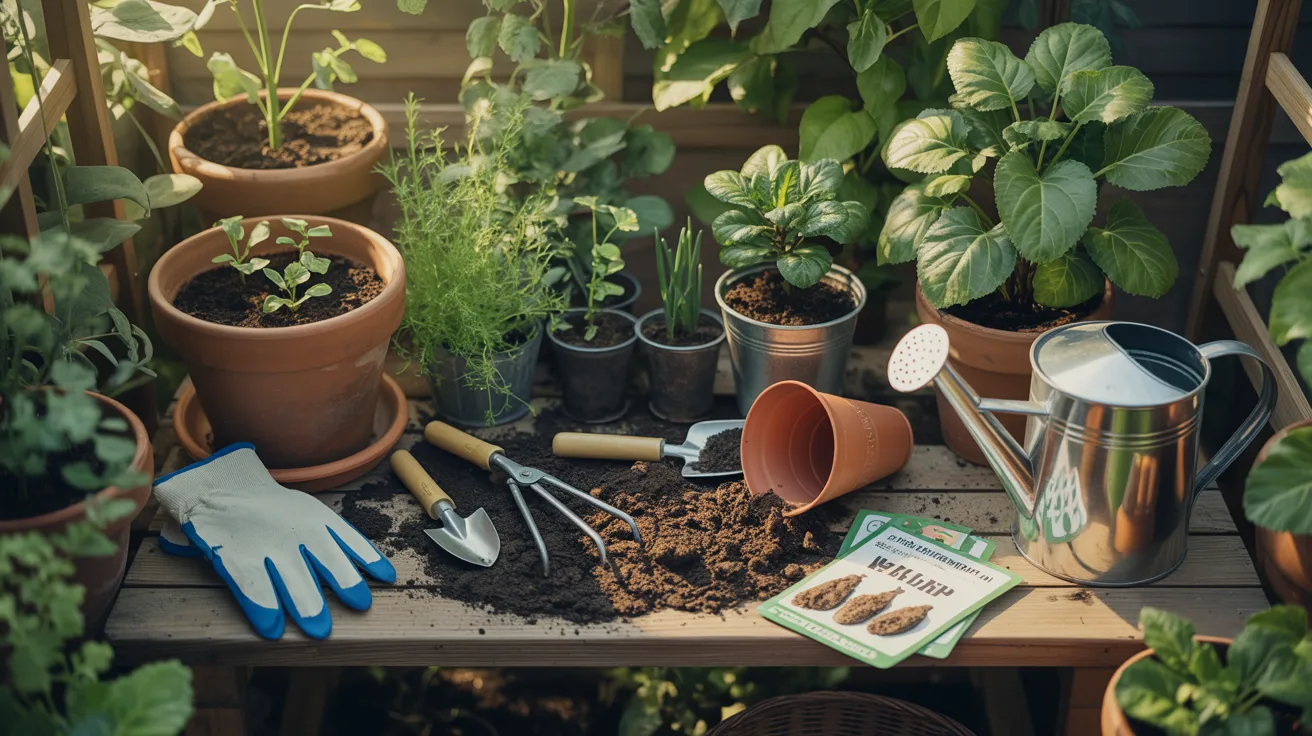
Gardening teaches patience, responsibility, and cause and effect. Children who tend to plants learn that consistent care produces results over time.
It also builds a connection to nature and an understanding of where food comes from. Gardening is a calming, grounding activity that works well as a balance to more high-energy pursuits.
23. Financial Literacy Games (Saving Jars, Mock Store Play)

Teaching children about money early removes the anxiety many adults feel around finances.
Saving jars, mock shopping games, and simple budgeting activities introduce concepts like earning, saving, and spending in ways children can actually understand and apply. Financial literacy is one of the most practical enrichment skills a child can develop.
24. Public Speaking Practice

The ability to speak clearly in front of others is a skill most adults wish they had developed earlier. Public speaking practice builds confidence, clarity, and the ability to think on your feet.
Even simple exercises like speaking about a favourite topic or reciting a short piece regularly makes a significant difference over time.
25. DIY Home Projects (Craft Building, Organising Tasks)

Involving children in simple home projects builds practical skills and a sense of contribution. Craft-building projects develop creativity and fine motor skills.
Organising tasks teach planning and follow-through. When children see that their work has a real outcome in their own home, it builds ownership and a quiet confidence in their own abilities.
How to Choose the Right Enrichment Activities for Your Child
Choosing the right enrichment activities for your child is not about picking the most popular option or the one that looks best on a school profile. It starts with watching your child and noticing what genuinely lights them up.
Here's what to factor in when making your decision:
- Consider their age group. Toddlers do best with sensory and creative play. School-age kids can handle more structured activities. Pre-teens benefit from skill-building and independence-focused options.
- Match the activity to their personality. An introverted child may love writing or chess. A high-energy child might need sport or dance to thrive.
- Balance fun and learning. If it feels like homework, they'll resist it. The best enrichment activities feel more like play than obligation.
- Avoid over-scheduling. Two or three activities at a time is plenty. A packed week leaves no room for rest, and rest is where children actually process what they've learned.
- Try before committing. Use trial classes whenever possible. Let your child's enthusiasm after the session guide your decision, not your own hopes for them.
The goal is a child who chooses to show up, not one who has to be reminded. That willingness is your clearest sign you've chosen well.
Tips to Make Enrichment Activities More Effective
Getting your child involved in enrichment activities is the first step. Making sure those activities actually build something meaningful takes a little more thought and consistency on your part.
Keep these tips in mind as you support your child through their activities:
- Keep it fun, not stressful. The moment an activity starts feeling like a burden, it loses its power to develop anything.
- Mix indoor and outdoor activities. A balance of both keeps things fresh and covers a wider range of developmental benefits.
- Rotate activities if needed. Boredom kills motivation. If something stops exciting your child, it's okay to swap it for something new.
- Encourage consistency over perfection. Showing up regularly and trying honestly matters more than being the best in the room.
- Join in occasionally. When children see their parents participate, even clumsily, they feel more at ease and more motivated to keep going.
The parents who see the biggest results are not the ones who signed their kids up for the most activities. They're the ones who stayed curious, stayed flexible, and stayed involved without taking over.
Conclusion
The right enrichment activities for kids don't just fill their time. They shape who they become. You've seen 25 options across every interest and age group. Now it's time to act.
Pick one. Try it this week. Watch what happens.
Children reveal themselves through what they love doing. Your job is to pay attention and keep the door open.
So which activity are you starting with? Or has your child been asking for something specific? Drop it in the comments.
Let's figure out the best next step together.
Frequently Asked Questions
What Are Enrichment Activities for Kids?
Enrichment activities are experiences beyond regular academics that develop creativity, critical thinking, social skills, and physical ability. They are designed to support the whole child, not just their performance in school.
Why Are Enrichment Activities Important for Children?
They build cognitive growth, emotional intelligence, physical health, and social skills that academic learning alone cannot provide. Children who participate regularly tend to be more confident and better equipped for real-world challenges.
How Many Enrichment Activities Should a Child Do?
Two to three activities at a time is generally the right balance. The exact number depends on the child's age, energy levels, and how much time they have outside school commitments.
What Are the Best Enrichment Activities at Home?
Reading, puzzles, DIY science experiments, cooking, journaling, and educational games are all excellent home-based options. They require minimal resources and can be adapted easily to suit different ages and interests.
At What Age Should Enrichment Activities Start?
Children can begin simple sensory and creative play as early as age three. Structured enrichment activities become more effective around age five or six when attention spans and motor skills are developed enough to engage meaningfully.