
Feeling stressed about things you can't change? You're not alone. Many students worry about things outside their hands.
This guide covers what the Circle of Control is, how it works, and three simple activities to use in class or counseling sessions.
We'll also walk through tips for counselors, common mistakes to avoid, and how this idea helps students feel calmer and more focused.
With over a decade working in student support, I've seen this tool make a real difference.
Understanding the Circle of Control Concept
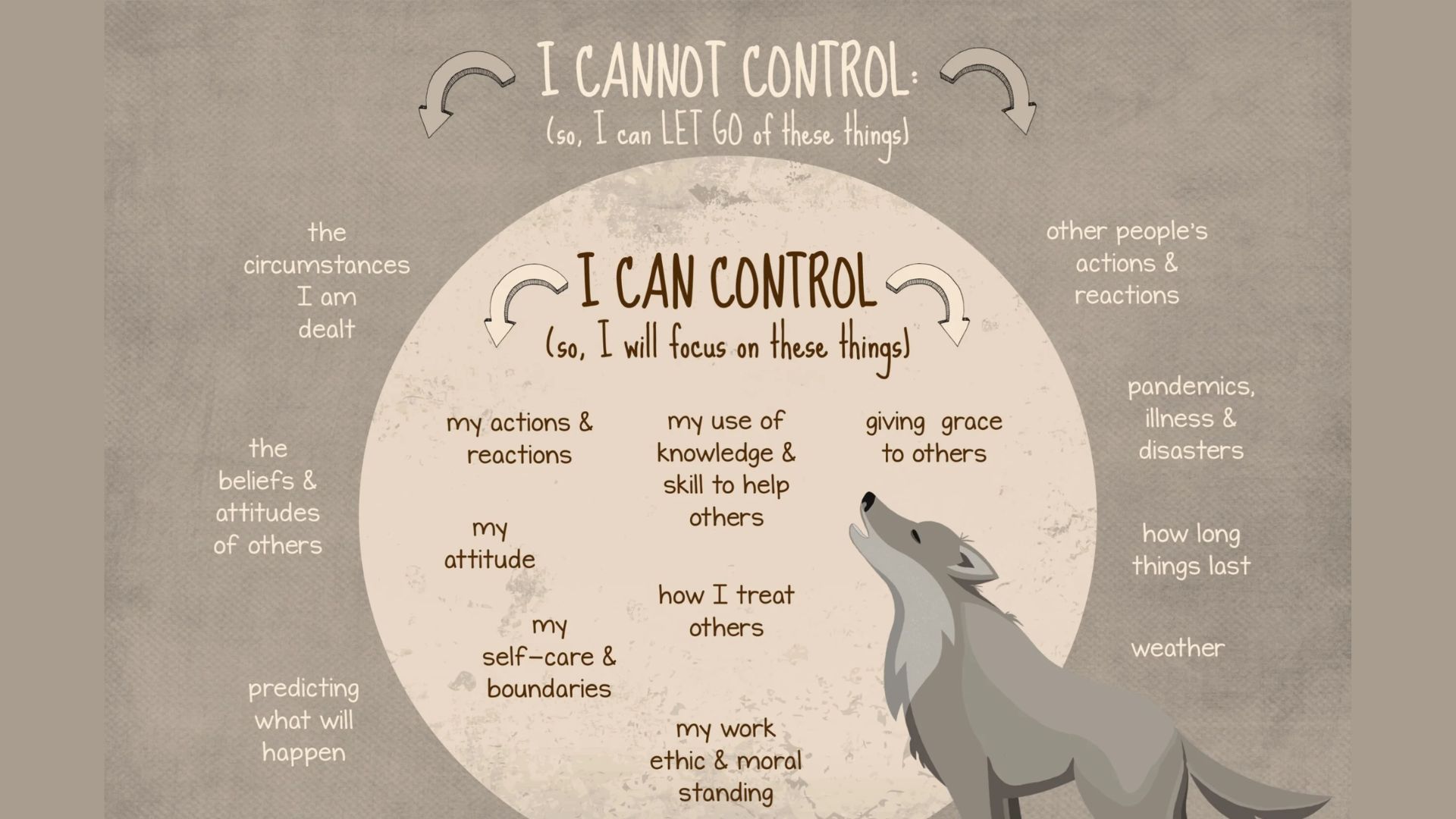
The Circle of Control helps students sort their worries into two groups: what they can control and what they cannot.
Things like study habits, daily routines, and how they react to problems fall inside the circle. Things like other people's opinions, school rules, and the weather fall outside it.
Once students see this difference, they stop wasting energy on things they can't change.
Stephen Covey first introduced this idea in The 7 Habits of Highly Effective People. Teachers and counselors later turned it into a simple visual tool for students of all ages.
Over time, this builds emotional regulation. Students calm down faster, make better choices, and feel more in control of their lives.
Benefits of Circle of Control Activities
These activities offer more than just a calming exercise. They build skills students use long after the session ends.
Reduces Anxiety and Overthinking
A lot of student anxiety comes from focusing on things that are out of their hands. They worry about what classmates think, whether they'll make the team, or what might happen at home.
When students practice sorting their worries, they start to notice a pattern. Most of what they fear falls outside their control. Recognizing this takes away some of that fear. It doesn't solve the problem, but it stops the spiral.
Improves Decision-Making Skills
Once students understand what they can control, they start making better decisions. They shift from reacting to planning.
Instead of "I can't do anything about this," they think, "Here's what I can do." That shift is powerful. It turns helpless feelings into action.
Builds Self-Awareness and Responsibility
These activities push students to look inward. They think about their own behavior, choices, and habits. This builds self-awareness, which is one of the most important skills a young person can develop.
With self-awareness comes responsibility. Students start to own their actions instead of blaming others for how they feel.
Circle of Control Activity 1: Sorting Control vs No Control
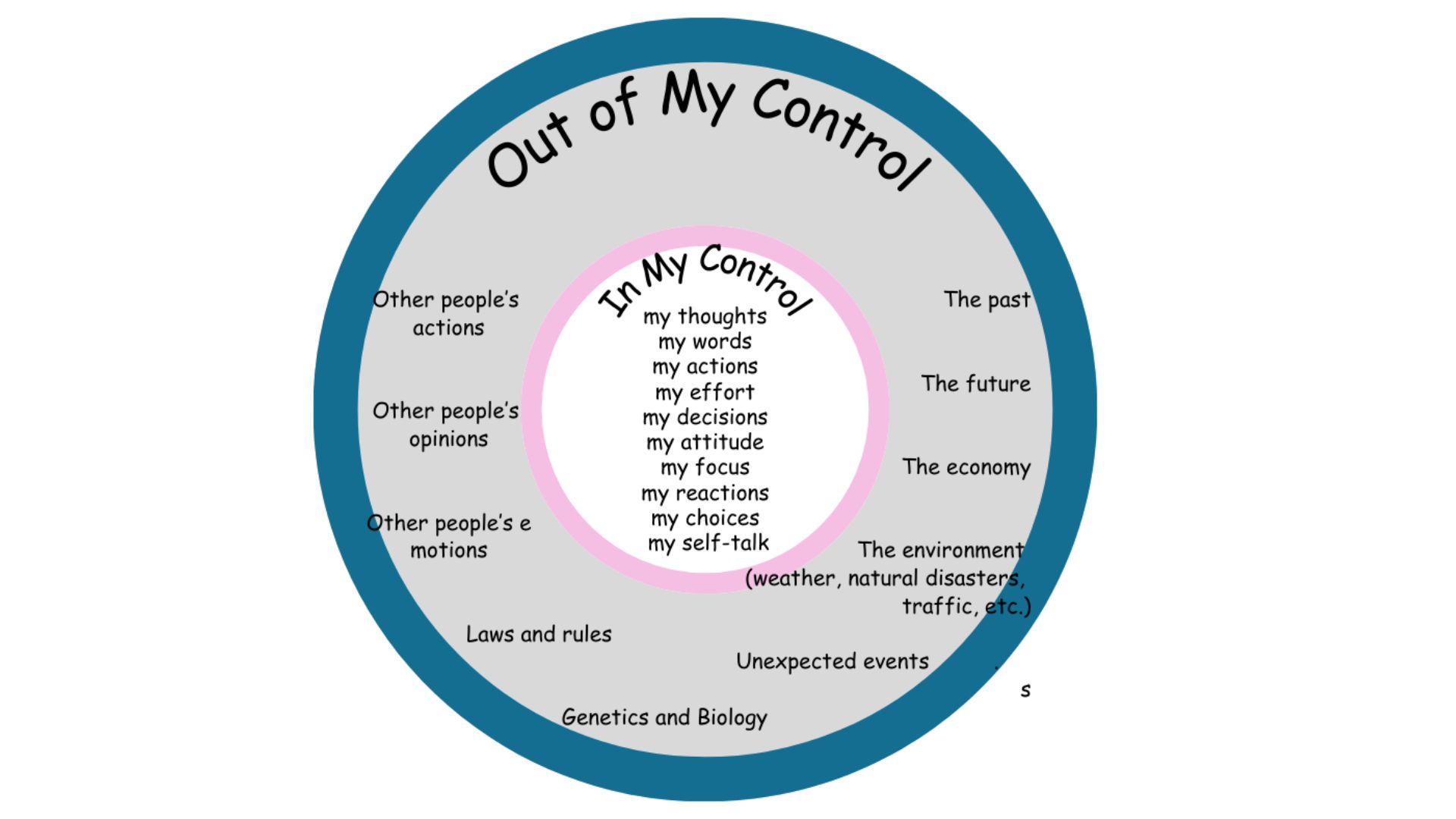
What you need: A whiteboard, markers, and scenario cards.
Draw two circles on the board. Label them "In My Control" and "Not in My Control." Hand out scenario cards. Students sort each one into the right circle. Review together and discuss why some were tricky.
Use examples like:
- "A classmate says something mean." → Not in My Control
- "I forgot to study." → In My Control
- "It rains on the field trip." → Not in My Control
- "I choose how I respond when angry." → In My Control
Close with reflection questions: What was hard to sort? What can you do about what you control?
Circle of Control Activity 2: Movement-Based Circle Exercise
Alt text:Students standing and moving between two circles marked on a classroom floor while a teacher guides an interactive activity
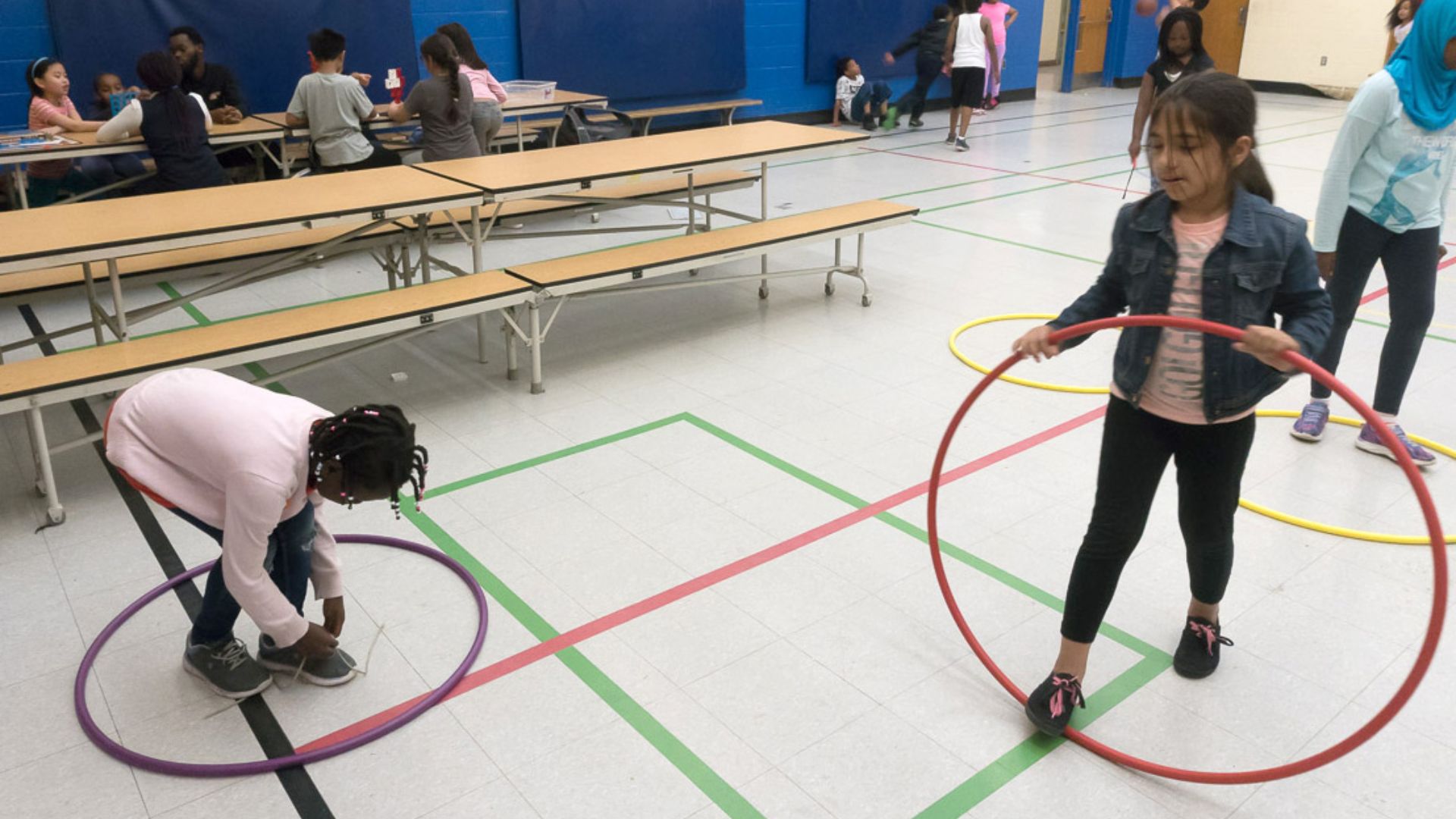
What you need: An open space and tape or chalk.
Mark two circles on the floor. Label the inner one "In My Control" and the outer one "Not in My Control." Read a scenario out loud. Students move to the circle they think fits. Ask a few to explain why. No wrong answers here.
This gets students moving, talking, and realizing others share the same worries.
Circle of Control Activity 3: Real-Life Problem Solving

Ask students to write down three things bothering them right now. Give private writing time first. Then have them draw two circles and sort each worry.
For everything in the "In My Control" circle, they write one small action step.
For example:Worry: "I keep forgetting homework." Action: "I'll set a reminder at 7 PM."
Small and specific works best. This turns worry into a plan.
Tips for Counselors and Teachers
Running these activities well takes a little planning. Here are practical tips that make a real difference.
- Use simple language like "things I can change" and "things I can't change" for younger students.
- Reinforce the idea regularly through morning meetings, check-ins, or a quick reminder during stressful moments.
- Print worksheets students can take home and revisit when they feel overwhelmed.
- Post a Circle of Control poster in your room so students can reference it anytime.
- Model real-life examples from your own day to show students this concept applies to everyone.
Common Mistakes to Avoid
Even well-planned activities can fall flat. Watch for these patterns.
Expecting Immediate Understanding
Some students will get it right away. Others will need time, repetition, and different explanations. That's completely normal.
Don't assume silence means understanding. Check in individually. Ask students to put the idea in their own words before moving on.
Ignoring Emotional Responses
Some students may bring up deeply personal worries during these activities. They might cry, shut down, or act out.
Don't rush past those moments. Acknowledge the feeling first. Emotional safety comes before the lesson content. If a student is clearly distressed, pause the activity and check in privately.
Not Connecting to Real-Life Situations
Using only made-up or generic scenarios can make the activity feel disconnected. Students may learn the concept in the room but not apply it outside of it.
Bring in real examples from school life, current events, or things students have mentioned before. The more relevant the situations, the more the idea sticks.
Conclusion
I've seen students walk into sessions carrying so much weight. After doing the Circle of Control activity, something shifts.
It's not magic, but it works. When a student realizes they don't have to fix everything, just the things within reach, that's real relief.
If you're a counselor or teacher, try one of these activities this week. If you're a student, grab a piece of paper and draw those two circles right now.
Did this help you? Leave a comment below, share this post with a teacher or parent, or check out our other social-emotional learning resources.
Frequently Asked Questions
What age group is the Circle of Control activity best suited for?
The Circle of Control works best for students in grades 3 through 10. It can be simplified for younger children or made more layered for middle and high school students, depending on the language and examples used.
How long does a Circle of Control activity take to run?
Most activities take between 20 and 45 minutes. Shorter versions with fewer scenarios can fit into a 15-minute check-in. Deeper reflection and discussion sessions may take a full class period.
Can the Circle of Control activity be done individually or only in groups?
It works well both ways. Group activities build shared understanding and peer connection. Individual versions are better for students who are dealing with personal or sensitive topics and need privacy.
How often should students practice the Circle of Control concept?
Regular practice makes the biggest difference. Introducing it once a month keeps it fresh. Brief reminders during stressful moments, like before exams or after conflicts, help students apply it when it counts most.
What should a counselor do if a student becomes emotional during the activity?
Pause the activity and give the student space. Acknowledge their feelings without rushing them to refocus. Follow up privately after the session. The goal is always student wellbeing first, and the lesson can wait.