
Hearing I hate you from your teenager can feel crushing. But what if those harsh words don’t mean what you think they do?
In this article, I’ll explain why teenagers hate their parents and what’s really happening beneath that anger.
We’ll cover the common reasons teens lash out, what they’re actually feeling, and how you can respond without damaging your relationship.
As a parent who’s weathered these storms, I know how deeply these words cut. But understanding the root causes changes everything.
You’ll learn practical ways to rebuild connection and trust, even when things feel broken.
Why Do Teenagers Hate Their Parents?

Teens rarely hate their parents in the true sense. What looks like hate is usually anger, frustration, or emotional overwhelm they don’t know how to express differently.
When teens say I hate you, they’re often saying I’m hurt, I feel controlled, or you’re not listening to me. Their brains are still developing, especially the parts that manage emotions.
So they default to extreme language. Most teens don’t actually hate their parents. They hate the situation. They hate feeling unheard.
Adolescence brings massive changes. Teenagers crave independence and form their own identities. Your teen isn’t trying to hurt you. They’re figuring out who they are.
Common Reasons Teenagers Feel Angry Toward Their Parents
Teens push back against parents for specific reasons, often rooted in how they’re being treated or how rules are enforced.
Feeling Constantly Pressured to Reach Their Potential

Your teen hears what you’re not saying: You’re not good enough yet. When every conversation centers on grades, achievements, or college, they start to believe your love comes with conditions.
Constant pressure creates anxiety. They begin to resent the expectation to be perfect. Some teens rebel by doing the opposite of what you want.
Others internalize the pressure and burn out. Your teen needs to know you value them for who they are, not just what they accomplish.
Excessive Criticism, Nagging, and Comparison
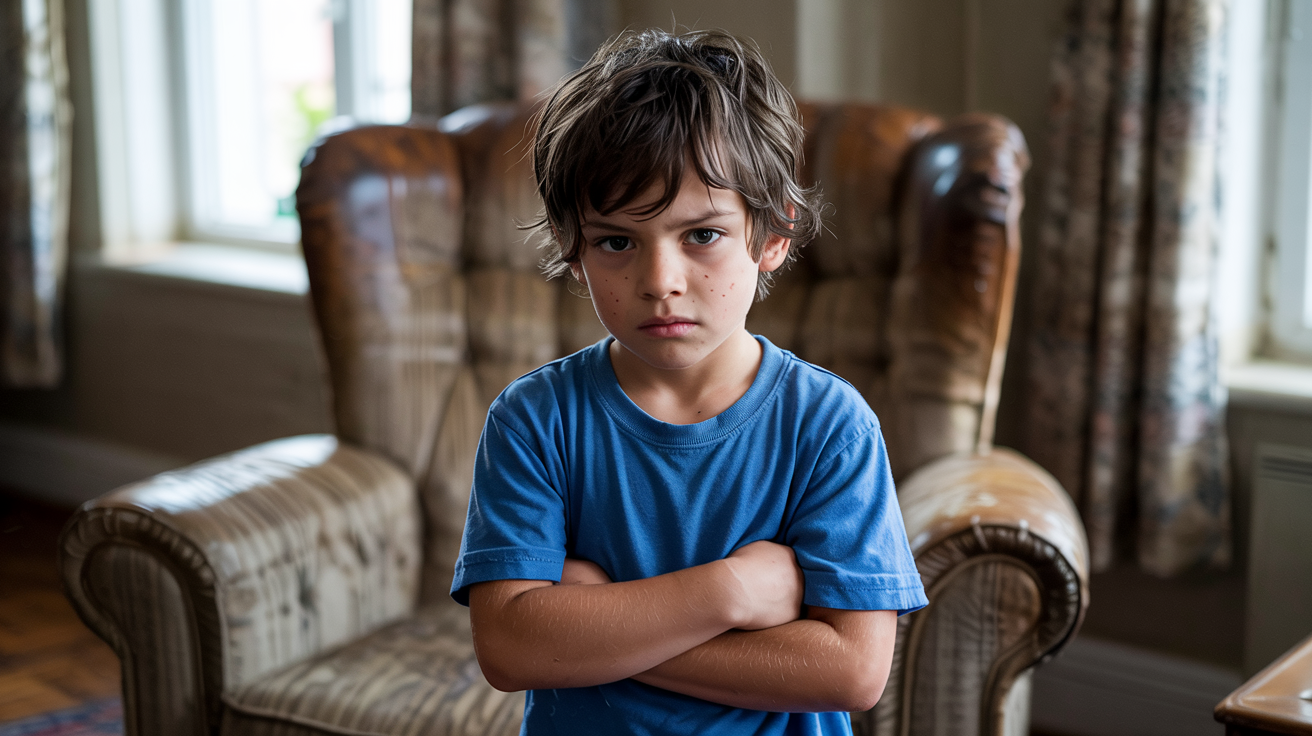
Being compared to siblings, classmates, or even your younger self damages your teen’s self-worth. When parents point out flaws more than strengths, teens stop sharing.
They withdraw emotionally to protect themselves. Constant nagging makes them tune you out completely.
Criticism that focuses on character You’re lazy hurts more than feedback about behavior Leaving dishes out creates extra work. Your teen already has an inner critic. They don’t need yours to make it louder.
Feeling Unheard or Emotionally Ignored

Teens know when you’re half-listening while scrolling your phone.
When parents dismiss their concerns or cut them off mid-sentence, it communicates: Your feelings don’t matter.
Being ignored creates anger. Your teen may escalate their behavior or language just to get a reaction from you. Emotional connection requires presence. When teens feel heard, they’re less likely to resort to hostility.
Parents Minimizing or Invalidating Teen Emotions

You’re overreacting. It’s not that big of a deal. You’ll get over it. These phrases tell your teen their feelings are wrong. But feelings aren’t right or wrong.
They just are. When you minimize their emotions, you’re teaching them not to trust their own experiences. Invalidation creates distance.
Your teen learns not to come to you with problems because you won’t take them seriously. Acknowledging emotions doesn’t mean agreeing with behavior.
Rules Matter More Than the Relationship

Strict rules without connection feel like control, not care. When teens feel like their parents care more about obedience than understanding them, resentment builds.
Rules enforced without explanation or flexibility make them feel like they’re living under a dictator. Clear boundaries are important.
But when you lead with rules instead of relationships, your teen stops trusting your intentions. Connection comes first. Cooperation follows.
What Teenagers Are Really Feeling Beneath the Anger
The anger you see on the surface rarely tells the whole story. Understanding what’s underneath helps you respond with more empathy. Your teen is juggling more than you might realize.
School pressure. Social drama. Body changes. Future anxiety. When everything feels like too much, anger becomes their release valve.
Teenagers need to make their own choices. When parents control everything, teens feel suffocated. The anger comes when they feel you don’t trust them.
Being monitored constantly sends a message: I don’t think you can handle this. Micromanagement creates the very behavior you’re trying to prevent.
How Parents Should Respond When Teens Say “I Hate You”

This advice centers on something crucial: staying emotionally regulated when your teen is dysregulated.
The hardest part is that moment when “I hate you” lands – it triggers defensiveness and the impulse to lash out or lecture.
But your reaction in that split second determines whether the door stays open or slams shut.
The point about not rushing to fix the problem resonates. Teens aren’t looking for solutions when they’re heated – they’re looking to be taken seriously.
Just reflecting back what you hear does more than jumping into problem-solving mode.
One addition: apologizing when you actually mess up matters more than many parents realize. Not over-apologetic, but straightforward: “I shouldn’t have said that, I’m sorry.
” It models accountability and builds respect.The distinction between normal conflict and serious warning signs is important too.
Knowing the difference – persistent patterns versus occasional blowups – helps parents respond proportionally instead of dismissing or overreacting.
Tips for Parents to Rebuild Connection With Their Teen
Repairing a strained relationship takes intention, but small consistent changes make a real difference over time.
- Put your phone away. Make eye contact. Don’t defend yourself before they finish. Your teen will share more when they don’t fear judgment.
- Say “That sounds really hard” before offering solutions. Teens calm down faster when they feel understood.
- Give teens some say in rules. Explain why limits exist instead of saying “Because I said so.”
- Spend time doing things they enjoy. Have conversations that aren’t about school or chores.
- Own your mistakes without making excuses. Apologizing doesn’t weaken your authority. It strengthens respect.
Conclusion
Hearing your teenager say they hate you hurts. But now you understand why teenagers hate their parents and what those words really mean.
It’s not about true hatred. It’s about feeling overwhelmed, unheard, or controlled. I’ve been there with my own kids, sitting with the sting of those words.
What helped was stepping back and seeing the hurt beneath their anger. You can rebuild connection by listening without fixing, validating their feelings, and choosing relationships over being right.
Start small today. Have one conversation where you just listen. You might be surprised how quickly things shift. Have you dealt with this with your teen? Share your experience in the comments below.
Frequently Asked Questions
Is it normal for teenagers to say they hate their parents?
Yes, it’s common during adolescence. Teens use extreme language when they feel frustrated or misunderstood. Most don’t mean it literally and feel differently once emotions settle.
How should I respond when my teen says “I hate you”?
Stay calm and don’t take it personally. Acknowledge their anger without reacting defensively. Say something like “I hear that you’re really upset. Let’s talk when we’re both calmer.”
Do teenagers actually hate their parents or is it just anger?
It’s usually anger, not genuine hatred. Research shows most teens feel close to their parents despite conflicts. The harsh words reflect temporary emotions, not their true feelings about the relationship.
What are the main reasons teenagers get angry at their parents?
Common triggers include feeling controlled, not being heard, excessive criticism, constant pressure to succeed, and having emotions dismissed. Teens also struggle with the normal push for independence during adolescence.
When should I seek professional help for parent-teen conflict?
Seek help if your teen shows signs of depression, self-harm, substance use, or if conflict becomes verbally or physically abusive. Persistent communication breakdown or complete withdrawal also warrants professional support.