
Watching your child struggle emotionally is hard. I’ve seen parents worry when their little ones push them away or seem distant.
In this article, I’ll walk you through nine signs of unhealthy child attachment and what they mean. You’ll learn how to spot these patterns early, why they happen, and what you can do to help.
Trust forms the foundation of every parent-child relationship. When that bond feels shaky, it affects everything from sleep to behavior.
The good news? With the right support, you can rebuild that connection. I’ve worked with families facing these challenges, and I’ve seen real progress happen.
What Is Unhealthy Child Attachment?
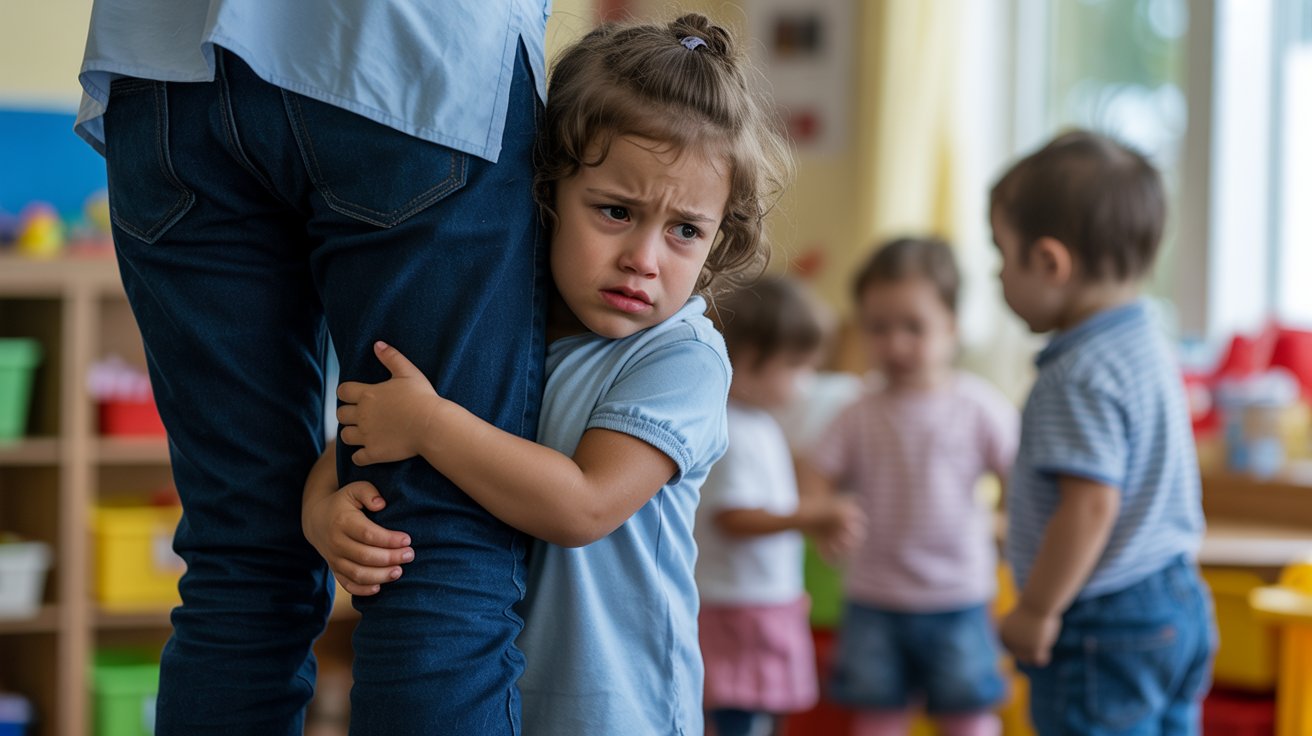
When emotional bonds between parent and child become strained, it affects how kids feel safe and secure.
Unhealthy attachment happens when a child doesn’t form a secure bond with their caregiver. With healthy attachment, kids feel safe and know their parents will respond.
With unhealthy patterns, the child might avoid closeness or cling too tightly out of fear. They don’t trust that comfort will be there.
These patterns affect friendships, school performance, and emotional health. The sooner you spot the signs, the sooner you can help.
Top 9 Signs of Unhealthy Child Attachment
These warning signs show when a child’s emotional bond needs attention, from avoiding comfort to struggling with daily routines.
1. Avoiding Comfort From Parents or Caregivers
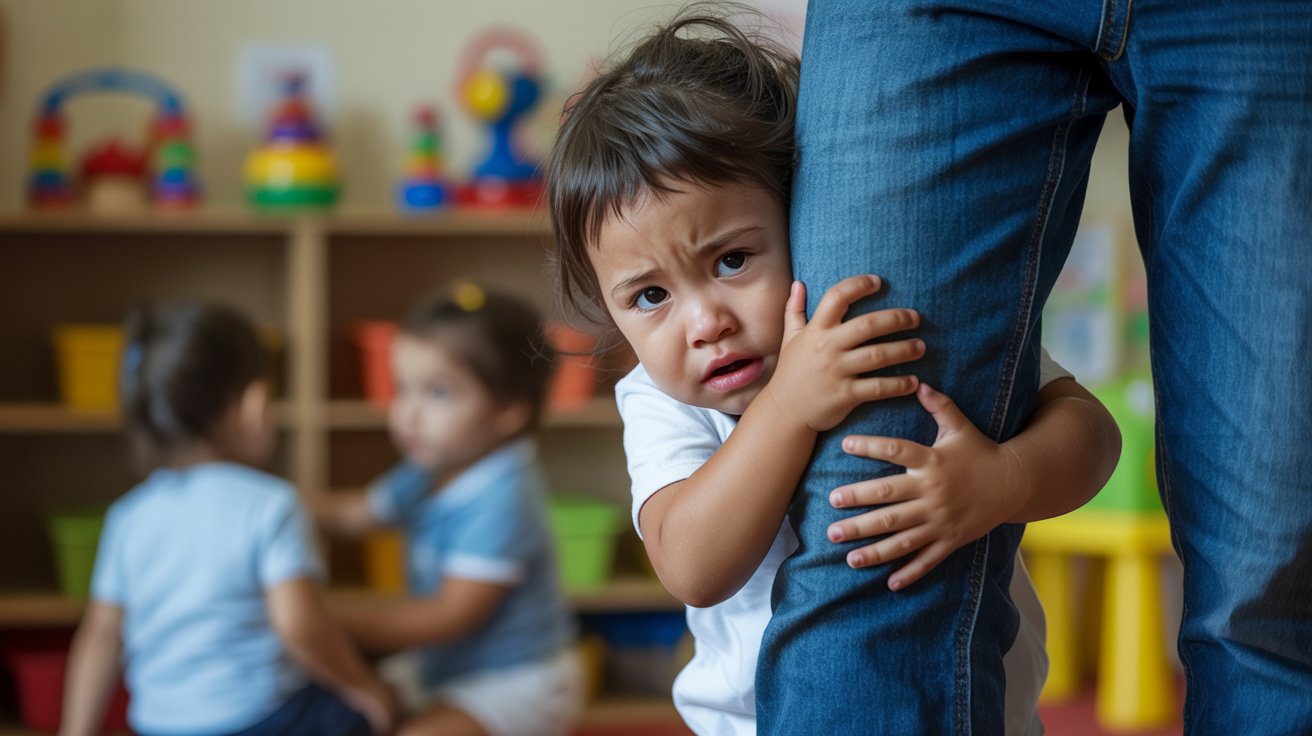
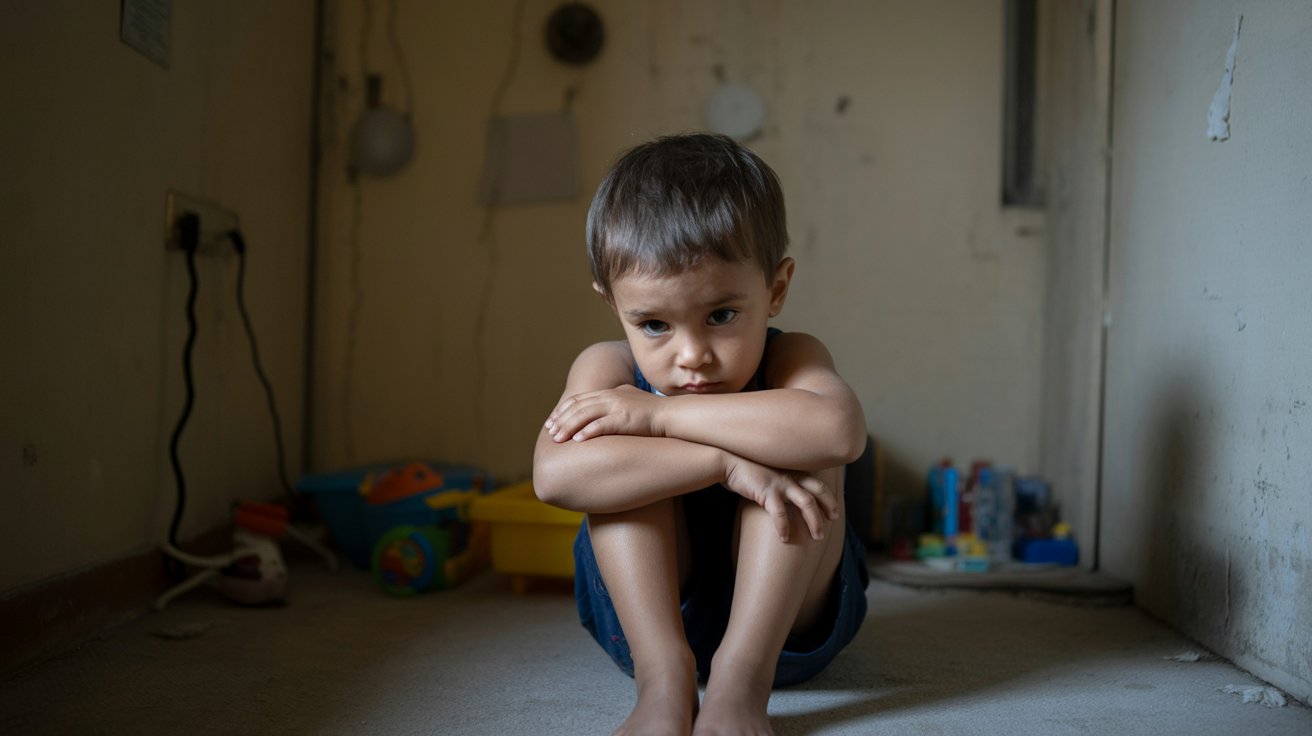
Some kids pull away when you try to hug them. They don’t want to be held when they’re upset. This resistance to comfort is one of the clearest signs of unhealthy child attachment.
I’ve watched toddlers stiffen up when parents reach for them. Preschoolers might turn their backs during difficult moments. This isn’t about being independent.
It’s about not trusting that comfort will help. Your child should want you close when they’re scared or hurt. If they consistently refuse that connection, something’s blocking the bond.
2. Extreme Clinginess or Separation Anxiety
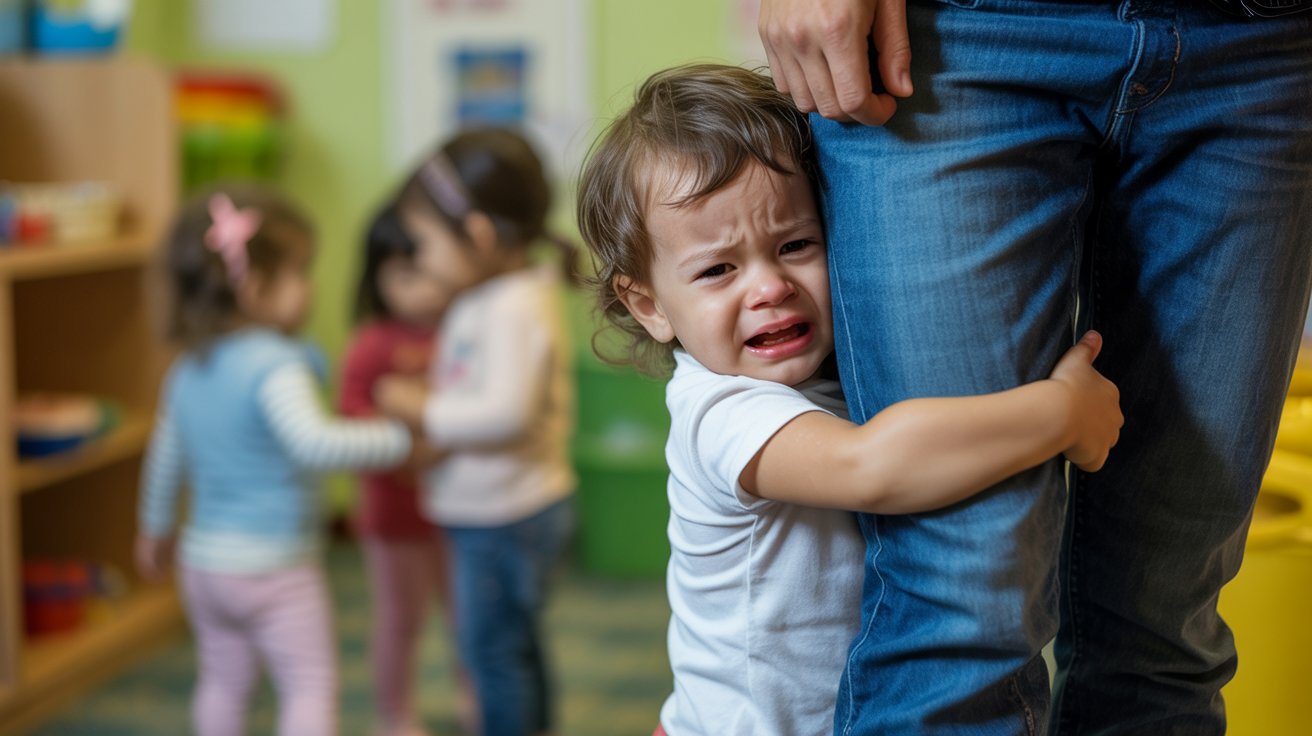
On the flip side, some children panic when you leave the room. They follow you everywhere. Even short separations cause major meltdowns.
All toddlers go through some separation anxiety. That’s normal. But signs of unhealthy child attachment in toddlers include extreme distress that doesn’t improve over time.
Your child might scream for hours when you’re gone. They can’t calm down or adjust.
This level of anxiety shows they don’t feel secure enough to let you go. They’re constantly worried you won’t come back.
3. Lack of Eye Contact or Emotional Engagement

Watch how your child interacts with you. Do they make eye contact? Do they smile back when you smile? Do they respond when you talk to them?
Kids with attachment issues often seem disconnected. They don’t engage emotionally. Their faces stay blank even during play. They rarely look at you directly.
This limited interaction makes it hard to build a relationship. Your child isn’t picking up on your emotional cues. They’re not learning how to express their own feelings.
4. Overfriendliness With Strangers

Some children will go to anyone. They don’t seem to prefer their parents over strangers. They might leave with someone they just met without looking back.
This isn’t about being social or outgoing. It’s about not having a secure base. Kids should show some caution around new people. They should look to their parents for reassurance in new situations.
When they’re too willing to trust strangers, it signals insecure attachment. They haven’t learned who their safe people are.
5. Emotional Outbursts or Aggression
Frequent tantrums happen with all kids. But watch the pattern. Does your child have trouble calming down? Do small frustrations lead to big meltdowns?
Kids with attachment issues struggle to regulate emotions. They might hit, bite, or throw things regularly. They defy you at every turn. This behavior comes from not feeling emotionally safe.
They haven’t learned healthy ways to express anger or disappointment. They’re acting out the chaos they feel inside.
6. Withdrawal or Emotional Numbness
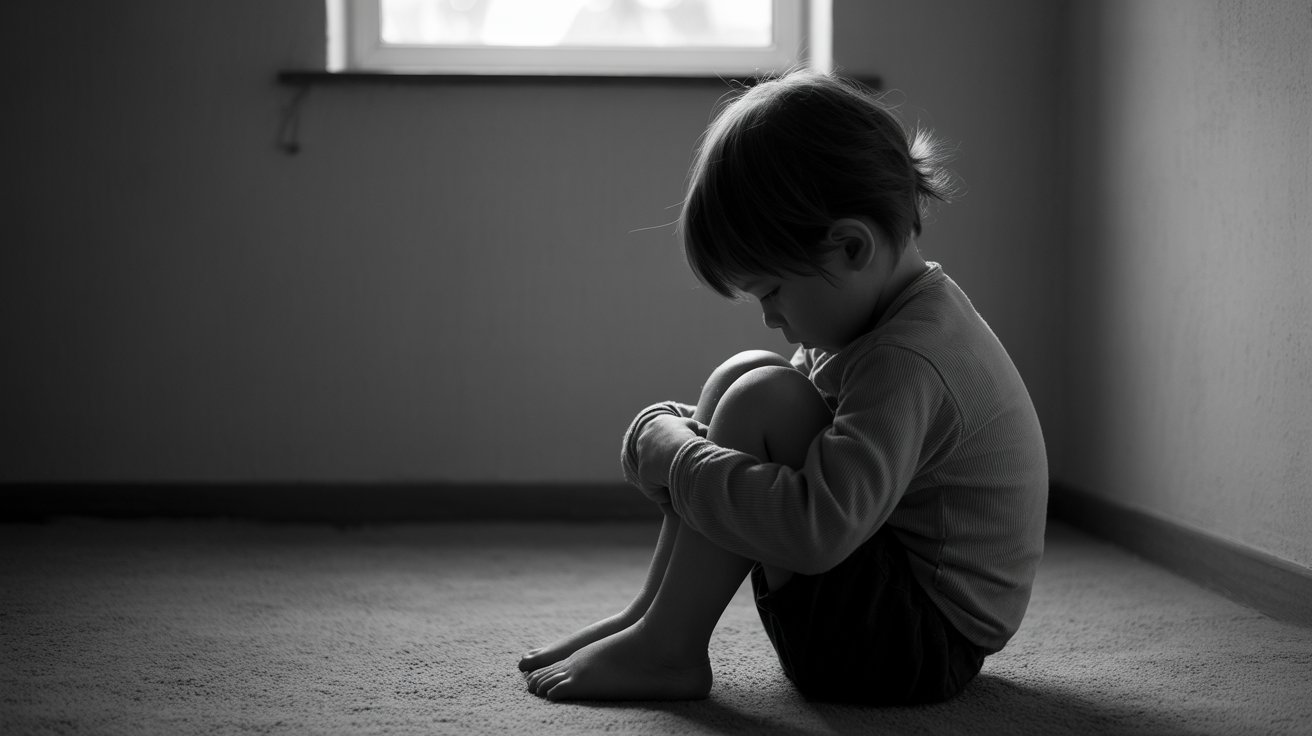
Some children seem flat. They don’t show much joy. New toys don’t excite them. They don’t laugh during games. They seem emotionally shut down.
This withdrawal is particularly concerning as one of the signs of unhealthy child attachment in babies. Infants should light up when they see you. They should cook and babble.
They should reach for you. When they don’t, it means they’ve stopped trying to connect. This emotional numbness protects them from further disappointment.
7. Difficulty Trusting Adults
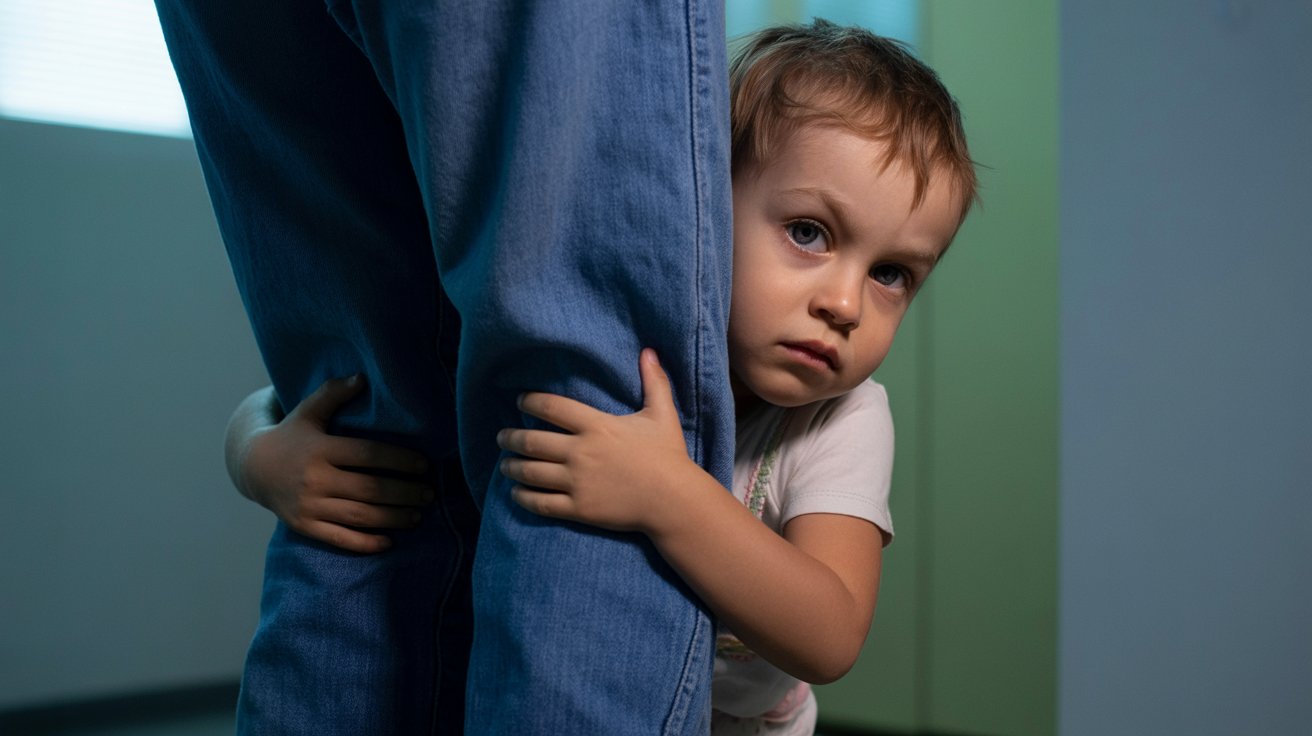
Your child might reject help even when they need it. They act overly independent for their age. Or they seem suspicious of adults trying to guide them.
This behavior looks like defiance. But it’s really about trust. They don’t believe adults will help them. They’ve learned to rely only on themselves.
They might refuse reassurance when scared. They won’t ask for help with tasks. They keep everyone at arm’s length.
8. Delayed Social and Emotional Development
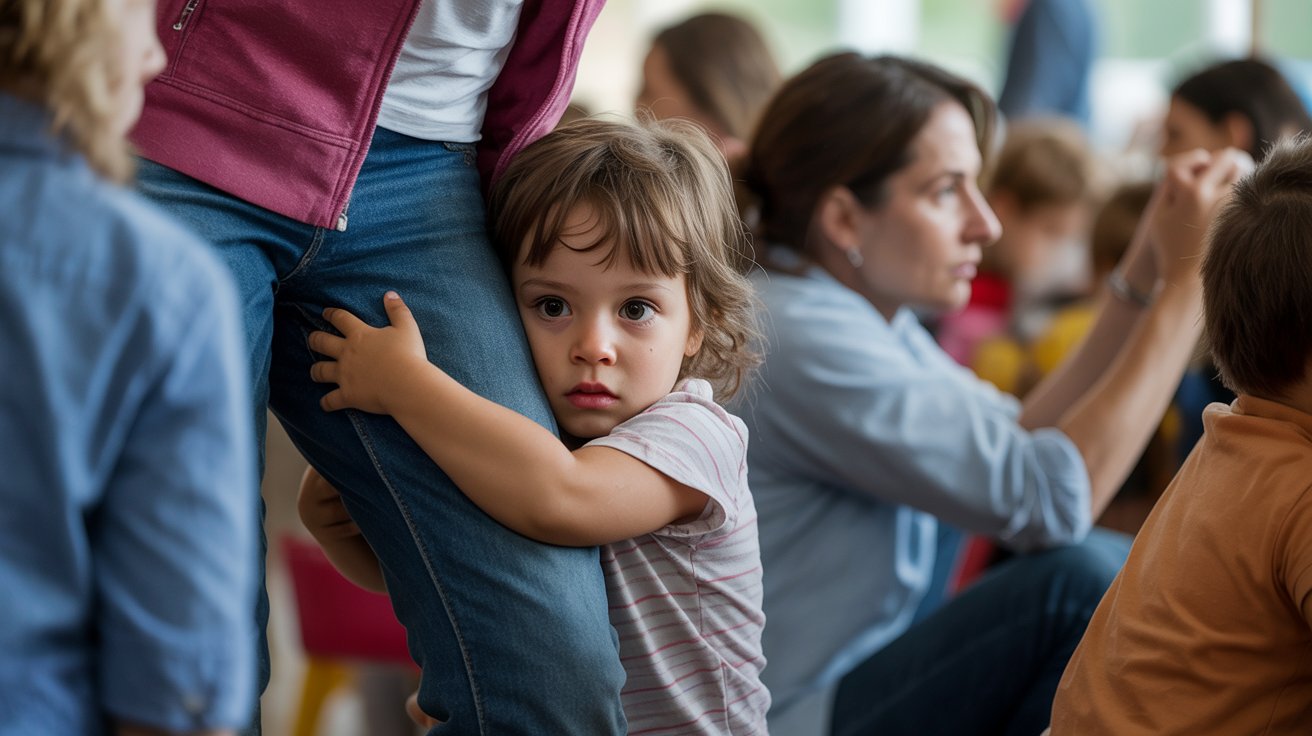
Check how your child interacts with other kids. Do they share? Do they show empathy when a friend is sad? Can they take turns?
Attachment issues often show up in peer relationships. Your child might struggle to make friends. They don’t understand social cues. They have trouble reading other people’s feelings.
These delays can affect them long-term. Social skills build on early attachment bonds. When those bonds are shaky, everything else suffers.
9. Feeding, Sleeping, or Self-Soothing Challenges
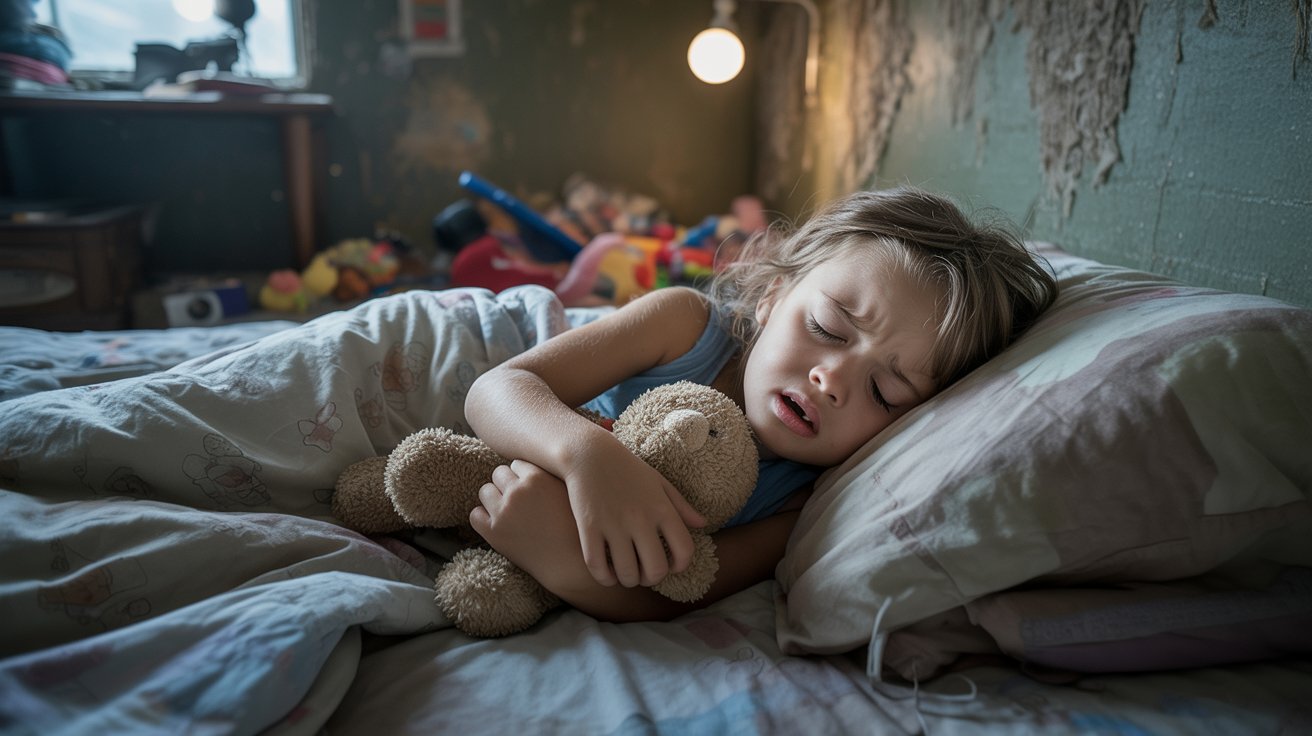
Daily routines tell you a lot. Does your child have trouble falling asleep? Do they wake up constantly? Are they extremely picky about food?
Infants and toddlers with attachment issues often can’t self-soothe. They don’t have internal tools to calm themselves. This makes bedtime a battle. It makes mealtimes stressful.
These practical struggles reflect deeper emotional needs. Your child doesn’t feel secure enough to relax and eat or sleep peacefully.
Tips to Support Your Child’s Emotional Bonding
The good news is attachment can improve. With effort and consistency, you can help your child feel secure.
Here’s what works:
- Consistently respond to your child’s needs. When they cry, go to them. Your reliable presence teaches them they can count on you.
- Engage in play therapy and bonding activities. Get on the floor with them. Follow their lead. Building blocks, reading books, or rolling a ball build connection.
- Use calm, reassuring communication. Keep your voice gentle. Name your child’s feelings. “You seem frustrated” helps them learn emotional language.
- Establish routines to build trust. Kids feel secure when they know what’s coming next. Regular meal times and bedtimes show life is stable.
- Encourage safe exploration while staying available. Let your child play independently, but stay nearby. Be their secure base. They’ll venture further as they feel more secure.
Conclusion
Spotting signs of unhealthy child attachment early gives you the power to help your child heal. I know how scary these patterns can feel.
But I’ve also seen families rebuild those bonds through patience and support. Your child needs to know you’re there, consistently and lovingly. Start small.
One responsive moment at a time builds trust. If you’re struggling, reach out to a therapist who specializes in attachment.
What’s one way you can connect more deeply with your child today? Share your thoughts in the comments below, and let’s support each other in this parenting challenge.
Frequently Asked Questions
What are the main signs of unhealthy child attachment?
The main signs include avoiding comfort, extreme clinginess, lack of eye contact, being overly friendly with strangers, emotional outbursts, withdrawal, difficulty trusting adults, and sleep or eating problems.
Can unhealthy attachment be reversed?
Yes, attachment patterns can improve with consistent, responsive caregiving. Professional therapy helps many families rebuild secure bonds, especially when started early.
At what age do attachment problems usually show up?
Attachment issues can appear in infancy but often become noticeable in toddler years. Some signs show up as early as 6-12 months, while others become clear around ages 2-4.
How is unhealthy attachment different from normal developmental phases?
Normal phases happen occasionally and improve with time. Unhealthy attachment involves persistent, extreme behaviors that don’t get better.
Should I see a professional about my child’s attachment concerns?
If you notice several warning signs lasting more than a few months, or if behavior significantly affects daily life, consult a child psychologist or therapist.