
I know you want to shower your baby with love. Can parents kiss their newborn? It’s a question I hear all the time from new moms and dads. You want to bond with your little one, but you also want to keep them safe.
I’m here to help you understand the risks and safe ways to show affection. In this article, we’ll cover when kissing is risky, which spots are safer than others.
what doctors say, and how to protect your baby while still giving them all the love they need. As a parent myself, I’ve been right where you are. Trust me you’ll have clear answers by the end.
Why Parents Ask: Is It Safe to Kiss a Newborn?
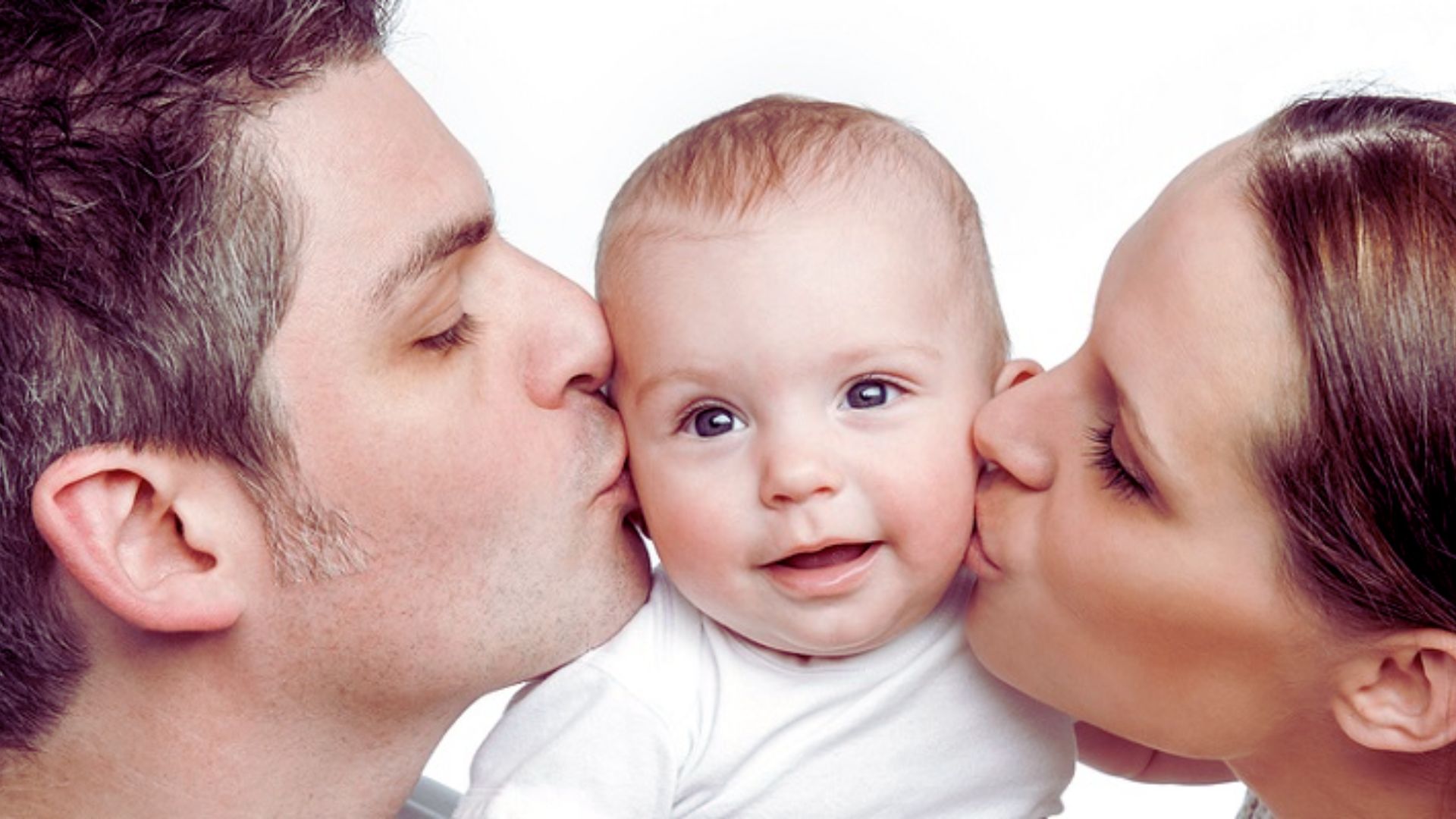
Every new parent wrestles with this question because the stakes feel so high.
You’re not alone in asking this question. Every new parent feels torn between their natural desire to kiss their baby and the fear of making them sick. Your instincts are telling you to be careful, and that’s a good thing.
The truth is, your concern comes from a real place. Newborns are fragile. Their bodies are still learning how to fight off germs. You might wonder if your kiss could pass along something harmful. These worries are normal and actually show how much you care.
Understanding Newborn Immune System Development
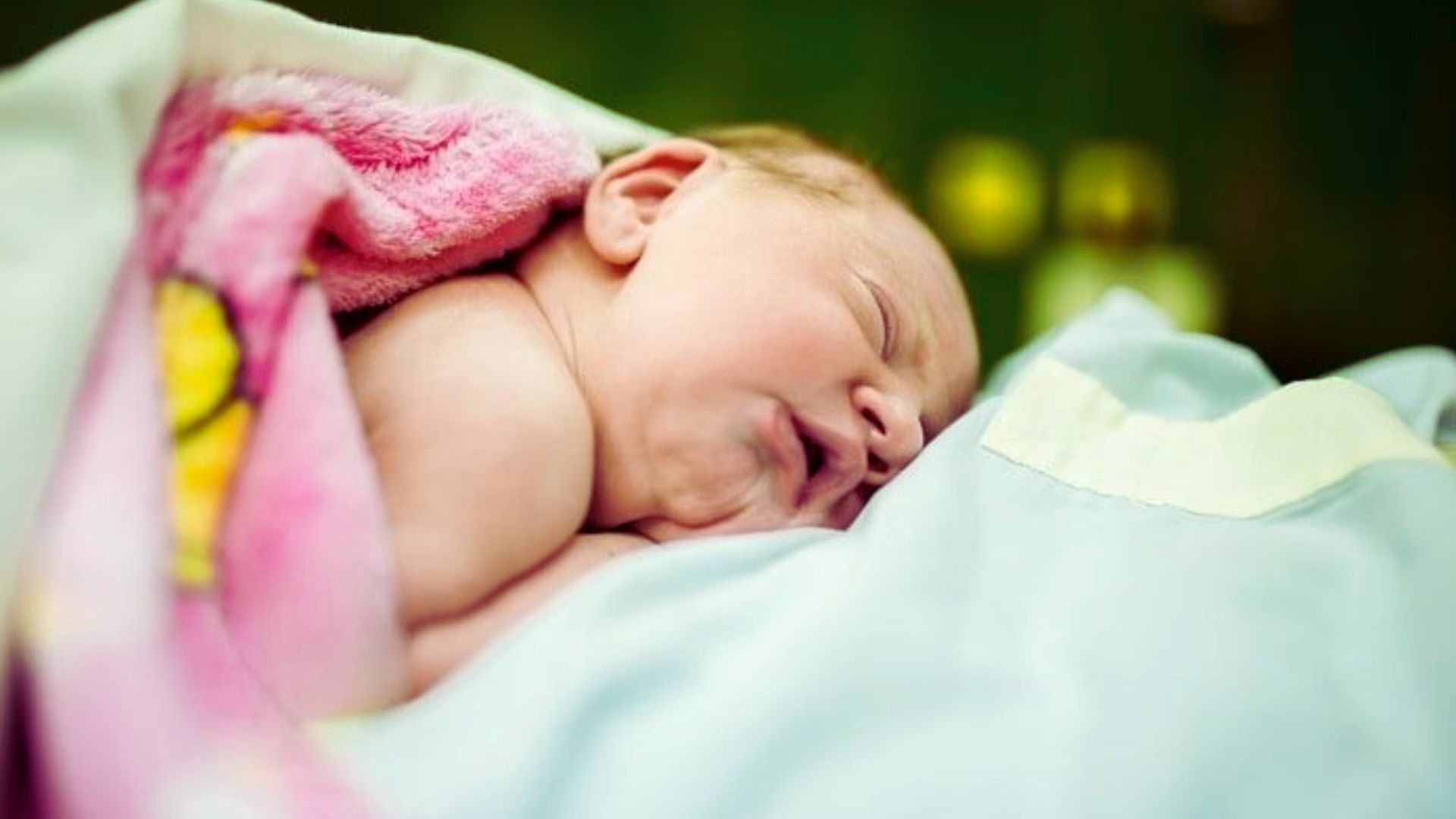
Your baby’s immune system is brand new. It’s not ready to handle the germs that adults deal with every day. When babies are born, they have some protection from antibodies you passed to them during pregnancy. But this protection is limited.
During the first few months, your baby’s immune system is still developing. White blood cells are learning how to identify and fight infections. This process takes time. By around six months, babies start building stronger defenses. But in those early weeks, they’re quite vulnerable.
This is why doctors are so cautious about newborn exposure to germs. A simple cold for you could become serious for your baby. Their tiny bodies just aren’t equipped to handle infections the way older children and adults can.
Cultural and Emotional Perspectives on Kissing Newborns
Love and tradition don’t have to conflict with medical safety.
Kissing as a Form of Bonding Across Cultures
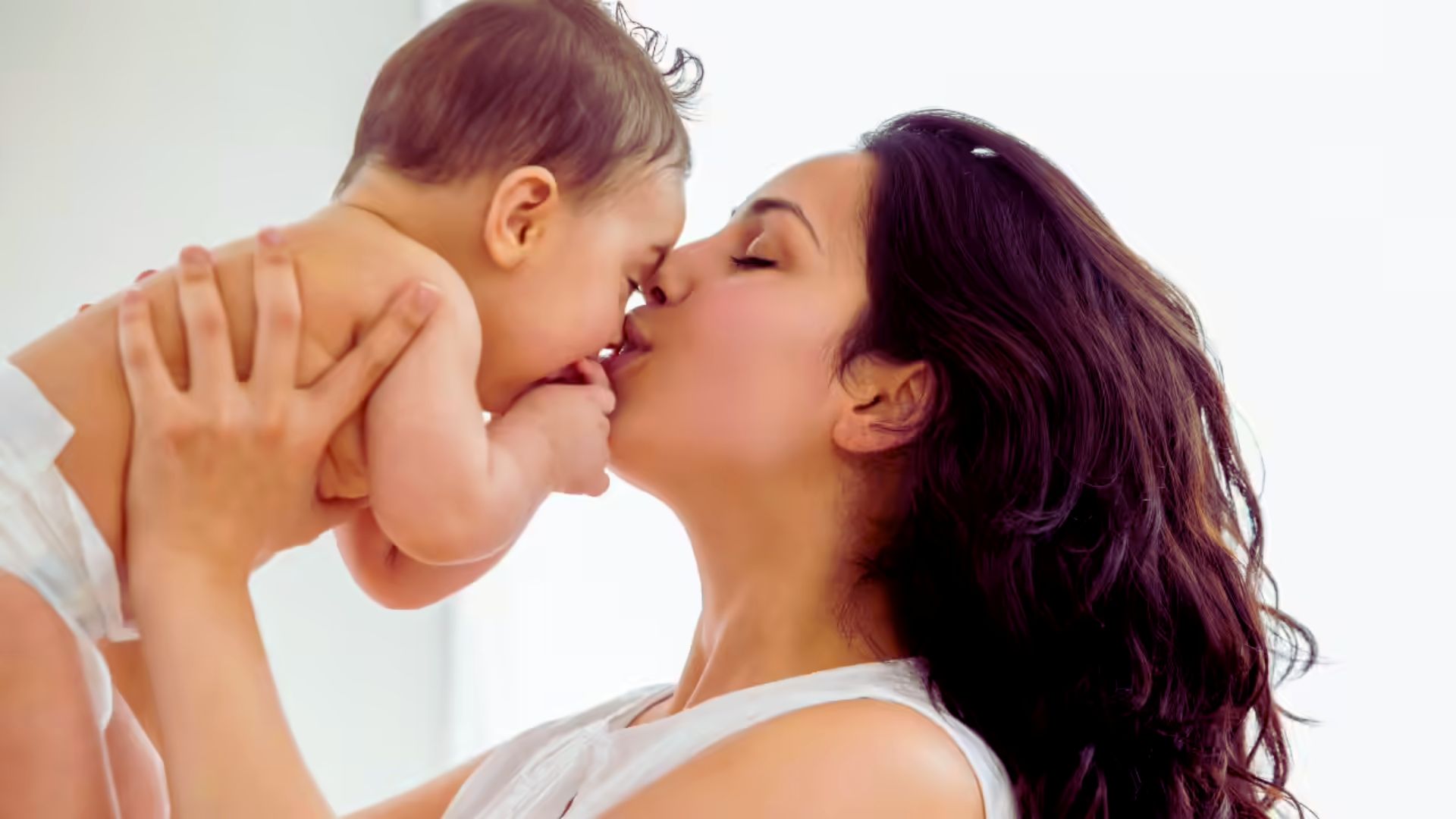
In many cultures, kissing a newborn is how families welcome the baby and express love. Mediterranean, Middle Eastern, and Latin American families often greet babies with kisses as a sign of affection and acceptance.
Some cultures see kissing as a way to bless the baby or offer protection. These practices have deep meaning and connect generations. Grandparents especially may feel that withholding kisses breaks from important traditions.
The emotional connection between parent and baby strengthens through physical affection. Kissing releases oxytocin in both you and your baby. This hormone helps with bonding and reduces stress. The feelings are real and important.
Balancing Tradition With Medical Guidance
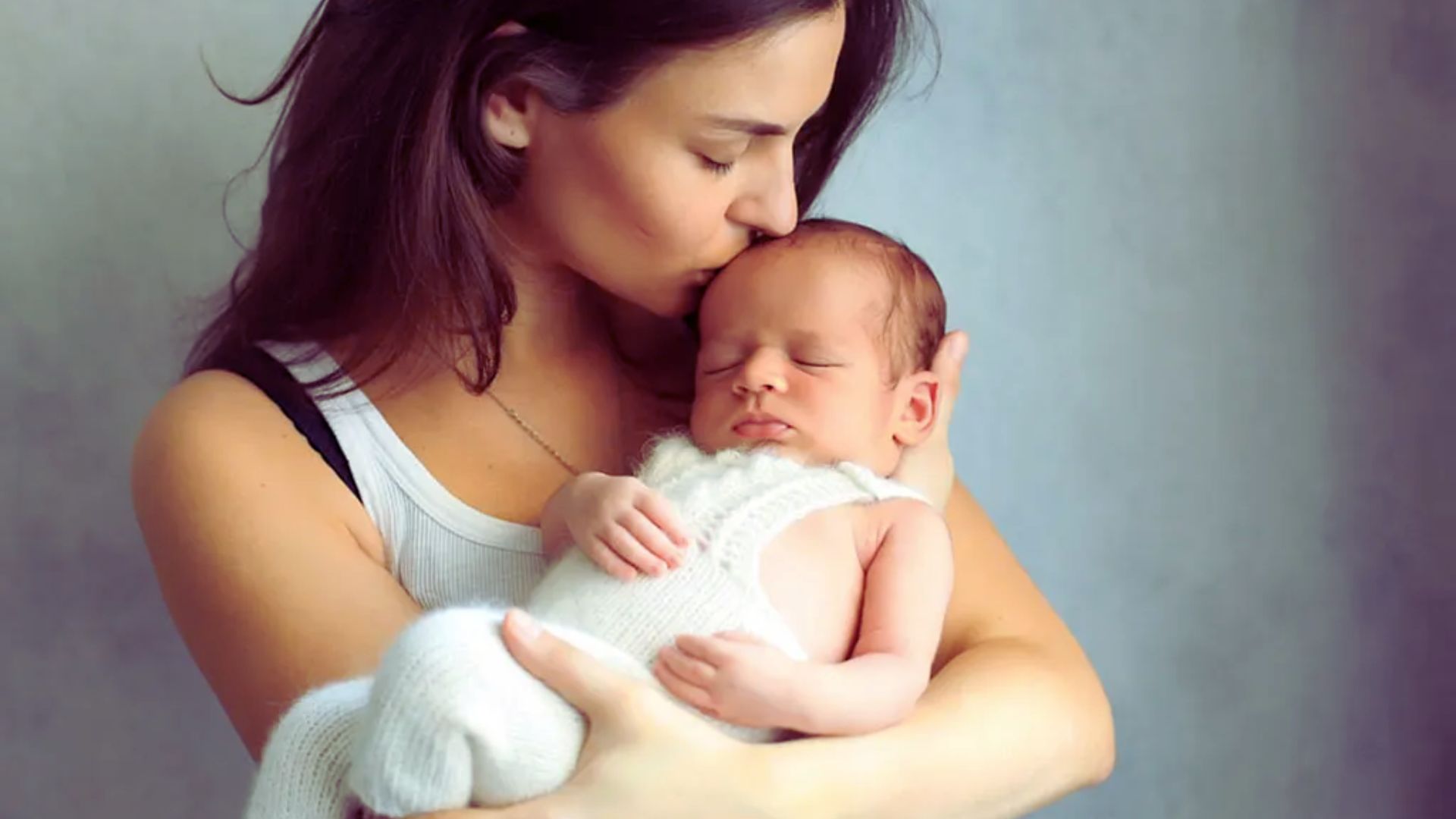
You can honor your cultural practices while keeping your baby safe. It requires some creative thinking and open family conversations.
Talk to older family members about the medical risks. Share information from your pediatrician. Most grandparents and relatives want what’s best for the baby-they just need to understand why guidelines have changed since they raised children.
Suggest alternative affection methods that feel culturally appropriate. Many cultures also value holding, rocking, singing to babies. These practices are safe and meaningful.
Communicating Boundaries to Extended Family
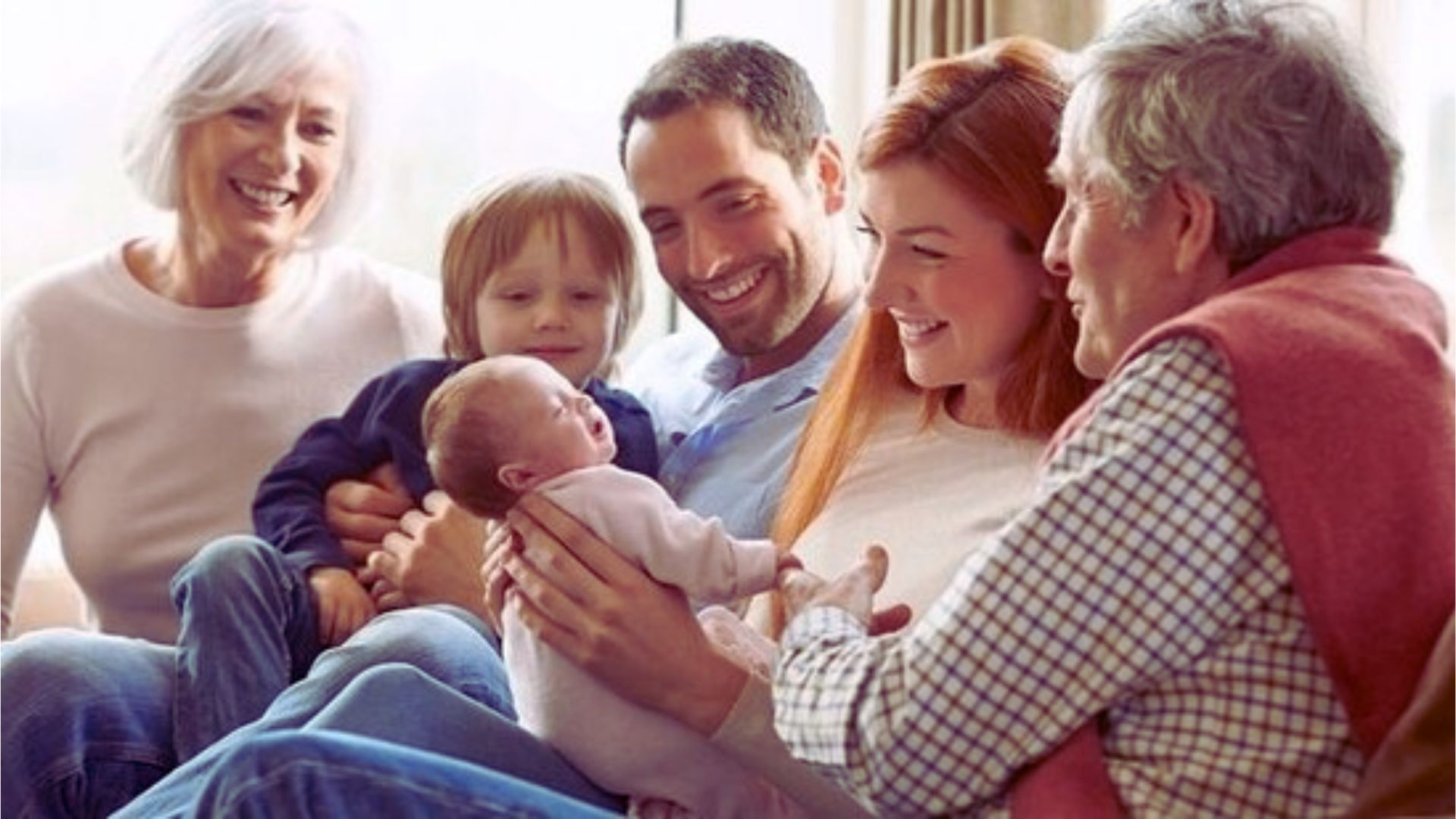
If you’re facing pressure from family, remember: you’re the parent. Your job is to protect your baby first. You can do this respectfully while still maintaining boundaries.
Explain your reasons calmly and clearly. “The pediatrician says newborns are vulnerable to infections in the first few weeks. We’re asking everyone to kiss the head or feet instead of the face.” This frames it as medical advice, not personal rejection.
Acknowledge their feelings while holding firm. “I know you want to show your love, and I appreciate that. We just need to do it in ways that keep the baby safe right now.” Validation plus boundary works well.
Creating New Safe Traditions
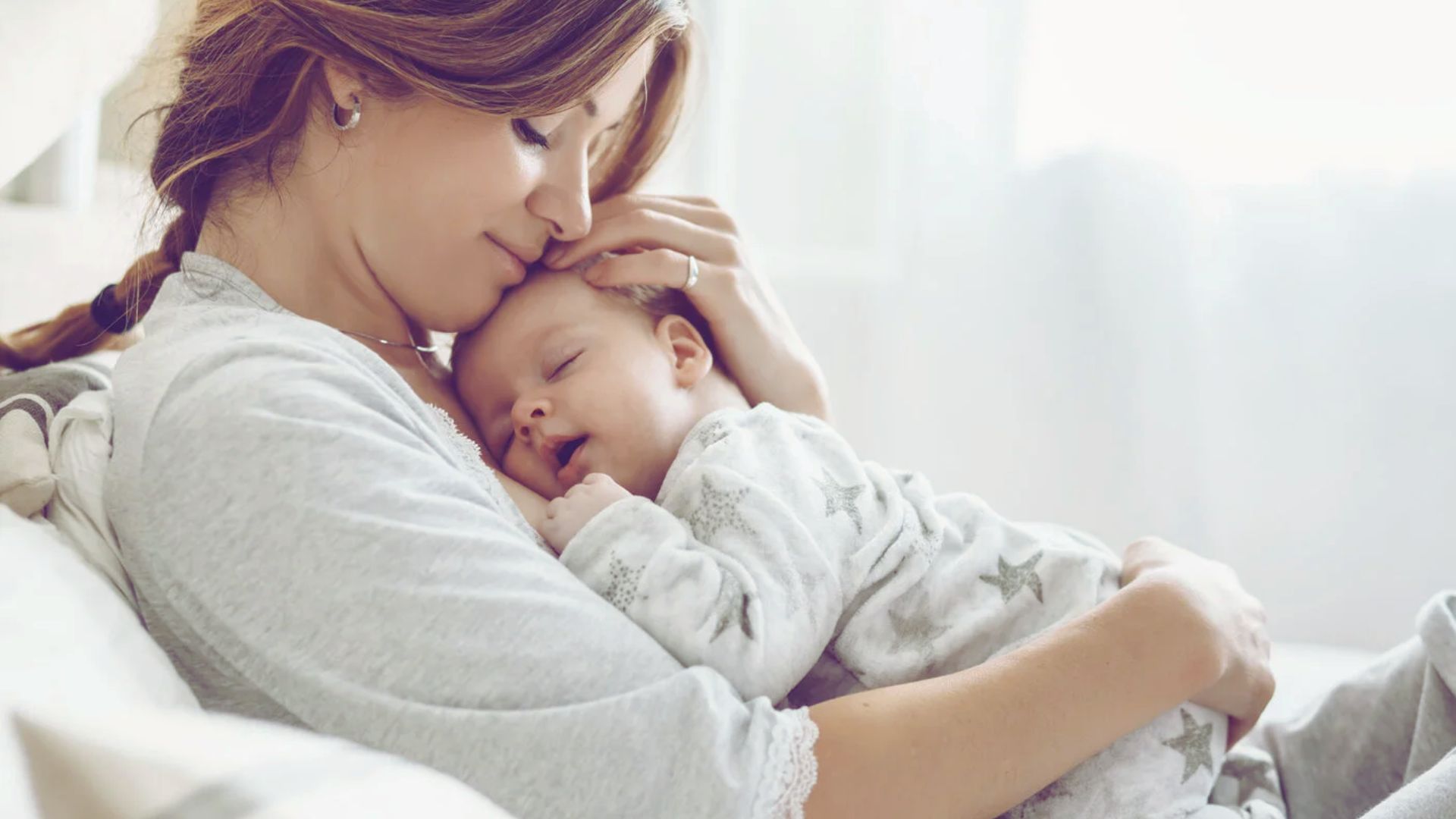
You can build new family traditions that honor both culture and safety. These alternatives become meaningful rituals that protect your baby while preserving connection.
Start a blessing ceremony without kissing. Family members can place their hand over the baby’s head and offer prayers or good wishes. This maintains the spiritual aspect without physical contact on the face.
Create a “kiss the hand” tradition. Family members kiss their own hand then gently touch it to the baby’s feet or back. They’re still giving a kiss, just in a safer way. This compromise satisfies both needs.
Tips for Parents Who Kiss Their Newborn
Simple habits make a massive difference in protecting your baby.
- Wash your hands with soap and water for at least 20 seconds before every interaction with your baby, focusing on under nails and between fingers to prevent most germ transmission
- Do a quick health check before kissing by checking for scratchy throat, congestion, headaches, or cold sores, and skip face kisses if you notice any symptoms
- If you’re sick, wear a mask when holding your baby, skip all face kisses, wash hands more frequently, and let another caregiver handle close contact if possible
- If you have a cold sore, avoid all face contact until completely healed, use a mask around your baby, and be extremely careful about hand hygiene
- Set clear visitor rules requiring handwashing upon arrival, no visits from anyone with illness symptoms, absolutely no face kissing from visitors, and limited visitors during the first few weeks
Conclusion
Can parents kiss their newborn? Yes, you can but smart choices matter. I’ve kissed my baby thousands of times on the forehead, head, and cheeks while skipping the lips during those crucial early weeks.
You can show all the love in your heart through safe touches. Start by choosing kiss spots away from your baby’s mouth and nose.
Wash your hands before every cuddle. Trust your instincts when something feels off about your health. Your baby needs your affection, and you can give it safely.
Share this article with your partner and family so everyone knows how to protect your little one while showing love.
Frequently Asked Questions
Can I kiss my newborn if I don’t have any symptoms?
Yes, kiss safe areas like the forehead or head top. Avoid lips since viruses can spread before you feel sick. Always wash hands first.
At what age can I kiss my baby on the lips?
Wait until at least six months, ideally longer. Many parents skip lip kisses during the entire infant stage for safety.
Can grandparents kiss my newborn baby?
Yes, but only on safe spots like the head or back when completely healthy. No lip or face kisses, and handwashing is required.
What should I do if someone kisses my newborn on the mouth?
Monitor your baby for illness signs over the next week. Call your pediatrician if you notice fever, fussiness, or feeding changes.
Is it safe to kiss my baby during cold and flu season?
Stick to forehead or back kisses only. Skip face kisses completely, increase handwashing, and consider masking during peak illness months.