
You’re helping your child brush their teeth when you notice something strange. Behind their front baby teeth, another row of teeth is growing in. Your heart skips a beat. Is this normal? Should you be worried?
This condition has a name that fits ideally: shark teeth. Just like sharks have multiple rows of teeth, your child now has two rows stacked one behind the other. It sounds serious, but here’s something that might surprise you.
Most parents panic when they first see this. But shark teeth are more common than you think, and they usually fix themselves without any dental work. The solution might be simpler than you ever imagined.
Let’s talk about what’s really happening in your child’s mouth and what you can do about it.
What Are Shark Teeth?
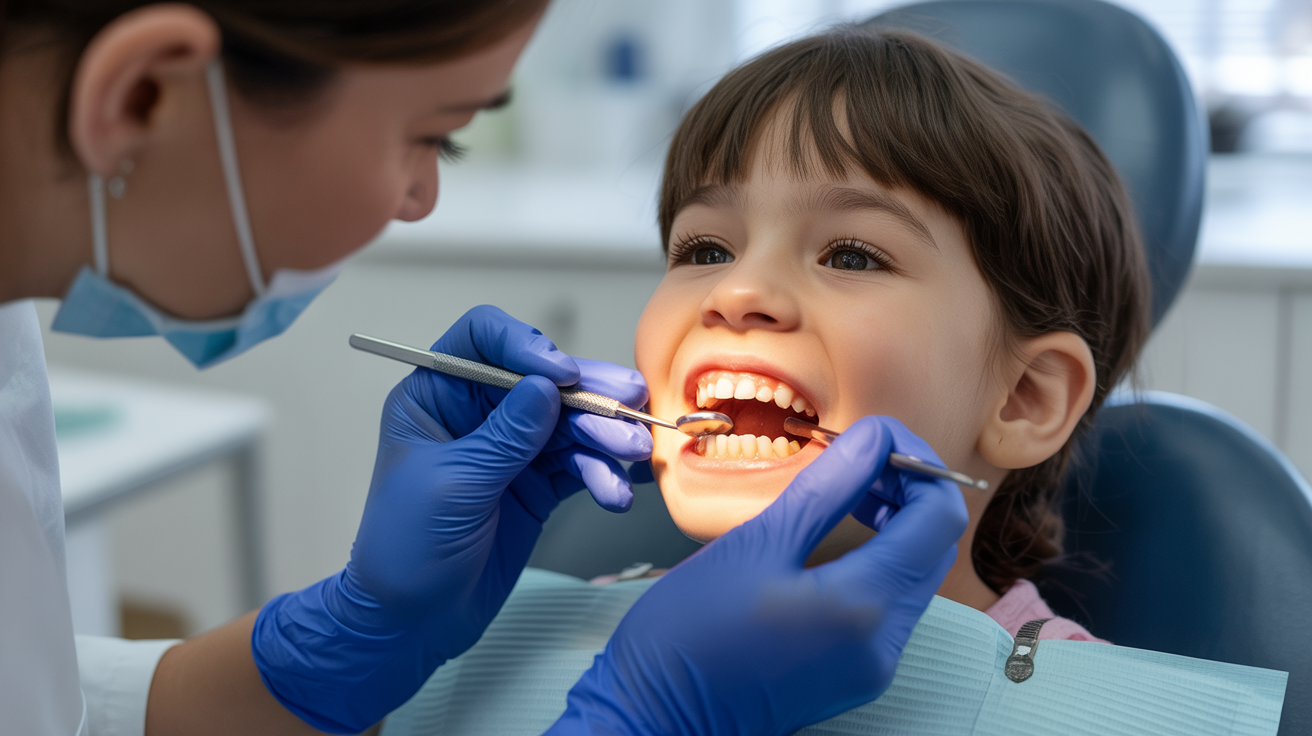
If you’re wondering how to fix shark teeth in a child at home, the good news is that most cases don’t need much help. The teeth usually sort themselves out naturally.
Shark teeth happen when permanent teeth come in behind baby teeth instead of underneath them.
The baby teeth should be loose, and you can help by having your child wiggle them gently each day. In most cases, the baby tooth will fall out within a few weeks, and the adult tooth will move forward on its own.
You should see a dentist if the baby tooth stays firm after a few weeks of wiggling, if your child feels pain, or if eating becomes hard. The dentist can check if the tooth needs to be removed to make room for the adult tooth.
How to Fix Shark Teeth in a Child?
If you’re looking for ways to handle shark teeth at home, you’ll be glad to know that most cases resolve naturally. Here are five steps to help the process along.
Step 1: Check If the Baby Tooth Is Loose

Gently touch the baby tooth to see if it moves. Even a small wiggle is a good sign. This means the tooth is starting to loosen, even though the permanent tooth isn’t pushing it from below.
If the tooth feels completely firm and doesn’t budge at all, give it a few more days. The tooth may start loosening as your child eats and talks normally.
Step 2: Encourage Daily Wiggling

Ask your child to wiggle the loose baby tooth several times each day. They can use their tongue or clean fingers to move it back and forth gently.
This wiggling helps speed up the natural loosening process. The more the tooth moves, the faster the roots will break down. Make it part of their daily routine, like after meals or before bed.
Don’t force the tooth or pull hard on it. The goal is gentle, regular movement. Your child can do this while watching TV or doing homework.
Step 3: Maintain Good Oral Hygiene

Keep the area clean, even though there are extra teeth. Food particles can get trapped between the two rows of teeth, which can lead to problems.
Help your child brush carefully around both the baby tooth and the permanent tooth. Use a soft-bristled toothbrush and brush gently but thoroughly. Pay special attention to the gum line, where bacteria can build up.
Consider having your child rinse with water after meals to wash away food debris. Good cleaning habits prevent infection and keep gums healthy during this time.
Step 4: Wait for the Baby Tooth to Fall Out

Once the baby tooth becomes very loose, it will fall out on its own. This usually happens within two to eight weeks of first noticing the shark teeth.
After the baby tooth comes out, the permanent tooth has room to move. The tongue naturally pushes against the new tooth, which helps guide it into the correct position. This movement happens slowly over several weeks to a few months.
You won’t need to do anything special to help this process. Your child’s mouth knows what to do. Just give it time.
Step 5: Monitor Progress and Know When to Get Help

Keep an eye on how things are going. Most shark tooth situations resolve without professional help, but some need a dentist’s attention.
Watch for these signs that mean you should call the dentist:
- The baby tooth stays firm after several weeks of wiggling
- Your child complains of pain or soreness
- Multiple teeth are affected at once
- Eating becomes difficult
- Your child’s speech sounds different
If any of these happen, schedule an appointment. The dentist can examine your child’s mouth and decide if the baby tooth needs to be removed.
When Do Shark Teeth Typically Appear?

Shark teeth can show up anytime your child is losing baby teeth and getting adult teeth. But there are two times when it happens most often.
- Around age 6: when the lower front teeth start coming in
- Around age 11: when the upper back molars arrive
- Timing varies: by each child’s growth and development
Every child grows at their own pace, so some kids might see this earlier or later. Some children never get shark teeth at all, while others might have it happen with several teeth.
Signs Your Child Needs to See the Dentist
Most of the time, knowing how to fix a shark tooth in a child means just waiting and wiggling. But sometimes you need help from a dentist.
- Baby tooth remains firm after several weeks of wiggling
- The child complains of pain or discomfort in the mouth
- Multiple teeth are affected at the same time
- Difficulty eating or chewing food
- Speech sounds different than usual
The dentist will look at your child’s mouth and might take X-rays to see what’s happening below the gums. They can check if other teeth are developing the same way and talk to you about removing the baby tooth if needed.
What Happens During a Tooth Extraction?
If the dentist decides the baby tooth needs to come out, don’t worry. The process is quick and simple for kids.
- The area gets numbed, so your child feels no pain. The dentist gently removes the stubborn baby tooth.
- Creates space for the permanent tooth to move
- Adult tooth shifts forward into the proper position over time
- The tongue naturally pushes the tooth into the correct spot
The whole appointment usually takes just a few minutes, and your child can go back to normal activities the same day.
What Happens After the Baby Tooth Falls Out?
Once the baby tooth is gone, your child’s mouth has room to work correctly again. The permanent tooth doesn’t just sit there. It starts moving forward.
- A permanent tooth has space to shift forward
- Tongue pressure guides the tooth into place
- Movement happens naturally over weeks or months
- Bite develops normally without help needed
This is a natural process that doesn’t need any help. Your child won’t even notice it’s happening, but soon you won’t be able to tell there was ever a problem.
Conclusion
Shark teeth look scary at first, but they’re a common part of growing up for many children. Most cases of how to fix shark teeth in children don’t need any treatment beyond gentle wiggling at home.
Give the baby tooth a few weeks to loosen and fall out. Help your child wiggle it regularly with their tongue or fingers. If the tooth stays firm or your child feels pain, that’s when you should see a dentist.
Remember that your child’s teeth are still developing and finding their places. With a little time and attention, those shark teeth will work themselves out, and your child’s smile will look great.
If you have any concerns, don’t hesitate to call your pediatric dentist. They’re there to help and can give you peace of mind about your child’s oral health.
Frequently Asked Questions
Are Shark Teeth Painful for Children?
Most kids don’t feel pain from shark teeth. Some might notice slight discomfort when the tooth first comes in. If your child complains of real pain, see a dentist to check for infection or other issues.
Can Shark Teeth Cause Long-Term Problems?
Shark teeth rarely cause permanent damage if handled quickly. The adult tooth might sit behind the baby tooth for too long and become harder to fix. Seeing a dentist within a few weeks prevents most complications.
How Long Does It Take for Shark Teeth to Resolve?
Most shark teeth fix themselves within 2 to 8 weeks. The baby tooth falls out, and the adult tooth moves forward naturally. If nothing changes after two months, contact your dentist for help.
Do All Children Get Shark Teeth at Some Point?
No, shark teeth only happen to about 10 percent of children. Most kids lose their baby teeth normally without this issue. If your child gets shark teeth, it doesn’t mean anything is wrong with their development.
Should I Try to Pull My Child’s Baby Tooth at Home?
Only try pulling a baby tooth if it’s very loose and almost falling out on its own. Never force a firm tooth out at home, as this can hurt your child or damage the gums. Let the dentist handle teeth that won’t budge.