

Watching your baby hit his head with his hands can be scary. I know that panic when you see it for the first time.
But here’s the truth: most head hitting is normal. This article explains what head hitting means, why babies do it, and when to worry.
You’ll learn how to keep your baby safe, how to respond calmly, and when to call the doctor. We’ll cover common causes, red flags to watch for, and practical tips for managing this behavior.
I’ve spent years helping parents through these exact moments, and I’m here to walk you through this with clear, helpful answers you can trust.
What Does It Mean When My Baby Hits His Head With His Hands?
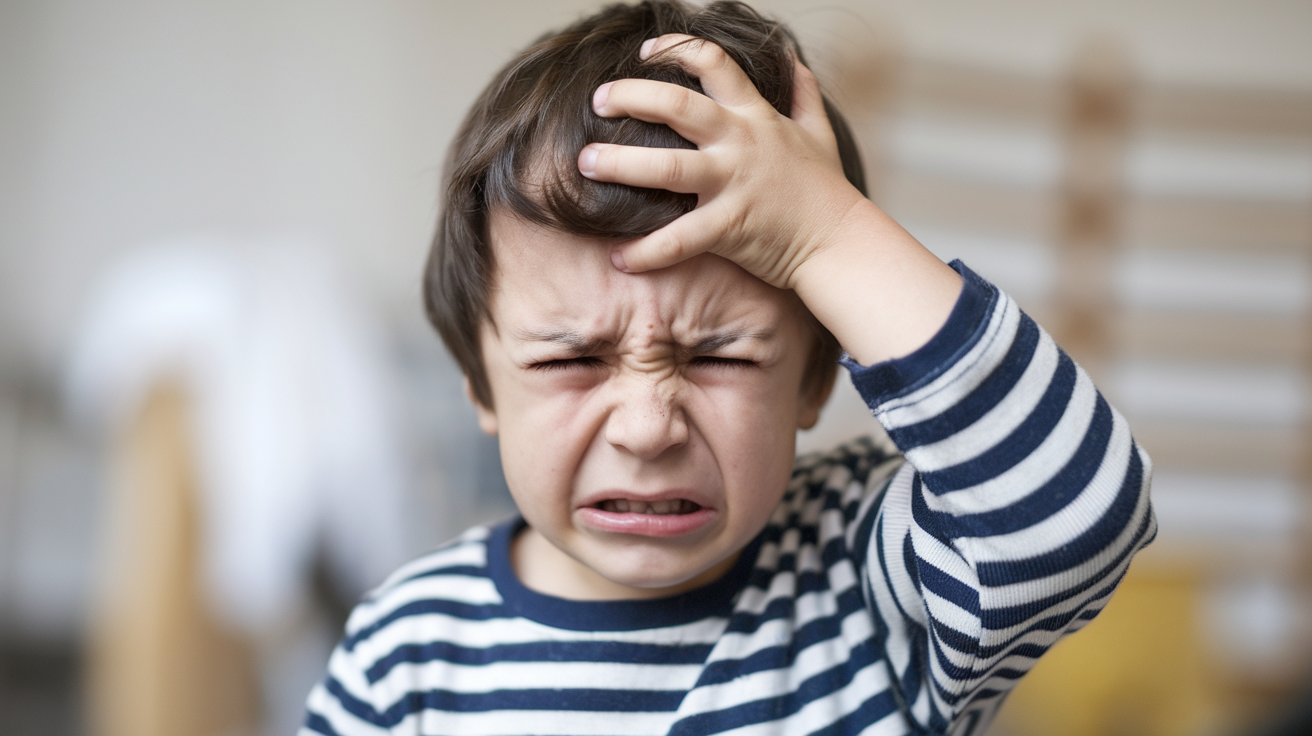
Head hitting is a common behavior where babies rhythmically tap or bang their heads during specific situations.
You might see your baby hitting his head with his hands at bedtime. Some babies bang their heads on the crib mattress or floor instead.
The pattern is usually rhythmic, happening over and over in the same way. Most parents first notice this between 6 and 12 months.
Head hitting typically stops by age 3 or 4. Each episode lasts just a few minutes and rarely goes longer than 15 minutes. If your baby is still head hitting after age 4, talk to your pediatrician.
Why Is My Baby Hitting His Head With His Hands?
Babies hit their heads for several reasons, from self-soothing to expressing frustration or seeking physical sensations.
Self-Soothing and Calming
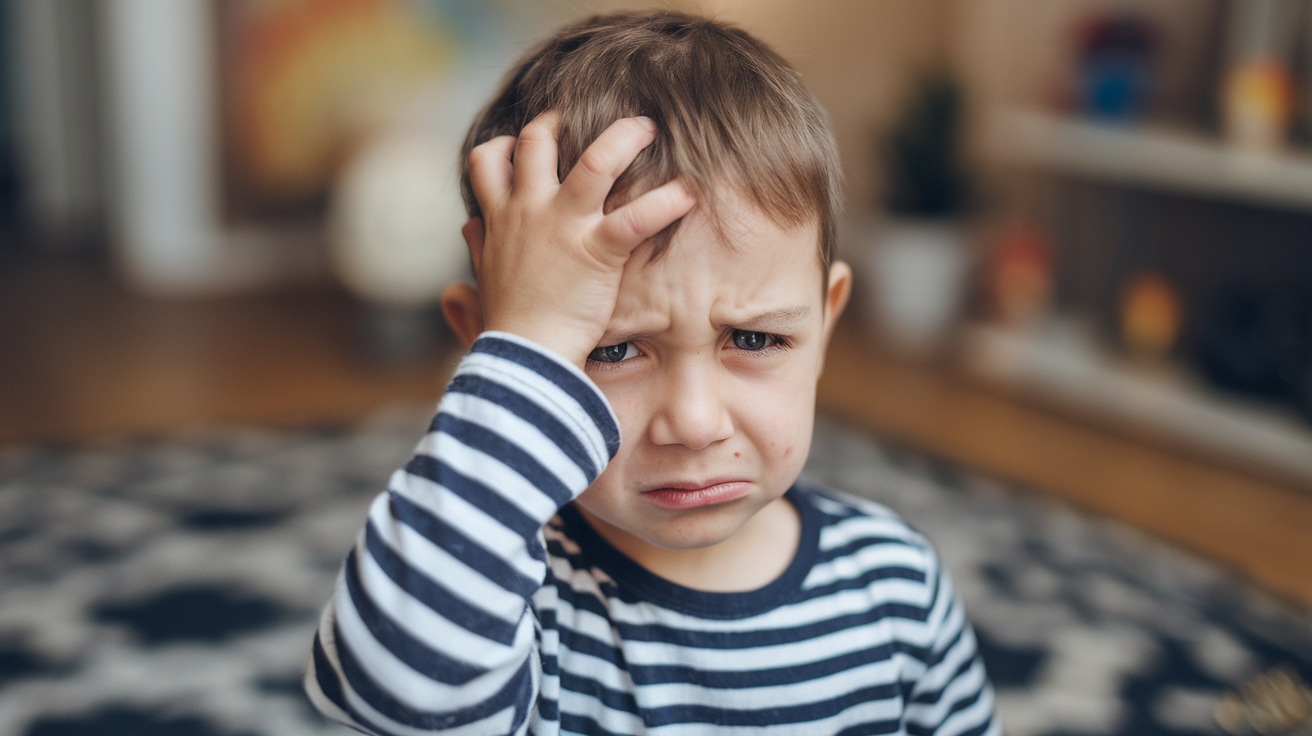
Babies remember being rocked when they were tiny. Head hitting recreates that soothing motion. The rhythmic movement helps them relax.
It’s similar to how adults might tap their feet. Many babies do this right before falling asleep. The repetition calms their nervous system.
Your baby isn’t trying to hurt himself. He’s trying to feel comfortable.
Emotional Expression During Tantrums

Big feelings overwhelm little brains. Your baby’s brain can’t process intense emotions yet. When frustrated or angry, head hitting becomes an outlet.
It’s a physical response to emotional overload. Toddlers lack the words to say “I’m mad.” Their bodies express what their mouths can’t.
This doesn’t mean your baby has an anger problem. It’s developmentally normal.
Seeking Sensory Stimulation
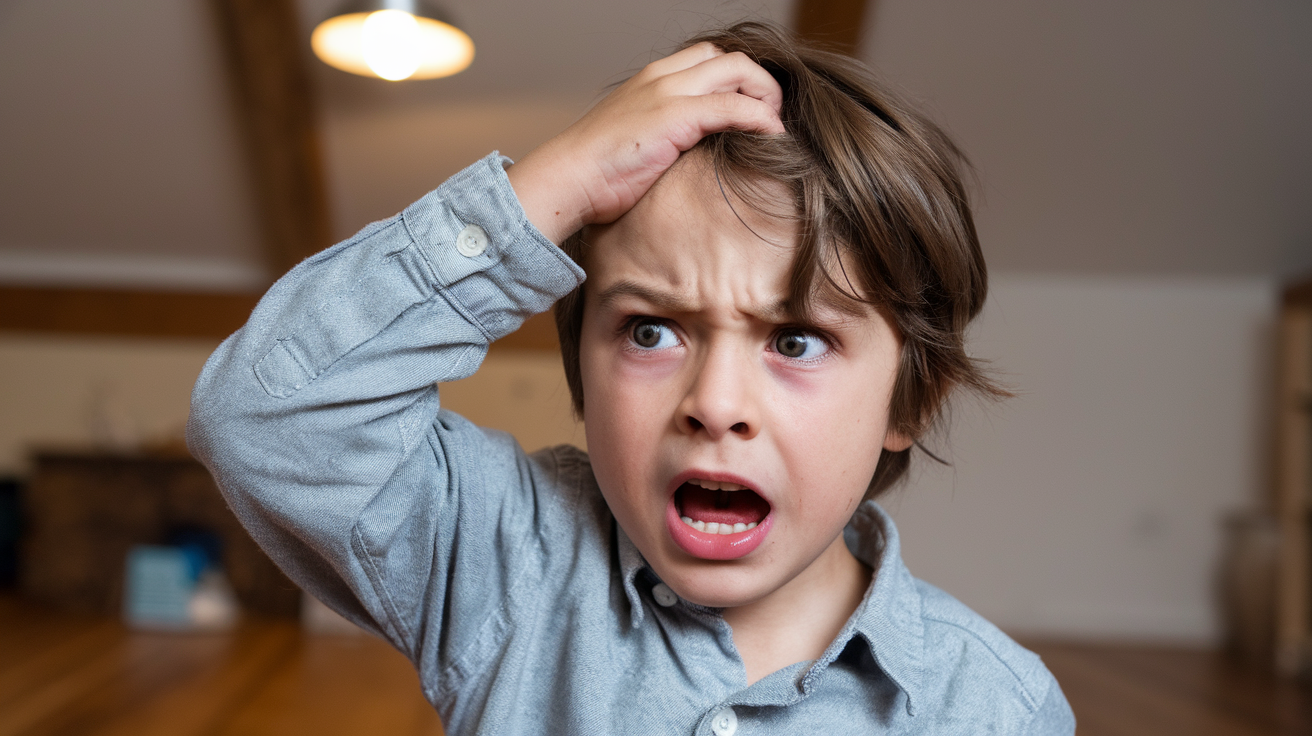
Some babies crave movement and physical input. Head hitting stimulates their vestibular system. This is the inner ear system that controls balance.
It responds to motion and position changes. Babies in boring environments might head hit more often. They’re creating their own stimulation.
Think of it like adults who fidget or tap their pens. It’s sensory seeking behavior.
Physical Discomfort or Pain
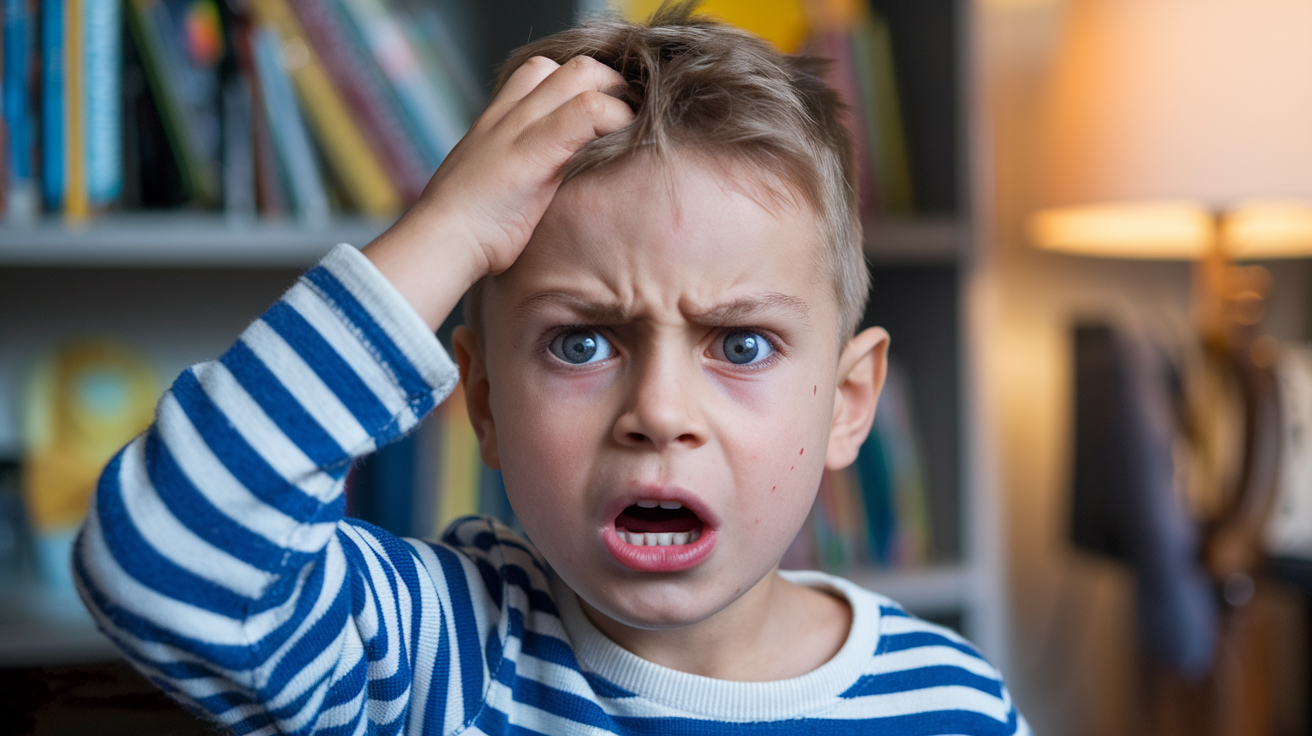
Teething hurts. Babies sometimes hit their heads to distract from tooth pain. Ear infections cause head and jaw pressure. Head hitting might feel like relief to them.
Your baby can’t tell you his ear hurts. Head hitting might be his way of showing discomfort. Check for other signs like fever, pulling at ears, or crankiness. These point to illness.
Attention-Seeking Behavior
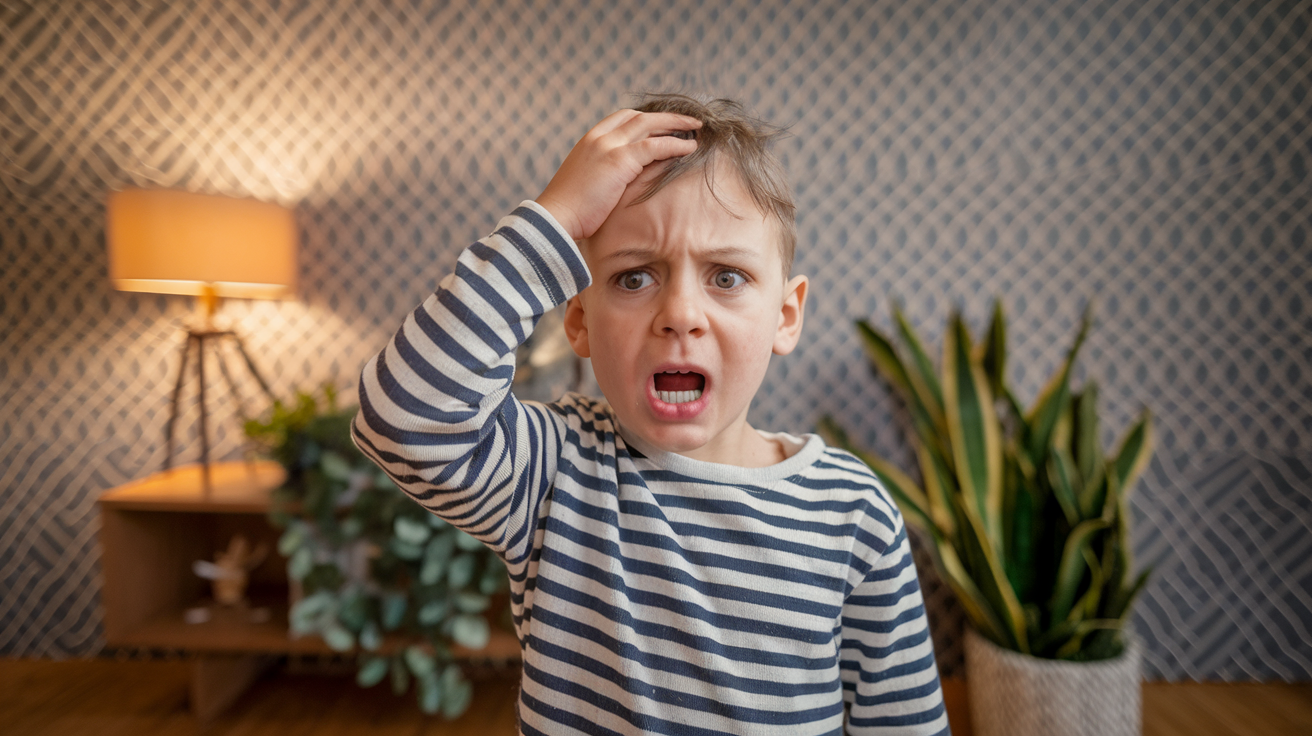
Babies are smart. They notice what gets reactions. If you gasp or rush over every time, your baby learns something. Head hitting makes mom pay attention.
This doesn’t mean ignoring your baby. But strong reactions can accidentally reinforce the behavior. Stay calm when it happens. Give attention to positive behaviors instead.
Is Head Hitting Normal or a Concern?

Most head hitting is a normal phase, but certain signs indicate when you should seek medical advice. Your baby hits his head before sleep or during tantrums.
The episodes are brief and don’t cause injuries. He’s meeting other developmental milestones on time and the behavior isn’t constant throughout the day.
Head hitting past age 4 needs evaluation. Your baby injures himself or seems in distress with bruises or bumps. You notice developmental delays like late talking or walking.
Multiple repetitive behaviors together like hand flapping and spinning need assessment. If he doesn’t respond to his name or make eye contact, talk to your pediatrician.
Could Head Hitting Be Linked to Autism or Other Developmental Issues?
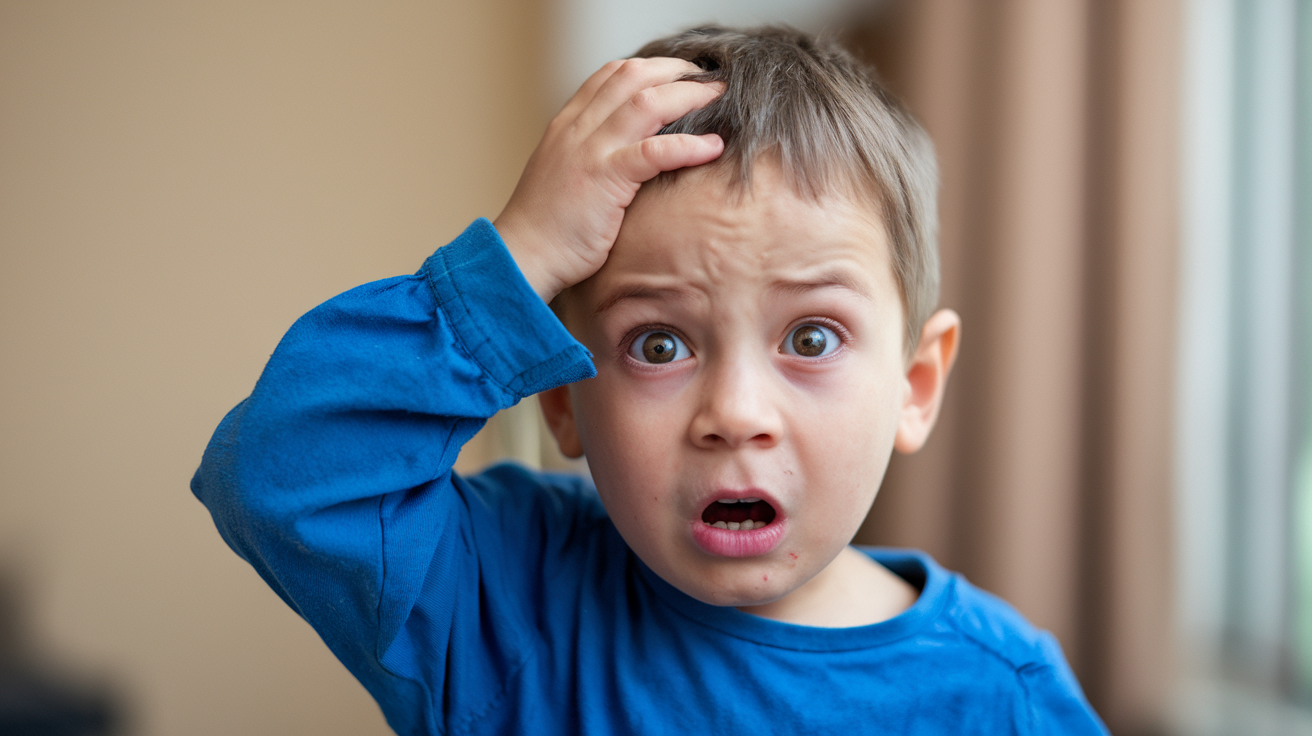
While head hitting alone doesn’t indicate autism, certain patterns combined with other signs warrant evaluation.
Does your baby make eye contact when you talk to him? Does he follow your gaze when you point at something? Babies should point at things by 12 months and respond when you call their name.
Pretend play develops around 18 months, like feeding a doll or pretending a block is a car. ADHD can cause repetitive movements. Sensory processing differences make some children crave intense input.
These issues don’t always mean something serious, but they’re worth discussing with your doctor. Early intervention helps if anything is wrong.
How Parents Should Respond to Head Hitting

Stay calm and focus on safety while helping your baby learn healthier ways to cope. Childproof your home and remove hard objects from your baby’s reach.
Pad crib rails if your baby bangs his head there. Create soft landing zones. Safety comes before stopping the behavior. Stay calm when head hitting happens. Your reaction matters.
Empathize by saying I see you’re upset in a gentle voice. Distract and redirect without making a big deal. Don’t give attention specifically to head hitting.
Gentle routines provide predictability. Model calm behavior yourself. Your baby watches how you handle frustration.
When to Talk to Your Pediatrician About Head Hitting
Contact your doctor if head hitting becomes frequent, severe, causes injuries, or accompanies developmental concerns. Frequent means multiple times daily or every single day.
Severe means hard impacts that leave marks. Your baby shouldn’t be bruised from this behavior. Injurious episodes require medical attention.
Delayed milestones alongside head hitting need evaluation. Late talking, walking, or social skills matter. Multiple repetitive behaviors together warrant screening.
Head hitting plus hand flapping plus spinning should be assessed. Keep a video on your phone to show the doctor. Start a diary noting when head hitting happens.
Track time of day, duration, and triggers. This information helps your pediatrician understand the pattern.
Tips for Preventing Injury From Head Hitting
Create a safe environment and use gentle guidance to reduce injury risk while this phase passes.
- Safe sleep practices include firm mattresses and empty cribs. Remove all hard toys and objects. Use soft padding on surfaces where your baby plays.
- Behavioral guidance means teaching alternatives. Show your baby how to squeeze a pillow instead. Avoid physical intervention like holding his hands.
- Environmental modifications reduce opportunities. If your baby hits his head on the wall, move his play area. Consistent responses help your baby learn.
- Positive reinforcement works better than punishment. Praise calm behavior throughout the day.
- Give your baby safe outlets for physical energy. Climbing, jumping, and active play help reduce head hitting episodes.
Conclusion
I remember the first time I saw a baby doing this. My heart dropped.
But here’s what I learned: most babies outgrow head hitting completely on their own.
Keep your little one safe, watch for developmental red flags, and trust your instincts. If something feels off, call your pediatrician.
You know your baby better than anyone. Have you dealt with head hitting? Drop a comment below and share what worked for you. Other parents need your experience.
Frequently Asked Questions
Is it normal for my baby to hit his head before sleeping?
Yes, this is very common. Babies use rhythmic movements to self-soothe before sleep. The repetitive motion helps them relax and fall asleep more easily.
How can I tell if head hitting is serious?
Watch for injuries, developmental delays, or behavior continuing past age 4. If your baby bruises, misses milestones, or shows multiple repetitive behaviors, contact your pediatrician.
Should I stop my baby from hitting his head?
Focus on safety rather than stopping the behavior completely. Make the environment soft and safe. Don’t give intense reactions that might reinforce the behavior.
Can teething cause head hitting?
Yes, babies sometimes hit their heads when teething hurts. The behavior distracts from tooth pain. Look for other teething signs like drooling, fussiness, or chewing everything.
When will my baby stop hitting his head?
Most children stop between ages 2 and 4. Some quit earlier on their own. If the behavior continues past age 4, schedule an appointment with your pediatrician.