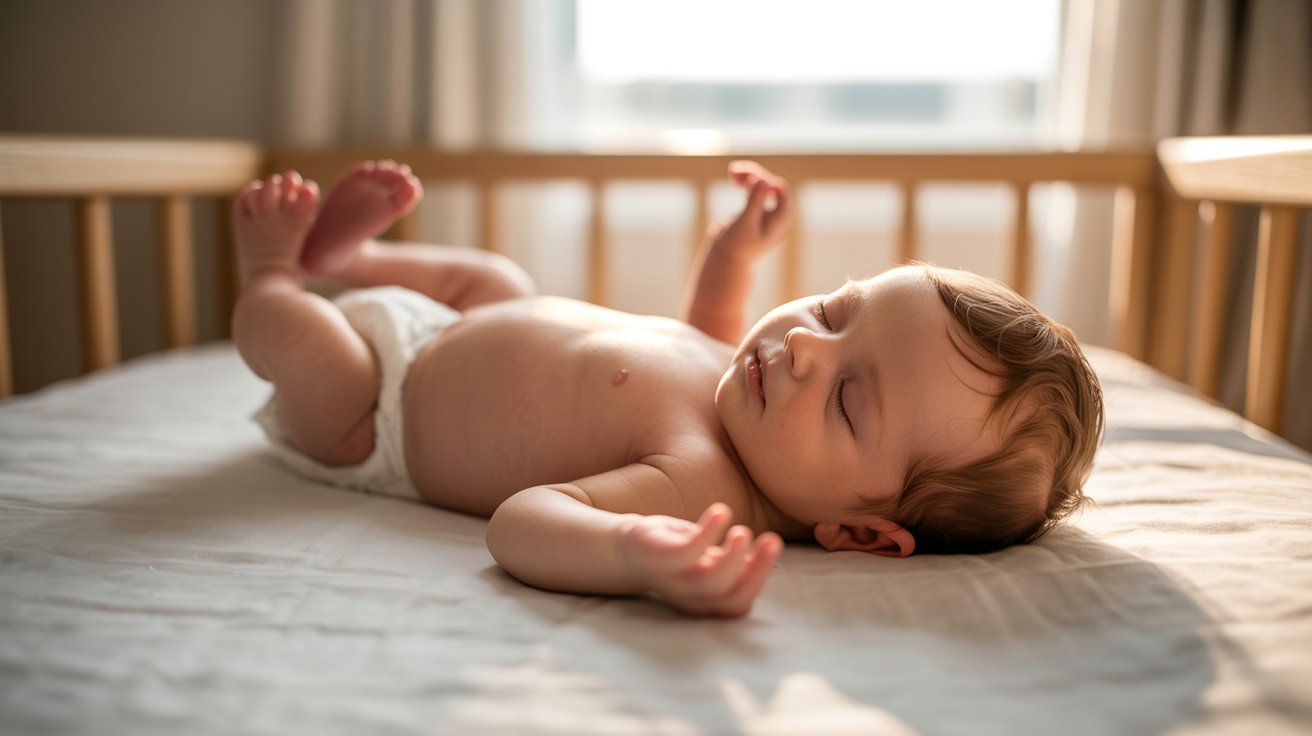

I leaned over that hospital bassinet for what felt like forever, just waiting. The room was bright. My baby’s eyes stayed shut. I didn’t know if that was normal or not.
Nobody had told me what to expect. So I started asking questions.
When do babies open their eyes? What can they actually see in those first hours? And how does any of this work inside the womb?
The answers genuinely surprised me. And once I understood the full picture, watching my baby’s vision develop became one of the most fascinating parts of early parenthood.
When Do Babies Open Their Eyes?
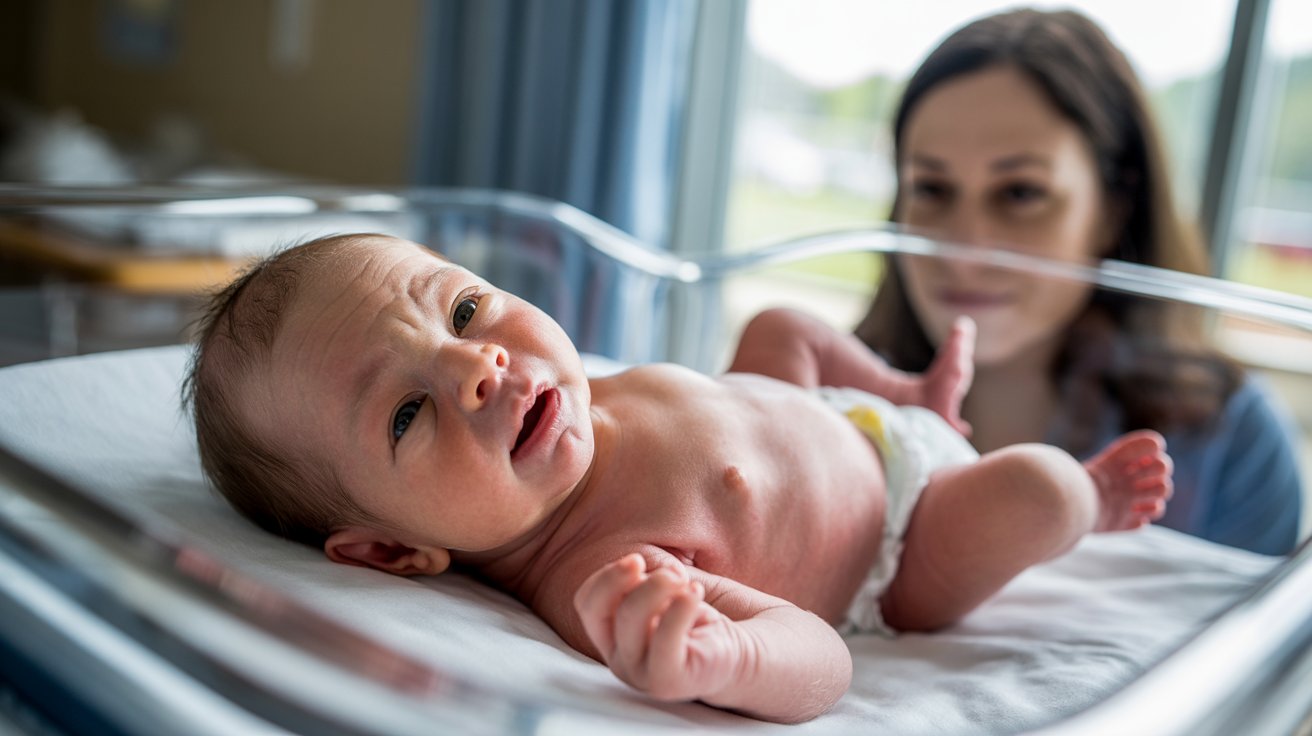
Most babies open their eyes for the first time in the womb around 26 to 28 weeks of pregnancy. Before that, the eyelids stay fused shut while the eyes continue forming underneath.
After birth, most newborns can open their eyes right away. Some keep them closed for a good part of that first day as they adjust to the brightness of the world outside.
When do babies open their eyes fully and consistently? That happens gradually over the first few days. Bright light can make it harder at first, so don’t be alarmed if your baby keeps squinting or shutting their eyes often early on.
By the end of the first week, most babies are opening their eyes more regularly and beginning to take in the world around them.
How a Baby’s Eyes Develop During Pregnancy
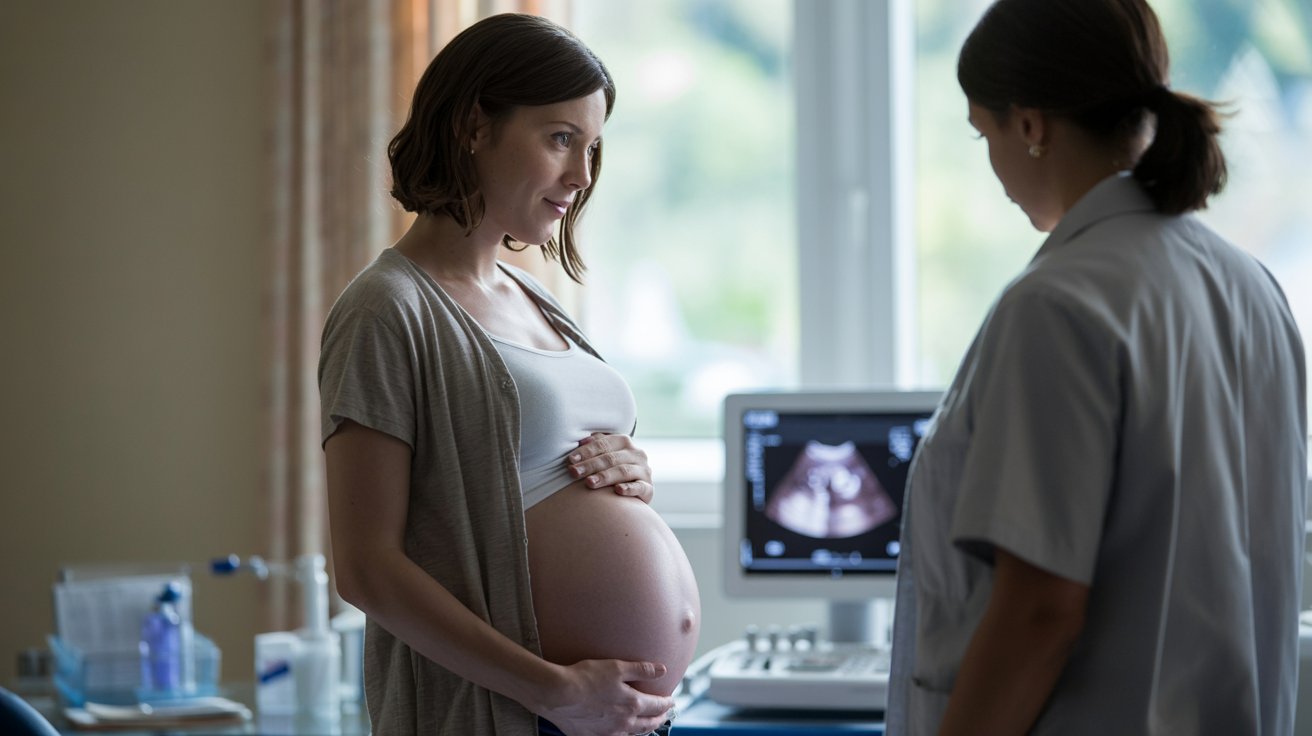
Eye development starts much earlier than most parents realize. By the time you know you’re pregnant, the process has often already begun.
Early Eye Formation
Around the fourth week of pregnancy, the very first structures of the eye begin to form. This is still the first trimester, long before most parents even have their first scan.
The retina and optic nerve start developing early and continue building in complexity over the following months. These are the structures that will eventually allow your baby to process visual information after birth.
The eyelids form during this early period too. Once they develop, they stay fused closed. This isn’t a problem. It’s actually protective, keeping the developing eye structures safe while they continue to grow.
This closed phase lasts for several months before the eyelids are ready to separate.
Eyes Opening in the Third Trimester
Around weeks 26 to 28, something significant happens. The eyelids finally separate and the baby can open and close their eyes inside the womb.
From this point, babies can blink and move their eyes. Research has shown that babies may respond to bright light directed at the mother’s belly during late pregnancy, turning their head or blinking in response.
The brain and eyes are actively working together during this period. Visual processing is being wired and strengthened, even in the limited environment of the womb.
By the time your baby arrives, that groundwork has already been laid.
Can Babies See Inside the Womb?
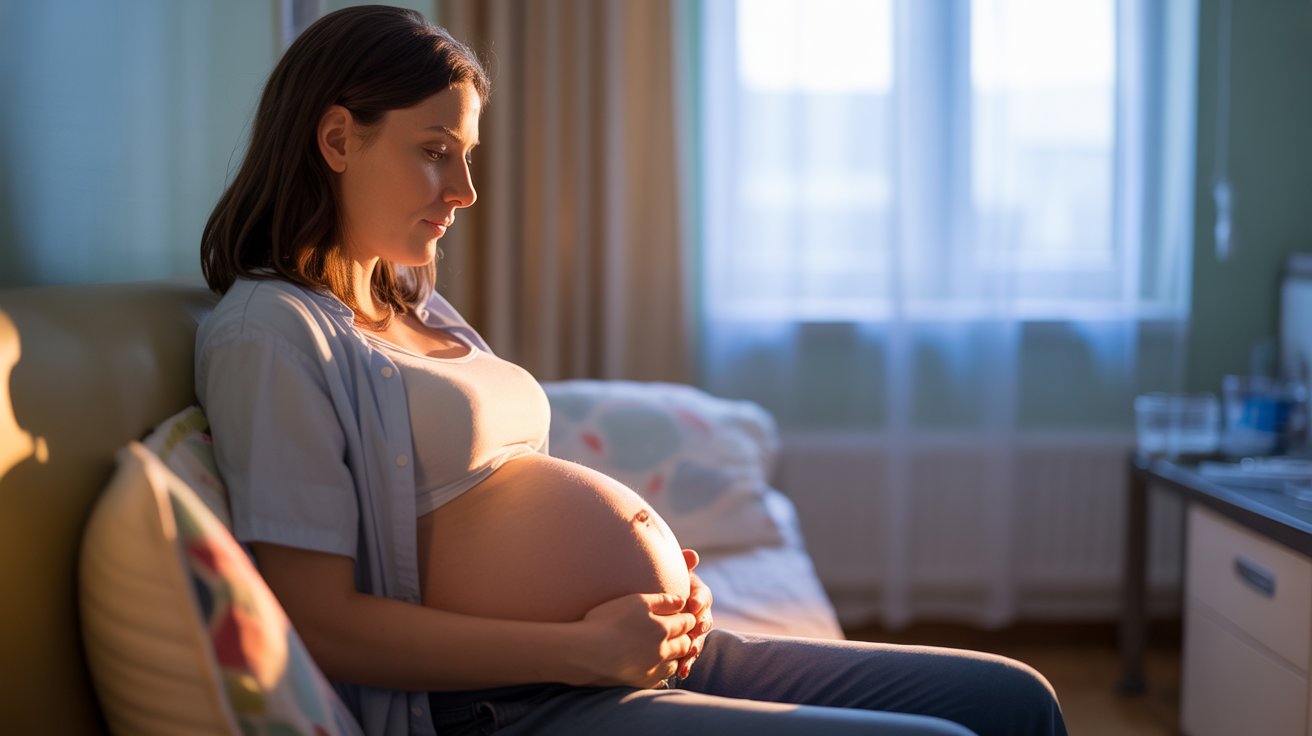
The short answer is: very little. The womb is a dark environment, so there isn’t much to see in the traditional sense.
What babies can detect during late pregnancy is light, shadows, and large shifts in brightness. If a strong light is shone at the belly, a baby may react. But this is sensing light, not seeing images.
Research does suggest that babies in the third trimester can orient themselves toward a light source. That’s a meaningful response, but it’s a long way from the visual experience we have as adults.
Most real visual development happens after birth. Exposure to faces, movement, color, and contrast is what builds the visual system over the first year of life.
What Can Newborn Babies See After Birth?
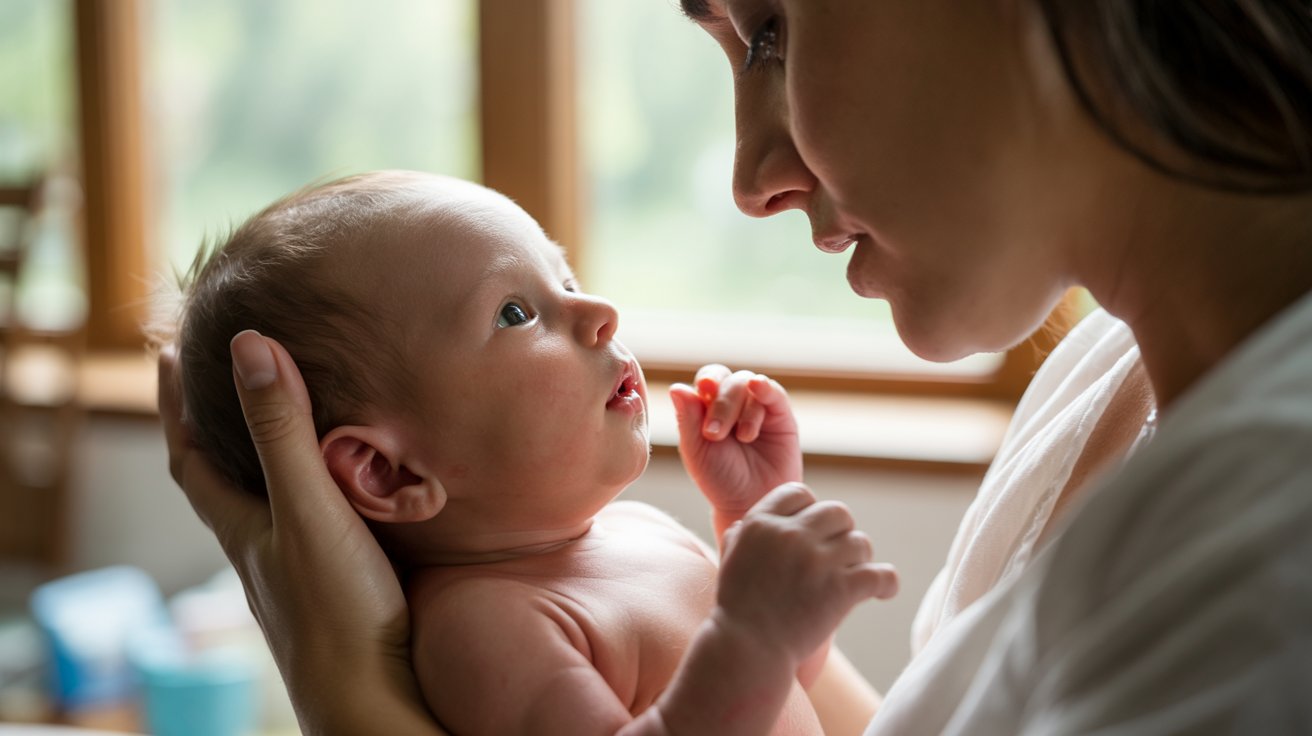
Newborns can open their eyes right after birth, but what they see is quite different from what you see when you look at them.
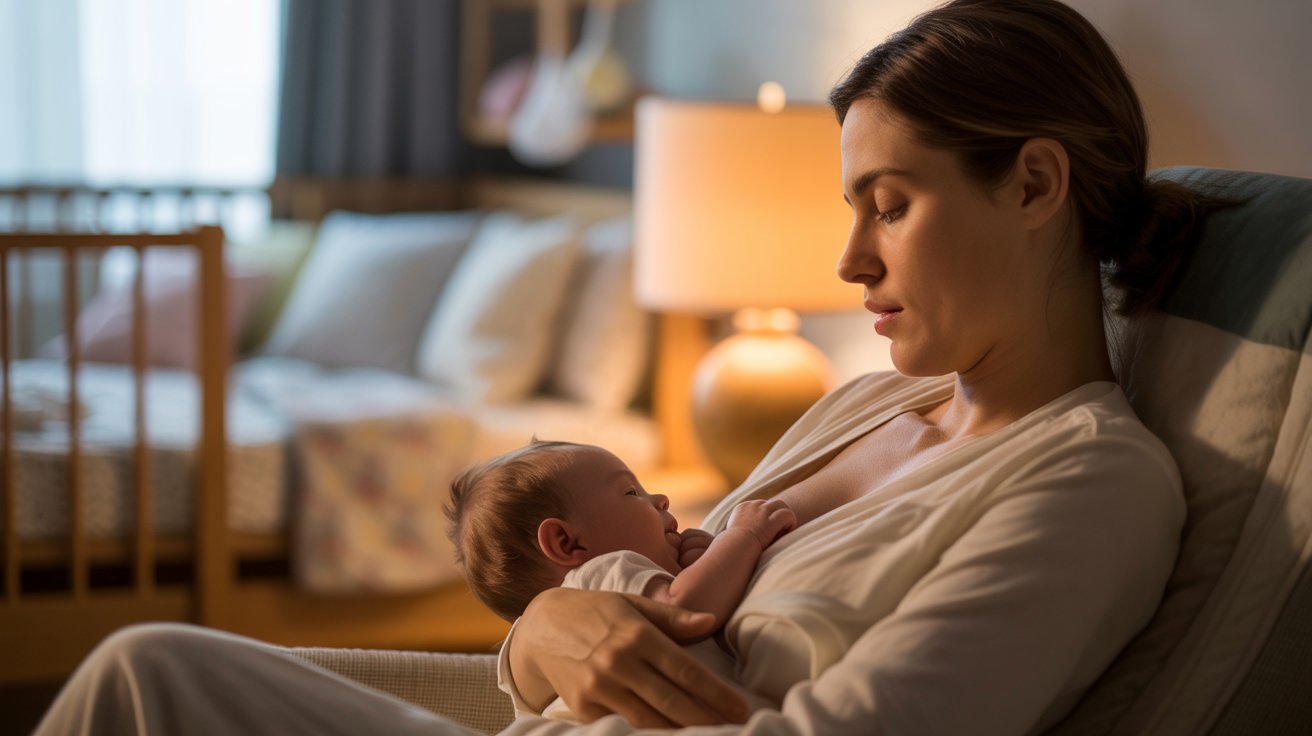
Their vision is blurry and works best at a range of about 8 to 12 inches. That’s not a coincidence. It’s roughly the distance between a baby’s face and a parent’s face during feeding and holding.
Newborns are naturally drawn to specific things in those early days.
Their eyes are pulled toward:
- Human faces
- High-contrast patterns
- Black-and-white objects
- Gentle, slow movement
Colors, fine detail, and depth perception all come later. Right now, your face at close range is the most interesting thing in your baby’s world. That’s worth holding onto.
Baby Vision Development Milestones by Age
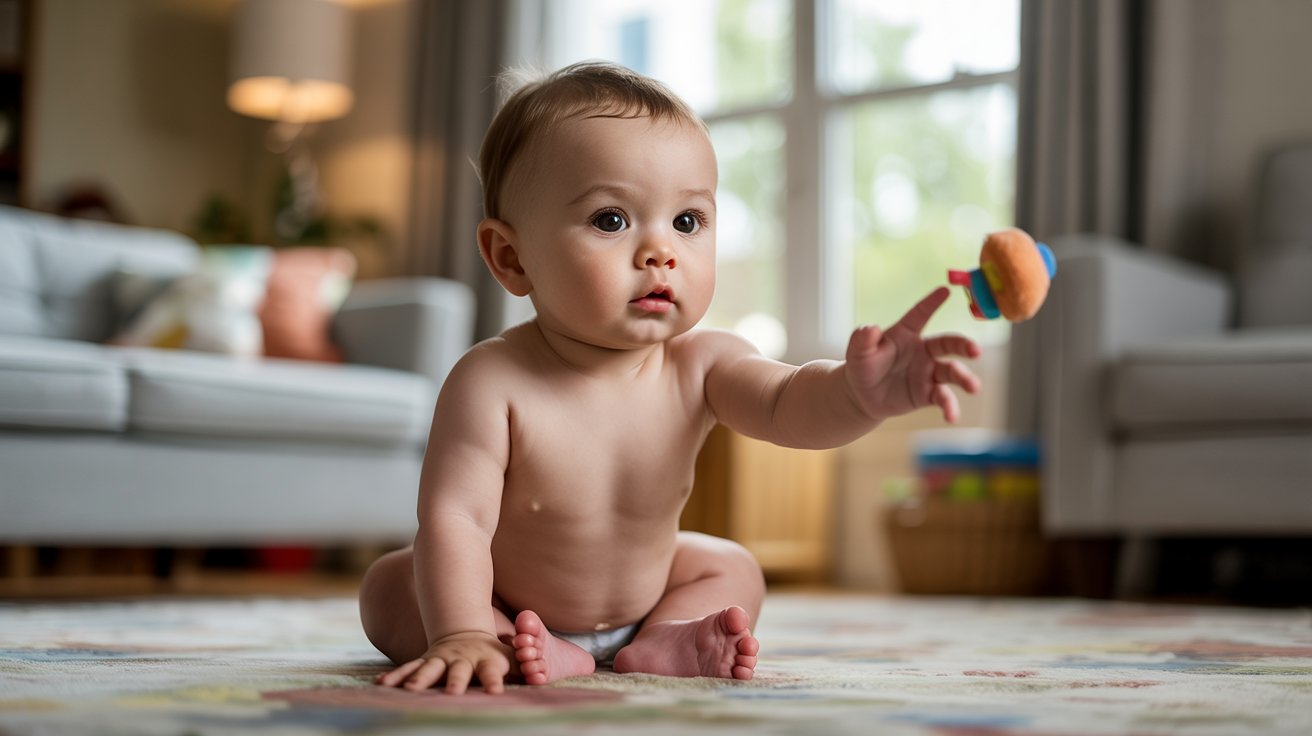
Vision doesn’t arrive fully formed. It builds steadily through the first year, with clear changes at each stage. Here’s what to expect as your baby grows.
Birth to 1 Month
In the first few weeks, your baby sees blurry shapes and responds to light but can’t make out much detail.
Their eyes are very sensitive to brightness, which is why they often squint or close up in well-lit rooms. This sensitivity settles down as their eyes adjust to regular light exposure.
Eye coordination is limited at this stage. Both eyes may not always move together, and that’s completely normal in the newborn period.
2 to 4 Months
This is when things start getting noticeably more interactive. Your baby begins tracking objects that move slowly across their field of vision.
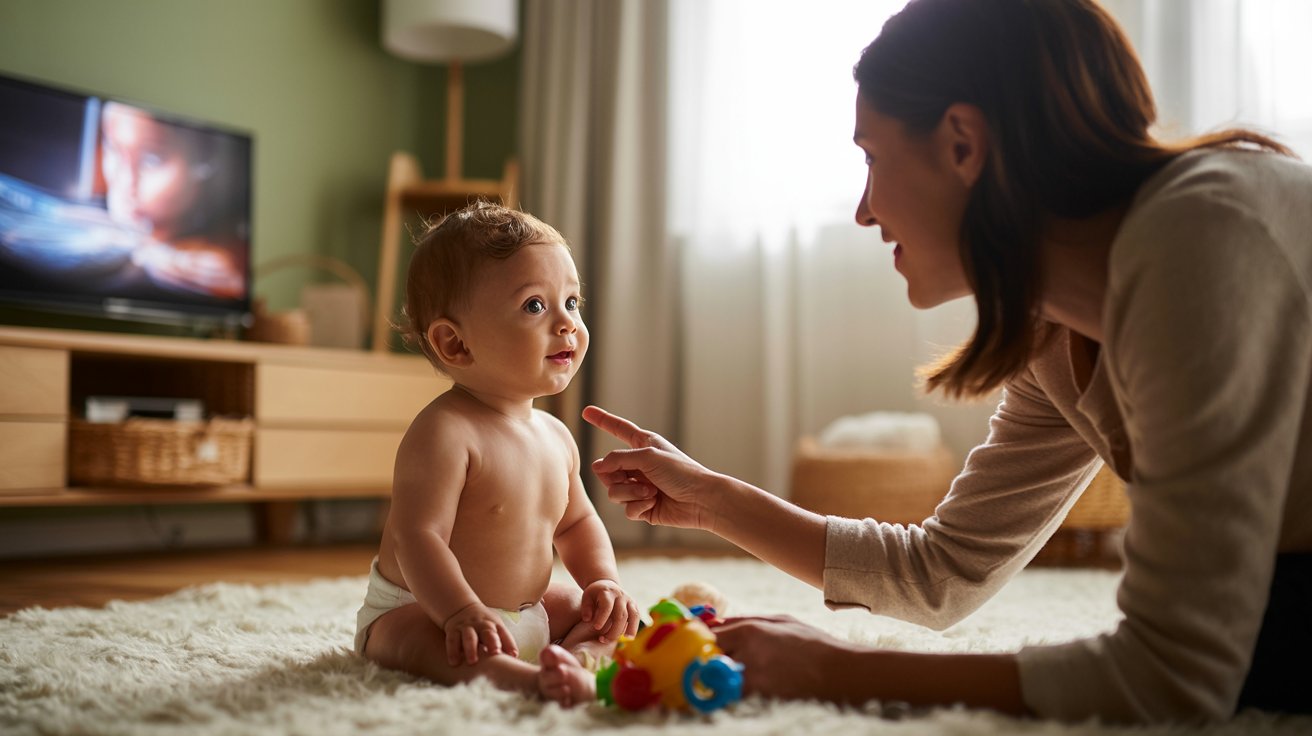
Familiar faces become recognizable during this window. Your baby will start responding to you with expressions and eye contact that feels genuinely communicative.
Color vision is also developing. Babies begin to see a broader range of colors, moving beyond the high-contrast black and white that captured their attention earlier.
5 to 8 Months
Depth perception improves significantly during this stage. Your baby starts to understand that objects exist in three-dimensional space, which changes how they interact with everything around them.
Hand-eye coordination gets better too. Reaching for objects becomes more accurate as the brain connects what the eyes see with what the hands do.
Your baby can now focus on things further away. Faces across the room, objects on a shelf, a pet moving through the space. Their visual world is expanding quickly.
9 to 12 Months
By this point, vision is much clearer and more developed than it was just a few months ago. Eye coordination has improved and both eyes work together smoothly.
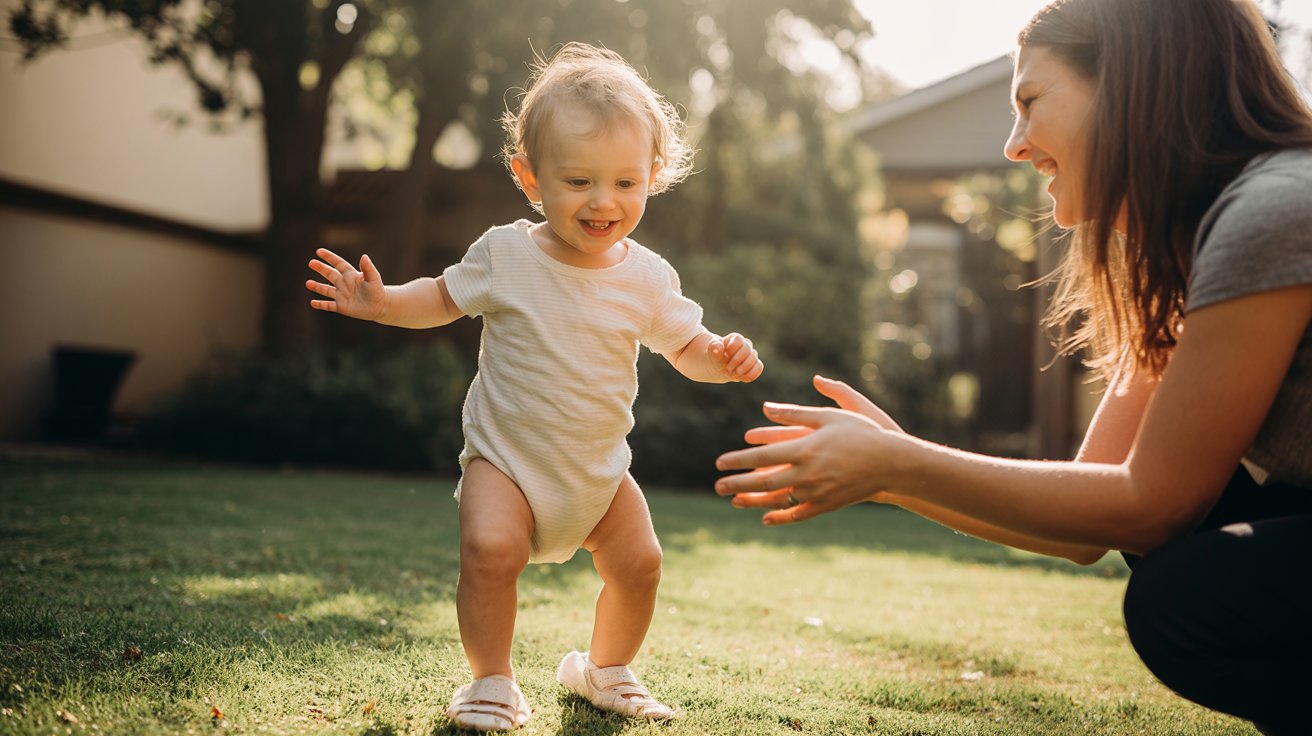
Your baby is getting better at judging distance, which supports crawling, pulling up, and early walking. These physical milestones and visual development are closely connected.
Faces, colors, and moving objects are all processed with much greater clarity. The visual system won’t be fully complete until early childhood, but the first year lays the foundation for everything that follows.
Signs of Healthy Eye Development in Babies
It’s natural to watch your baby closely and wonder whether everything is developing as it should. There are some clear, reassuring signs to look for.
Most babies follow a consistent pattern of visual progress in the first year, and small variations in timing are usually nothing to worry about.
Here are the key signs of healthy eye development:
- Makes eye contact with you during feeding and play
- Tracks a moving object or face with both eyes
- Responds to light by blinking or turning away
- Recognizes your face and reacts to it
- Reaches for objects with increasing accuracy as they grow older
Seeing most of these behaviors appear at the right stages is a good sign that your baby’s vision is developing well. If you’re unsure, your pediatrician can check at routine well-baby visits.
When Should Parents Be Concerned?
Most babies follow a healthy visual development path without any issues. But there are some signs that are worth bringing up with a doctor sooner rather than later.
Catching potential problems early makes a significant difference in outcomes. Pediatric eye conditions respond much better to early treatment.
If you notice any of the following, speak to your pediatrician or a pediatric eye specialist:
- Eyes that consistently cross after four months of age
- No visible response to light at any stage
- Excessive tearing or discharge that doesn’t clear up
- A white appearance in the pupil in photos
- Difficulty tracking a slow-moving object by three to four months
- Persistent shaking or unusual repetitive movements of the eyes
None of these automatically signal a serious problem. But each one is worth professional attention rather than a wait-and-see approach at home.
Common Myths About Babies Opening Their Eyes
There’s a lot of misinformation floating around about newborn vision. Some of it sounds reasonable but doesn’t hold up. Here are the most common ones worth clearing up.
Parents often carry these assumptions into the newborn stage, and clearing them up early helps set realistic expectations.
Here are three myths worth knowing:
- Myth: Babies can clearly see inside the womb.
Reality: They can only detect light and shadow. Clear vision isn’t possible in the womb’s dark environment.
- Myth: Newborns see perfectly the moment they’re born.
Reality: Vision is blurry at birth and develops gradually throughout the first year.
- Myth: Eye color is fixed from birth.
Reality: A baby’s eye color can continue changing for several months after birth, sometimes into the first year.
Understanding what’s actually true helps you watch your baby’s development with the right expectations and fewer unnecessary worries.
Conclusion
That first moment of eye contact changes everything. You’ll remember it. I promise you will.
When do babies open their eyes is a question every new parent asks. But what comes after that, those weeks of slow, steady visual growth, is something worth paying attention to every single day.
You’re not just watching your baby see the world. You’re the first thing worth seeing in it.
If this helped you, bookmark this page and share it with a parent who needs it. Drop your questions or your own newborn moments in the comments below.
Frequently Asked Questions
At What Week Do Babies Open Their Eyes in the Womb?
Most babies open their eyes between 26 and 28 weeks of pregnancy, when the eyelids finally separate. Before this point, the eyelids remain fused closed to protect the developing eye structures.
Can Babies See Light Inside the Womb?
Yes, babies can detect light and shadows during late pregnancy, and may react to bright light directed at the belly. However, this is light sensitivity rather than the ability to see images or shapes clearly.
Do Newborns Open Their Eyes Right After Birth?
Many newborns open their eyes shortly after birth, though bright light can make them squint or keep their eyes closed more often in the first day. Most babies are opening their eyes regularly within the first week.
How Far Can Newborn Babies See?
Newborns see best at a distance of about 8 to 12 inches, which is roughly the distance between a baby’s face and a parent’s face during feeding. Vision at longer distances is blurry at this stage.
When Does a Baby’s Vision Fully Develop?
Vision improves rapidly during the first year, with major milestones in tracking, color recognition, and depth perception. Full visual development continues into early childhood beyond the first year.