

Is your baby struggling to latch? Are feedings painful or taking forever? You might be dealing with a lip tie.
This article covers everything you need to know about lip ties in babies, from what they are to when surgery is actually needed. I’ve seen many parents go through this confusion, and I want to help you get clear answers.
We’ll cover: what a lip tie is, signs to look for, when surgery helps and when it doesn’t, non-surgical options, and recovery and specialist choices.
You deserve straight, honest information backed by medical knowledge.
What Is a Lip Tie in Babies?
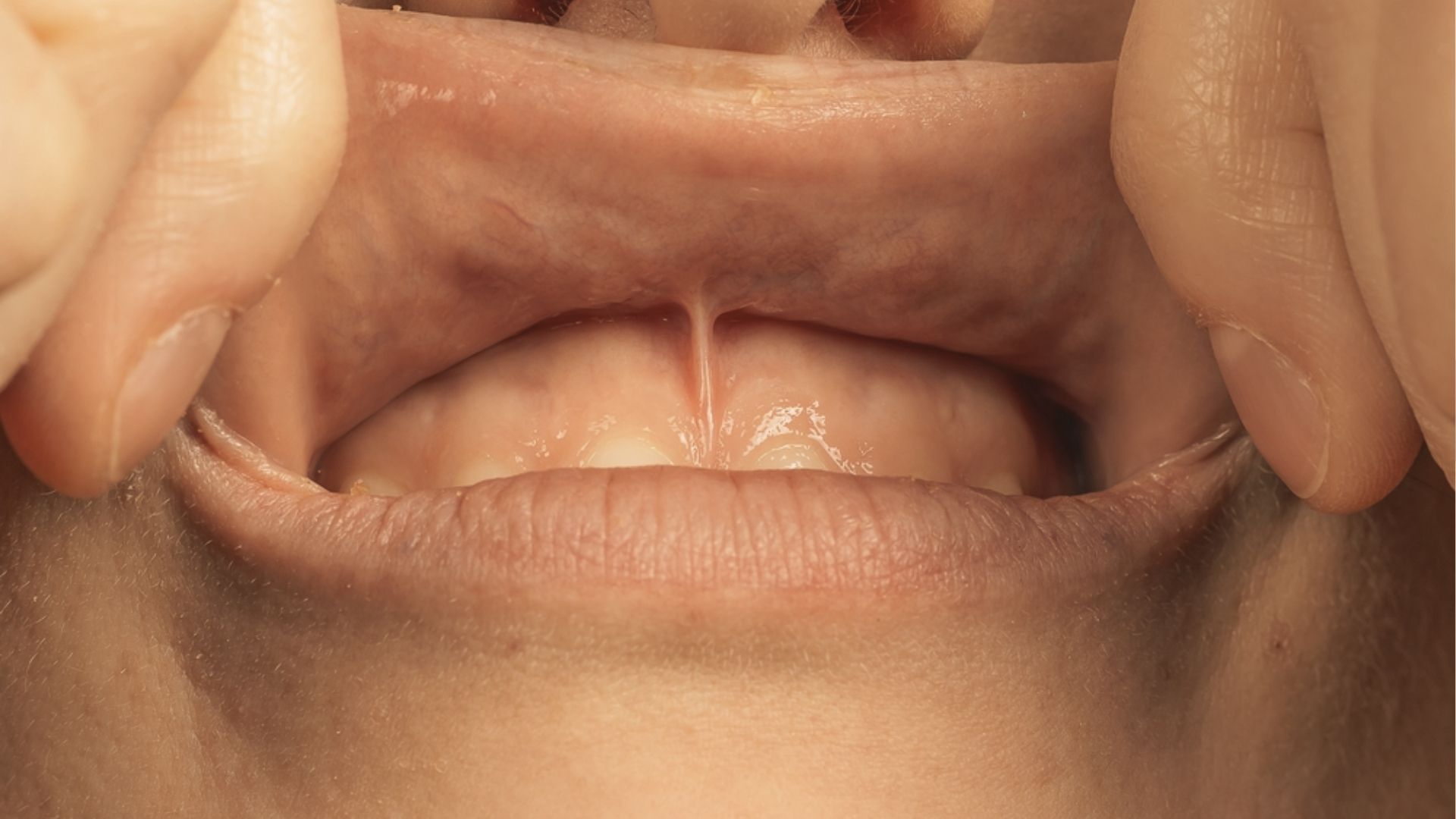
A lip tie happens when the small band of tissue connecting the upper lip to the gum line is too thick, short, or tight. This tissue is called the frenulum.
In most babies, it is thin and flexible. When it is too tight, it limits how far the upper lip can flare outward. This makes it hard for the baby to form a proper seal during breastfeeding, leading to a shallow latch.
A shallow latch can cause pain for the mother, poor milk intake, and long feeding sessions.
A lip tie is often confused with a tongue tie. They are different. A tongue tie affects the tissue under the tongue. A lip tie affects the upper lip.
Both can occur together and both can affect feeding, but a tongue tie usually has a stronger impact on breastfeeding. A proper evaluation is needed to tell them apart.
Do Lip Ties Affect Breastfeeding?
Lip ties can make breastfeeding harder, but not always. It depends on how severe the tie is.
A lip tie can stop the upper lip from flaring outward, creating a shallow latch. This leads to poor milk flow, nipple pain, and short feeding sessions. You may also notice clicking sounds while nursing, which means the baby is losing suction and swallowing air.
For mothers, ongoing nipple pain, cracking, or blocked ducts can make breastfeeding very difficult. Many stop early without ever knowing the real cause.
Poor latch also means less milk is transferred. This can slow the baby’s weight gain and reduce the mother’s supply over time.
That said, not every lip tie causes problems. Many babies with lip ties breastfeed just fine. Most experts agree that treatment is only needed when real, measurable feeding problems exist and do not improve with other support.
Signs Your Baby May Have a Lip Tie
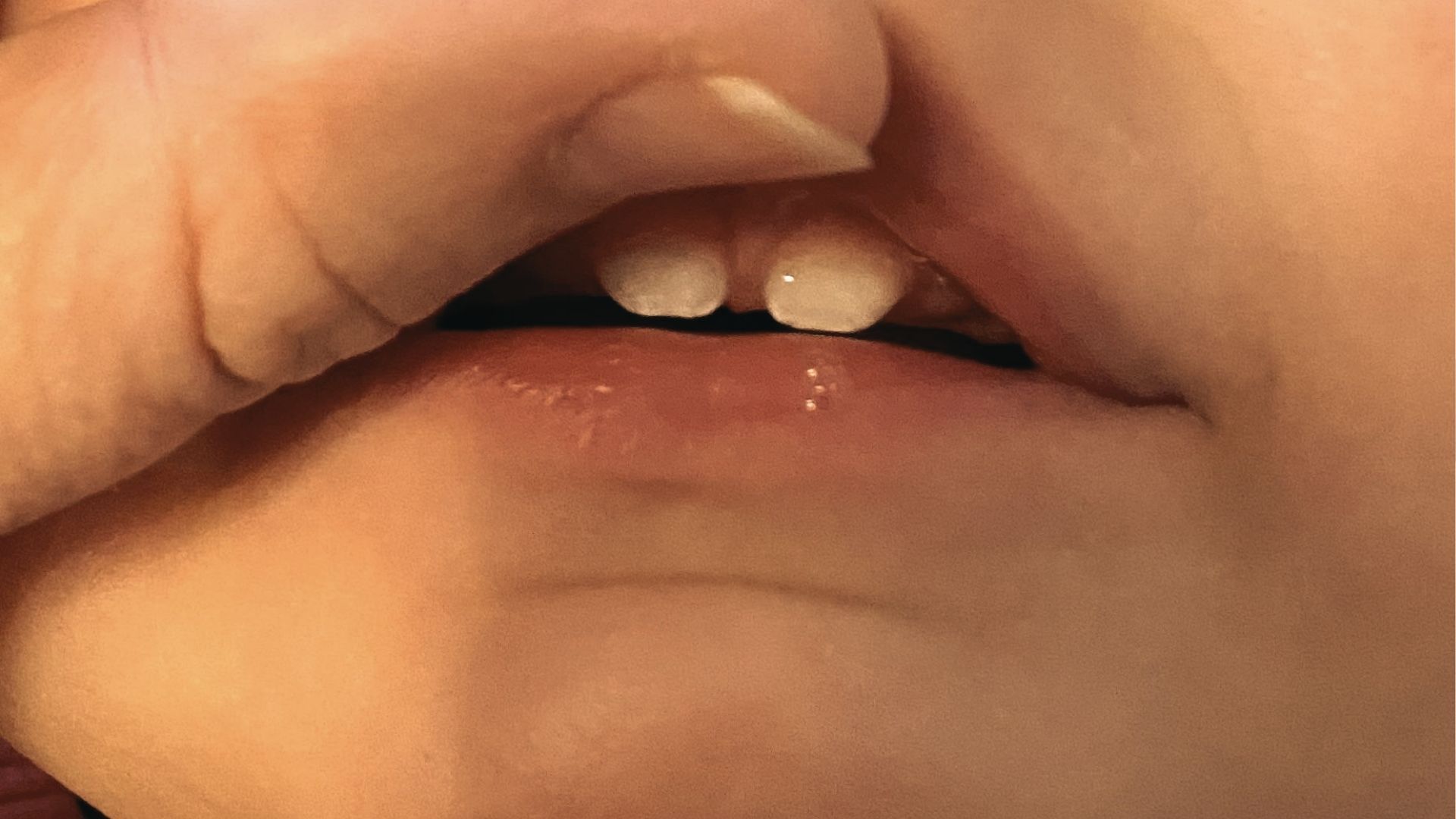
Knowing the signs early can help you get the right support faster.
Feeding Difficulties in Newborns
Newborns with a lip tie may show signs from the very first feeding. These include difficulty staying on the breast, tiring quickly, feeding for a long time without satisfaction, pulling off repeatedly, and poor weight gain in the first weeks.
These signs alone do not confirm a lip tie, but if several appear together, an evaluation is worth seeking.
Tight or Restricted Upper Lip
Gently lift your baby’s upper lip and look at the frenulum. If the tissue looks thick, short, or reaches the gum line near the center, a lip tie may be present.
A restricted lip will not flare outward easily. This is not a diagnosis, but it can help you spot something worth checking.
Gaps Between the Front Teeth
In older children, a tight frenulum can cause a visible gap between the two front upper teeth, called a diastema.
Not all gaps are caused by a lip tie, and some close naturally. But if the frenulum attaches between the teeth, it may stop them from closing properly.
Digestive Issues and Excess Air Intake
Babies with lip ties often swallow extra air during feeds because they cannot hold a proper seal. This can lead to frequent burping, gassiness, colic-like symptoms, and more spitting up.
These signs overlap with reflux and other conditions, so a feeding evaluation helps pinpoint the cause.
Speech or Eating Problems in Older Children
A tight frenulum can limit upper lip movement, making sounds like “m,” “b,” and “p” harder to form. Some children also avoid foods that need a full lip seal, like open cups or certain textures.
These concerns are more common in children whose lip tie was never addressed early on.
How Lip Ties Are Diagnosed

A provider checks where the frenulum attaches, how tight the tissue is, and whether it blanches when the lip is lifted. The exam is quick and needs no special tools.
Lip ties are classified from Class 1 to Class 4. Class 1 has no restriction. Class 4 attaches between the front teeth and is the most severe. Classes 3 and 4 are most likely to cause feeding or dental problems.
Diagnosis is not always straightforward. A pediatrician, lactation consultant, and dentist may each assess the same baby differently. A visible lip tie does not always mean treatment is needed. What matters is whether it is affecting feeding, speech, or dental development.
Specialists who can help include pediatric dentists, ENT specialists, lactation consultants, and feeding therapists. Getting more than one opinion is a smart move when things are unclear.
When Is Surgery Needed for a Lip Tie?

Surgery is not always the answer, but in some cases it can make a real difference.
Severe Breastfeeding Problems That Do Not Improve
If a lactation consultant has worked with you for weeks with no improvement and the lip tie is confirmed to be restricting movement, a surgical release may be the next step. Mild feeding challenges alone are not enough reason to move straight to surgery.
Poor Weight Gain or Nutrition Issues
If a baby is not gaining weight and the cause is traced to a lip tie, this becomes more urgent. The pediatrician and feeding specialists will work together to confirm the cause before recommending surgery.
Persistent Feeding Pain for Mothers
Nursing should not hurt week after week. If nipple pain is clearly linked to a shallow latch from a lip tie and other solutions have not worked, a frenotomy may help both mother and baby.
Significant Speech or Oral Function Problems
If a speech therapist confirms that lip restriction is affecting speech and exercises have not helped, surgery may be suggested. This applies more to older toddlers and children, not infants.
Dental Issues Caused by Severe Lip Ties
A Class 3 or Class 4 lip tie that creates a gap between the front teeth may need a frenectomy before orthodontic work can succeed. This is a dental decision, typically made when the child is older.
Cases Where Early Treatment May Help
Some providers believe early treatment leads to better outcomes. However, this is still debated. Early treatment makes more sense when symptoms are already present.
When Surgery May NOT Be Necessary
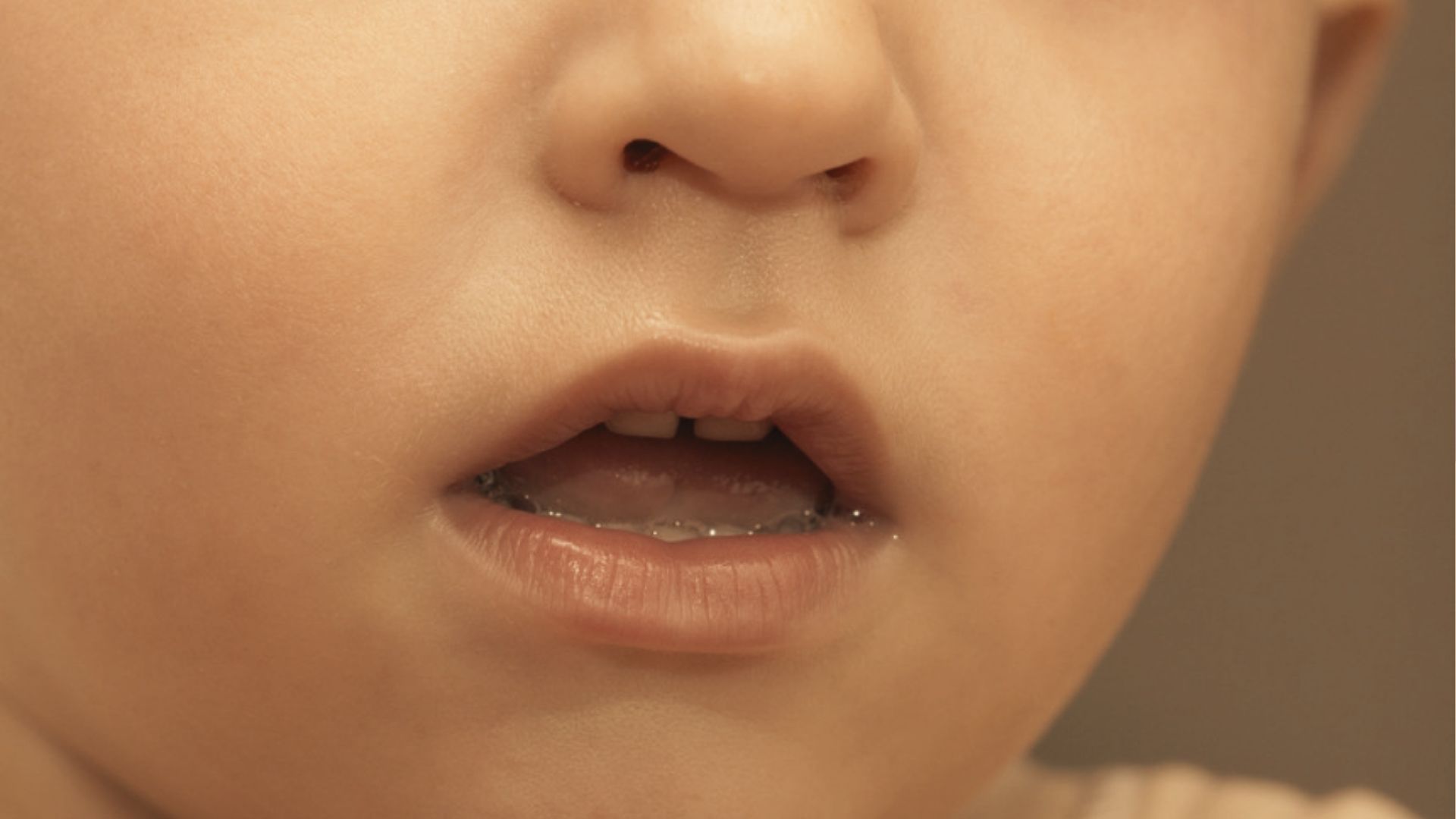
Not every lip tie needs treatment. Many cases resolve on their own.
Why Many Lip Ties Improve Naturally
The frenulum often stretches as a baby grows. What seemed tight in infancy may not be an issue by toddlerhood. This is why many providers suggest a “wait and see” approach first.
Expert Opinions Against Routine Surgery
The American Academy of Pediatric Dentistry cautions against routine frenotomies without clear clinical need. Surgery is sometimes done too quickly, before non-surgical options have been fully tried.
Mild Cases That Only Need Monitoring
If the baby is gaining weight well and breastfeeding is going smoothly, there is no need to treat. Mild lip ties often need only regular monitoring at checkups.
Understanding the Overdiagnosis Debate
Some dentists and lactation consultants diagnose lip ties often. Other pediatricians rarely do. For parents, the best approach is to seek more than one opinion and make sure non-surgical options are fully found before agreeing to any procedure.
Non-Surgical Treatments to Try First

Before surgery, there are several non-surgical steps worth taking.
Working With a Lactation Consultant
A certified lactation consultant (IBCLC) is one of the most valuable resources for a breastfeeding family dealing with feeding difficulties.
They can assess the latch in real time, make specific recommendations for positioning, and help rule out other causes of feeding problems.
In many cases, improvements in technique alone can make a significant difference, even when a lip tie is present.
Improving Breastfeeding Position and Latch
Small changes in how the baby is positioned can sometimes reduce the impact of a lip tie. Laid-back breastfeeding, where the mother reclines slightly and lets the baby feed with gravity support, can allow the baby to open wider.
Techniques to encourage a deeper latch, such as nose-to-nipple positioning and waiting for a wide-open mouth before latching, can also help.
Feeding Therapy and Oral Exercises
A feeding therapist or occupational therapist who specializes in infant feeding can teach oral exercises to help the baby use their lips more effectively. These exercises involve gentle stimulation of the lips, cheeks, and jaw to build muscle tone and coordination.
These exercises will not release a tight frenulum, but they can help the baby compensate and feed more efficiently.
Monitoring Feeding and Growth Progress
Regular weight checks and feeding logs can help you and your care team track whether things are improving or getting worse.
This information is important when making decisions about whether to move forward with surgery.
If the baby is gaining weight steadily and feeding is getting easier over time, that is a strong sign that surgery may not be needed.
Lip Tie Surgery Explained
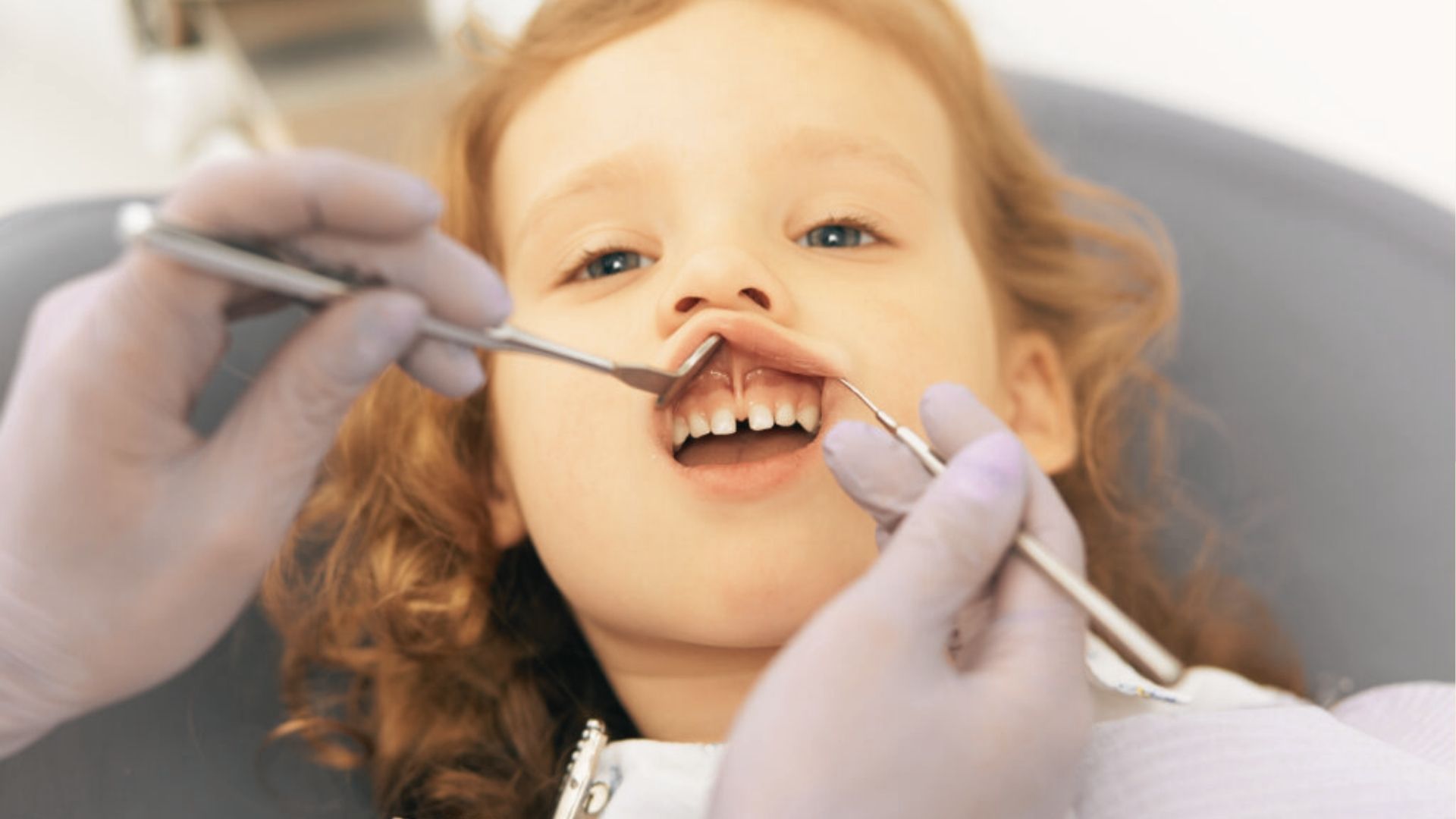
If non-surgical options have not helped, surgery is a straightforward next step.
A frenotomy is the most common choice for infants. The frenulum is cut to release the restriction. It takes only a few minutes, needs no general anesthesia, and the baby can feed right after.
A frenectomy removes a portion of the frenulum completely. It is used for older children or when reattachment is likely. Recovery takes a little longer and stitches may be needed.
For the procedure itself, the provider lifts the upper lip and releases the frenulum using either a laser or scissors. Both are safe and effective.
Numbing gel or a small anesthetic is used beforehand. The release takes under one minute. The full appointment is usually 30 to 45 minutes.
Recovery After Lip Tie Surgery
Recovery is usually quick, but knowing what to expect helps you feel ready.
Feeding After the Procedure
Most providers encourage breastfeeding right after surgery. It soothes the baby and keeps the area clean. Some parents notice improvement in latch the same day.
Others see changes over the next one to two weeks as the baby adjusts to new lip movement.
Healing Time and Aftercare
The wound heals within one to two weeks. A white or yellow color at the site is normal. It is just new tissue forming.
Aftercare usually includes keeping the area clean, watching for redness or fever, and doing gentle stretching exercises as directed.
Stretching Exercises and Wound Care
Daily stretching helps stop the tissue from reattaching. You gently lift the upper lip and sweep a clean finger along the release site.
It may bother the baby, but it is important. Your provider will show you exactly how to do it.
Signs of Proper Healing
Look for these signs that things are going well:
- The site turns from white or yellow to pink within two weeks
- The upper lip moves more freely
- Latch and feeding feel more comfortable
- Baby feeds normally without extra fussiness
Call your provider right away if you notice fever, swelling, or unusual discharge.
Risks and Benefits of Lip Tie Surgery
Like any procedure, surgery comes with both potential benefits and real risks.
|
Benefits |
Risks |
|
Better latch and deeper feeding seal |
Short-term pain and fussiness |
|
Less nipple pain for breastfeeding mothers |
Minor bleeding after the procedure |
|
Improved milk transfer and weight gain |
Rare risk of infection |
|
Less air intake and reduced gassiness |
Scarring or frenulum reattachment |
|
Better upper lip movement for speech and eating |
Oral aversion to bottle or breast |
Choosing the Right Specialist for Lip Tie Treatment
The right specialist depends on your baby’s needs and where you are in the process.
Pediatric dentists are often the most experienced for diagnosing and treating lip ties. Look for one with specific experience in infant oral function.
Pediatric ENT specialists are a good fit if your baby has both a lip tie and a tongue tie or other oral concerns.
Lactation consultants help you try non-surgical options first and support feeding before and after any procedure.
Feeding and speech specialists are most helpful for older children dealing with speech or eating concerns.
Conclusion
If you are reading this, you are already doing the right thing for your baby by looking for answers. Lip ties can feel overwhelming, but most cases are manageable with the right support.
I remember how stressful it felt trying to figure out if my baby’s feeding struggles had a simple fix. Not every lip tie needs surgery. Start with a good lactation consultant and ask questions.
Share this article if it helped you, or drop a comment with your experience. Other parents need to hear your story too.
Frequently Asked Questions
Can a lip tie fix itself without surgery?
Yes, in many mild cases the frenulum stretches naturally as the baby grows. If feeding is going well and weight gain is on track, surgery is often not needed.
How do I know if my baby’s lip tie is serious?
If your baby has ongoing latch problems, poor weight gain, or if breastfeeding is consistently painful for you, that is a sign the lip tie may be affecting function. A specialist evaluation can help you decide next steps.
Is lip tie surgery painful for babies?
The procedure is quick and local numbing is usually used. Most babies cry from being held still more than from pain. Fussiness after the procedure is common but typically short-lived.
At what age should a lip tie be treated?
Treatment is most often considered in the newborn period if breastfeeding is affected. For dental concerns, it may be addressed later in childhood. There is no single right age. Timing depends on the problem being caused.
What is the difference between a frenotomy and a frenectomy?
A frenotomy is a simple cut to release the tight tissue. A frenectomy removes a portion of the tissue completely. A frenectomy is more thorough but has a slightly longer recovery time.