
Finding activities for your baby can feel overwhelming. You want to do the right things, but where do you start?
This article covers 23 infant activities that support your baby's growth through play. You'll find ideas for sensory play, motor skills, and bonding. I've spent years working with early childhood development, and these activities actually work.
Here you'll learn why sensory play matters, get 23 easy activities to try at home, find out how to pick the right ones for your baby's age, and walk away with simple safety tips to keep in mind.
Let's get started.
Why Sensory Infant Activities Matter for Baby Development
Babies learn fast. In the first year, their brains grow more than at any other time in life.
Every time your baby touches a soft blanket, hears your voice, or watches a moving toy, their brain is making new connections. Simple things like crinkly paper or a soft song can go a long way.
The first 12 months are a key window for brain development. Babies who get regular sensory play tend to hit milestones faster and stay calmer.
Reaching, grabbing, rolling, and splashing all build muscles and coordination. Sensory play is not just fun. It is doing real work in the background.
You don't need fancy toys. Everyday items work just as well.
23 Infant Activities Every Parent Should Try
Simple, safe, and fun ideas to help your baby learn, grow, and thrive every day.
1. Tummy Time Sensory Exploration
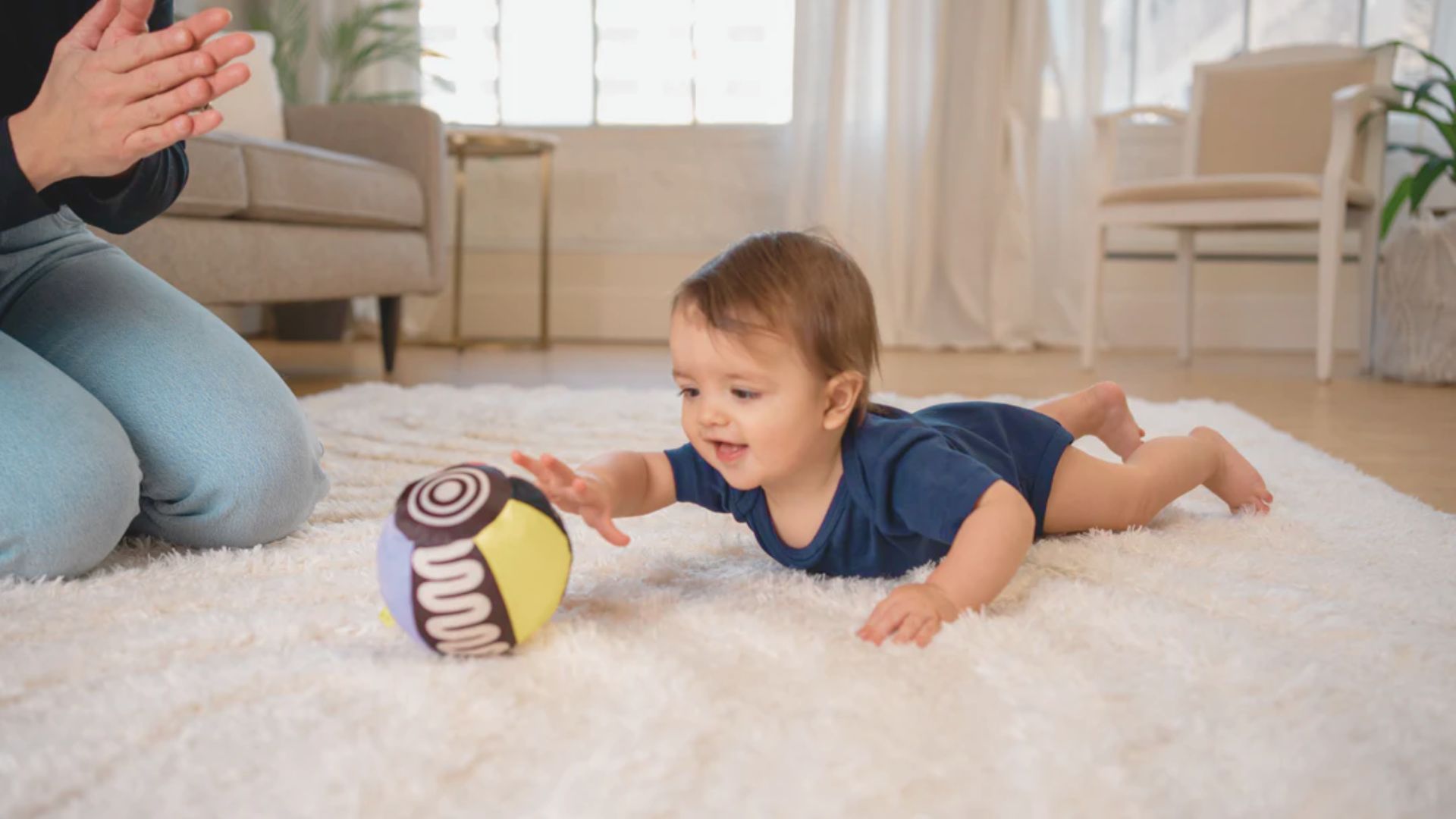
Place your baby on their tummy on a soft mat or blanket. Put a few textured objects in front of them, like a crinkly toy, a soft cloth, or a small mirror.
Tummy time builds neck and shoulder strength. Adding textures makes it more interesting for your baby and keeps them engaged longer.
Age: 0 to 6 months Time needed: 3 to 5 minutes
2. Mirror Play for Visual Awareness
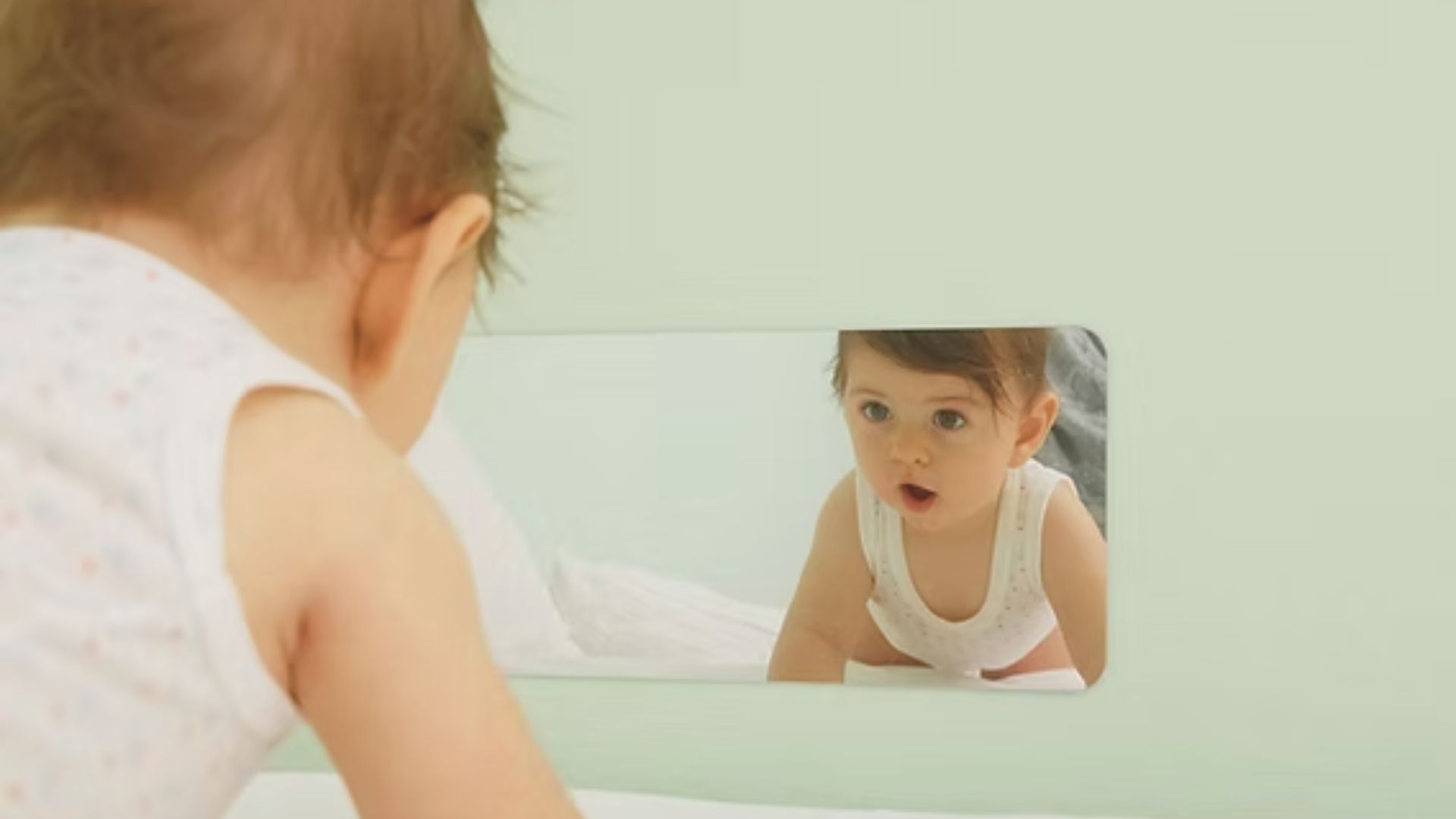
Hold a baby-safe mirror in front of your baby. Let them look at their own reflection. Make faces and watch them respond.
Babies are drawn to faces, especially their own. Mirror play builds visual tracking and early self-awareness.
Age: 2 to 6 months Time needed: 5 minutes
3. Treasure Basket Texture Play
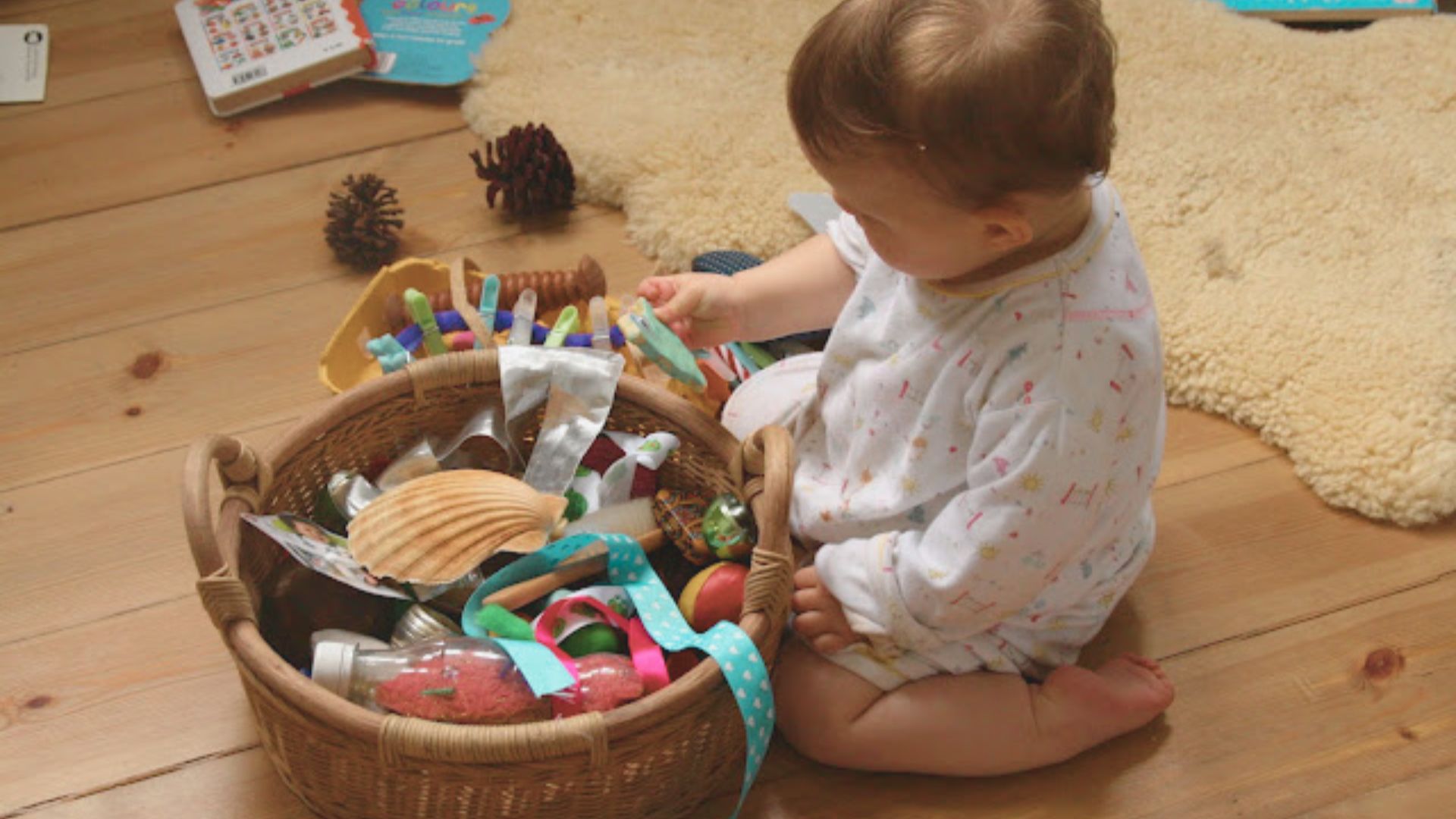
Fill a small basket with safe household items of different textures. Try a wooden spoon, a soft cloth, a silicone spatula, and a smooth stone.
Let your baby pick up and explore each item on their own. This builds grip strength and curiosity.
Age: 6 to 12 months Time needed: 10 to 15 minutes
4. Music and Singing for Auditory Stimulation
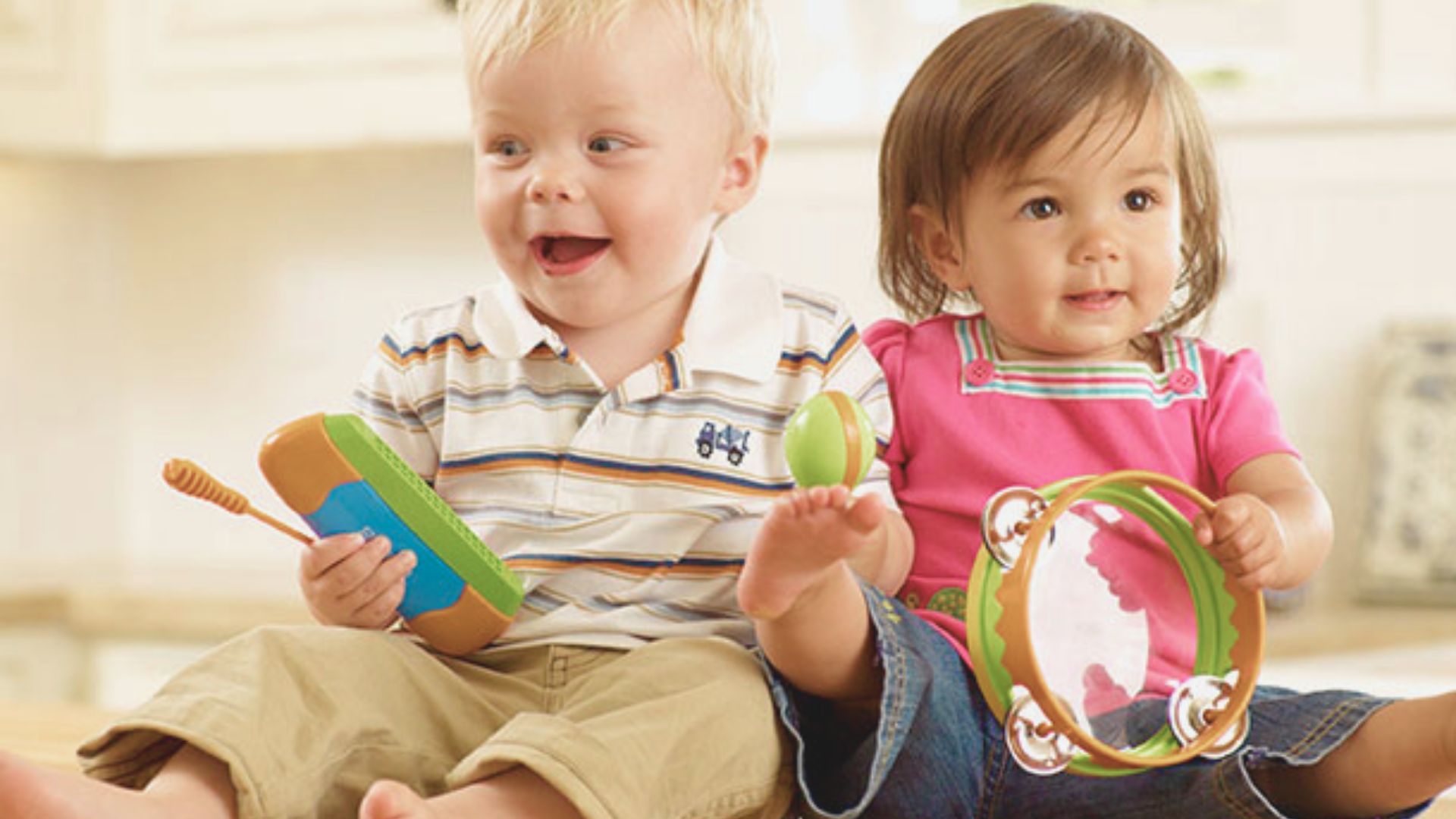
Sing to your baby every day. It doesn't matter if you're off-key. Use nursery rhymes, made-up songs, or just hum a tune.
Music supports early language, listening skills, and emotional connection. Your voice is your baby's favorite sound.
Age: 0 to 12 months Time needed: Anytime
5. Baby Sign Language with Visual Cues

Teach your baby simple signs like "more," "milk," and "all done." Pair each sign with the spoken word every time you use it.
Baby sign language gives pre-verbal babies a way to communicate. It reduces frustration and supports early language development.
Age: 6 to 12 months Time needed: Ongoing, a few seconds each time
6. Sensory Gel Bag (Mess-Free Touch Play)
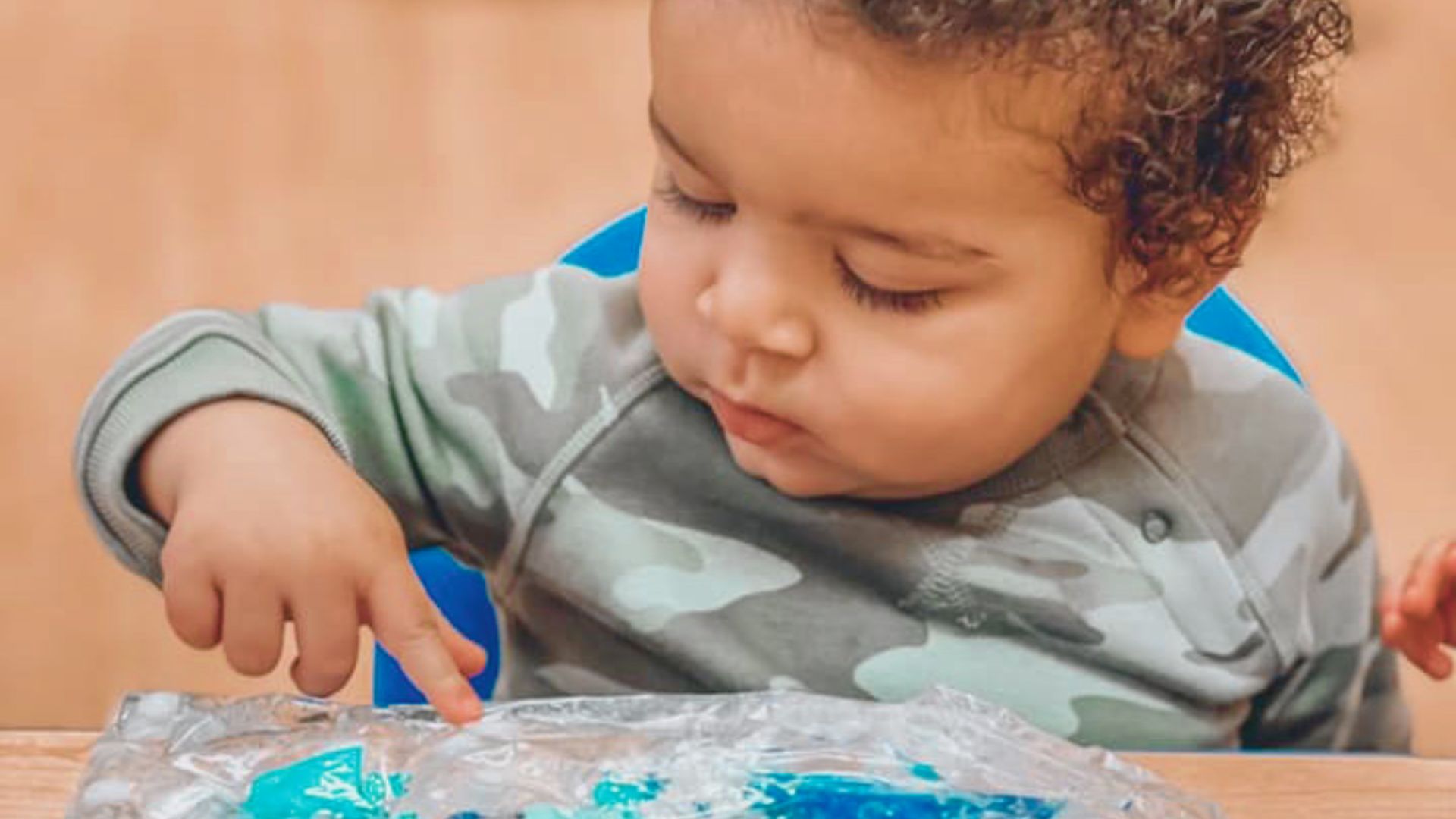
Put hair gel, small beads, glitter, or colored water inside a zip-lock bag. Seal it tightly with tape. Let your baby poke, press, and slide the bag around.
This is great for babies who aren't ready for messy play. They get the sensory input without the cleanup.
Age: 3 to 9 months Time needed: 10 minutes
7. Sensory Storytime (Touch and Sound Books)
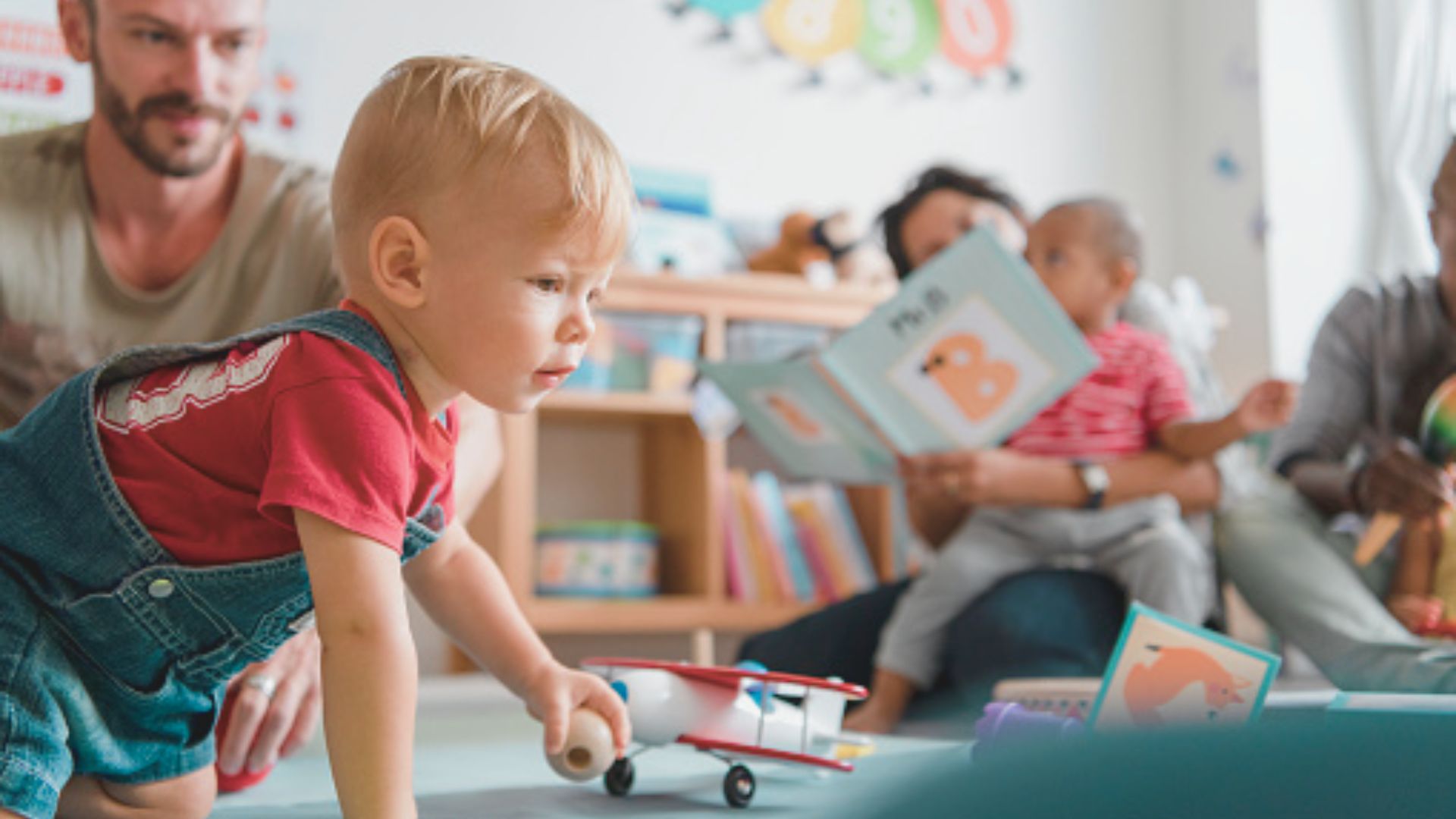
Choose books with textures, flaps, or sound buttons. Read aloud while guiding your baby's hand to touch the different surfaces.
This builds listening skills, hand-eye coordination, and a love of books from a very early age.
Age: 3 to 12 months Time needed: 10 minutes
8. Nature Walk Sensory Exploration

Take your baby outside for a slow walk. Let them feel a leaf, listen to birds, or watch the light through the trees.
Fresh air and new environments stimulate all the senses at once. Even a short walk in the yard counts.
Age: 0 to 12 months Time needed: 10 to 20 minutes
9. Mess-Free Zip Bag Painting
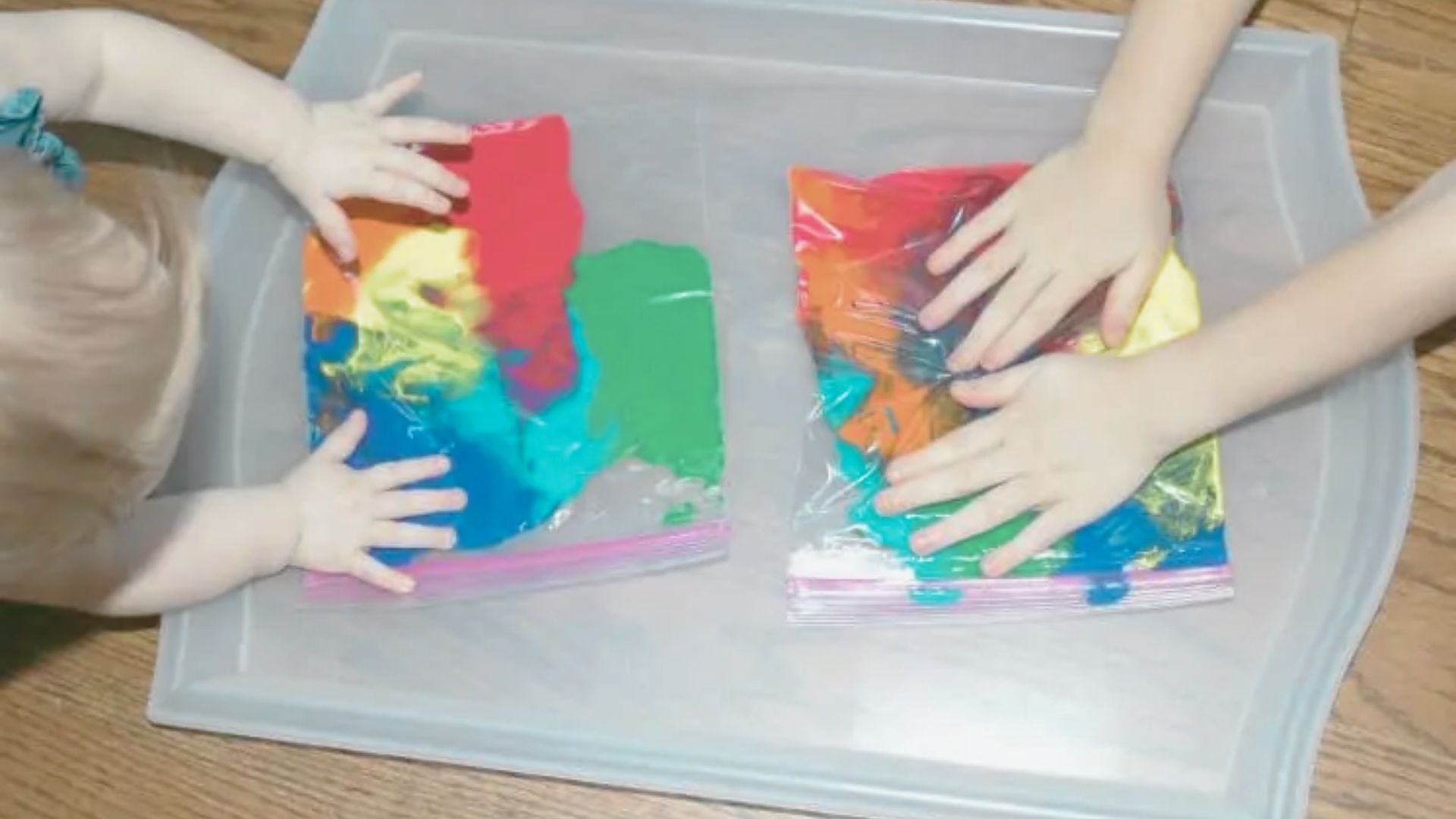
Squeeze a few colors of non-toxic paint into a zip-lock bag. Seal it shut. Tape it to a high chair tray or table.
Your baby can push the paint around with their fingers and watch the colors mix. No mess, lots of fun.
Age: 4 to 10 months Time needed: 10 minutes
10. Music and Movement Sensory Play
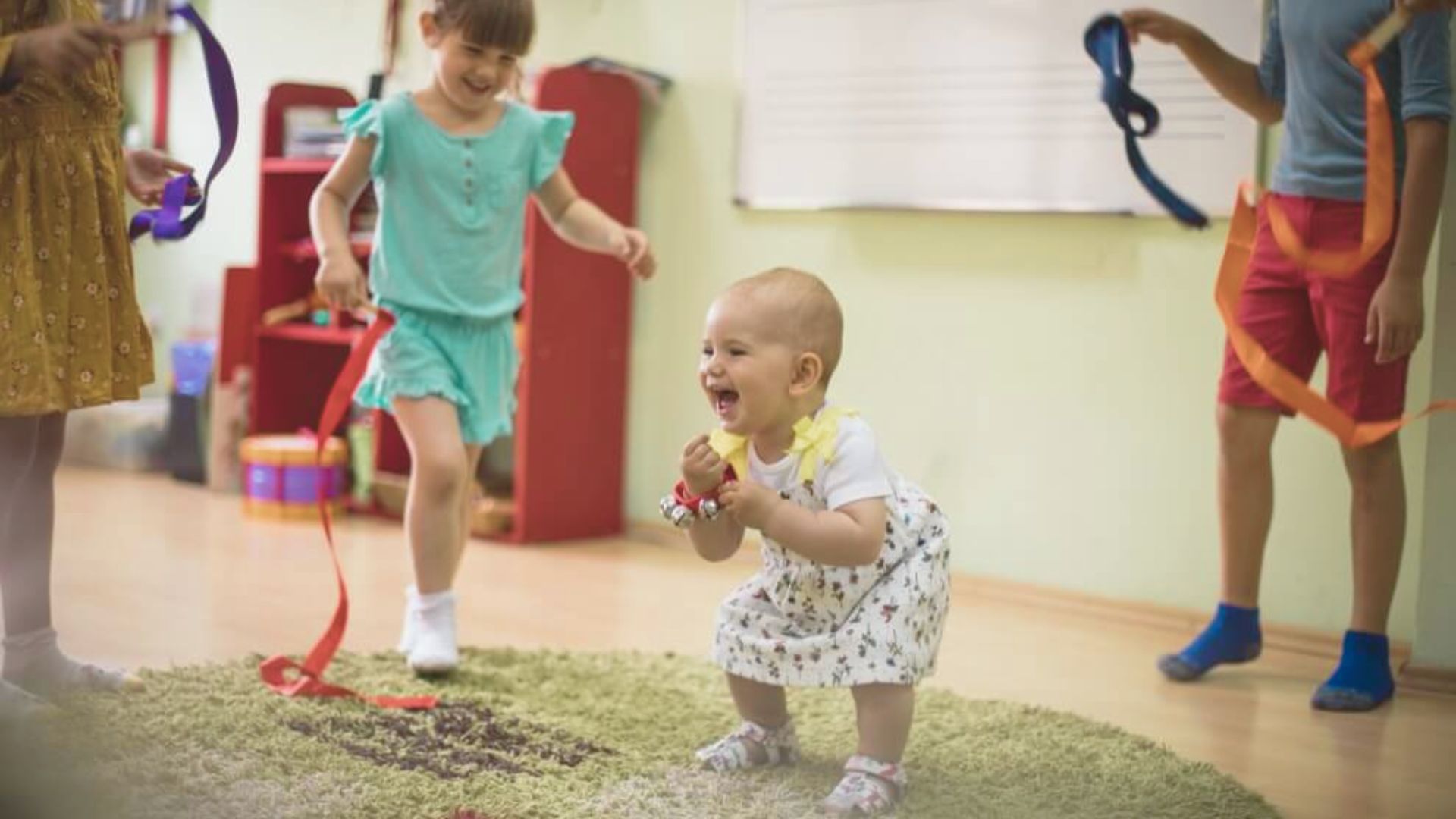
Put on music and move with your baby. Hold them and sway, bounce them gently, or clap their hands in rhythm.
Moving to music builds body awareness, coordination, and a sense of rhythm. It's also a great way to bond.
Age: 0 to 12 months Time needed: 5 to 10 minutes
11. Sponge Water Squeeze Activity
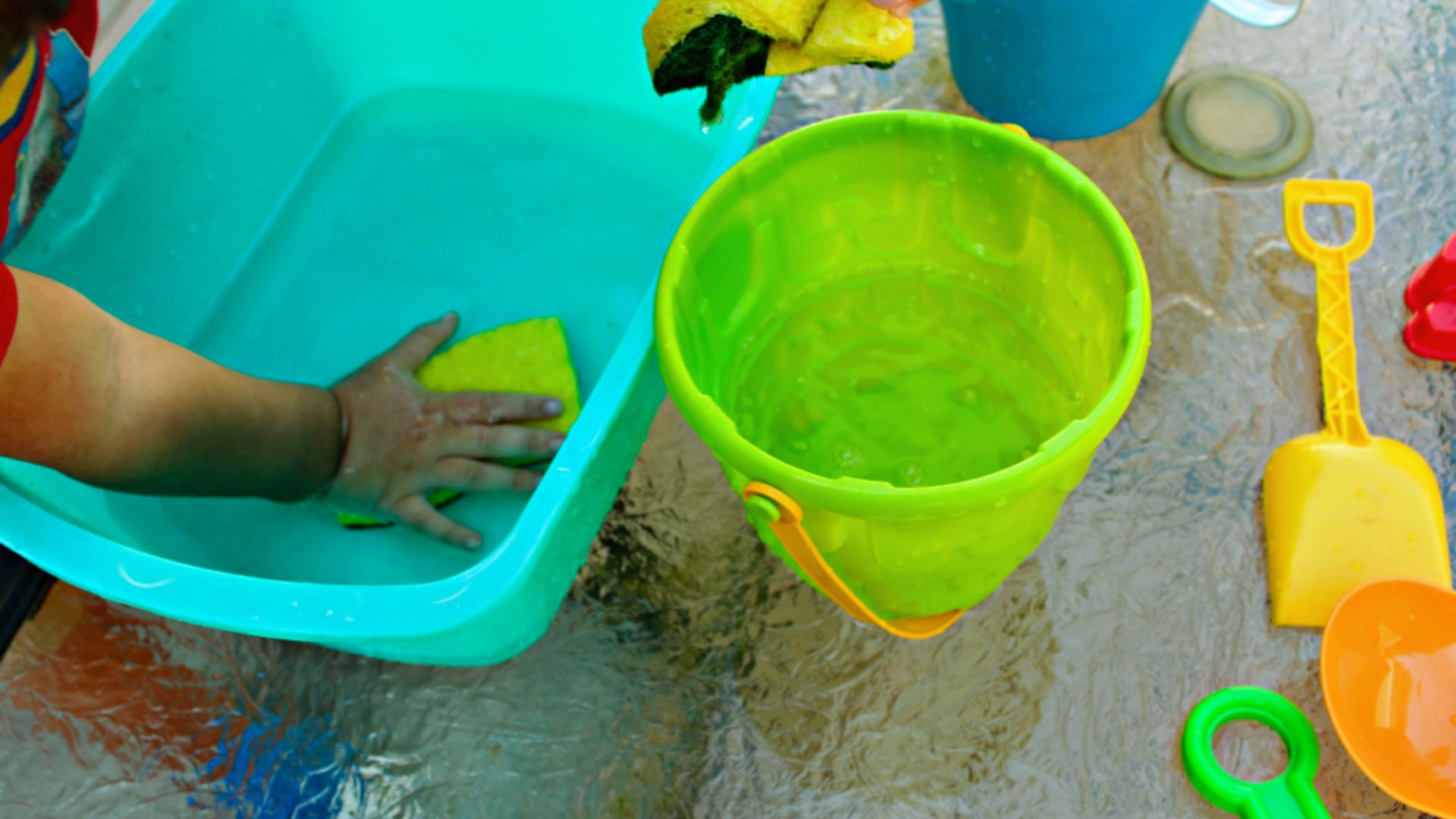
Fill a shallow tub with a few inches of warm water. Drop in a few clean sponges of different sizes. Let your baby squeeze, splash, and find.
This builds hand strength and teaches cause and effect. Squeeze the sponge, water comes out.
Age: 6 to 12 months Time needed: 15 minutes
12. Gelatin Texture Exploration
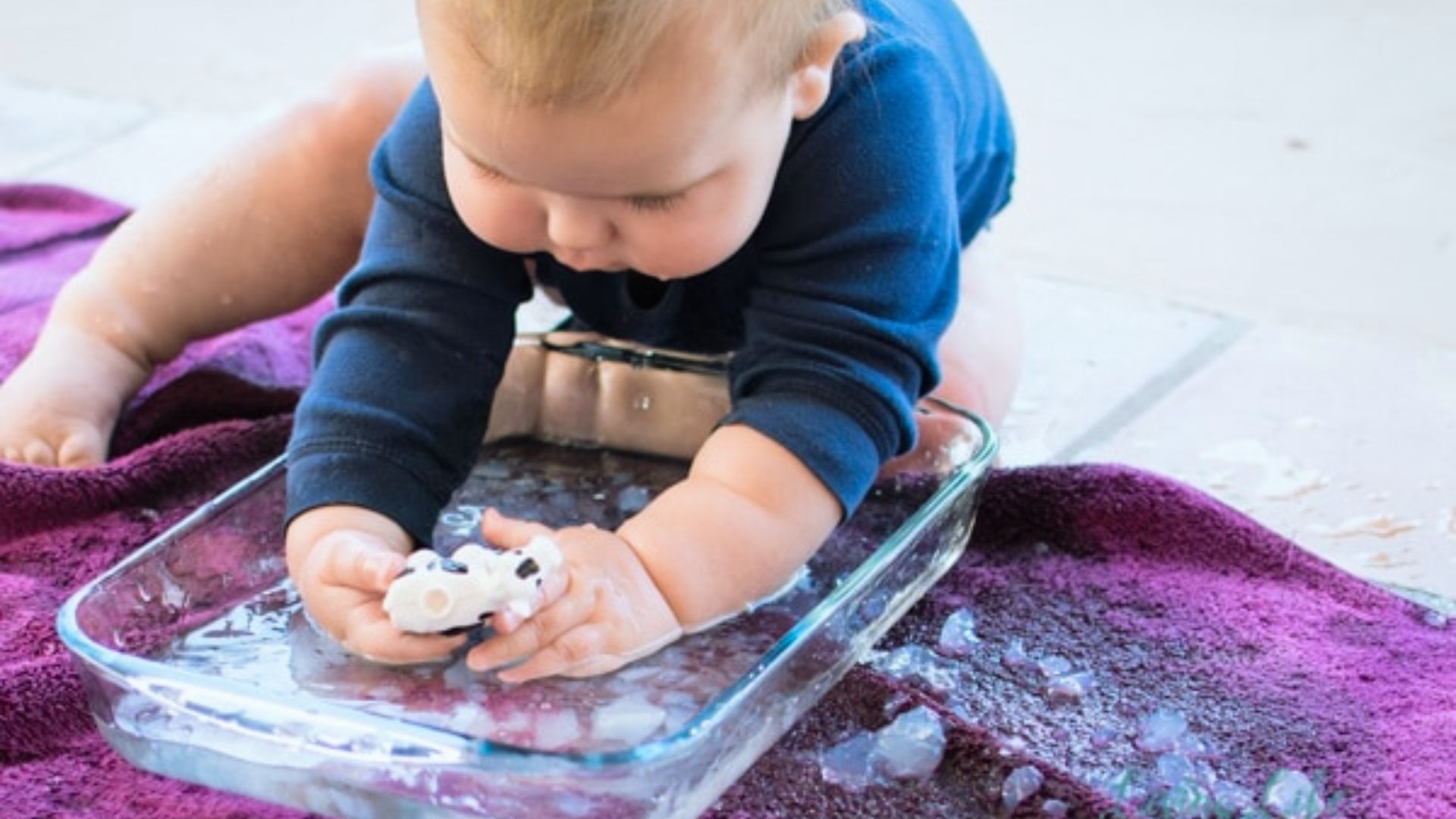
Make a batch of plain gelatin and let it cool. Place it in a shallow dish and let your baby touch and squish it.
Gelatin has a very different feel than most things babies touch. It jiggles, slides, and falls apart in surprising ways.
Age: 6 to 12 months Time needed: 15 to 20 minutes
13. Edible Oat Play Dough Sensory Play
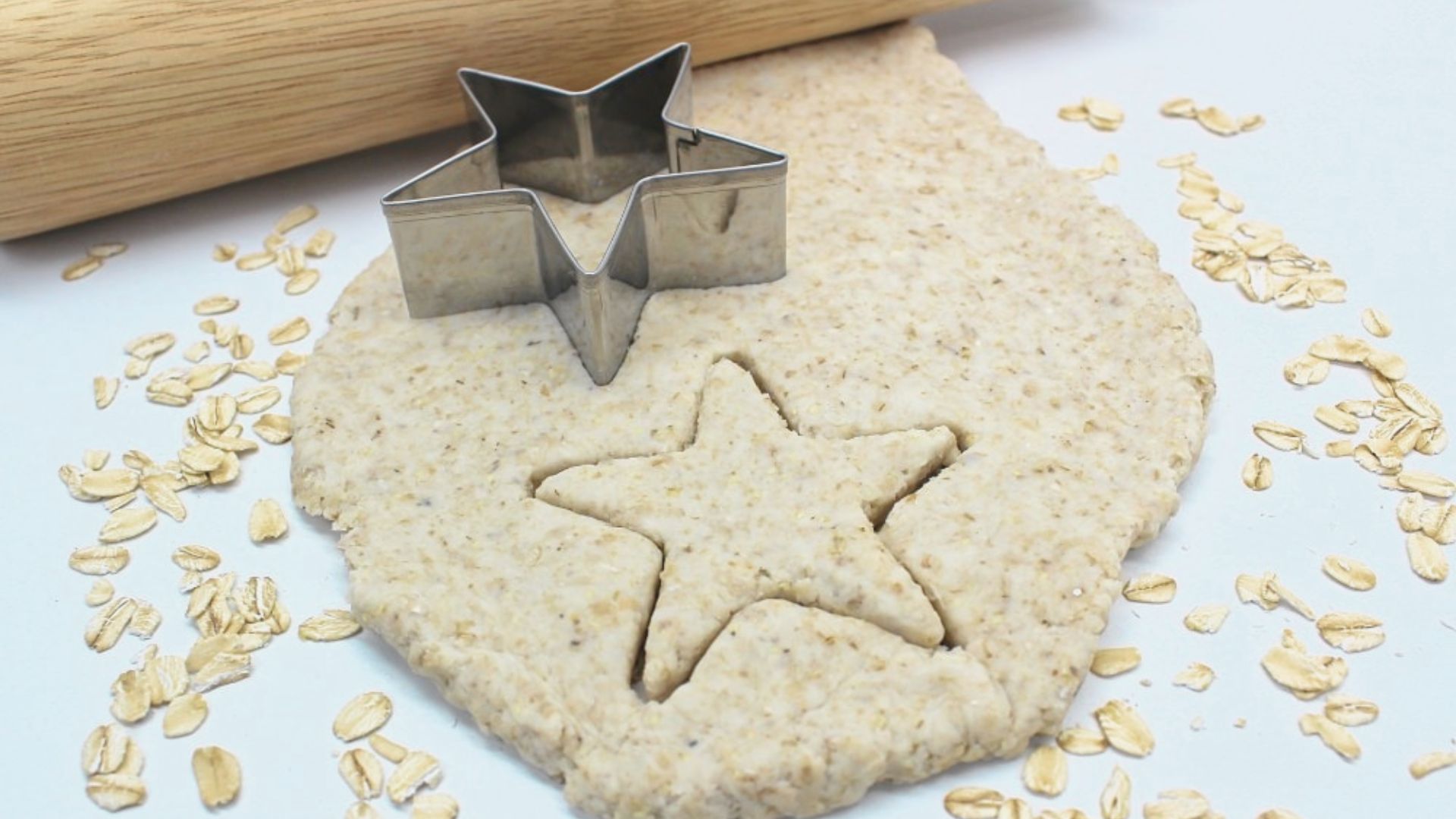
Mix oats, water, and a little flour to make a soft, edible dough. Let your baby poke, pull, and squeeze it.
This is safe if it goes in their mouth. It's great for building fine motor skills and exploring texture.
Age: 6 to 12 months Time needed: 15 minutes
14. Tape Pull Fine Motor Activity
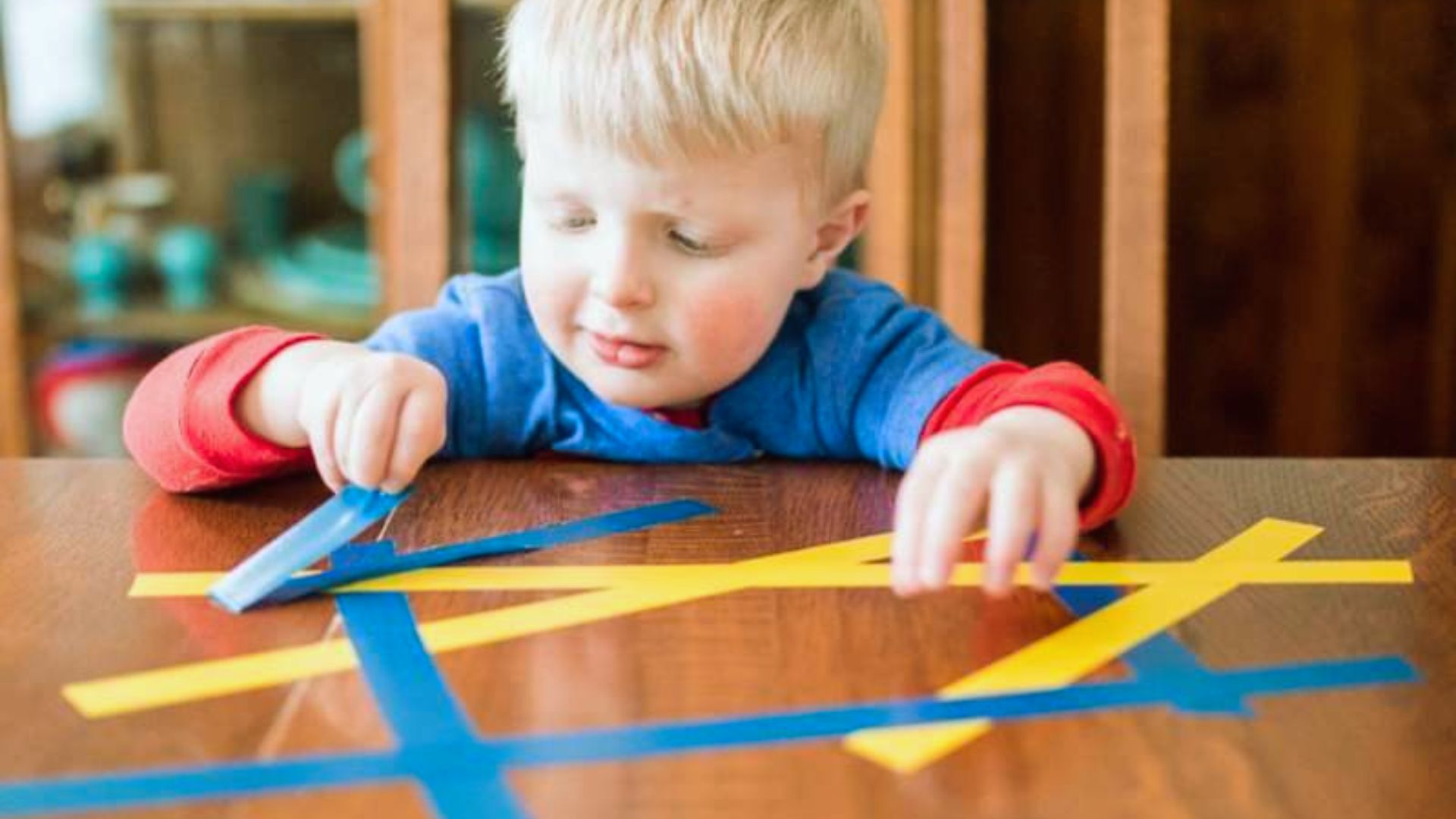
Stick strips of painter's tape to a tray, high chair, or safe surface. Let your baby peel the tape off on their own.
This simple activity builds finger strength and pincer grip, both key skills for writing and self-feeding later on.
Age: 8 to 12 months Time needed: 10 minutes
15. Water Bin Splash Sensory Play

Fill a small plastic bin with an inch or two of warm water. Let your baby slap the surface, splash, and explore.
This teaches cause and effect while giving great tactile input. Keep a towel nearby.
Age: 5 to 12 months Time needed: 15 to 20 minutes
16. Water Art with Hands and Brushes
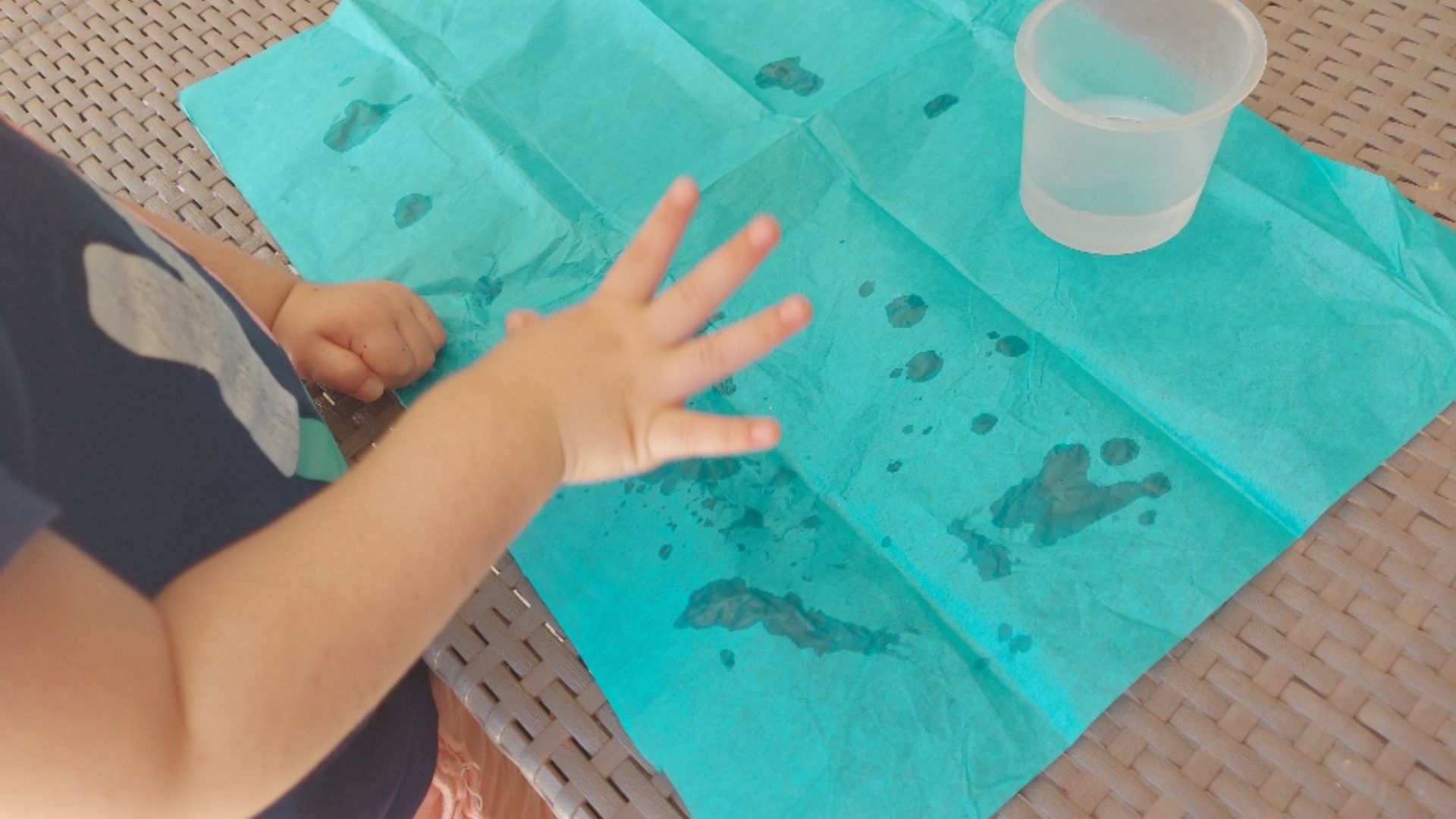
Give your baby a cup of water and a large paintbrush. Let them "paint" on dark paper or a chalkboard with water.
They'll watch the water marks appear and fade. This is a calm, creative activity that builds focus and fine motor control.
Age: 8 to 12 months Time needed: 10 minutes
17. Taste-Safe Finger Painting

Use pureed baby food, yogurt, or edible paint to let your baby finger paint on paper or a tray. Let them smear, press, and explore.
This is one of the most sensory-rich activities you can do, and it's completely safe if it ends up in their mouth.
Age: 6 to 12 months Time needed: 15 minutes
18. Sensory Boxes (Touch, Feel, Pull)
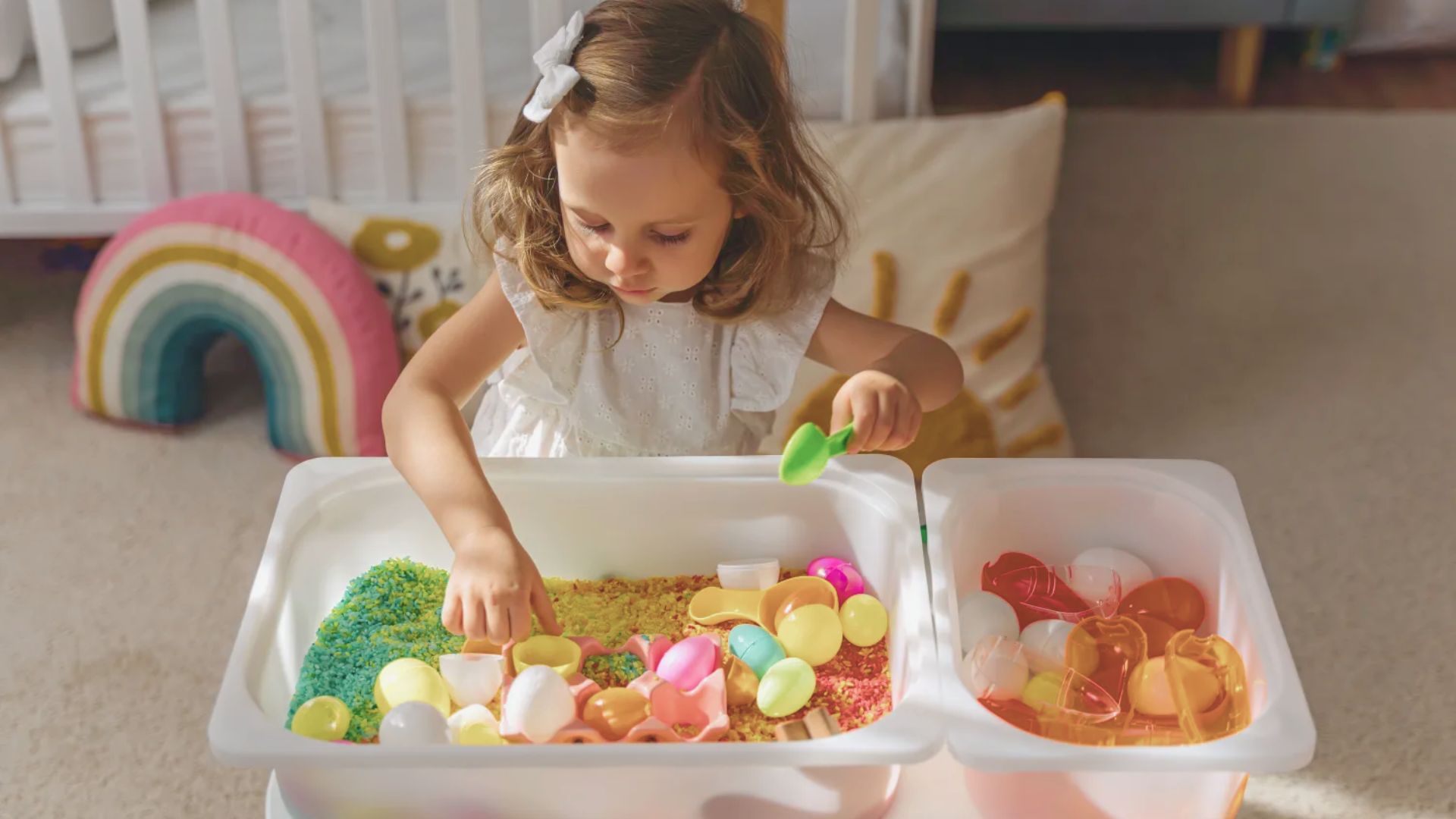
Fill a shoebox with safe items of different textures. Try cotton balls, crinkled paper, a smooth rock, and a small soft toy. Let your baby reach in and pull things out.
This builds curiosity, grip strength, and problem-solving skills.
Age: 6 to 12 months Time needed: 10 to 15 minutes
19. Smelling Spices for Scent Exploration

Open small jars of mild spices like cinnamon, vanilla extract, or dried lavender. Hold each one a few inches from your baby's nose.
Watch their faces. Some smells will make them smile. Some will make them scrunch up. It's a great sensory workout for the nose.
Age: 4 to 12 months Time needed: 5 minutes
20. Kitchen Play Sensory Experience
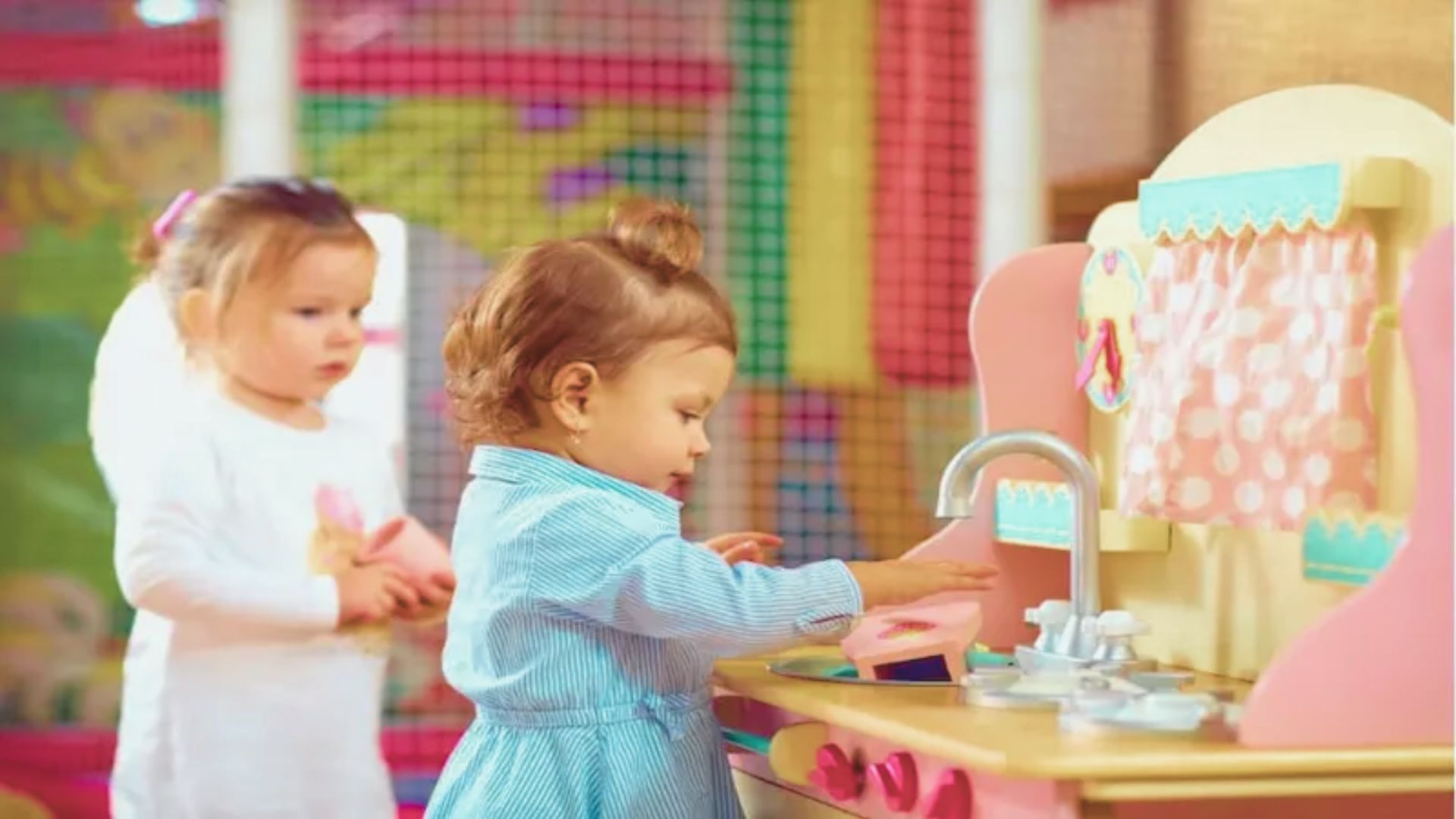
Give your baby safe kitchen items to explore. Try wooden spoons, silicone spatulas, plastic cups, and metal bowls to bang on.
Babies love to bang and clatter. This activity builds sound awareness, grip, and cause-and-effect thinking.
Age: 6 to 12 months Time needed: 15 minutes
21. Ice Cube Cold Sensory Play
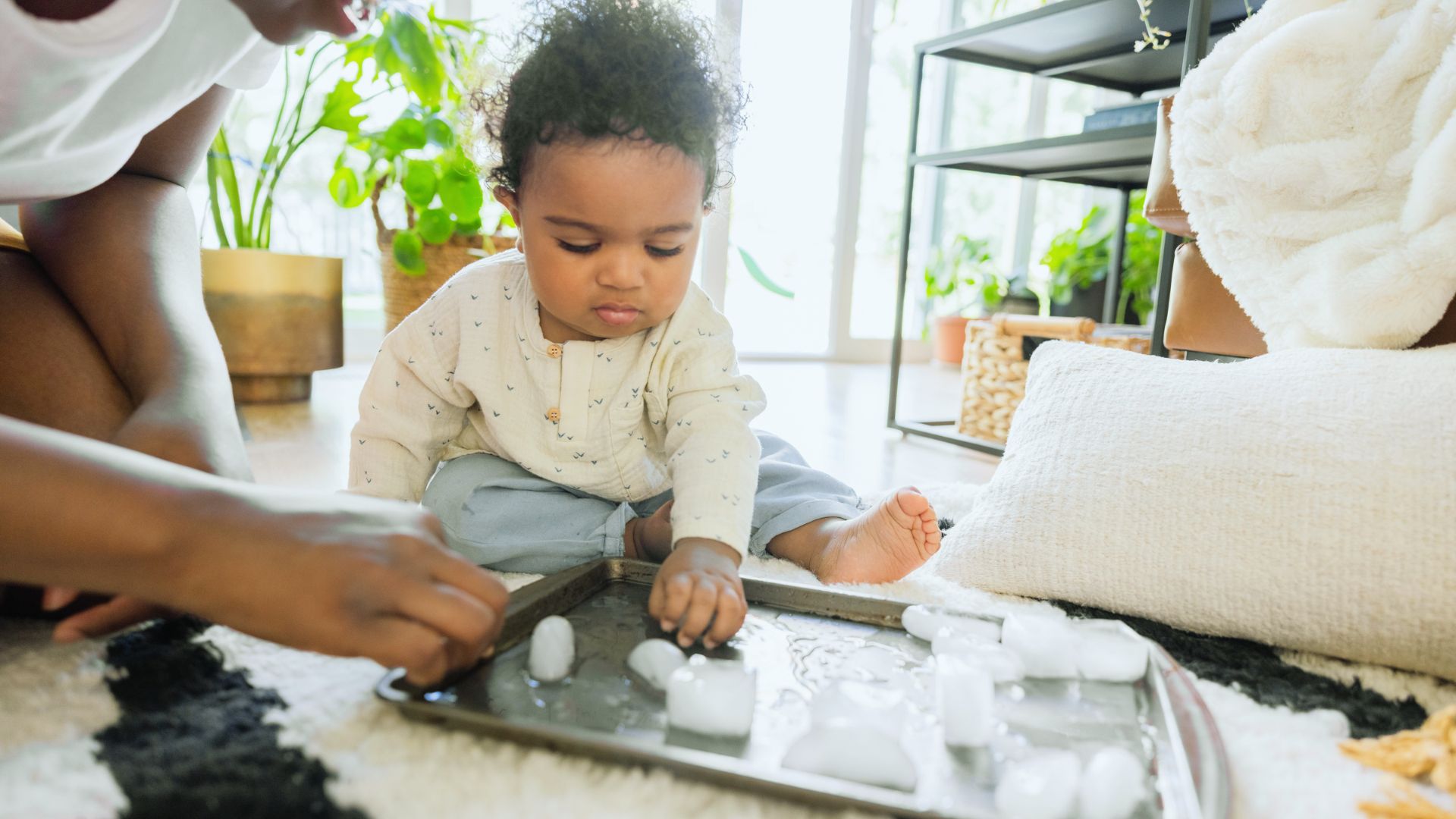
Place a few ice cubes in a shallow tray. Let your baby touch, slide, and explore them.
Cold is a strong sensory input. Watch their faces as they feel the ice melt in their hands. Always supervise closely.
Age: 8 to 12 months Time needed: 5 to 10 minutes
22. Sink or Float Water Experiment
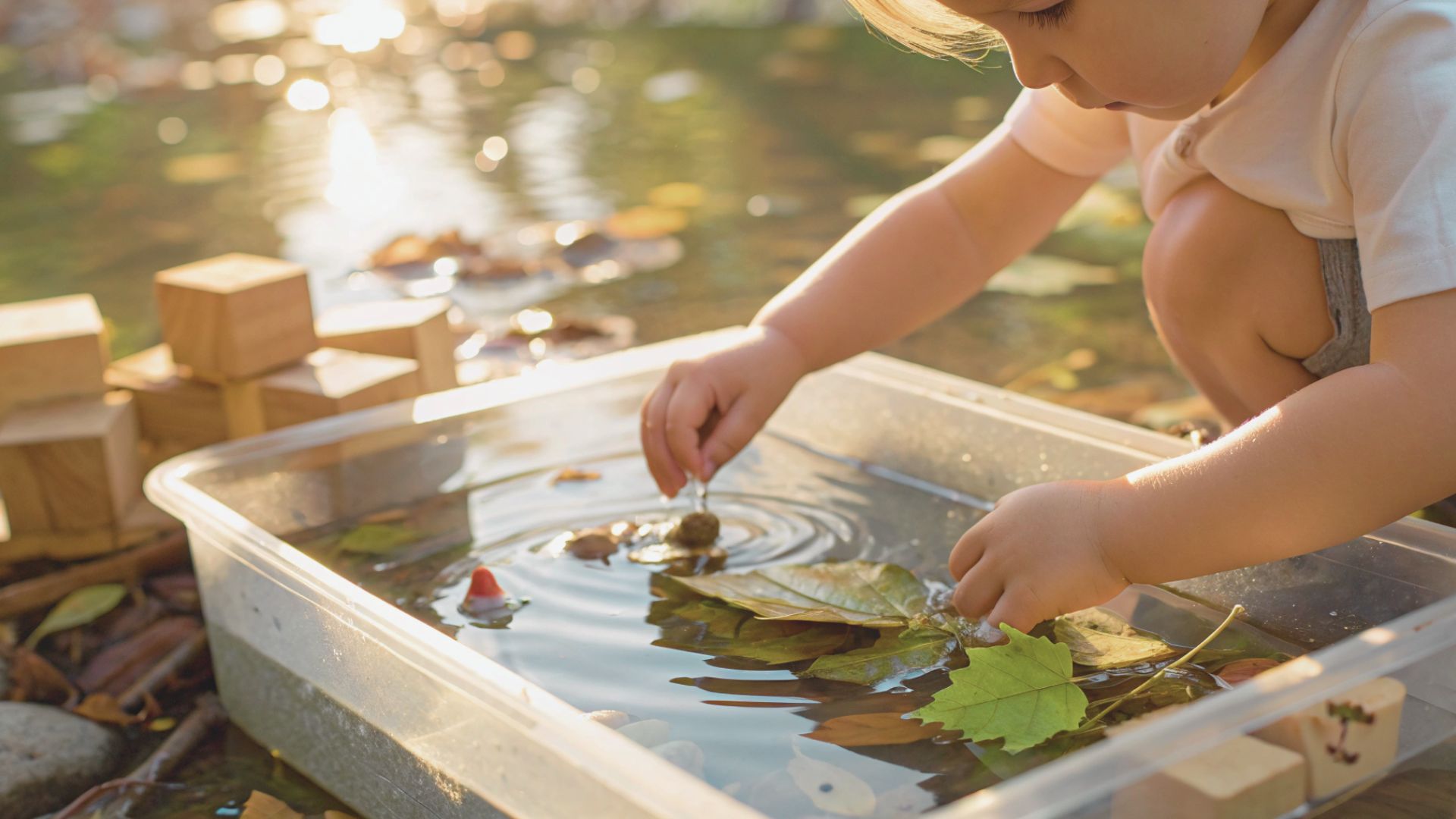
Fill a bin with water. Drop in items like a rubber duck, a coin, a grape, and a wooden block. Watch with your baby as some sink and others float.
This is simple science for babies. It builds early thinking skills and visual attention.
Age: 8 to 12 months Time needed: 15 minutes
23. Goo Play (Cornstarch Sensory Activity)
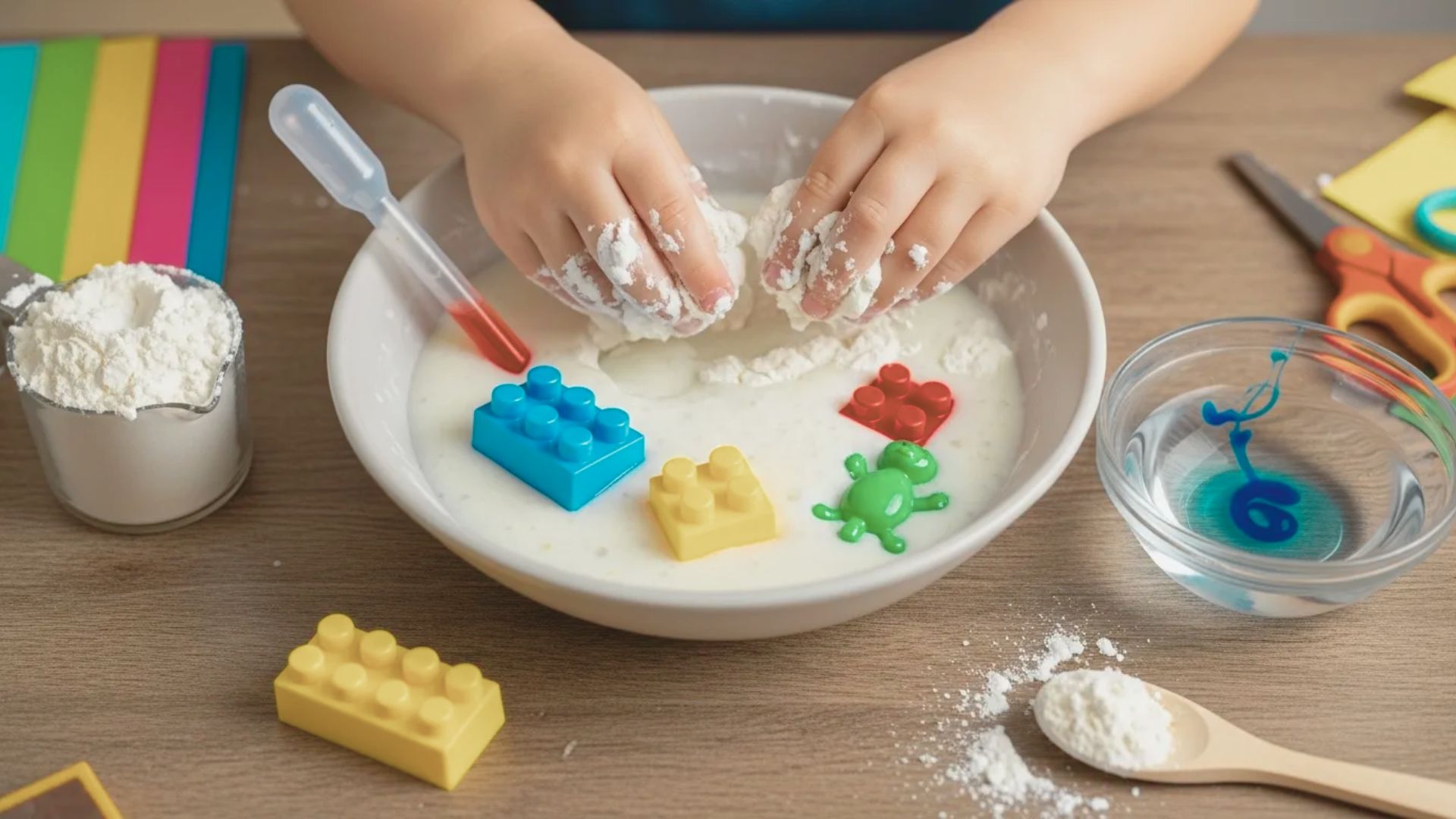
Mix cornstarch and water to make oobleck. It acts like both a liquid and a solid, and babies find it very confusing in the best way.
Let your baby press, poke, and hold it. This is one of the most engaging sensory activities you can make at home.
Age: 8 to 12 months Time needed: 20 minutes
How to Choose the Right Infant Activities for Your Baby
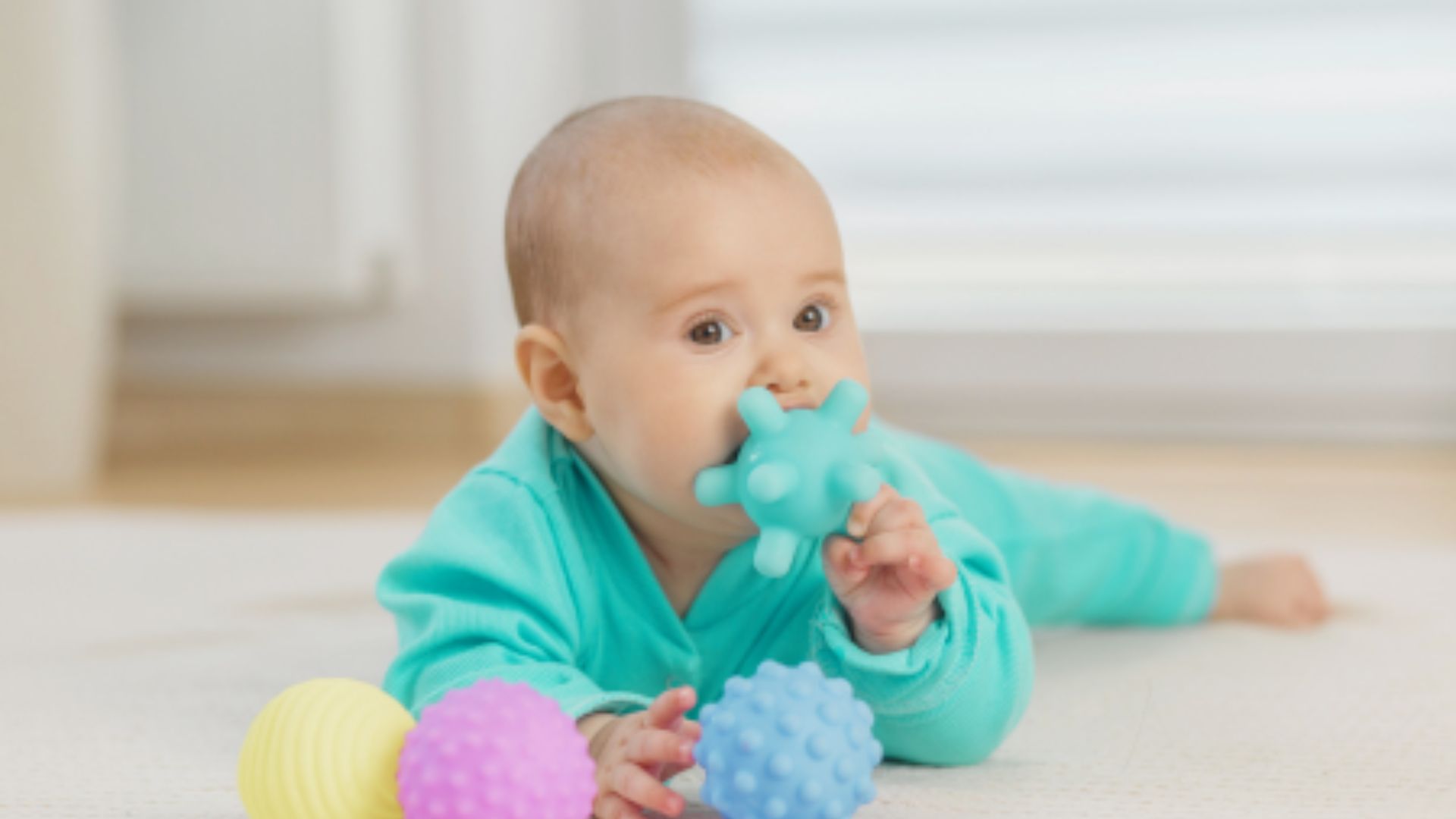
Not every activity works for every age. Picking the right one makes a big difference in how much your baby gets out of it.
Younger babies (0 to 6 months) do best with calm, simple activities like mirror play, gentle music, and soft textures. Older babies (6 to 12 months) are ready for more hands-on play like water bins, sensory boxes, and edible paints.
Always follow your baby's lead. If they're working on grasping, try the tape pull or treasure basket. If they're building neck strength, tummy time is a great fit.
An engaged baby makes eye contact, reaches for objects, and smiles. An overstimulated baby looks away, fusses, or arches their back.
If your baby seems overwhelmed, stop the activity and take a break. Try again another time.
Benefits of Sensory Infant Activities
Sensory play does more than keep babies busy. Here's what's happening below the surface.
Builds Fine and Gross Motor Skills
Grasping, squeezing, splashing, and reaching all build muscle strength and coordination. These skills lay the foundation for crawling, walking, and eventually writing.
Encourages Curiosity and Exploration
When babies are given safe things to explore, they learn that the world is interesting and safe. That mindset stays with them as they grow.
Supports Early Language and Cognitive Growth
Talking to your baby during play builds vocabulary. Cause-and-effect activities like splashing or banging build early reasoning skills.
Strengthens Parent-Child Bonding
Play is connection. When you sit on the floor with your baby and engage with them, you're building trust and security. That bond matters more than any toy ever could.
Tips for Doing Infant Activities Safely
A few simple habits keep playtime safe and stress-free for both you and your baby.
- Always supervise your baby during sensory play, especially near water or small items. Stay close and stay present the whole time.
- Use non-toxic, baby-safe materials for every activity. Avoid anything with sharp edges, small loose pieces, or strong chemicals.
- Follow your baby's cues and wrap up the activity while they're still happy. Five focused minutes beats twenty fussy ones.
- Keep activities simple and low-pressure. A wooden spoon and a metal bowl work just as well as any store-bought toy.
- Match the activity to your baby's age and stage. What works at 4 months may not work at 10 months, so adjust as your baby grows.
Final Thoughts
Raising a baby is full of small moments that feel bigger than you expect. I remember sitting on the kitchen floor with a bowl of cornstarch and water, watching my baby's face light up as it ran through her fingers. That's what infant activities are really about: simple moments that matter.
Start with one activity this week. See how your baby responds. Then try another. You don't need to do them all.
Did any of these ideas catch your eye? Drop a comment below and let me know which one you're going to try first. And if you found this helpful, share it with a parent who could use some fresh ideas.
Frequently Asked Questions
What are the best infant activities for a 2-month-old?
At 2 months, babies do well with simple, calm activities. Try mirror play, gentle music, tummy time on a soft mat, and talking to your baby face to face.
How long should sensory play sessions last for infants?
Most babies do best with 5 to 15 minutes of focused sensory play. Watch for signs of tiredness or fussiness and stop the activity before your baby gets overwhelmed.
Are sensory activities safe for very young babies?
Yes, as long as you choose age-appropriate activities and supervise closely. For babies under 6 months, stick to soft textures, gentle sounds, and visual activities like mirror play.
Do infant activities really help with brain development?
Yes. Sensory play builds new brain connections by stimulating touch, sight, sound, and movement. Research consistently shows that play-based learning supports healthy development in the first year.
What household items can I use for infant sensory play?
You likely already have everything you need. Good options include wooden spoons, plastic cups, soft cloths, metal bowls, cotton balls, crinkled paper, and safe kitchen items. No special purchases needed.