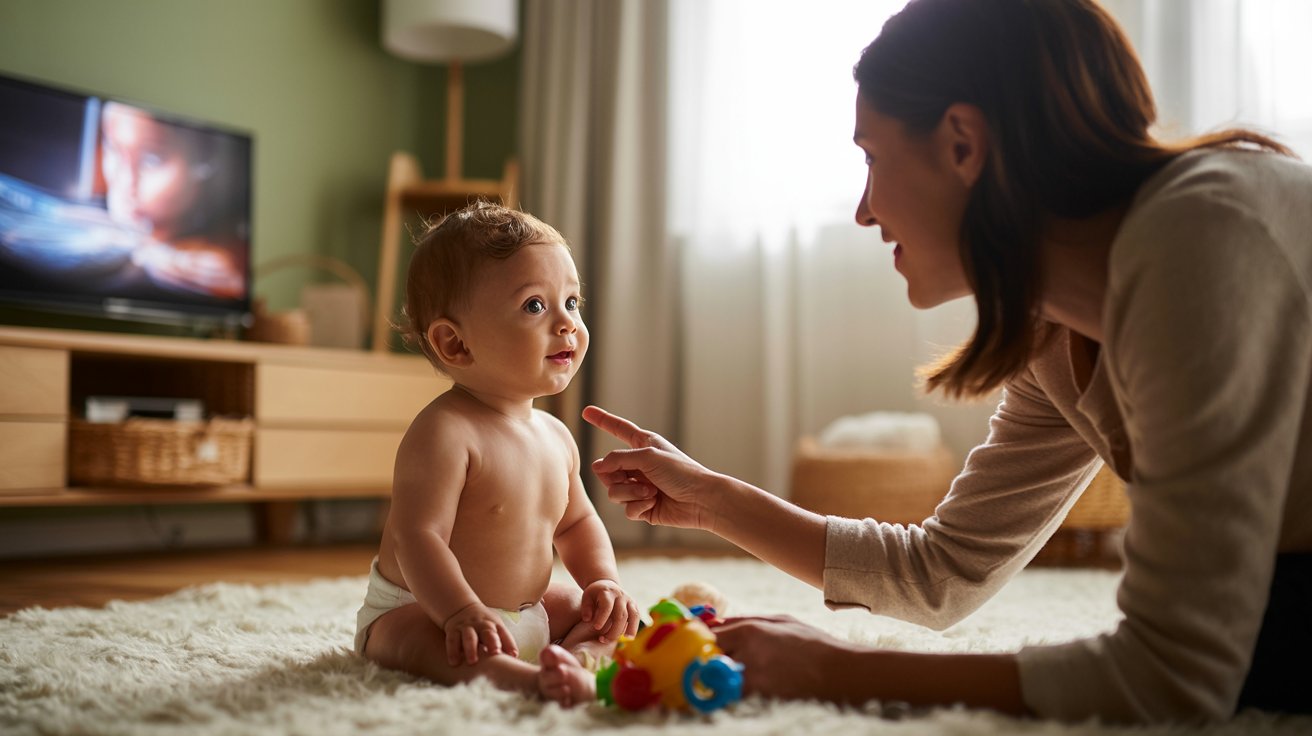

As a parent myself, I still remember the first time I saw my little one shaking her head fast from side to side. My heart skipped a beat.
If you’re searching about your baby moving head side to side rapidly, you’re not alone, and I get how scary it feels.
In this blog, I’ll walk you through when this movement is normal, common reasons behind it, medical causes to watch for, warning signs you shouldn’t ignore, and when to call a doctor.
I’ve spent years researching baby health topics, so trust me, you’ll get clear answers here.
Is Baby Moving Head Side to Side Rapidly Normal?
Between 2 to 6 months, babies start gaining neck control, and head shaking is part of this growth. If your baby does it now and then, smiles, and seems happy, it’s likely fine.
Occasional movement during play or feeding is normal, but frequent shaking with no clear reason needs more attention. Look for gentle and controlled movements.
If your baby shakes their head softly and stops on their own, you can relax. No fever, no crying, no other strange signs? That’s a good sign your little one is just being curious and learning about the world around them.
Common Reasons Babies Move Their Head Side to Side
Everyday reasons why babies shake their heads, from learning new skills to expressing themselves.
Developing Motor Skills
Babies practice neck and shoulder muscles by moving their heads. It helps them sit, roll, and crawl later on. Think of it as their daily gym time.
Each small move builds strength bit by bit. My own baby loved turning her head while lying on her tummy, and it made her neck strong fast.
Finding Sounds and Environment
Sometimes my daughter would turn her head fast just to follow a sound. Babies do this to find where noises come from. It shows their hearing is working well.
New sounds like music, voices, or pets grab their attention quickly. This habit also helps them learn how their world works around them.
Self-Soothing Behavior
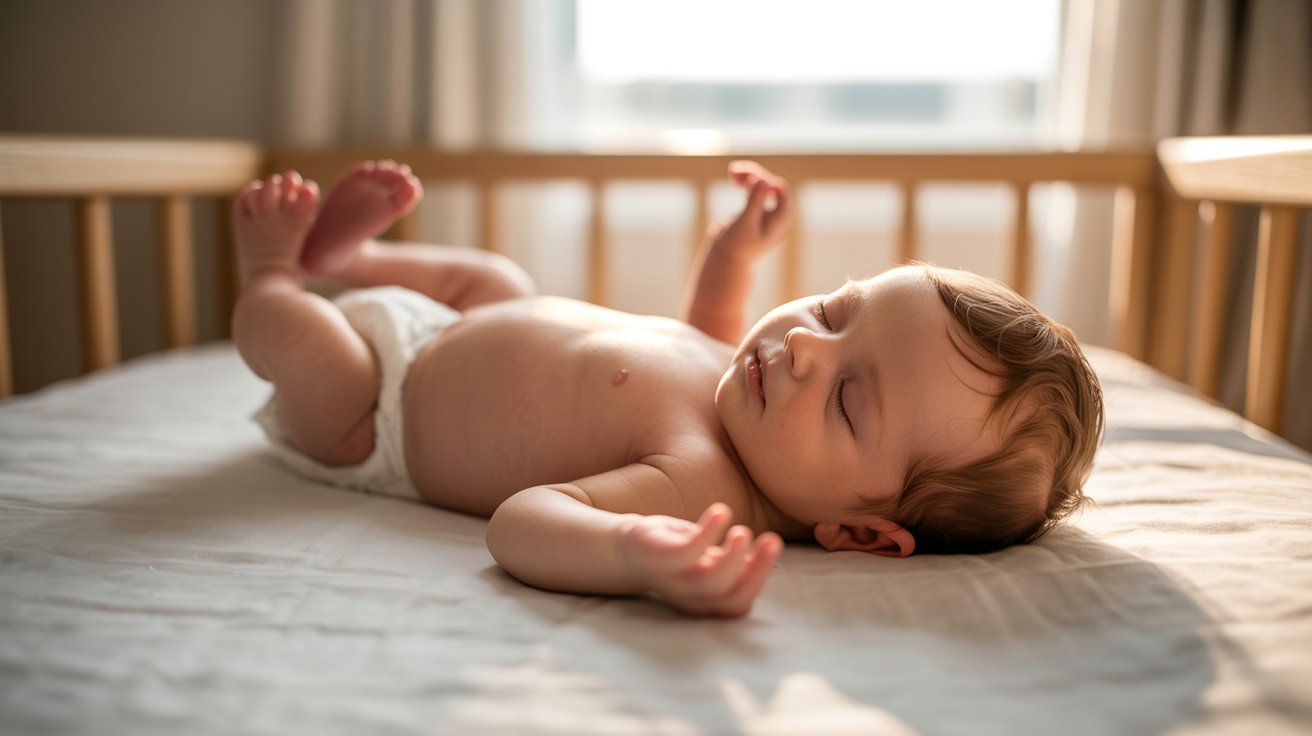
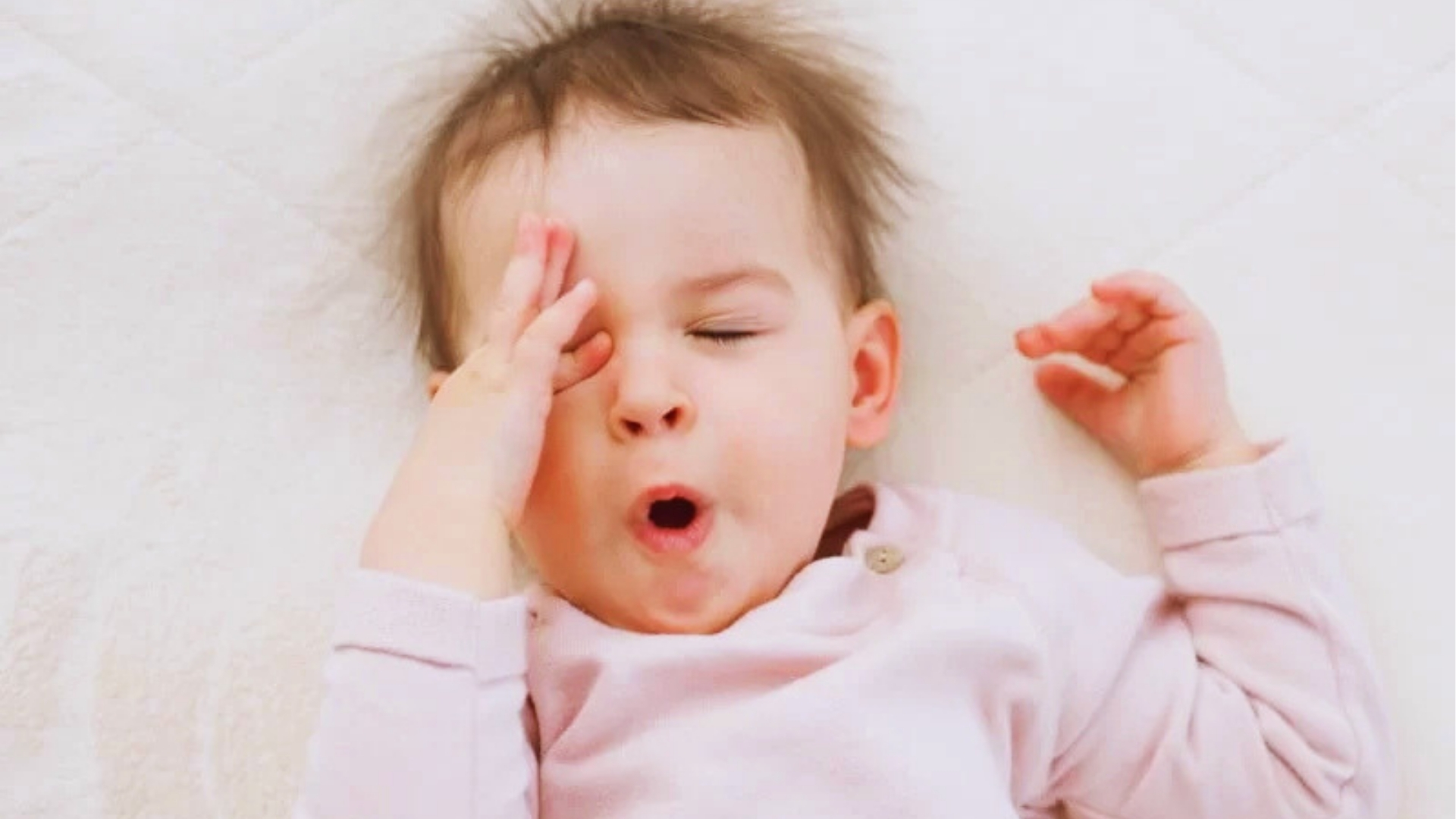
Some babies shake their heads to calm down before sleep. It’s like rocking themselves to feel safe. This is common and usually nothing to worry about.
You might see it during nap time or in the crib at night. As long as your baby looks relaxed, this gentle habit is fine and often fades with age.
Communication and Expression
Before words come, babies use body language to share feelings. Head shaking can mean “no,” excitement, or simply playfulness. Watch their faces for clues to know what they want.
A smile means joy, while a frown may mean they need a break. Over time, you’ll learn to read these little signs like a pro.
Teething or Minor Discomfort
When teeth start coming in, gums hurt a lot. Babies may shake their heads to ease the pain. A cool teether often helps calm sore gums fast.
You might also see drooling, fussiness, or chewing on toys. Gently rubbing the gums with a clean finger can also bring sweet relief to your baby.
Medical Reasons Behind Rapid Head Movement
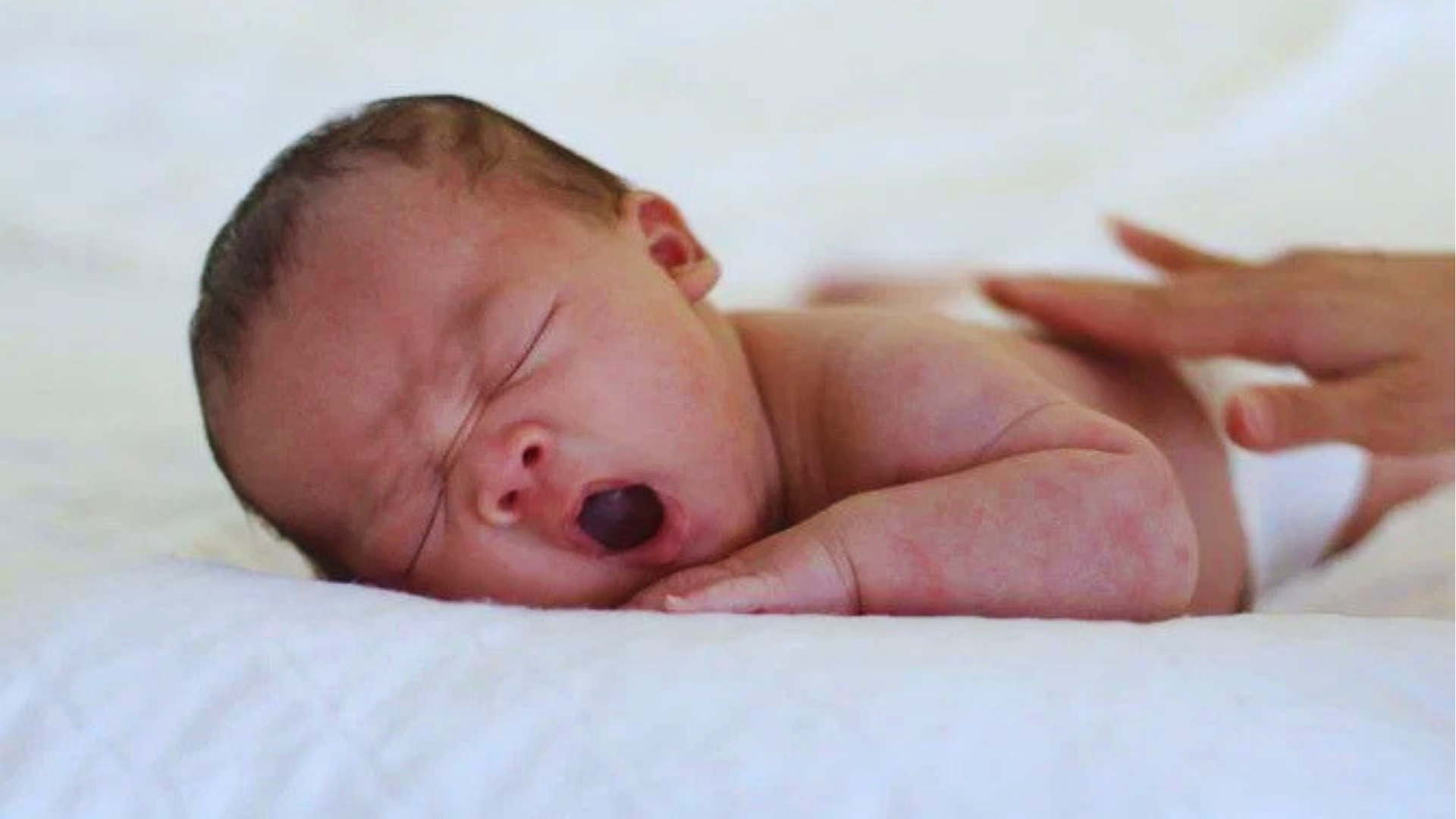
Sometimes head shaking points to a health issue that needs a doctor’s care and proper checkup.
Ear Infections or Pain
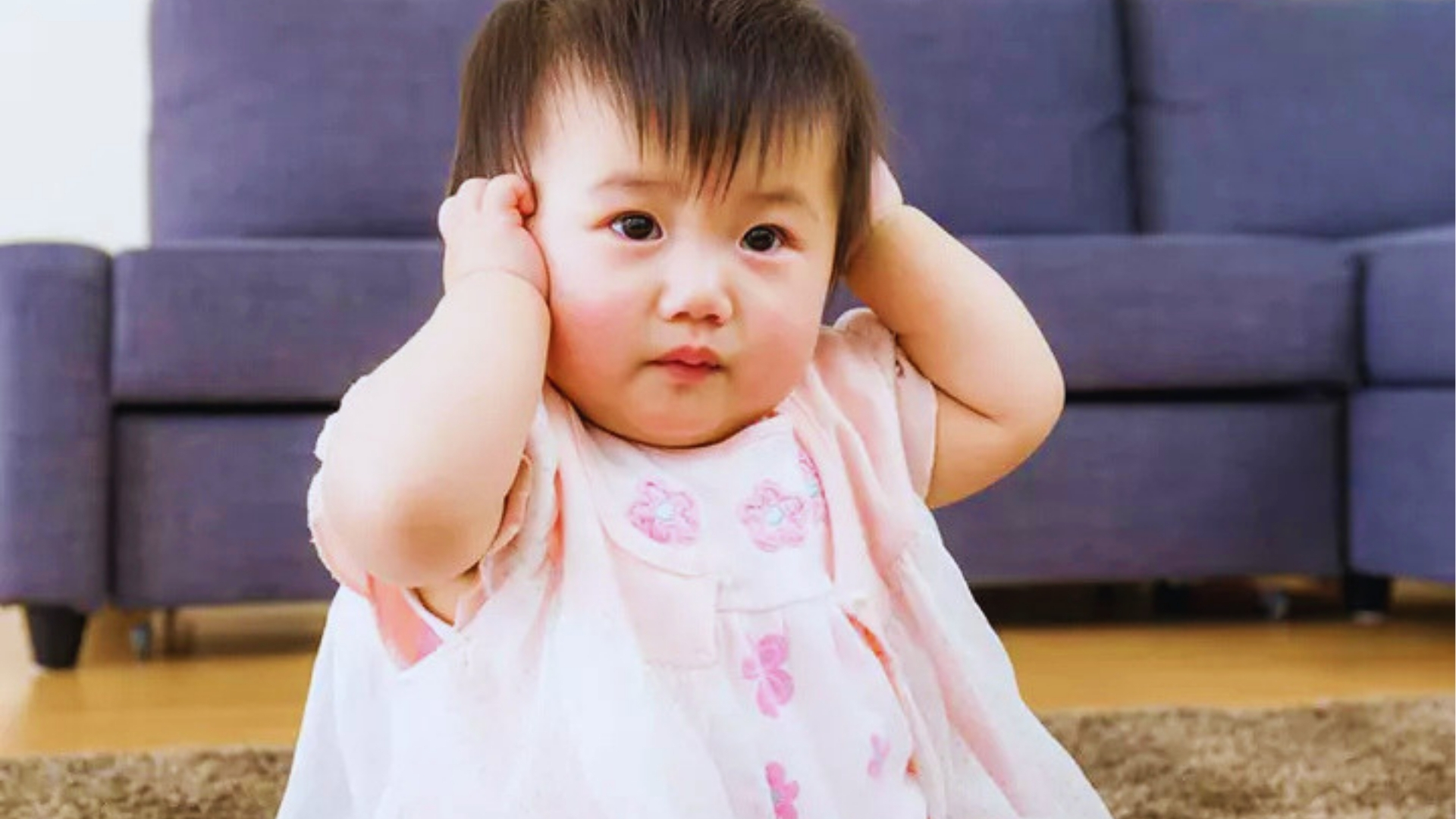
Pain inside the ear can make babies shake their heads a lot. They do this to ease the pressure they feel inside.
If your baby also pulls their ears, cries during feeds, or runs a fever, it may be an ear infection. See a doctor soon for proper care.
Neurological Conditions
In rare cases, rapid head movement links to brain or nerve issues. These can affect how your baby grows and reacts to the world.
A pediatrician can rule this out with simple tests and a full checkup. Early checks bring peace of mind and faster help if needed.
Epilepsy or Seizure-Like Activity
If the shaking looks stiff, repeats in a fixed pattern, or your baby seems unaware, it could be a seizure. Watch if their eyes roll back or their body goes limp after.
These signs are serious and need quick action. Call your doctor or go to the ER right away.
Autism and Repetitive Behaviors
Some kids on the autism spectrum show repeated head movements as a habit. But one sign alone doesn’t mean autism at all.
Doctors look at many things together, like eye contact, sounds, and play. If you notice many signs, ask for an early screening to be sure.
Vision or Sensory Issues
Babies with sight problems sometimes shake their heads to focus better on faces or toys. It helps them see things from a clearer angle.
Sensory issues with light or sound can also cause this. An eye check or sensory test can give you full peace of mind.
Warning Signs Parents Should Not Ignore
Key red flags that mean your baby’s head shaking needs quick medical attention from a trained doctor.
- Frequent or Forceful Head Shaking: If movements look harsh, last long, or happen many times a day, take note. Write down when and how often it happens.
- Accompanying Symptoms: Watch for fever, vomiting, nonstop crying, or growth delays. These signs paired with head shaking call for a doctor visit.
- Loss of Developmental Skills: If your baby once smiled, rolled, or made sounds but now stops doing them, that’s a red flag. Don’t wait to act.
- Lack of Eye Contact or Responsiveness: Babies should slowly start meeting your eyes by 3 months. If they don’t react to your voice or face, talk to your pediatrician.
When to See a Doctor
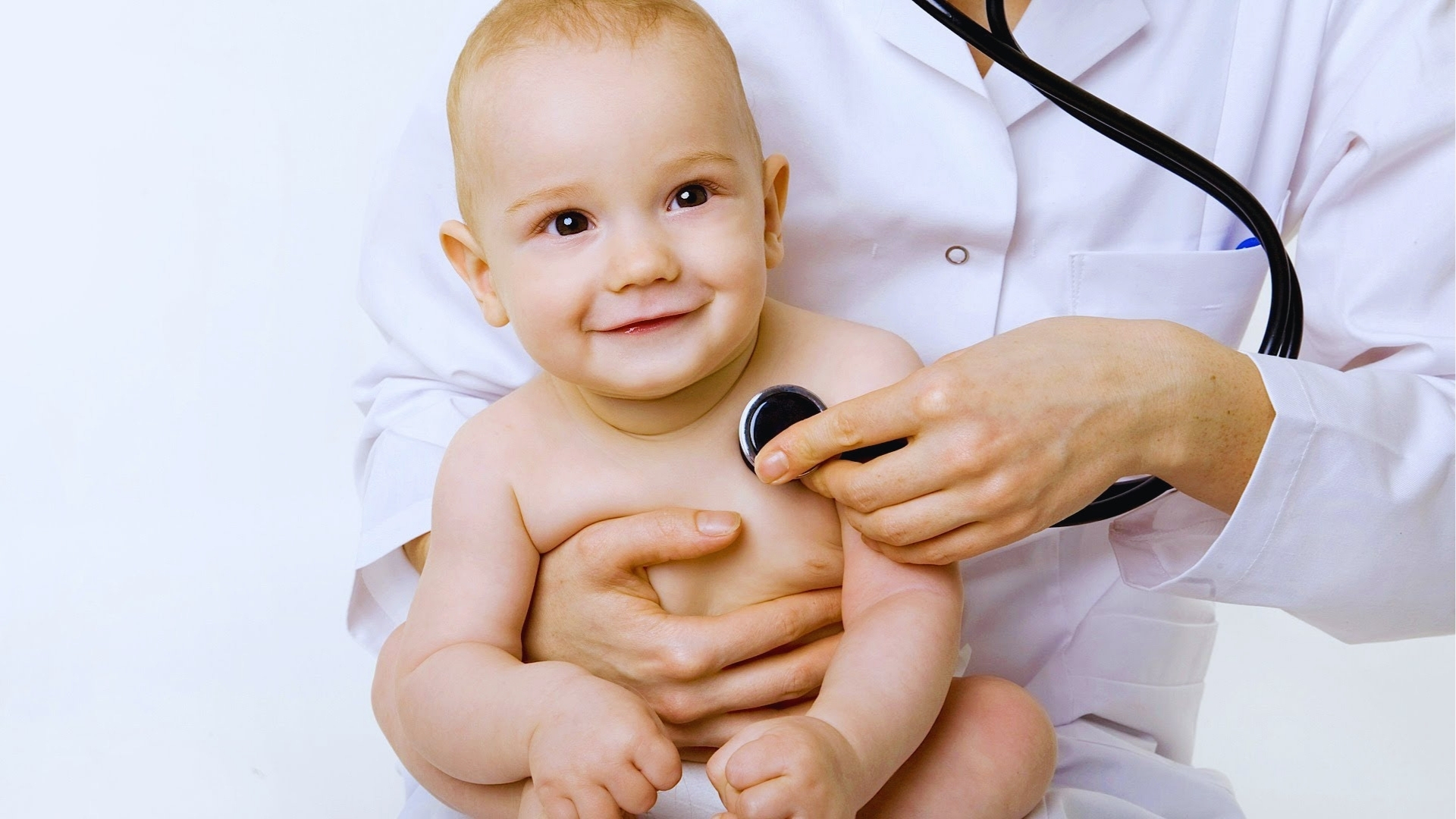
Helpful guide on the right time to seek medical advice and what happens during the visit.
Key Situations That Need Medical Attention
Call a doctor if head shaking comes with
- High fever
- Trouble feeding
- Stiffness or limp body
- Missing milestones
- Crying that won’t stop
Trust your gut. You know your baby best.
What to Expect During a Checkup
The doctor will ask about feeding, sleep, and daily habits. They may check ears, eyes, and reflexes. Sometimes blood tests or scans are needed. Most visits end with good news.
Tips for Parents to Monitor and Support Their Baby
Simple ways to track baby behavior and create a safe space that supports healthy growth at home.
- Note when head shaking happens, how long it lasts, and possible triggers
- Look for patterns like time of day, feeding, or sleep routines
- Keep the environment calm with soft sounds and dim lighting
- Avoid overstimulation from loud noise or bright lights
- Track key milestones like smiling, rolling, and sitting
- Use apps or a baby journal to monitor growth and behavior consistently
Conclusion
Being a parent isn’t easy. I’ve spent many late nights worrying over small things my baby did, including the baby moving head side to side rapidly moments. Most times, it’s just part of growing up. Your love and watchful eye matter more than you think.
Try keeping a simple log this week. You’ll feel calmer once you spot the patterns.
If this helped, drop a comment below with your story. Share this post with another tired parent who needs it. And don’t forget to read my other baby care guides too!
Frequently Asked Questions
Is head shaking a sign of autism in babies?
Not always. Many babies shake their heads as part of normal growth. Autism shows many signs together, not just one.
At what age do babies start shaking their heads?
Most babies begin around 2 to 4 months. It’s a sign their neck muscles are getting stronger and more in control.
Can teething cause my baby to shake their head?
Yes, teething pain often makes babies shake their heads. Cold teethers and gentle gum rubs can give them quick relief.
Should I be worried if my baby shakes their head before sleep?
Usually no. Many babies shake their heads to calm down before sleep. It’s a self-soothing habit and stops on its own.
How can I tell the difference between normal shaking and a seizure?
Normal shaking is soft and stops easily. Seizures are stiff, repeat in patterns, and your baby may not respond to your voice.