

Many parents wonder: are activity centers bad for babies?
It is a fair question. These colorful seats seem fun and helpful. But some experts have concerns worth knowing about.
In this article, I cover the real risks, safe usage limits, and better options for your baby's growth. I have spent time researching pediatric advice and talking to parents just like you.
Here is what you will find inside:What experts say about motor development risks Hip and toe concerns Safe time limits and age guidelines Healthier play alternatives
You can trust this guide. It is based on expert input and real parent experience.
Why Are Activity Centers Bad for Babies?

Activity centers are not always harmful, but overuse can slow down key milestones.
Babies need floor time to build core muscles and strength. Too much time in a fixed seat means less rolling, stretching, and crawling.
Pediatricians say this can slow muscle development in the back, arms, and legs.
Crawling builds coordination and balance. Babies who skip this stage may show less steadiness when they start walking.
Overuse also creates habits like toe-pushing or leaning on the seat. Repeated daily, these patterns can affect how your baby moves on their own.
Are Activity Centers Bad for Babies' Hips?
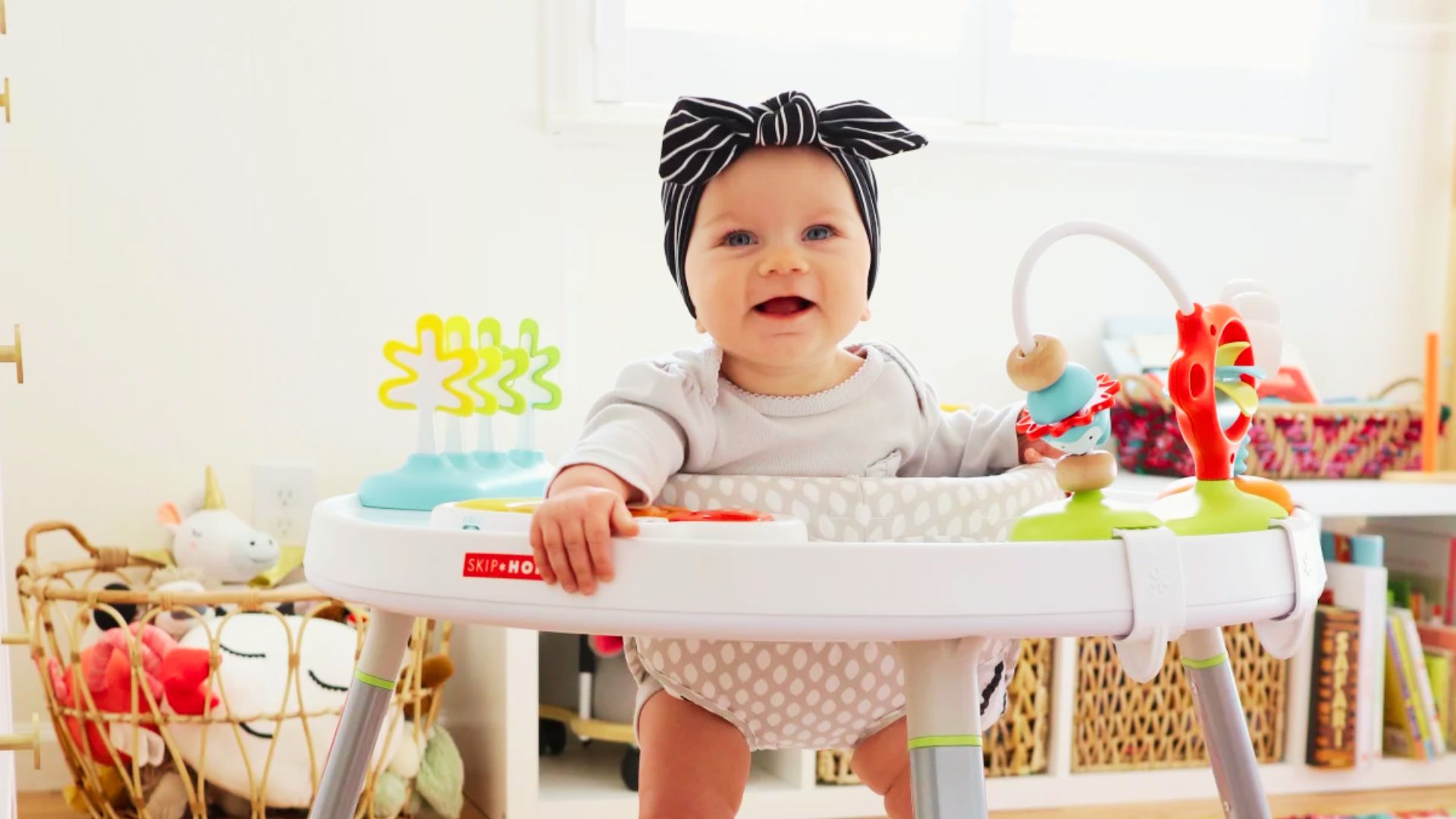
Hip development is a serious topic in early baby care, and certain seats can affect how the hips grow.
Hip Positioning in Jumpers and Bouncers
Healthy hip development needs the legs in a natural frog-like position. Many activity centers position the baby's legs straight down, which does not support the hip socket properly.
This is especially important for young infants whose hips are still soft and forming.
Risk of Hip Strain or Improper Alignment
Repeated time in a poorly designed seat can add pressure to forming hip joints. If the thighs are not supported and the legs hang straight down, that puts unnecessary strain on small joints.
Parents of babies already at risk for hip dysplasia should be extra cautious.
Safe Hip Development vs Restricted Seating Positions
The ideal position keeps the knees at or above hip level, with thighs spread and supported. Many jumpers and activity center seats do not allow this.
Check how the seat holds your baby's legs, and ask your pediatrician to review the position if you are unsure.
Do Activity Centers Affect Babies' Toes and Walking Style?

How your baby first learns to use their feet can shape their walking habits for years.
Toe-Standing and Its Long-Term Effects
When babies are placed in activity centers too early, they often push up on their toes to reach the floor.
This habit can continue even after the baby starts walking independently. Persistent toe-walking beyond 18 months can signal muscle tightness or development concerns worth checking.
How Jumpers May Influence Walking Patterns
Jumpers encourage babies to bounce, which reinforces pushing through the toes rather than using the full foot.
Over time, this can affect how the baby plants their feet when walking. Some babies may need extra time to adjust to a natural heel-to-toe walking pattern.
Signs of Overuse Affecting Foot Development
Watch for consistent toe-pointing, feet curling, or resistance to flat-foot standing. If your baby prefers standing on toes even during floor play, mention it to your doctor.
Early attention can prevent longer-term walking difficulties.
Safety Risks of Baby Activity Centers
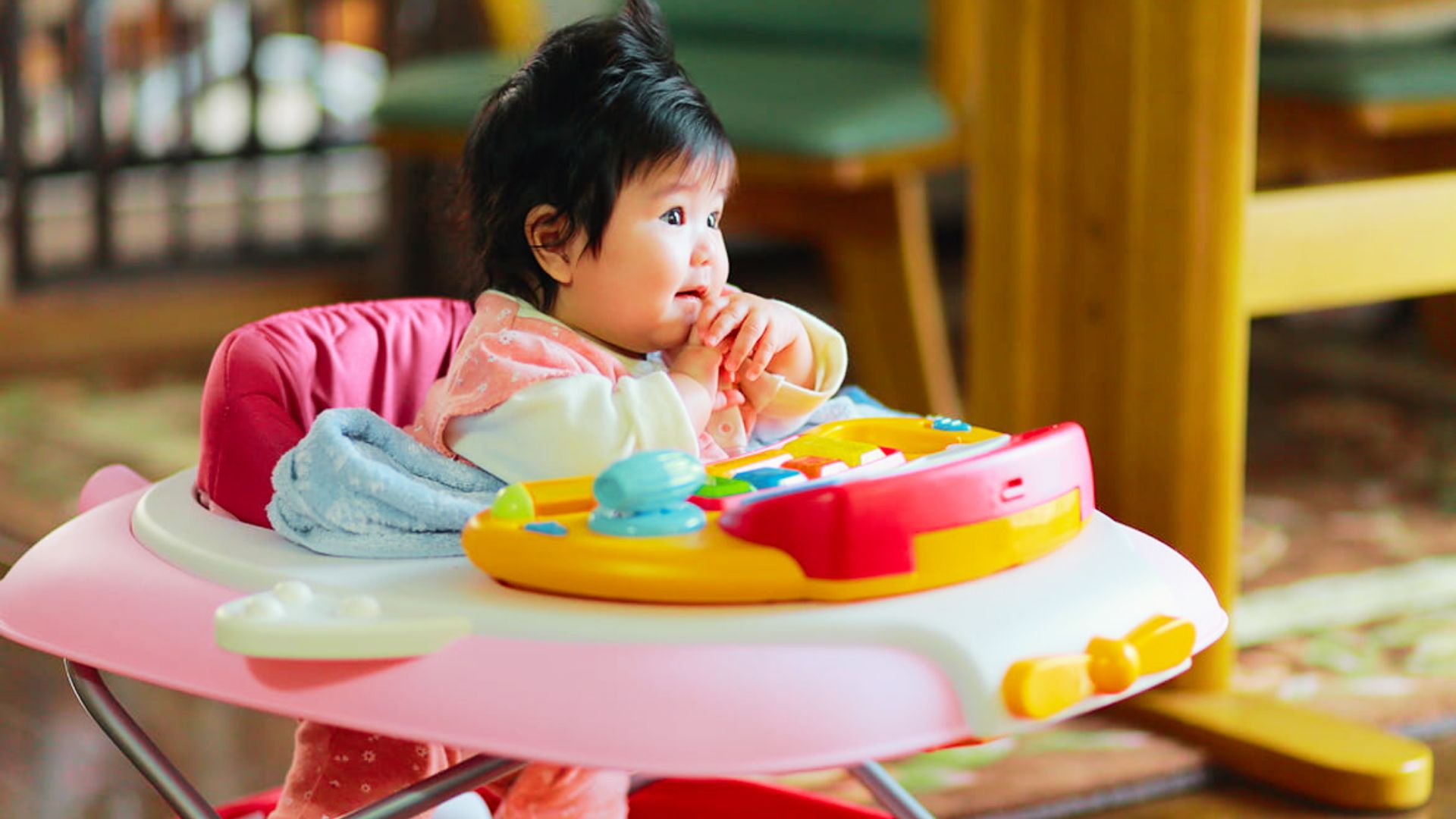
Beyond development concerns, activity centers carry physical safety risks that every parent should know.
Falls, Tipping, and Injury Risks
Babies who are more active or larger than the recommended size can shift their weight and tip the seat.
Uneven or slippery floors increase this risk. Even a short fall onto a hard surface can cause real harm to an infant.
Importance of Supervision at All Times
An activity center is not a safe place to leave a baby unattended. Babies can shift positions, lean forward, or get a hand or foot caught in the seat or toy attachments.
Always stay within sight and hearing distance during every session.
Unsafe Usage Habits Parents Should Avoid
Placing the activity center near stairs or on raised surfaces is a common mistake. Using it for a baby who exceeds the weight limit is another.
Always inspect the straps, seat, and base before each use and replace any worn or broken parts right away.
Are Activity Centers Safe in Any Situation?
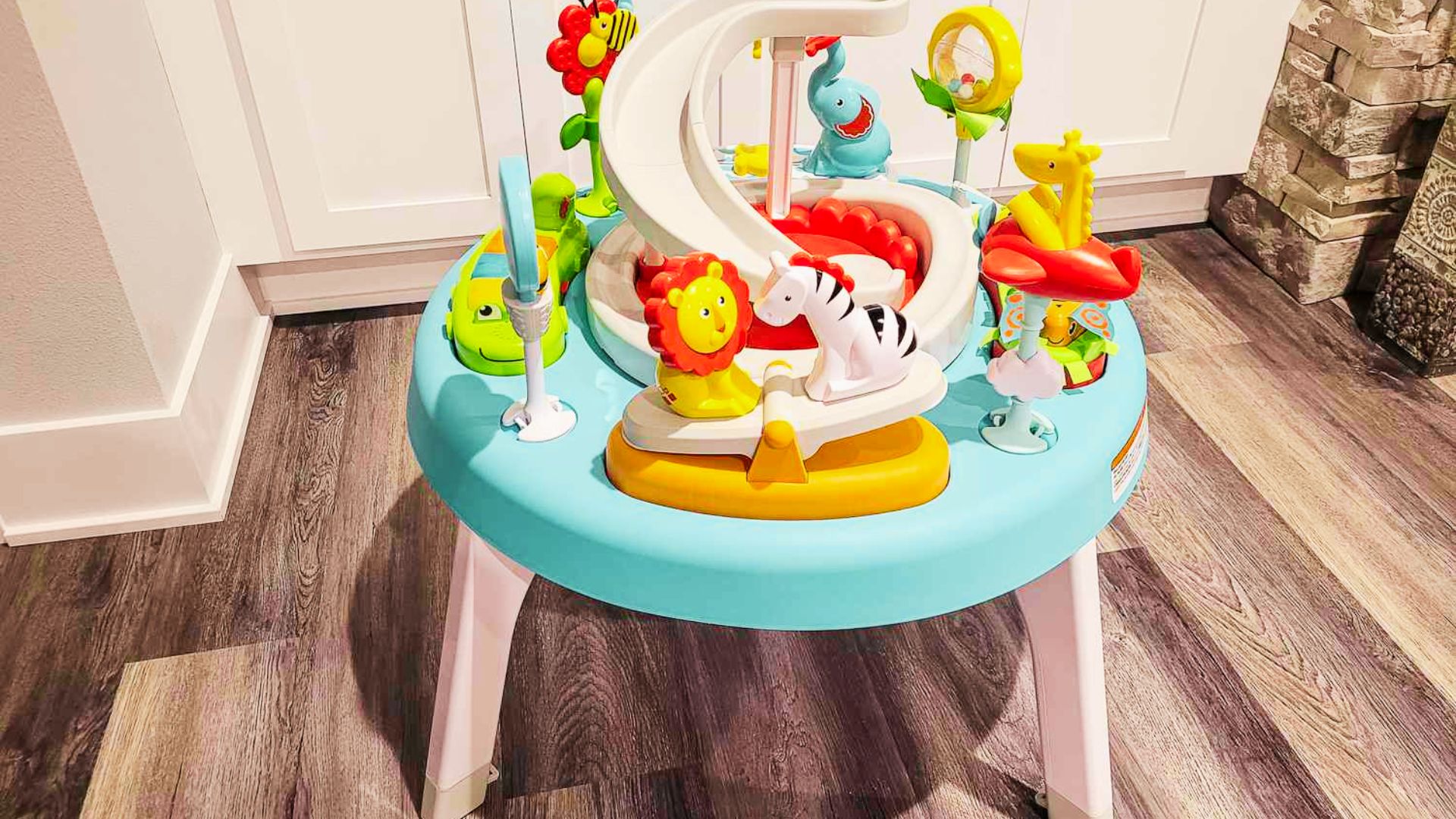
Used correctly, activity centers can be a safe option for short periods of supervised play.
Recommended Age and Readiness Guidelines
Most activity centers are not suitable for babies under 4 to 6 months. Before using one, your baby should hold their head up steadily and show some ability to sit with minimal support.
Using one before these milestones are reached puts strain on the neck and back.
Safe Time Limits for Use (10–15 Minutes Rule)
Most child development experts suggest limiting use to 10 to 15 minutes at a time. Two to three short sessions per day is a reasonable limit.
Outside those sessions, focus on tummy time and free floor movement to keep development on track.
Choosing Safer, High-Quality Activity Centers
Look for stable bases, non-toxic materials, adjustable height settings, and seat designs that support the hips properly.
Check for recalls on product safety websites before buying. A quality product used correctly is very different from a cheap one used for too long.
Tips for Safe Use of Activity Centers
Follow these simple tips to keep your baby safe and reduce the risks linked to activity center use.
- Always supervise your baby during use
- Limit sessions to 10 to 15 minutes at a time
- Only use when your baby can hold their head up without help
- Check the seat, straps, and base for damage before each use
- Place the activity center on a flat, stable, non-slip surface
- Keep it away from stairs, elevated areas, and heavy furniture
- Stay within the age and weight limits listed by the manufacturer
Conclusion
So, are activity centers bad for babies? Not entirely, but they are easy to overuse.
I have seen this with my own family. A short session here and there felt harmless. But once I learned how much floor time babies actually need, I made changes. More tummy time, less seat time, and the difference was clear.
If you use activity centers with limits and supervision, they can be a small part of a healthy routine. Just do not let them replace the floor play your baby needs most.
Found this helpful? Share it with a parent who could use it, and drop your thoughts in the comments below.
Frequently Asked Questions
Are activity centers bad for babies' hips and joints?
They can be if used too long or too early. Seats that position the legs straight down can put strain on forming hip joints. Keep sessions short and check that the seat supports the hips properly.
Why are activity centers bad for babies in general?
The main concern is overuse. Too much time in a fixed seat reduces the floor time babies need for muscle development, crawling, and natural movement. Short, supervised use is the key difference.
How long can a baby safely use an activity center?
Most experts suggest 10 to 15 minutes per session, with no more than a few sessions per day. Beyond that, the risks to motor development and muscle growth start to outweigh the benefits.
Do activity centers delay walking development?
They can contribute to delays if used too often. Babies who spend less time on the floor may develop slower core strength and miss out on crawling, both of which are important steps before walking.
What is better than activity centers for babies?
Tummy time, free floor play, and baby carriers are all better options for regular use. They support natural muscle development, healthy hip positioning, and the movement patterns babies need to grow strong.