

Holding a baby sounds simple. But for many new parents, it feels anything but easy.
Your hands shake. You worry about the head. You wonder if you're doing it right.
This guide will walk you through everything. You'll learn the safest holds, common mistakes to avoid, and how to feel confident with a baby in your arms.
I've seen first-time parents go from nervous to natural in just a few tries. You will too.
Here's what we cover:basic safety rules, a step-by-step holding guide, the best positions for every age, mistakes to avoid, and tips to build confidence.
How to Hold a Baby Safely (Basic Rules)

Before picking up a baby, a few basic rules keep both of you safe and calm.
Always support the head and neck. A newborn's neck muscles are weak. One hand must stay under the head at all times.
Keep the baby close to your body. The closer they are, the more stable and secure the hold feels.
Use gentle, steady movements. Sudden moves can startle or harm a newborn.
There is no rush. Moving slowly and carefully makes every hold safer for both of you..
How to Hold a Baby Correctly (Step-by-Step)
Now let's get to the full step-by-step process. Follow these steps every time, especially in the early months.
Step 1: Wash Your Hands Before Holding

This one is easy to skip. But it matters.
Newborns have weak immune systems. Germs from your hands can make them sick quickly.
Wash with soap and warm water for at least 20 seconds. If soap is not nearby, use a hand sanitizer.
Ask others to do the same before they hold the baby.
Step 2: Support the Head and Neck

Before you lift, position your hands.
Place one hand behind the baby's head and neck. Use your other hand to support the baby's bottom.
Your hands should feel secure but not tight. You want control, not pressure.
Step 3: Lift Your Baby Safely
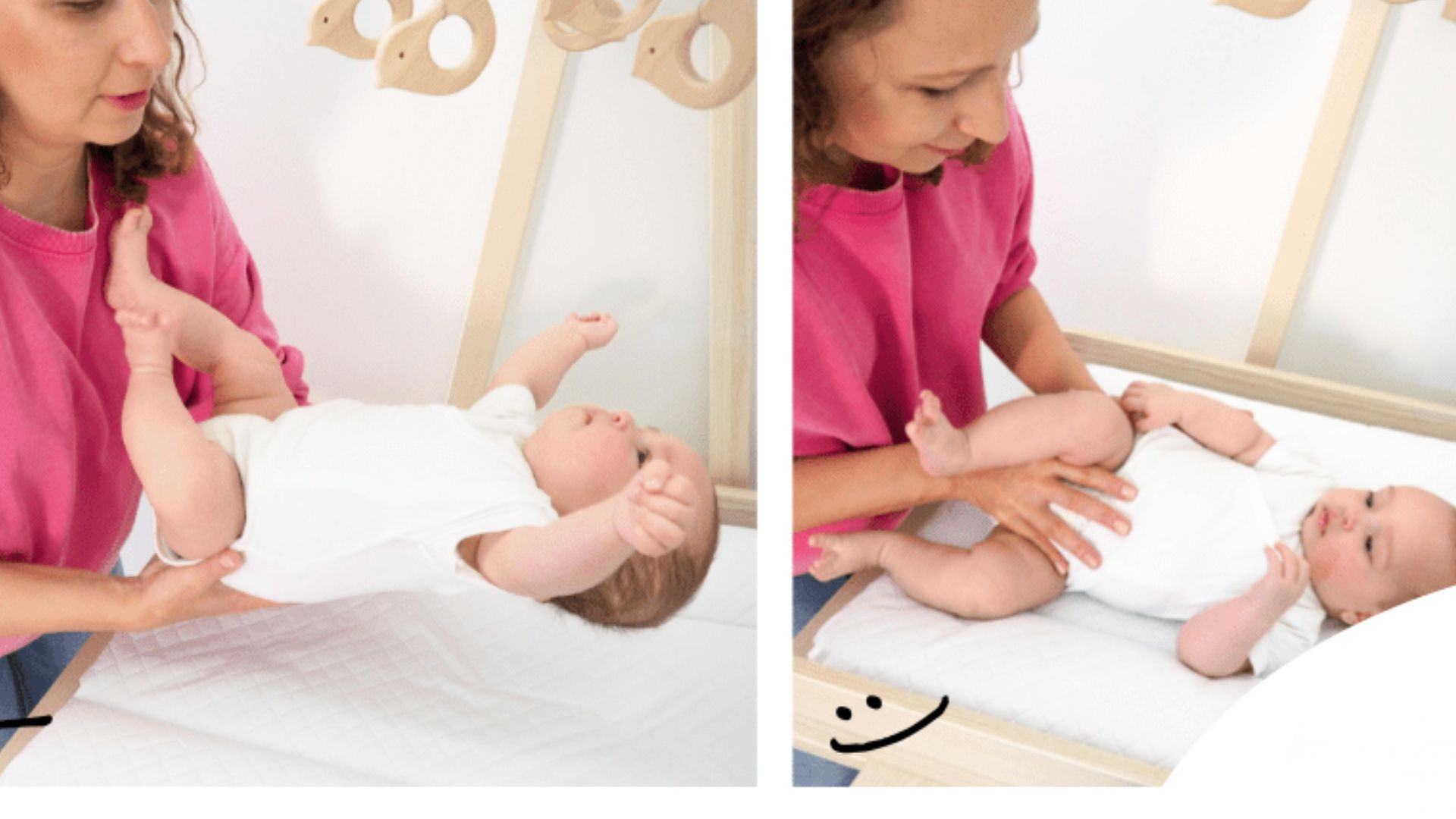
Now lift, but do it slowly.
Bend your knees slightly if the baby is in a crib or on a flat surface. Slide both hands into position first, then lift.
Bring the baby up close to your chest as you rise. Avoid lifting with just your wrists. Use your whole arm.
Step 4: Bring Baby Close to Your Chest

Once the baby is lifted, bring them in toward your body.
The baby's head should rest in the bend of your elbow or on your shoulder. The bottom should be supported by your other arm or hand.
The baby should feel snug, not cramped. You should be able to breathe normally and see the baby's face clearly.
Step 5: Adjust to a Secure, Comfortable Hold

Take a breath. Check your grip.
Ask yourself:
- Is the head supported?
- Is the baby close to my body?
- Does the baby seem calm?
If yes to all three, you're in a good position. Adjust if anything feels off. There's no perfect position. There's just a safe and comfortable one.
Best Positions to Hold a Baby Safely
Different holds work better in different situations. Here are five positions worth knowing.
Cradle Hold (Best for Newborns)

This is the most common hold. It works well for feeding, calming, and bonding.
How to do it:
Slide one hand under the baby's head and neck. Let the baby's body rest along your forearm. Use your other hand to support the bottom.
The baby lies across your chest at a slight angle. Their head is near your elbow, their feet near your other hand.
Why it works: The baby is fully supported and faces you, which is great for eye contact and feeding.
Football Hold (Secure and Supportive)
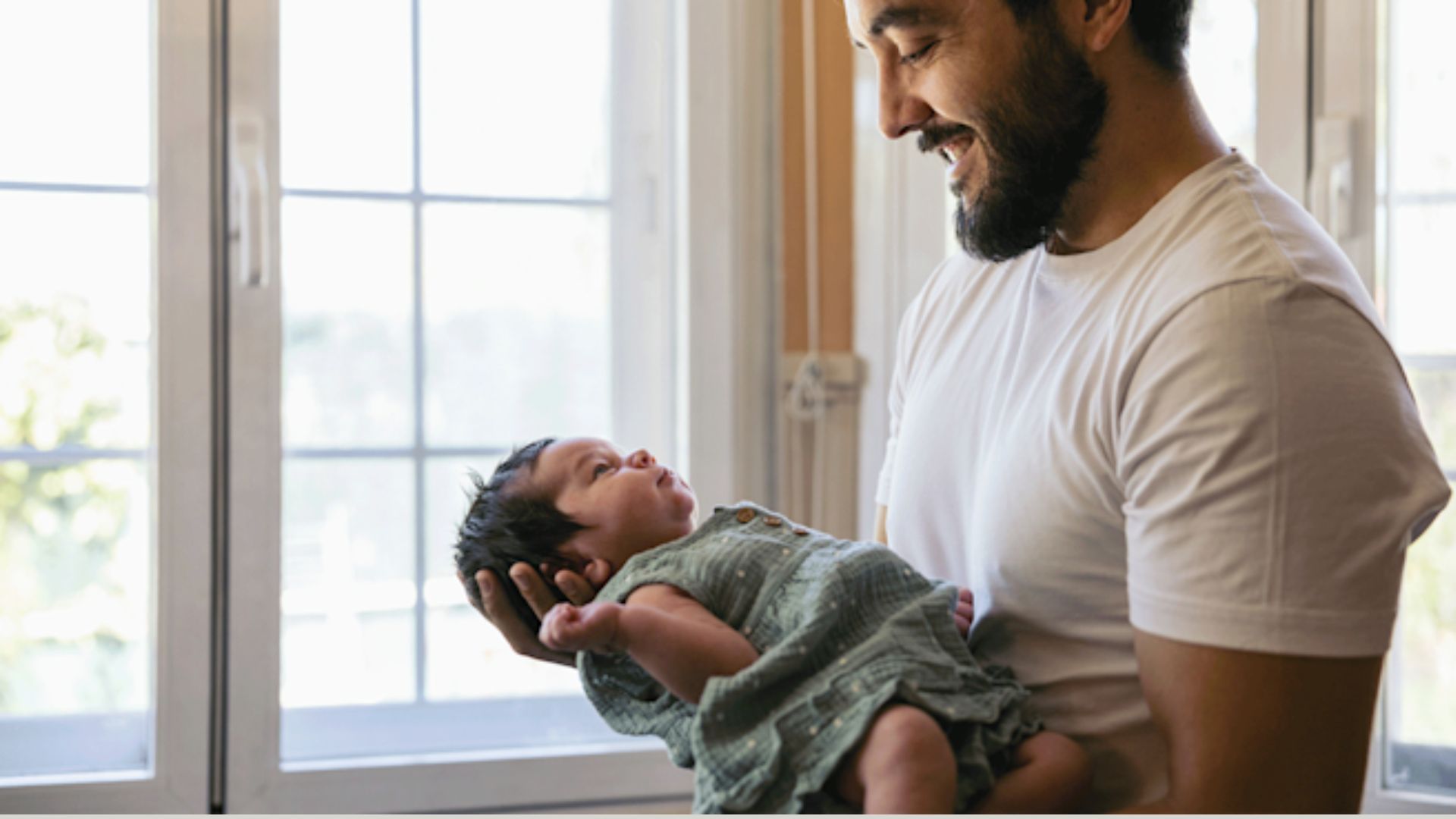
This hold tucks the baby under your arm like a football. It's great for breastfeeding and for parents with larger hands.
How to do it:
Place the baby face-up along your forearm. The baby's head rests in your hand, body runs along your inner arm, and feet point behind you.
Keep the baby's body against your side. Use your other hand for extra support if needed.
Why it works:It frees up your other hand and gives you full control of the head.
Shoulder Hold (Great for Burping)

After feeding, this is the go-to position.
How to do it:
Hold the baby upright against your shoulder. The baby's chin rests over your shoulder. One hand supports the bottom, the other pats or rubs the back.
Why it works:The upright position helps release gas. It also soothes fussy babies. Many babies calm down quickly in this hold.
Face-to-Face Hold (For Bonding)

This hold is perfect for talking to your baby and encouraging smiles.
How to do it:
Hold the baby facing you at chest height. One hand supports the head and neck. The other holds the bottom.
The baby's face is level with yours. You can make eye contact, talk, and sing.
Why it works: Face-to-face contact builds connection. It also helps with early language development.
Hip Carry (For Older Babies)

Once a baby can hold their head up, the hip carry becomes an option.
How to do it:
Rest the baby on your hip, facing outward or toward you. The baby's legs straddle your hip. Use one arm to hold them in place.
Why it works:It frees up your other arm for daily tasks. It also gives older babies a wider view of the world.
How to Hold a Baby at Different Ages
Babies change fast. What works at one month may not be the right hold at six months.
Newborns (0–3 Months): Full Head Support

In the first three months, head and neck support is non-negotiable.
The muscles are simply not ready. Every hold must include a hand or arm under the head.
Use the cradle hold or football hold most often. Avoid holds that leave the head unsupported even for a moment.
Move slowly and keep the baby close. Newborns startle easily and need calm, steady hands.
4–6 Months: Improving Head Control

By 4 months, most babies start lifting their heads during tummy time. Their neck muscles are getting stronger.
You can begin to use the shoulder hold more often. The baby may push back slightly with their arms.
Still provide head support. The baby can hold up their head for short periods, but not always. Stay ready to catch it if it drops.
6+ Months: More Flexible Positions

By 6 months, most babies have good head control. They are also more curious and want to see the world.
The hip carry works well now. So does holding the baby facing outward, letting them look around.
Keep supporting the body as they sit, lean, or reach. They're getting active, so your grip may need to adjust more often.
Final Tips for Holding Your Baby with Confidence
You've got the steps. Here are a few things that will help it all come together.
- Watch for a calm, relaxed body, it means the hold feels good.
- Crying, stiffening, or arching means something needs to change.
- Turning the head or closing eyes usually means the baby is tired.
- The more you practice, the more natural it will feel.
- Start with short sessions and ask for help whenever you need it.
Conclusion
Holding a baby for the first time can feel nerve-wracking. I remember watching my hands shake the first time I cradled a newborn. But once you practice even a few times, it starts to feel natural.
You now know the steps, the positions, and what to avoid. That puts you ahead of most first-time parents.
Try one hold today. See how the baby responds. Then try another.
Did this guide help you? Drop a comment below, share it with a new parent, or check out our other baby care guides.
Frequently Asked Questions
How do I hold a newborn for the first time?
Start by placing one hand under the baby's head and one under the bottom. Lift slowly and bring the baby close to your chest before adjusting your grip.
How long should I support a baby's head?
You should support the head until the baby can hold it up on their own, which usually happens around 3 to 4 months of age.
Can holding a baby too much spoil them?
No. Holding a baby builds trust and security. Babies who are held often tend to cry less and feel calmer over time.
What is the safest position to hold a newborn?
The cradle hold is widely considered the safest for newborns. It keeps the head, neck, and body fully supported at all times.
How do I pass a baby to someone else safely?
Make sure the other person has both arms ready. Place the baby slowly, keeping your hands in place until the other person's grip is secure before letting go.