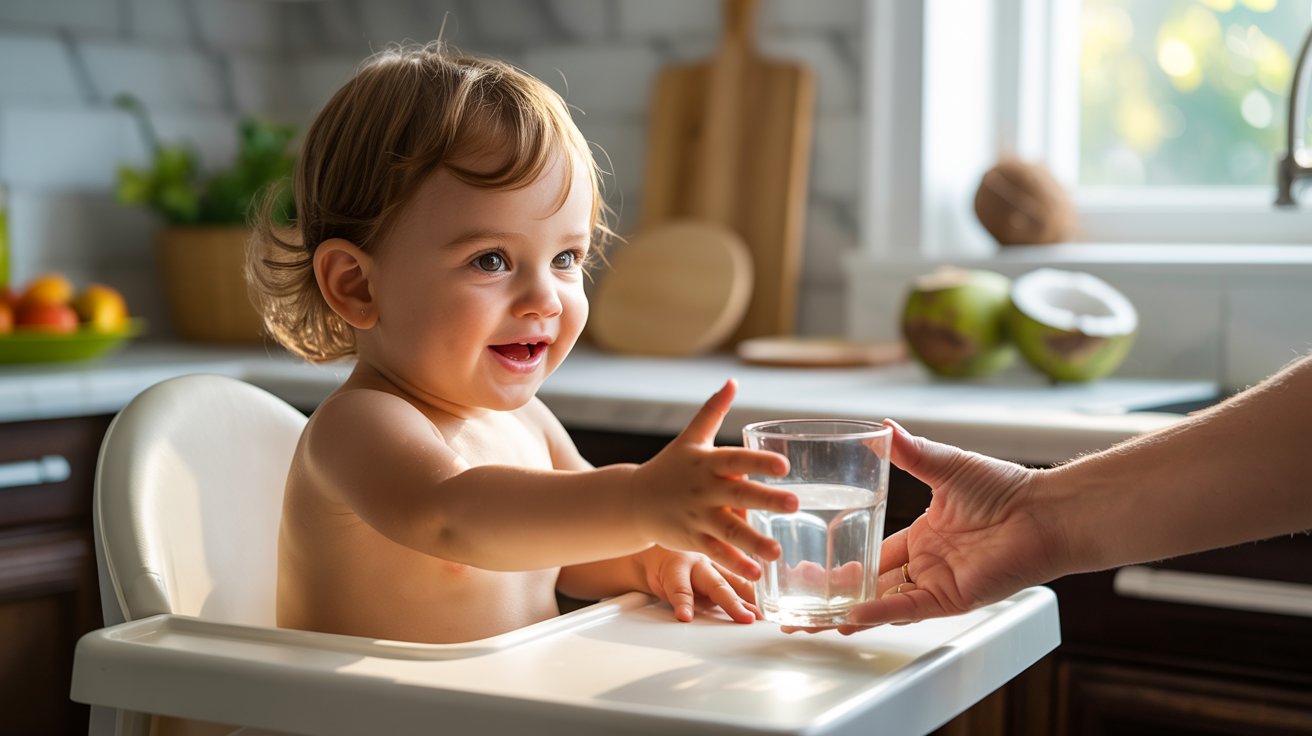

Your 9-month-old is changing fast.
One day they're lying still, and the next they're crawling across the room, grabbing everything in sight, and staring at the world like it's the most interesting place they've ever seen.
That curiosity? It's their brain growing.
Play is how babies this age learn. It builds their muscles, sharpens their mind, and strengthens the bond between you two.
In this guide, I'm sharing 11 simple activities that support your baby's development at this exact stage, no fancy toys needed.
Why Activities Are Important for 9-month-olds
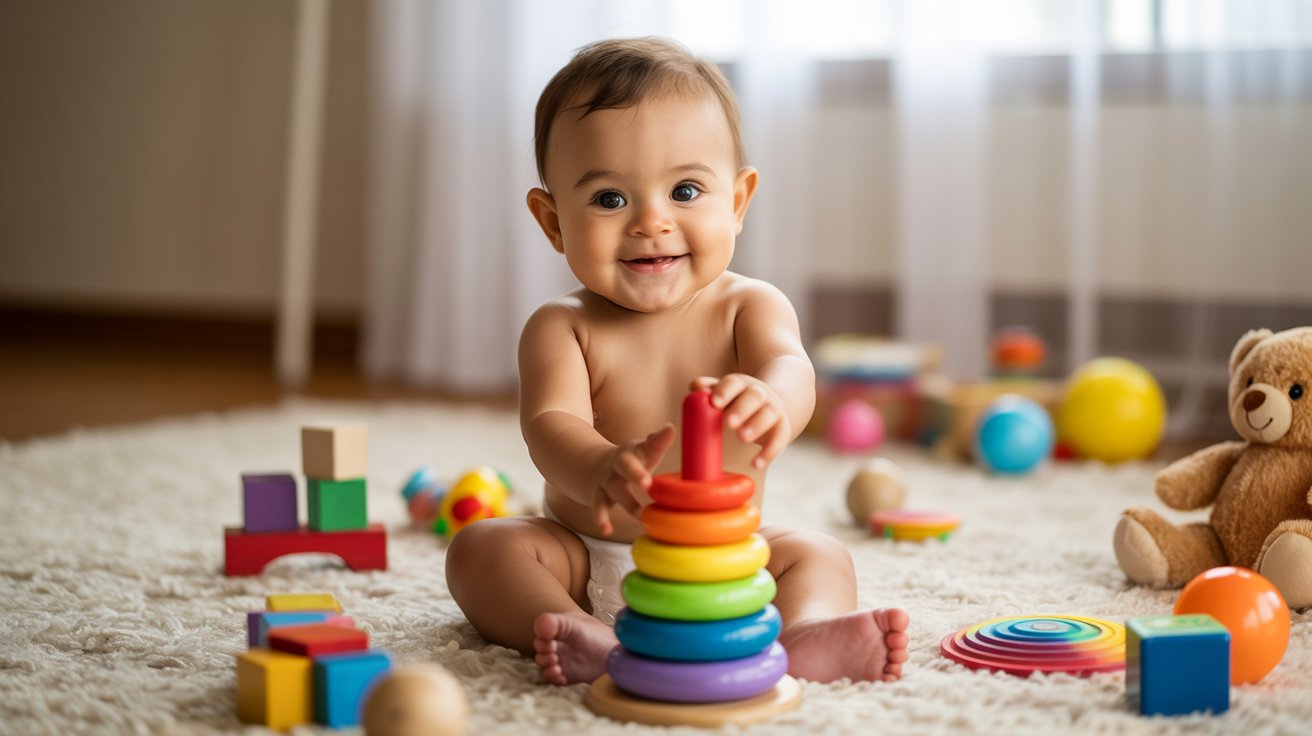
At 9 months, babies are absorbing everything around them. The right activities help them build strength in their hands, arms, and legs, which supports crawling and sitting up on their own.
Play also wires the brain. Every new experience creates connections that shape how your baby thinks and problem-solves later.
And then there's touch, sound, and sight. Letting babies feel different textures, hear new sounds, and see bold colors feeds their senses in ways that push their growth forward.
List of 11 Best Activities for 9 Month Old Babies
These 11 simple, fun activities keep your 9-month-old busy, happy, and growing every single day.
1. Music and Scarf Play

Grab a light scarf and play some music. Wave it in the air and let your baby reach for it. This builds sound awareness and gets their arms moving. It's simple, colorful, and babies absolutely love it.
2. Muffin Tin Sorting Game
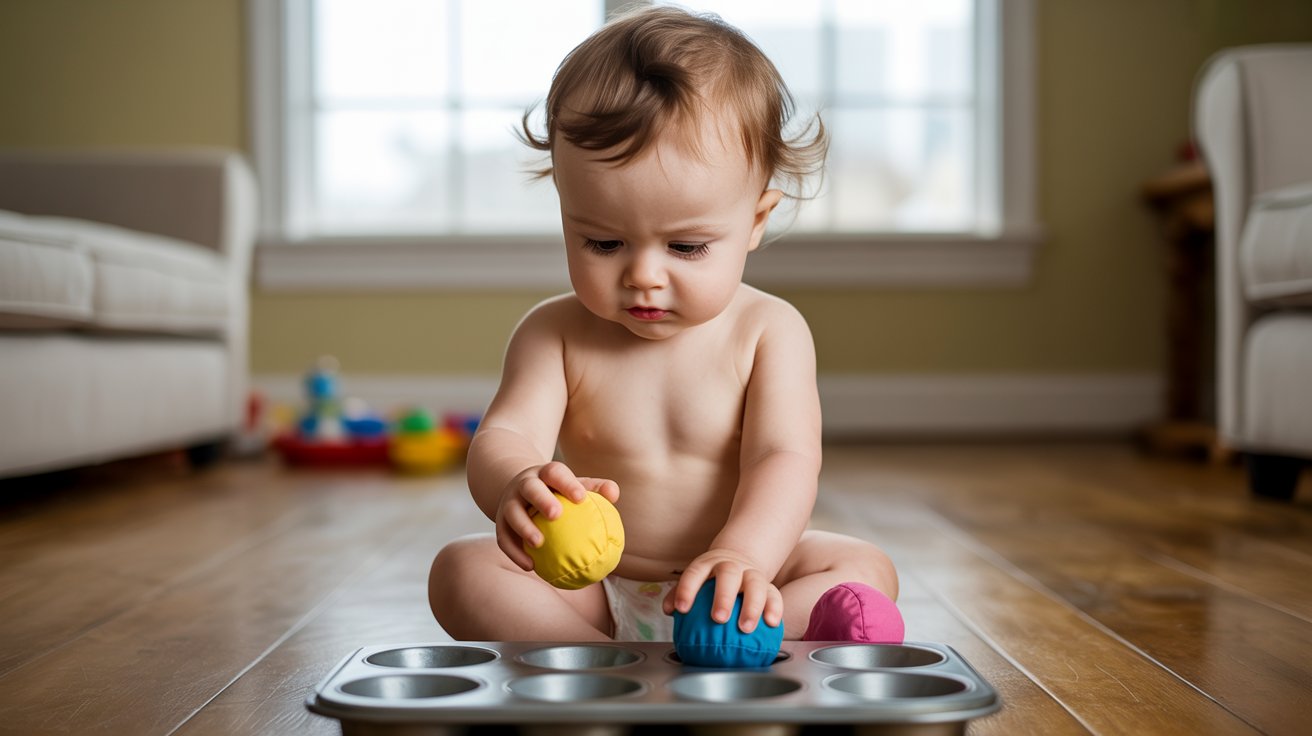
Place a muffin tin on the floor and give your baby small soft balls. Let them drop one into each cup. This teaches hand control and focus. It's a great way to practice placing objects with purpose.
3. Encourage Crawling with Toys
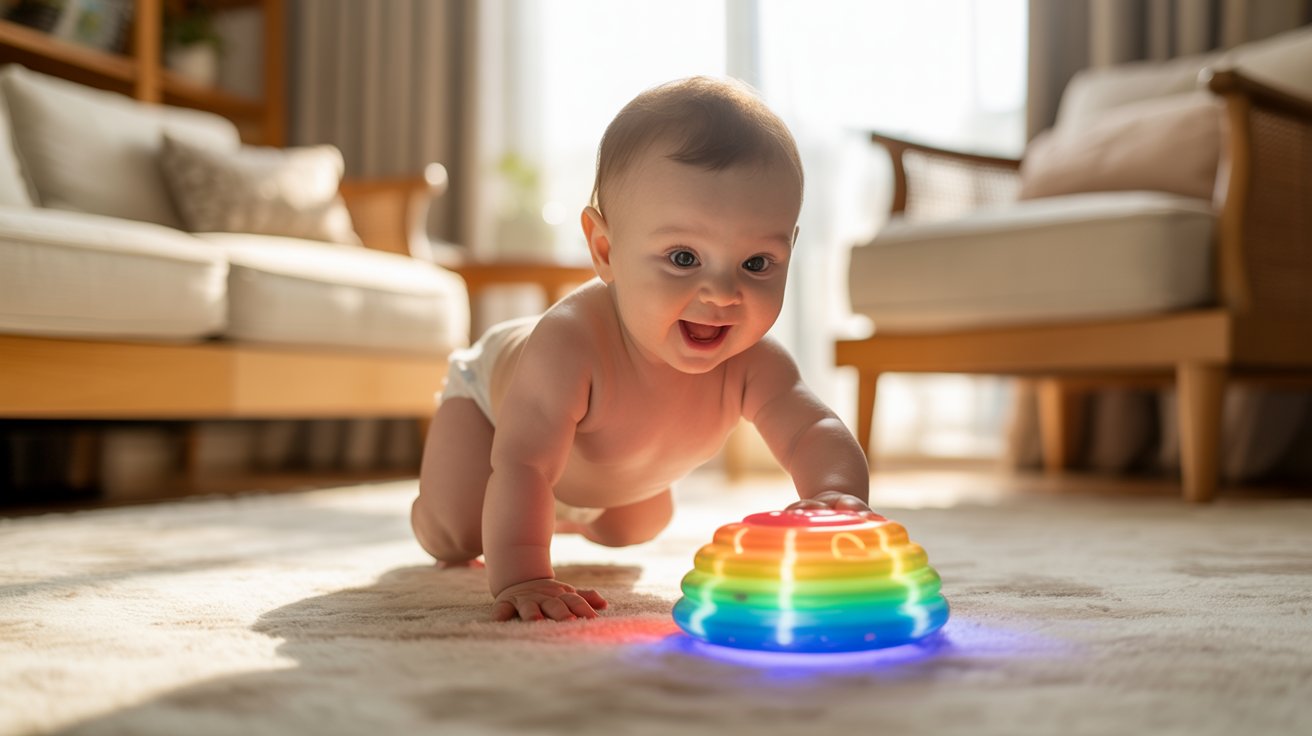
Put a noisy toy just out of your baby's reach. The sound will pull them forward. This motivates crawling in a natural way. It strengthens their arms and legs without any pressure or force from you.
4. Under-the-Sea Sensory Bin
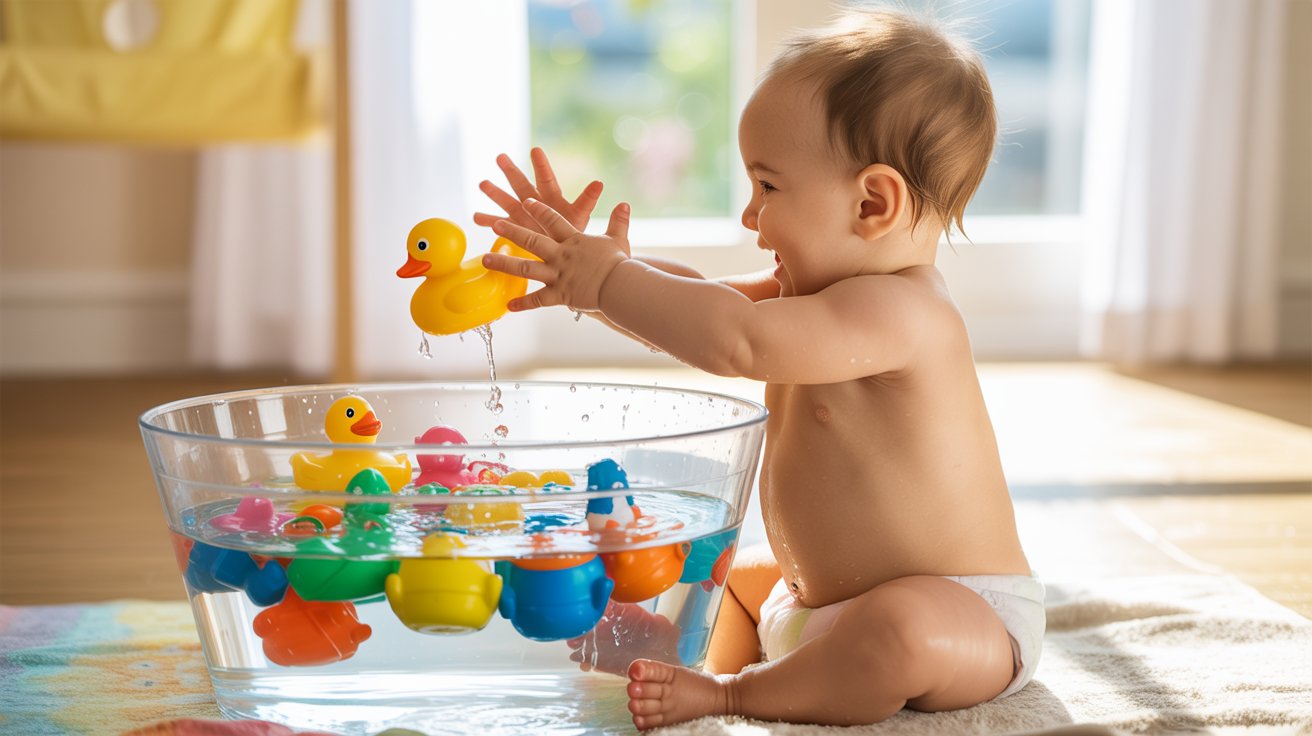
Fill a shallow bin with a little water and add floating toys. Let your baby splash and grab. Water play builds sensory awareness fast. Just stay close, keep the water shallow, and let them go at their own pace.
5. DIY Sensory Bag Activity
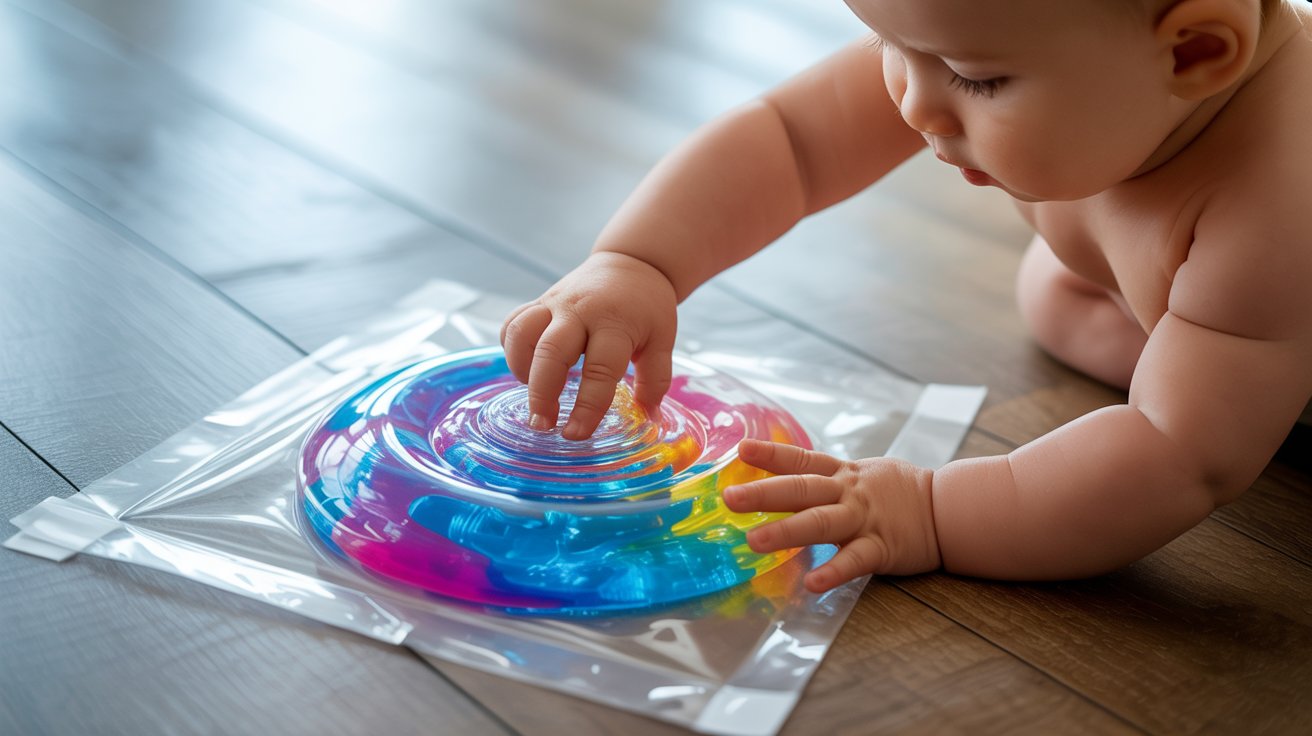
Seal water and baby oil inside a zip-lock bag and tape it to the floor. Your baby can press and poke it safely. The colors and movement inside give their eyes and hands a great visual workout.
6. Build a Simple Tower
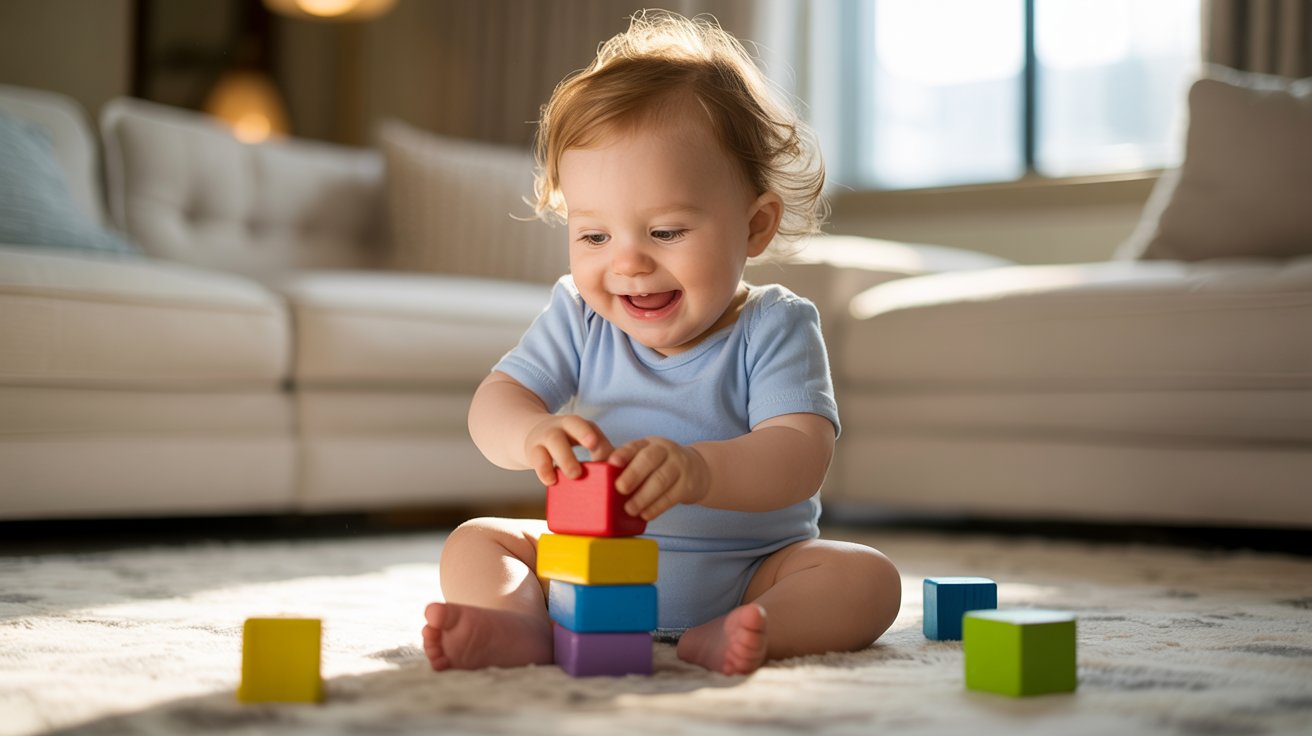
Stack two or three soft blocks in front of your baby. Let them knock it down. Then stack again. This back-and-forth builds hand-eye coordination and teaches early cause and effect in the most basic, satisfying way.
7. Tape Pull Activity
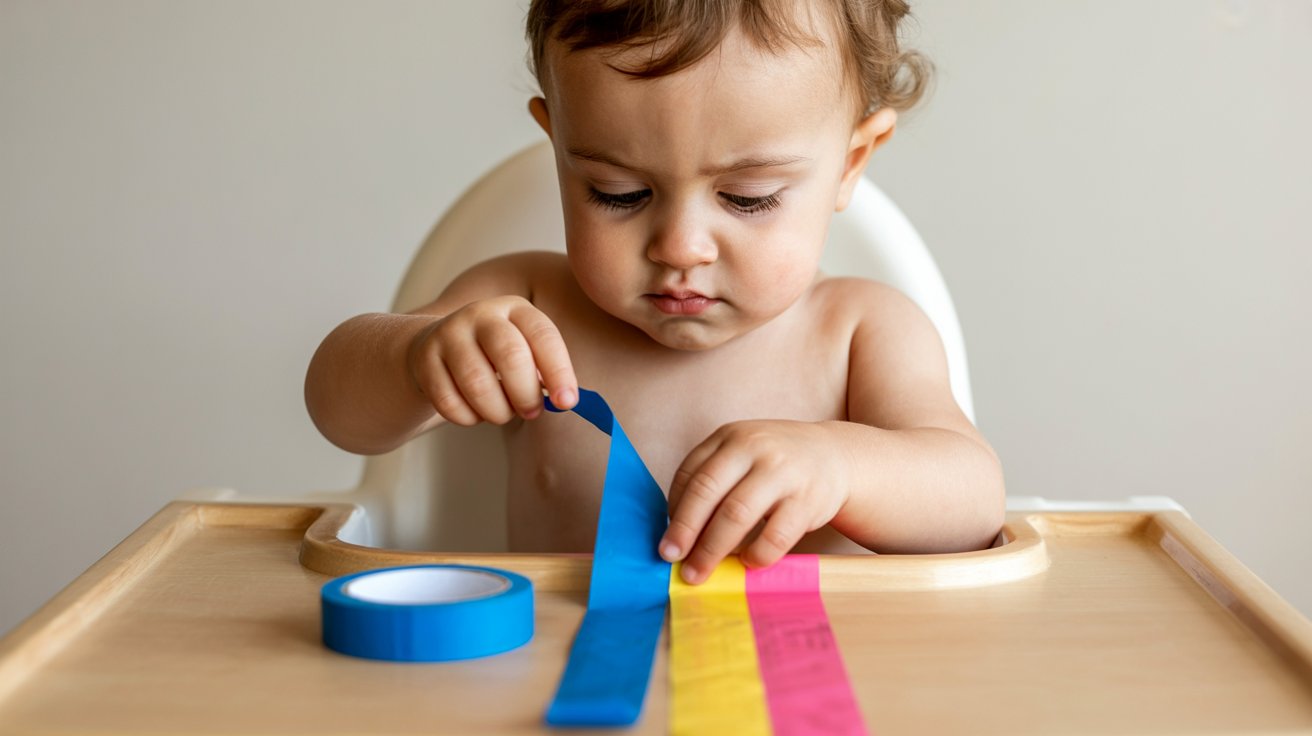
Stick pieces of low-tack tape on a tray or high chair. Let your baby peel them off one by one. This works the small muscles in their fingers and builds fine motor control. It keeps them focused for a good while.
8. Ball Drop Game
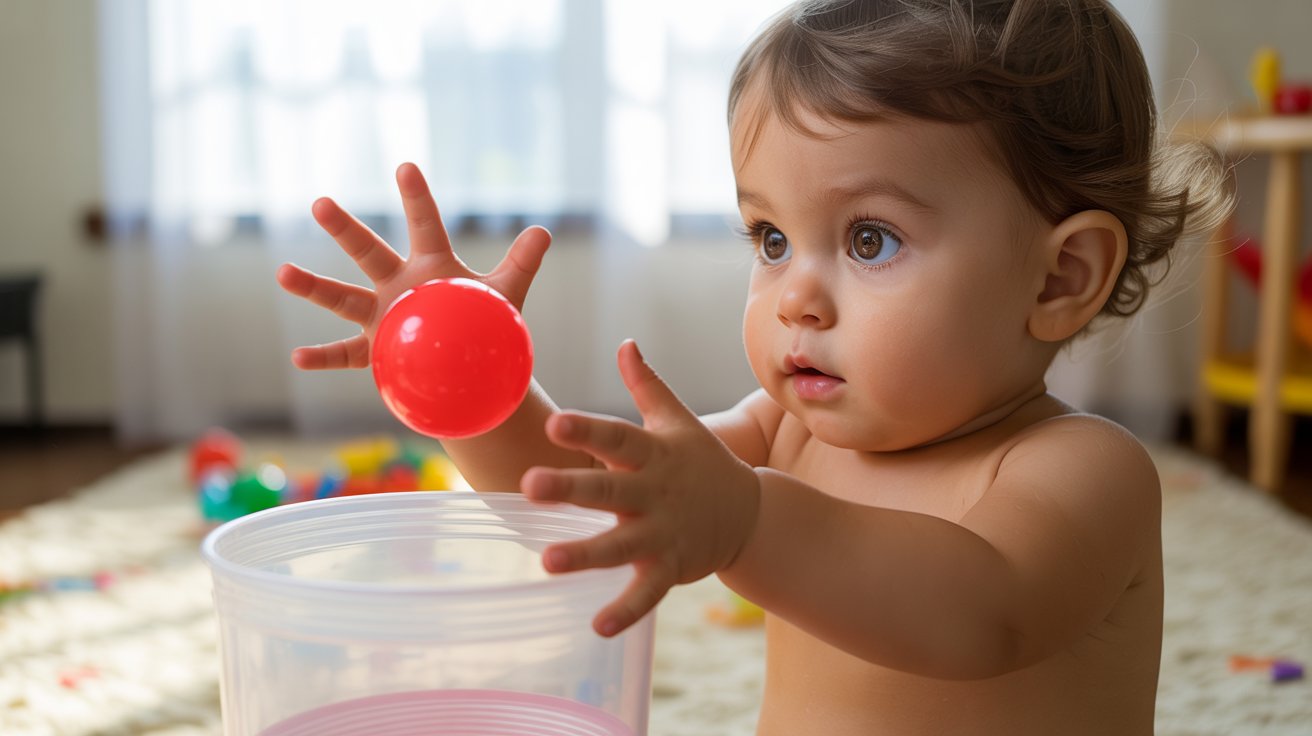
Drop a ball into a container and let your baby watch it fall. Then hand it to them to try. They start to understand that actions have results. This simple game lays the groundwork for early logical thinking.
9. Unwrapping Toy Activity

Loosely wrap a small toy in tissue paper and hand it to your baby. Let them tear it open. This sparks curiosity and works their fingers at the same time. The surprise at the end makes it even more exciting for them.
10. Pots and Pans Play

Pull out a few small pots, pans, and wooden spoons. Let your baby bang away. They'll learn that different objects make different sounds. It's loud, yes, but it builds sensory awareness and keeps them fully engaged for a long time.
11. Pillow Climbing Activity
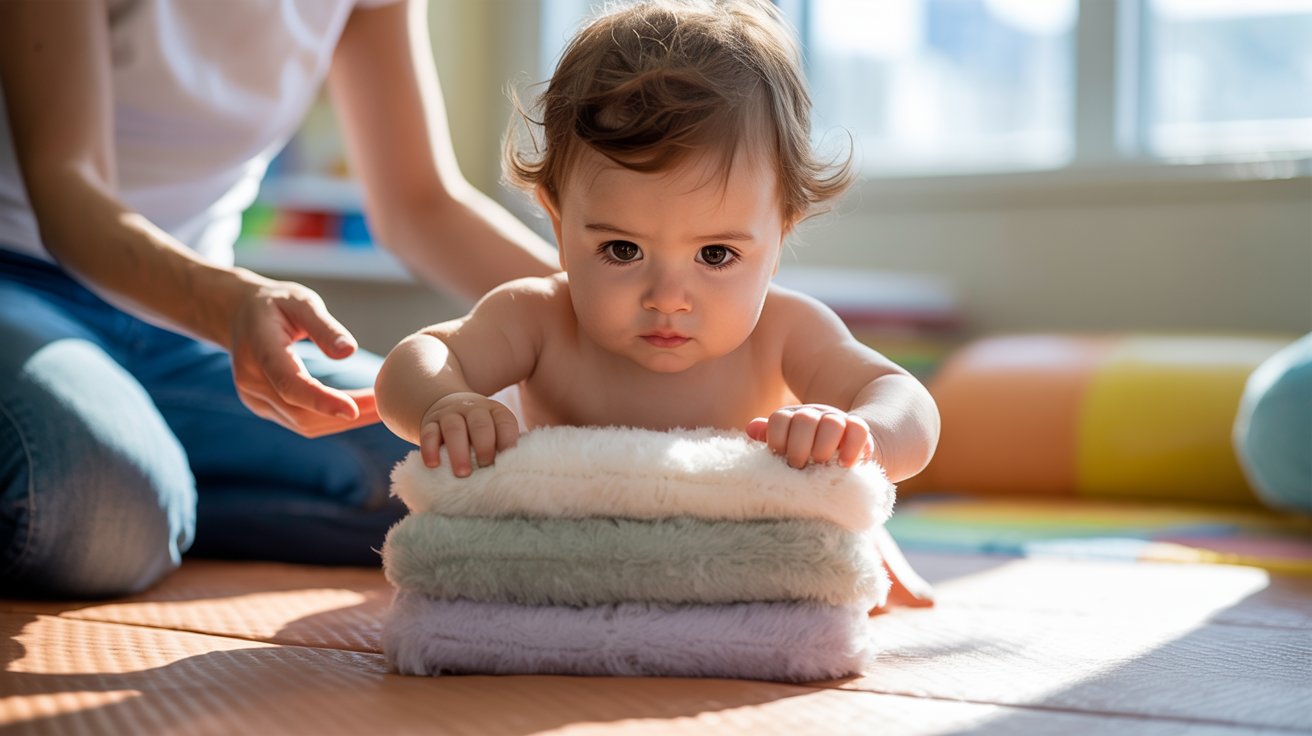
Stack a few firm pillows on the floor and let your baby climb over them. This builds core strength, balance, and confidence. Always stay right beside them. Even small climbs like this do a lot for their physical development at this age.
Safety Tips for Baby Activities
- Always stay in the same room during playtime. A few seconds of no supervision can turn risky fast.
- Keep small objects away from your baby's play area. Anything that fits in their fist is a choking risk.
- Check all toys and materials before handing them over. No sharp edges, loose parts, or toxic paints allowed.
- Use soft, baby-safe items like fabric, silicone, and untreated wood. Avoid anything that can break or splinter easily.
- Get down to your baby's level and watch how they interact. Some babies mouth everything, so stay one step ahead.
Conclusion
Daily play does more than keep your baby busy. It builds their body, sharpens their mind, and deepens the bond between you two.
You don't need expensive toys or a perfect setup. Just show up, get on the floor, and be present. That's what your baby needs most right now.
Try one activity today and see how they respond. And if this guide helped you, share it with another parent who could use it too.
Frequently Asked Questions
How long should I do activities with my 9-month-old each day?
Around 20 to 30 minutes of active play a day is a good start. Short, focused sessions work better than long ones at this age.
What are the best activities for 9-month-old babies at home?
Simple things like stacking blocks, sensory bins, and crawling games work really well. You don't need anything fancy, just safe everyday items.
How do I know if my 9-month-old is ready for a new activity?
Watch their body language. If they're reaching, grabbing, and showing interest, they're ready. If they fuss or turn away, give it a few more weeks.
Can I do sensory play with my 9-month-old safely?
Yes, as long as you use baby-safe materials and stay close. Avoid anything with small pieces and always check that nothing goes into their mouth.
Do activities at 9 months really help with brain development?
They do. Every new texture, sound, and movement creates connections in your baby's brain. Consistent play now supports thinking and problem-solving skills later on.