
Siblings shape who we become. The bond you share with your brother or sister affects your emotions, social skills, and personality.
Some siblings are best friends. Others compete constantly. A few barely speak at all.
What are the 5 types of sibling relationships? This article breaks them down for you. You’ll learn which type describes your bond.
More importantly, you’ll see how to make it better.Trust is the foundation of any sibling connection. When it exists, relationships thrive.
When it’s missing, problems grow. Let’s look at the five main sibling types and what makes each one tick.
Why Sibling Relationships Matter

Sibling bonds shape your personality, emotions, and social skills for life.
Your siblings teach you lessons no one else can. They show you how to share, argue, and make up. These early experiences shape how you handle relationships as an adult.
Brothers and sisters help build empathy. When you fight with a sibling, you learn conflict resolution. When you support each other, you develop stronger self-esteem.
The connection impacts mental health too. Positive sibling relationships provide emotional support during tough times. They give you coping skills that last forever.
Research in 5 types of sibling relationships psychology shows these bonds affect everything. From how you make friends to how you handle stress at work.
Strong sibling ties mean better emotional regulation. You learn to control anger, express feelings, and read social cues. These skills follow you into adulthood.
Types of Sibling Relationships
Sibling bonds vary widely based on personality, family dynamics, and life experiences.
1. The Best Friends Siblings

These siblings share a deep emotional connection and support each other through everything.
Trust, shared interests, and constant communication define this close bond.
These siblings genuinely enjoy spending time together. They share hobbies, secrets, and dreams. You’ll see them texting daily even as adults.
They celebrate wins together and comfort each other during losses.Common interests like sports, music, or gaming create lasting memories.
2. The Rival Siblings

Competition and conflict define this relationship as siblings constantly vie for attention.
Competition for parental attention tops the list. Kids want to feel special and valued.
Achievement comparisons fuel rivalry. Parents might praise one child’s grades while overlooking another’s artistic talent.
Birth order plays a role too. Older siblings might resent younger ones getting more lenient treatment.
3. The Caretaker and the Protected

One sibling takes on responsibility while the other receives care and protection.
Usually the older sibling becomes the caretaker.
They feel responsible for their younger brother or sister. The younger sibling might be more vulnerable due to age, health issues, or personality.
Sometimes parents encourage this dynamic by giving the older child too much responsibility.
4. The Estranged Siblings

Distance and broken communication leave these siblings with minimal or no contact.
Serious conflicts create lasting damage. Major betrayals or hurtful words can break bonds.
Long-term resentment builds from childhood issues. Unaddressed problems grow bigger over time. Misunderstandings sometimes spiral out of control.
Family dynamics contribute too. Taking different sides in parental conflicts drives wedges between siblings.
5. The Indifferent Siblings
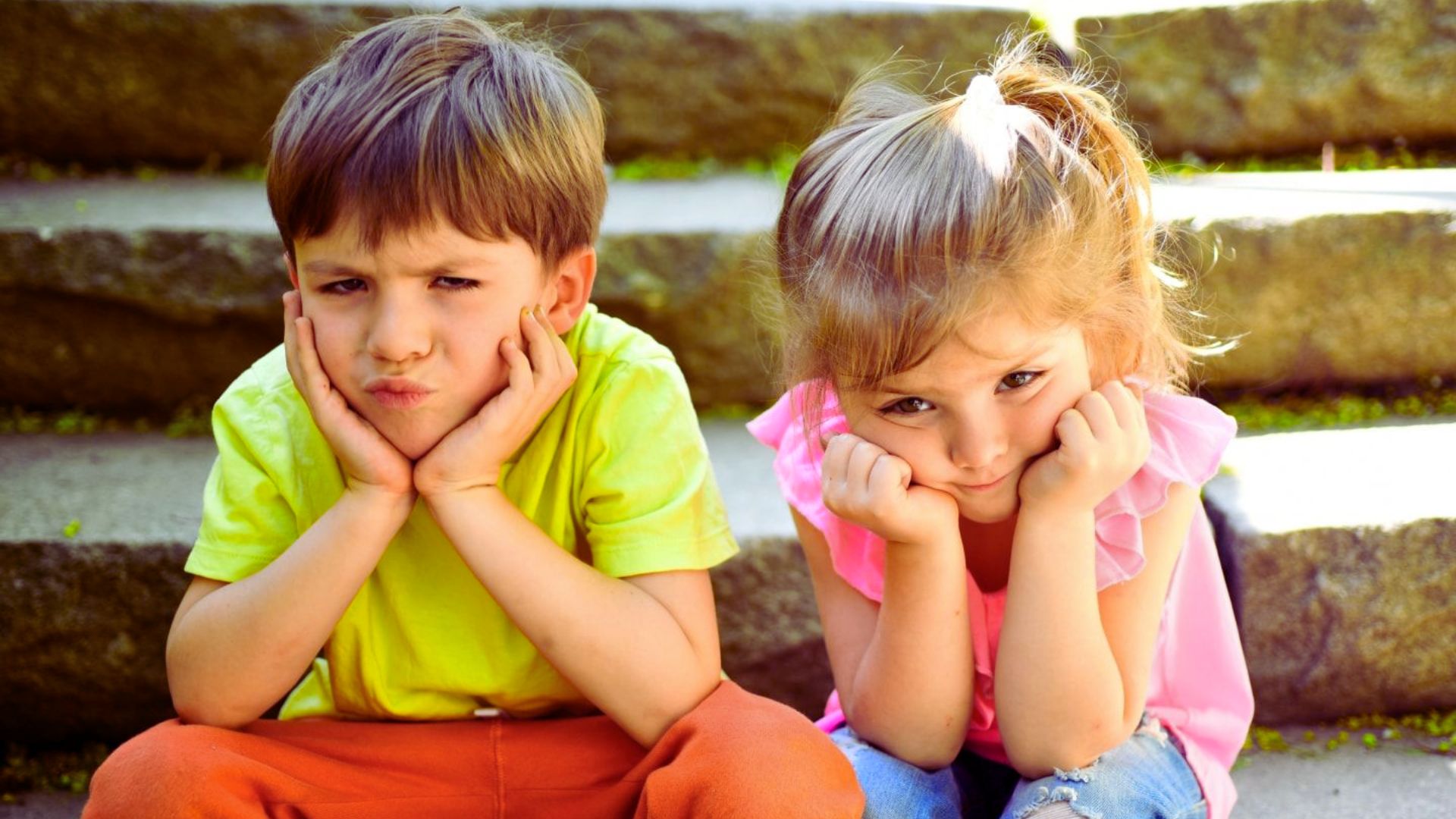
These siblings maintain polite distance without strong emotional connection or conflict.
These siblings don’t fight much but don’t connect deeply either.
Interactions stay surface-level and polite. Conversations never go beyond basic small talk. They might see each other at holidays without real conversation.
No strong emotional bond exists in either direction. This indifference often stems from having little in common. Different values and lifestyles create natural distance.
How Sibling Relationships Change Over Time

Bonds evolve through life stages as priorities and perspectives shift with age.
Childhood relationships feel intense and constant. Teenage years bring distance through independence. Young adulthood means minimal contact as careers take priority.
Middle age often brings reconnection through shared parenting and aging parents.
Past conflicts feel less important with time. Shared memories become more valuable. Losing parents often motivates reconciliation and forgiveness becomes easier with maturity.
Parental favoritism damages sibling relationships long-term. How parents handle conflicts teaches siblings their patterns. Family stress can bring siblings together or tear them apart.
Choosing the Right Gift for Each Type of Sibling

Thoughtful gifts strengthen bonds by showing understanding and appreciation for your relationship.
Photo albums or scrapbooks celebrate shared memories. They remind siblings of good times together. Custom jewelry with meaningful symbols shows thought.
Engraved items with inside jokes work great. Letters expressing appreciation touch hearts. Written words last longer than spoken ones.
Items from childhood bring nostalgia. Finding that old toy or book you both loved creates connection.
Concert or sports tickets create new memories. Shared experiences matter more than objects. Cooking classes or workshops you attend together build skills and bonding time.
Tips to Build Healthy Sibling Relationships
Strong sibling bonds require effort, understanding, and commitment from everyone involved in the relationship.
- Talk about feelings before they build up. Share what’s bothering you calmly. Listen without interrupting and express appreciation for kind gestures.
- Respect boundaries and differences. Honor each sibling’s need for space and privacy. Accept that you’re different people with different values and life choices.
- Avoid comparisons and competition. Stop measuring your success against your sibling’s achievements. Celebrate their accomplishments genuinely without making it about yourself.
- Schedule regular quality time together. Find activities you both enjoy and be fully present. Consistency matters more than elaborate plans or grand gestures.
- Handle conflicts maturely. Address issues directly instead of using passive-aggressive tactics. Apologize when wrong, forgive sincerely, and focus on solutions over winning arguments.
Conclusion
Every sibling relationship has value, even difficult ones. Understanding your type helps you work with what you have.
My sister and I were rivals growing up but became close friends as adults. Change is always possible.
Start small. Send a text, share a memory, or plan a coffee date. Empathy and communication can improve any bond. Your sibling relationship is worth the effort.
Which type describes your bond? Leave a comment below and share your experience. You might help someone else feel less alone.
Frequently Asked Questions
What are the 5 types of sibling relationships?
The five types are best friends, rivals, caretaker and protected, estranged, and indifferent siblings. Each type has different characteristics that shape how siblings interact throughout life.
Can sibling relationships change over time?
Yes, sibling relationships often change as people mature and gain new perspectives. Childhood rivals might become adult friends, and distant siblings might reconnect later in life.
How does birth order affect sibling relationships?
Birth order influences sibling dynamics by creating different family experiences for each child. Older siblings often take leadership roles while younger ones might feel protected or overlooked.
What causes siblings to become estranged?
Estrangement happens due to unresolved conflicts, betrayals, long-term resentment, or family disagreements. Sometimes misunderstandings grow over time without anyone taking steps to repair the bond.
How can I improve my relationship with my sibling?
Start with small, consistent communication and show genuine interest in their life. Practice active listening, set healthy boundaries, and create new shared experiences together.