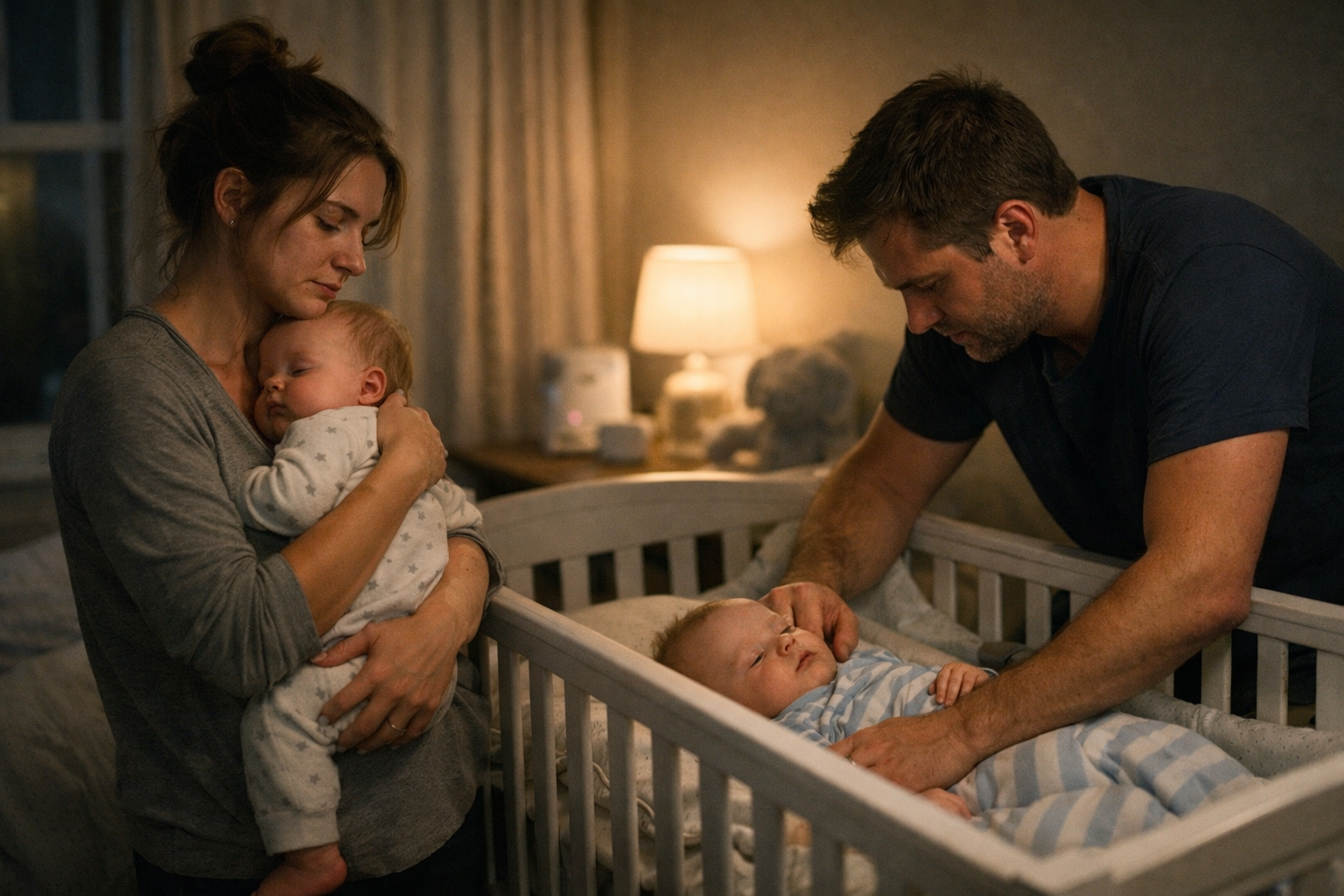
I know how hard it is when your baby only sleeps in your arms. When to stop rocking the baby to sleep is something I worry about too, and I want to help you through it.
In this blog, I’ll share why rocking works so well, when it starts causing problems, and the best age to transition away from it.
I’ve been exactly where you are. Trust me, there’s a way forward that works for both of you.
Let’s figure this out together.
Is It Okay to Rock a Baby to Sleep?

Yes, rocking your baby to sleep is completely normal and healthy, especially in the early months. It’s one of the most natural ways to calm a newborn.
Newborns are used to constant motion from the womb. Rocking mimics that gentle swaying and triggers their calming reflex.
Your baby’s brain isn’t developed enough yet to self-soothe, so rocking gives them the comfort they need.
Rocking also creates a close moment between you and your baby. It builds trust and strengthens your bond.
The rhythmic motion lowers their heart rate and helps them fall asleep more easily.
Why Babies Like Being Rocked to Sleep

Babies don’t just like rocking; they crave it. It speaks to something deep in their nervous system and emotional needs.
Womb-Like Motion and Nervous System Regulation
In the womb, your baby was surrounded by movement. Your heartbeat, breathing, and walking all created a soothing rhythm. Rocking brings that feeling back.
This motion activates the vestibular system, which controls balance and calm.
It sends signals to the brain that say, “You’re safe. You can relax now.” That’s why babies often fall asleep so quickly when rocked.
Comfort, Security, and Emotional Soothing
Rocking isn’t just physical. It’s emotional too. When you hold and rock your baby, they feel protected. Your warmth, smell, and heartbeat all add to that sense of security.
Babies can’t understand words yet, but they understand touch.
Rocking tells them, “I’m here. Everything is okay.” That emotional comfort helps them let go and fall asleep.
When Does Rocking to Sleep Become a Challenge?

Rocking works beautifully in the beginning. But over time, it can turn into a pattern that’s hard to break.
Sleep Associations and Dependency
If your baby is rocked to sleep every time, they start to rely on it. They begin to think they need rocking to fall asleep. This is called a sleep association.
Once that association forms, your baby may not know how to fall asleep any other way. They’ll wake up between sleep cycles and cry for you to rock them again.
Frequent Night Wakings Linked to Rocking
Babies wake up naturally during the night. If they were rocked to sleep, they’ll want rocking again to get back to sleep. This can mean waking up every hour or two.
You end up spending more time rocking than sleeping. It becomes exhausting and unsustainable for most parents.
Physical and Emotional Impact on Parents
Rocking a baby for 20 to 30 minutes multiple times a night takes a toll. Your back aches. Your arms get tired. You feel drained and overwhelmed. It can also create stress in your relationship with your partner.
When one person is always rocking, resentment can build. Sleep deprivation affects your mood, patience, and overall health.
Signs It May Be Time to Stop Rocking Baby to Sleep
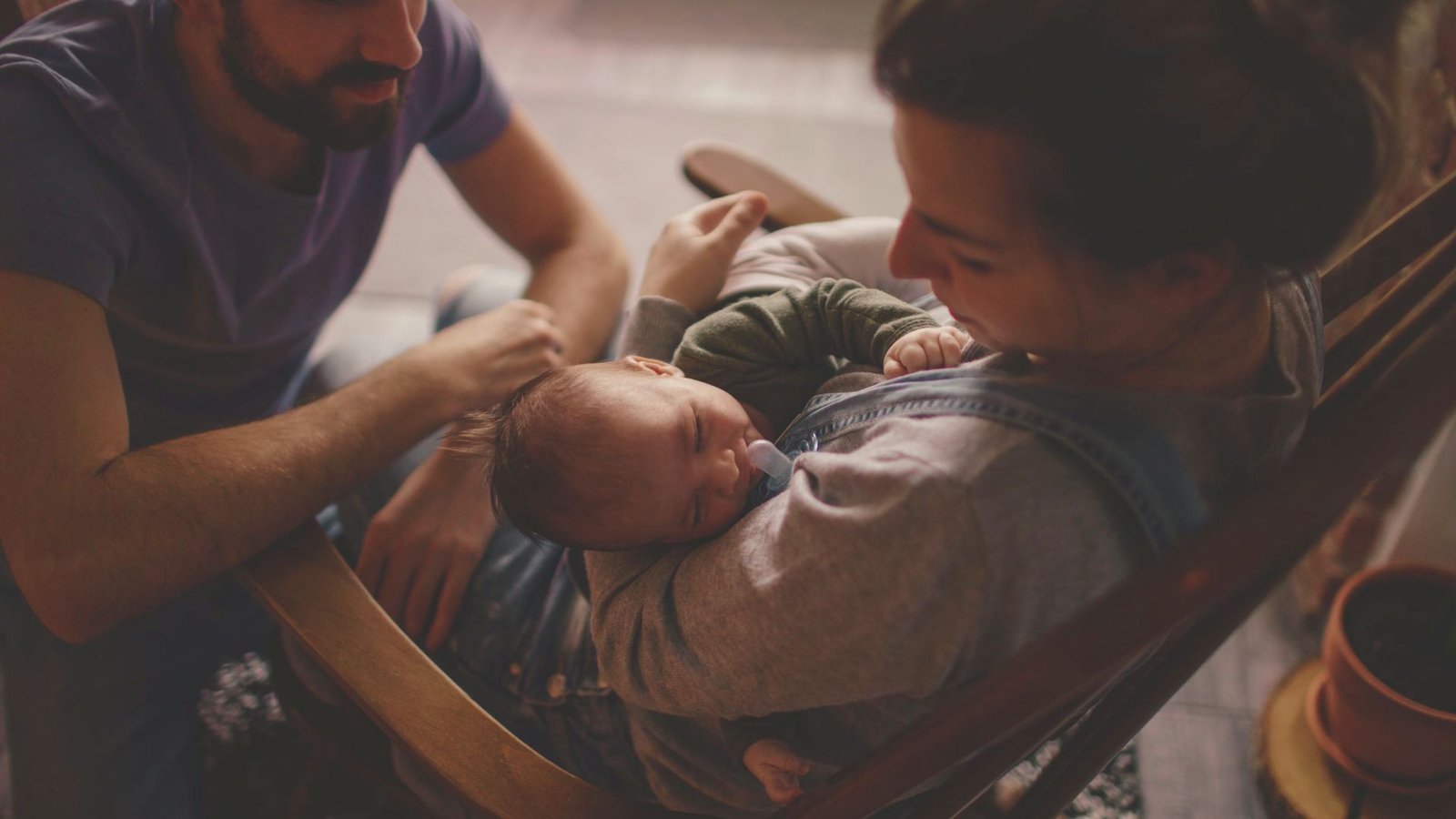
Not sure if it’s time to make a change? Here are the clearest signs.
Baby Wakes as Soon as Rocking Stops
If your baby’s eyes pop open the second you stop moving, that’s a red flag. It means they’re not fully asleep. They’re just drowsy and dependent on the motion.
This makes it nearly impossible to put them down without starting over. You get stuck in a loop of rocking, stopping, and rocking again.
Difficulty Transferring Baby to Crib or Cot
You rock your baby to sleep, then try to lay them down gently. But the second their back touches the mattress, they wake up crying.
Sound familiar? This happens because your baby associates sleep with being held and rocked. The change in position and temperature wakes them up. It’s frustrating and exhausting.
Short Naps Without Motion
If your baby only sleeps for 20 or 30 minutes unless they’re being rocked, that’s another sign. They’re not learning to connect sleep cycles on their own.
They wake up after one cycle and can’t fall back asleep without help. This means you’re stuck holding or rocking them for every nap.
Baby Needs Rocking for Every Night Wake
Waking up once or twice is normal. But if your baby needs rocking every single time they wake, it’s a problem. You’re not getting the rest you need to function.
Your baby also isn’t learning to self-soothe. They’re relying completely on you to fall back asleep. That’s hard on everyone.
What Age Should You Stop Rocking Baby to Sleep?

There’s no magic number, but there are general guidelines based on development.
Newborn Stage (0–3 Months)
During this stage, rocking is totally fine. Your baby is still adjusting to life outside the womb. They need your help to feel calm and safe.
Self-soothing isn’t possible yet. Their brain and nervous system are too immature. Keep rocking as much as you need to.
4–6 Months: Developing Self-Soothing Skills
Around four to six months, babies start to develop the ability to self-soothe. This is a good time to begin gently reducing how much you rock.
You can start by rocking them until they’re drowsy, then putting them down awake. Let them practice falling asleep on their own. It won’t happen overnight, but small steps help.
6+ Months: Building Independent Sleep Habits
By six months, most babies are ready to learn independent sleep skills. They can go longer stretches without feeding and can settle themselves more easily.
This is when many parents choose to stop rocking completely. You can create a calm bedtime routine that doesn’t involve rocking, like reading, singing, or a gentle back rub.
Why There Is No One “Right” Age
Every baby is different. Some are ready to stop being rocked earlier. Others need more time. Trust your instincts and watch your baby’s cues.
Some parents continue gentle rocking past six months and that’s okay too. The key is making sure it’s working for both of you, not just your baby.
Common Mistakes Parents Make When Rocking to Sleep
Avoiding these common mistakes can make the transition smoother for both you and your baby.
- Expecting Rocking to Work Indefinitely: Many parents assume rocking will always be a quick fix. But as babies grow, it often stops working as well. They get heavier, more aware, and more dependent on it. If you plan to stop rocking eventually, it’s easier to do it gradually.
- Confusing Comfort With Sleep Readiness: Sometimes babies cry because they’re overtired, overstimulated, or uncomfortable, not because they need to be rocked. Rocking can become a default response even when it’s not the real solution. Pay attention to your baby’s sleep windows and cues.
- Ignoring Baby’s Sleep Cues: If you wait too long to put your baby down, they get overtired. Overtired babies are harder to settle, even with rocking. Watch for early signs like rubbing eyes, yawning, or staring off and start your sleep routine right away.
- Rocking Until Fully Asleep: Rocking your baby into a deep sleep makes it harder for them to learn independent sleep skills. Try putting them down drowsy but awake. This helps them practice falling asleep on their own over time.
- Being Inconsistent With Your Approach: Switching between rocking and not rocking confuses your baby. Pick an approach and stick with it for at least a few days. Consistency helps your baby understand what to expect and adjust more easily.
Conclusion
Figuring out when to stop rocking the baby to sleep isn’t easy, but you’re not alone. I remember those nights feeling exhausted and wondering if I’d ever sleep again.
Here’s what I learned: there’s no perfect age or method. What matters is finding what works for your family. Start small, be patient with yourself, and trust your instincts.
If this helped you, leave a comment and share your story. Or pass this along to another tired parent who needs it. You’ve got this.
Frequently Asked Questions
Is it bad to rock my baby to sleep every night?
No, it’s not bad for young babies. Rocking is natural and comforting. It only becomes a problem if it’s causing sleep issues or exhausting you.
Can rocking create bad sleep habits?
Rocking itself isn’t bad. But if your baby can only fall asleep while being rocked, it creates dependency. This may lead to frequent night wakings later on.
How do I stop rocking without making my baby cry?
Rock them until drowsy, not fully asleep. Put them down while slightly awake. Reduce rocking time gradually and stay consistent.
What if my baby won’t sleep without rocking after six months?
It’s okay if they still need some rocking. Try shortening the time or use other methods like patting or shushing instead.
Should I stop rocking during naps and bedtime at the same time?
Not necessarily. Start with one or the other. Many parents focus on nighttime sleep first, then work on naps.