
Preparing for a baby can feel overwhelming. You want to get everything right, but endless product lists make it hard to know what you actually need.
I’ve been there, and I know how stressful it gets. This guide breaks down the top 10 things a baby needs for those first precious weeks.
Let’s simplify this together. My goal is to give you clear, honest advice you can trust, no fluff, just real help for new parents.
Let me help you out!
Why Preparing a Newborn Checklist Matters?
Having a solid plan before your baby arrives makes life easier. A good checklist keeps you organized and calm.
A newborn checklist helps parents stay organized, reduces stress, saves money, and keeps focus on what truly matters most.
A checklist lets you shop ahead without panic buying. Baby stores want you to buy everything, but newborns need basics like diapers and safe sleep spaces.
A checklist helps you avoid wasting money on unused items.
Top 10 Things Baby Needs: Complete Newborn Checklist
Here’s what your baby truly needs in those first months. I’ve kept this practical and realistic based on what works.
1. Diapers, Wipes & Changing Needs
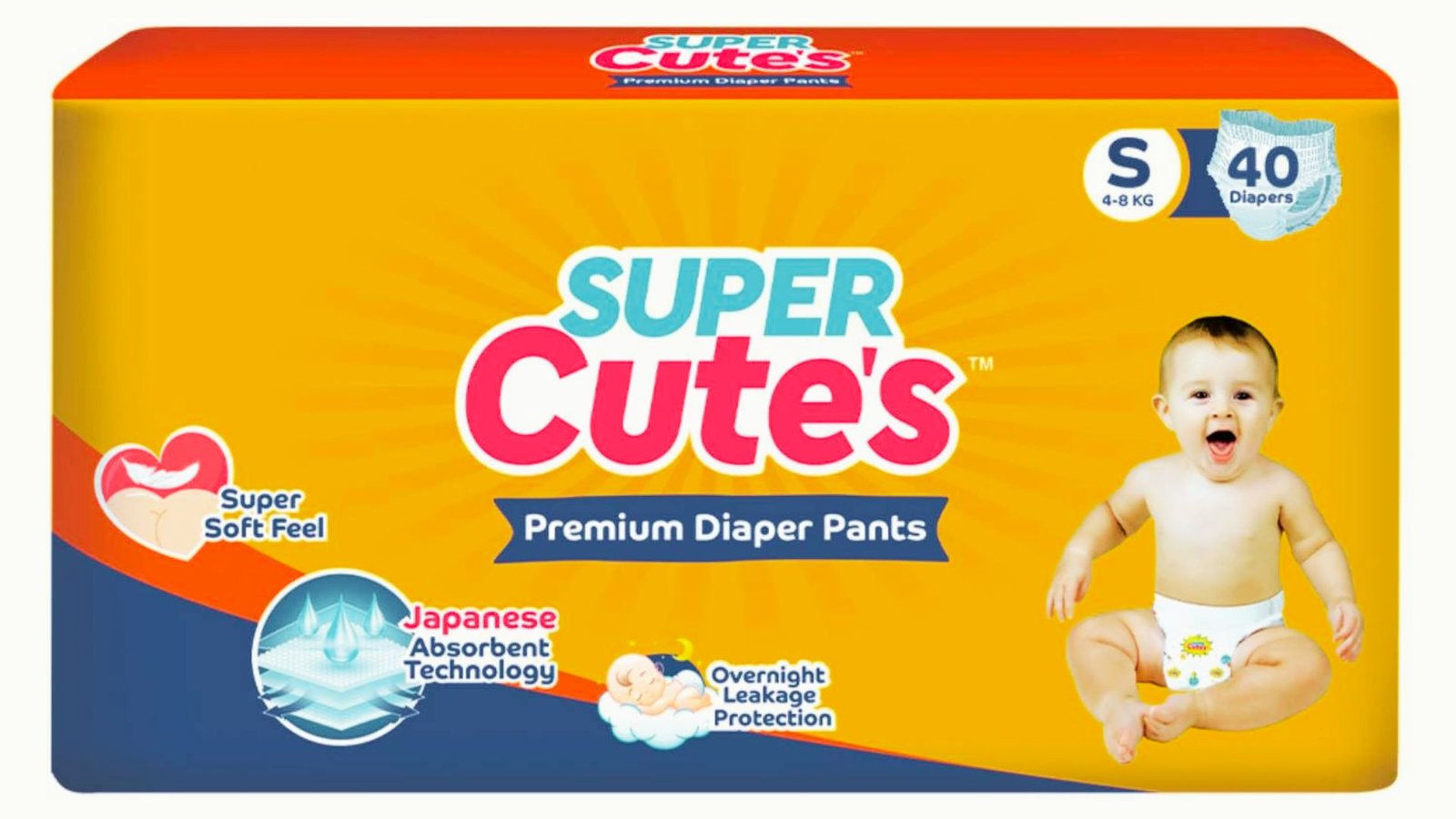
Your baby will go through about 10 diapers daily at first. Stock up early because you’ll need them constantly.
Disposable diapers offer convenience. You use them once and toss them. Cloth diapers save money over time and are better for the environment. Choose what fits your lifestyle.
Keep zinc oxide cream on hand for diaper rash. Get a changing pad with a wipeable cover. Keep everything within arm’s reach and never leave your baby alone on a changing surface.
2. Safe Car Seat
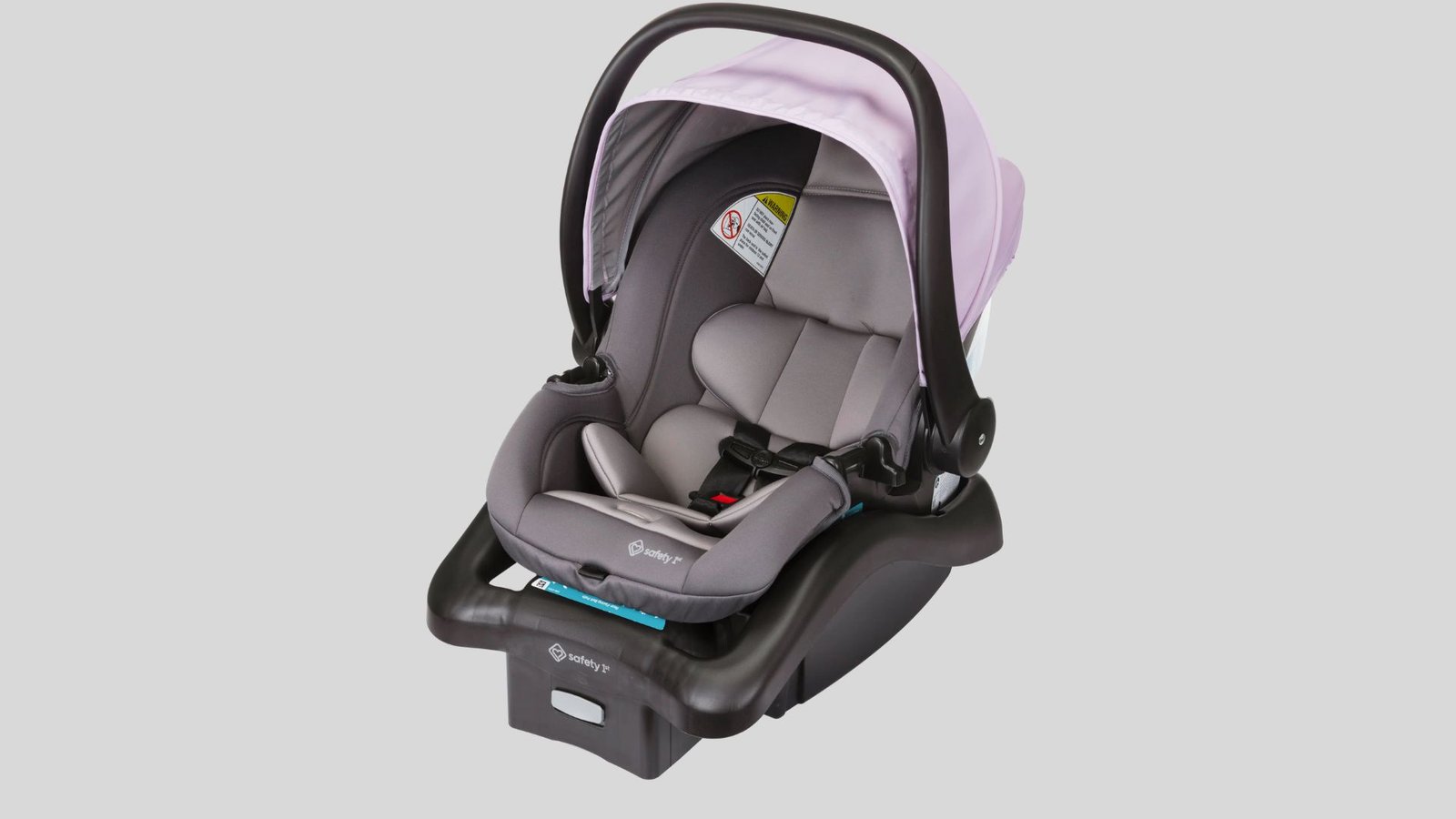
You can’t leave the hospital without one. Car seat safety isn’t optional. Infant car seats are rear facing and support your newborn’s head and neck.
Many come with a base that stays in your car. You can carry the seat in and out, letting your baby keep sleeping during transfers.
Check for current safety certifications. Never buy a used seat if you don’t know its history. Register your car seat with the manufacturer. Many fire stations offer free installation checks.
3. Comfortable Sleep Space
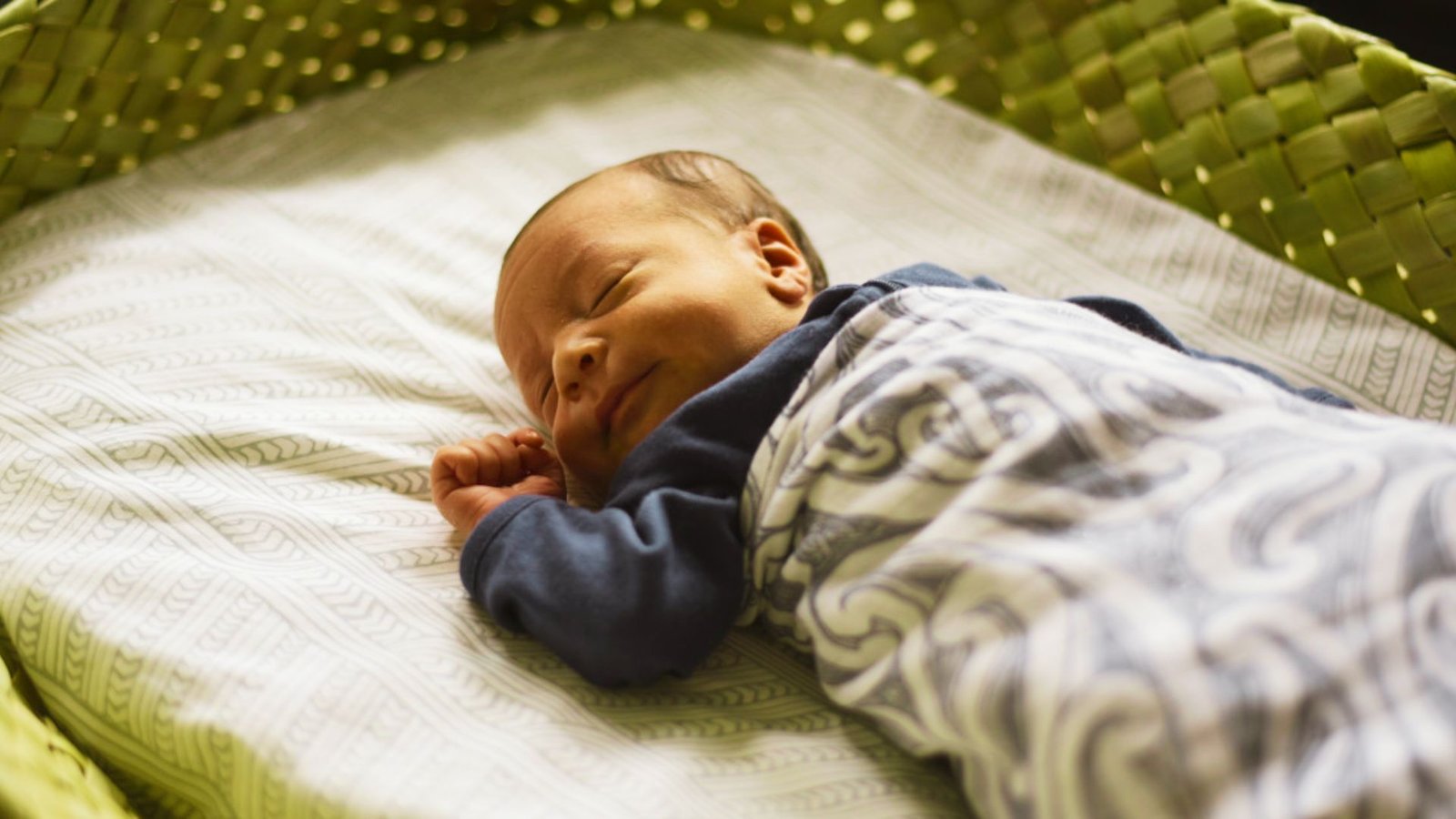
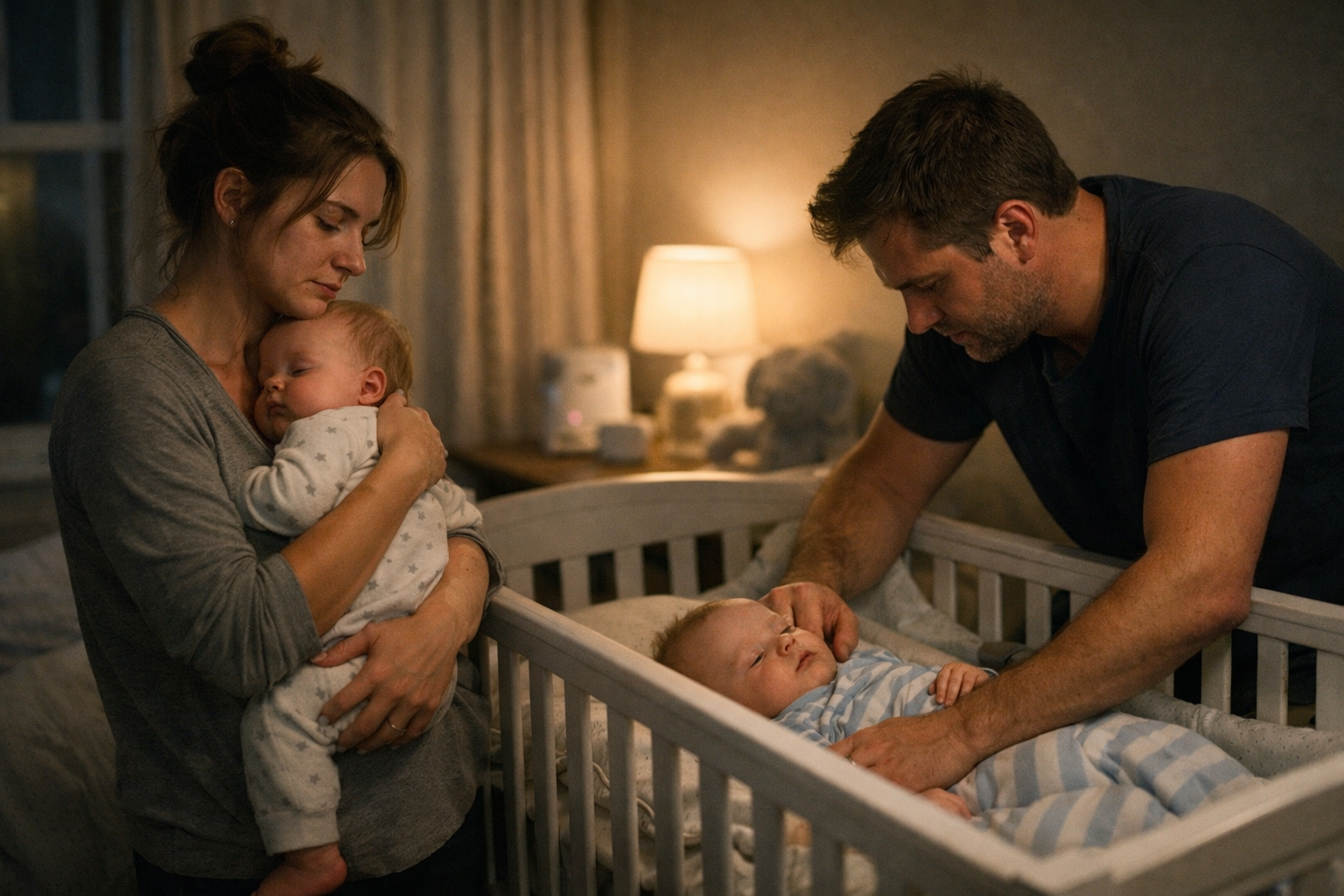
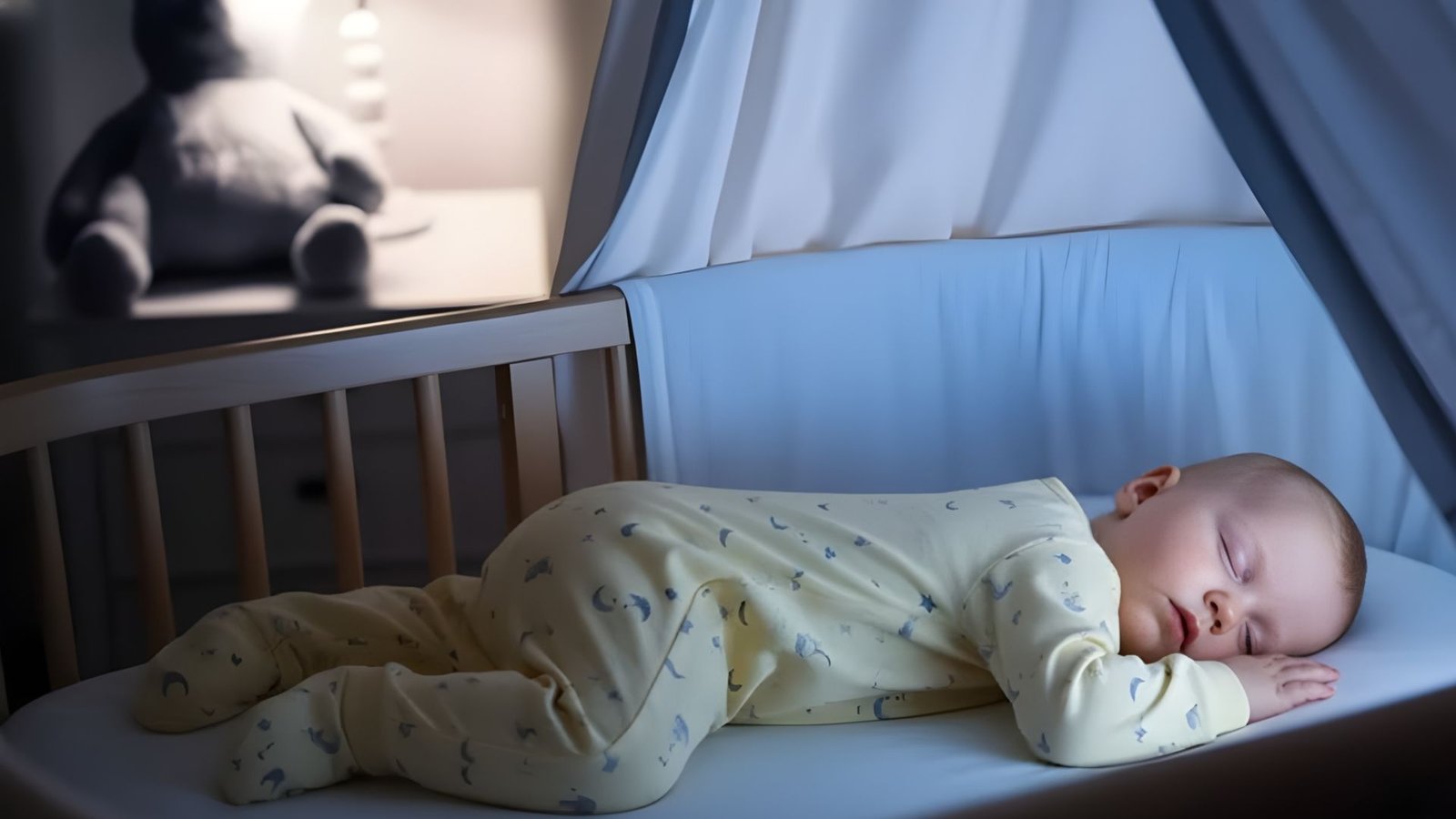
Newborns sleep 16-18 hours daily. They need a safe, cozy place to rest. Bassinets are small and portable, perfect for keeping beside your bed.
They work well for the first few months. Cribs last much longer and meet strict safety standards. Both options work fine. Get a firm mattress that fits snugly.
Buy 3-4 fitted sheets for backups. Keep the crib empty, no pillows, blankets, or stuffed animals. Just your baby on their back. Keep room temperature between 68-72°F.
4. Swaddles & Blankets
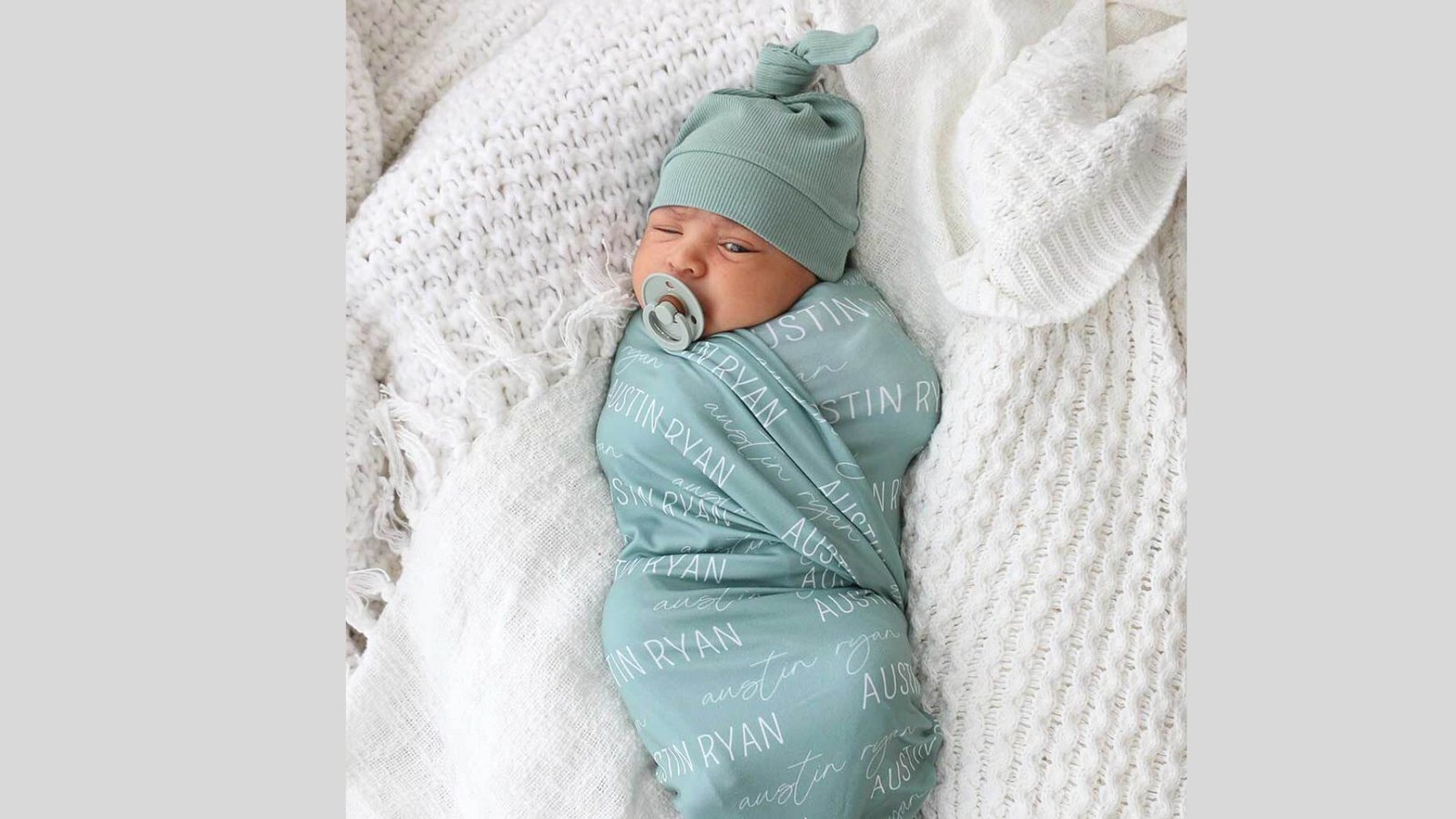
Swaddling helps many newborns feel secure. It mimics the snug feeling of the womb. Swaddled babies often sleep longer. The wrap keeps their arms from startling them awake.
Not every baby loves being swaddled. Watch your baby’s cues and adjust. Stop swaddling once your baby can roll over, usually around 2-3 months.
Cotton and muslin work best. Get swaddles with velcro or zippers for easier changes. Have 3-4 swaddles on hand.
5. Feeding Needs
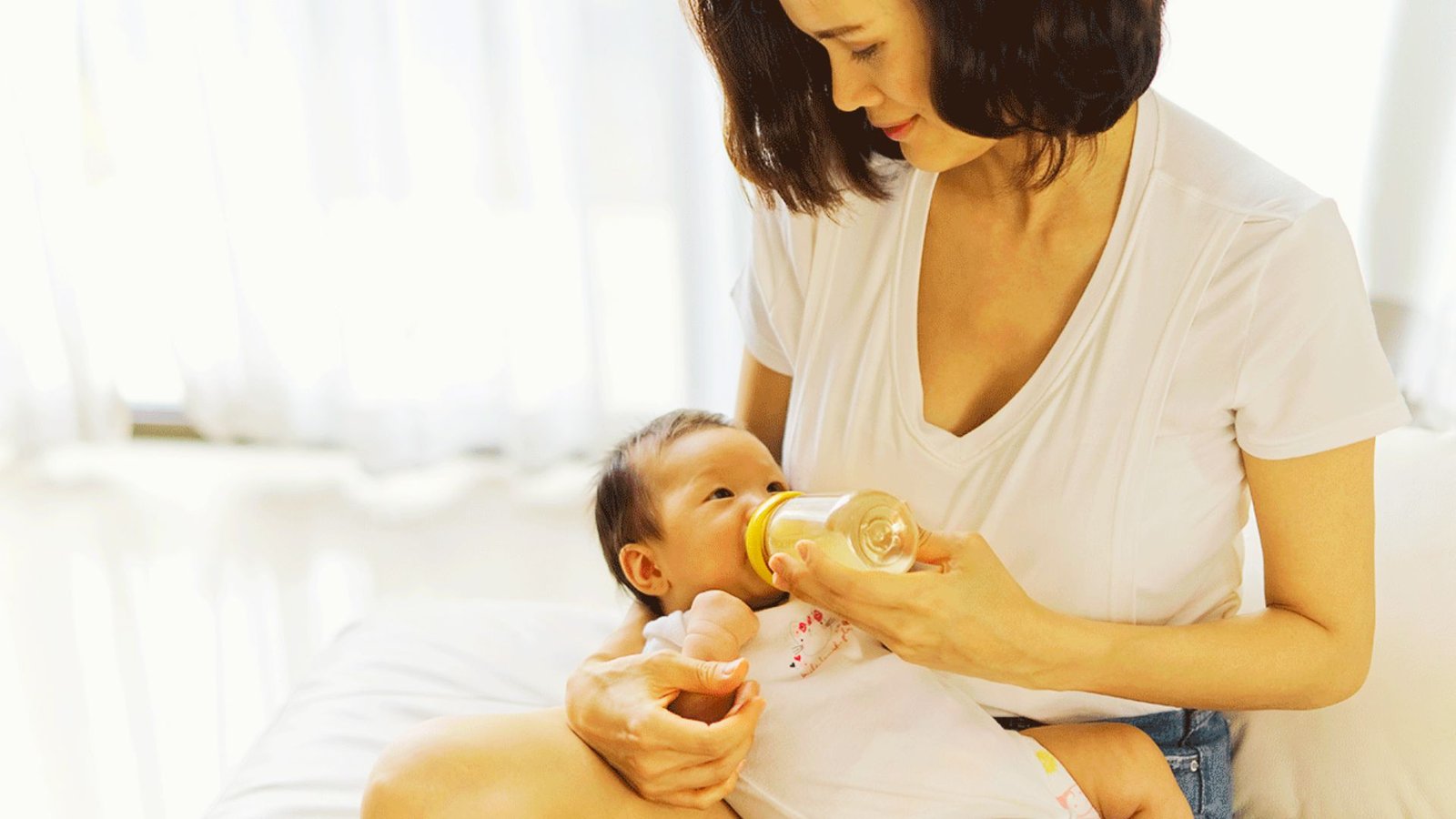
How you feed your baby is personal. Stock up on supplies for your chosen method. For breastfeeding, get a nursing pillow, nursing pads, and nipple cream.
A breast pump gives you flexibility and lets others feed the baby. Start with 4-6 bottles in different sizes.
Formula comes in powder, liquid, and ready to feed versions. A bottle brush cleans hard to reach spots. Some parents buy a bottle warmer, while others use warm water.
6. Baby Clothing Basics
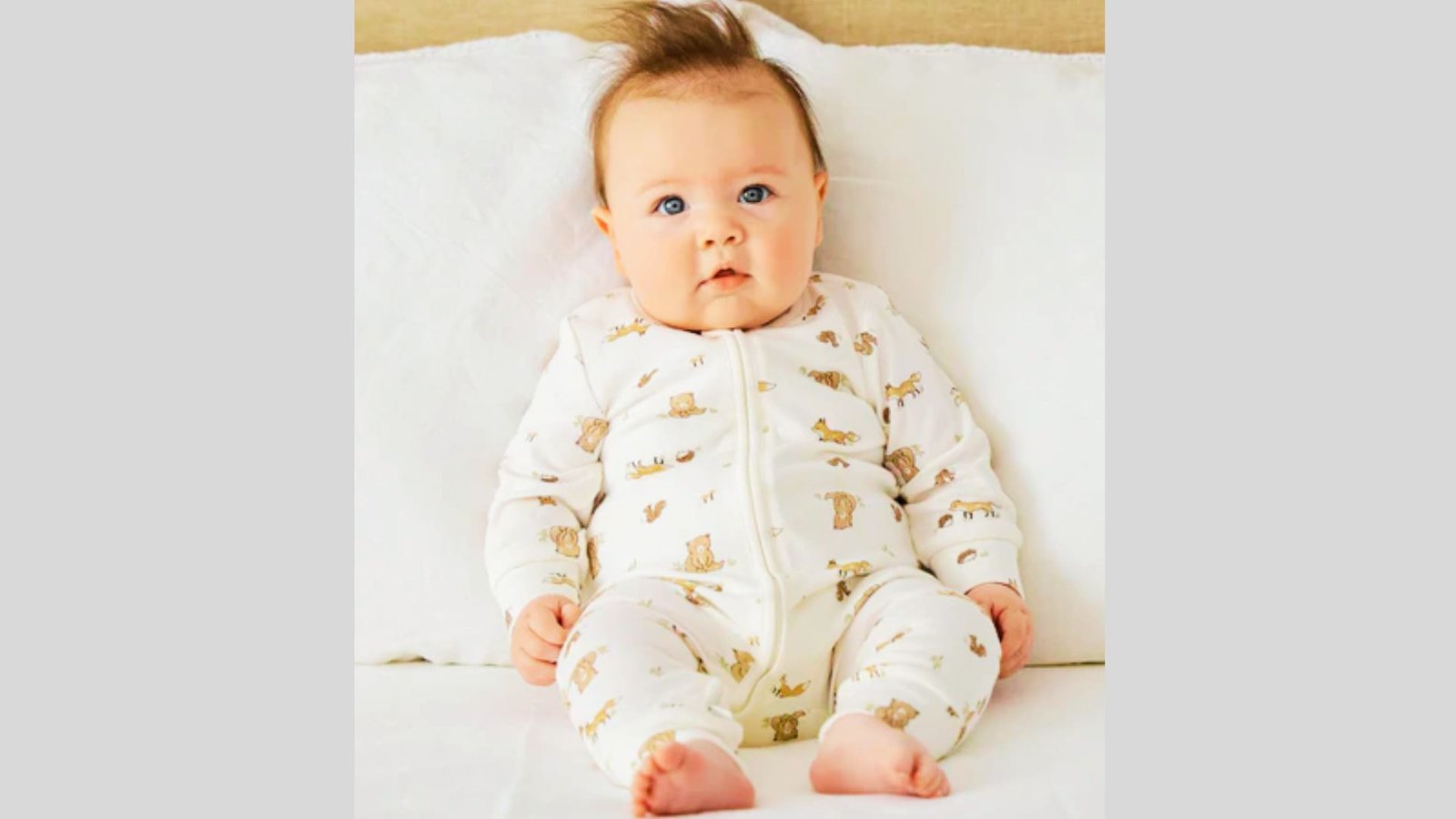
Babies grow fast. Don’t overbuy any single size. Onesies are your go-to daily wear. Sleepers keep babies cozy at night.
Consider your climate: summer babies need light cotton, winter babies need warmer layers. Start with 6-8 onesies in newborn and 0-3 month sizes.
Have 4-5 sleepers ready. Don’t forget basics 4-6 pairs of socks, 2-3 hats, and a few bibs. Skip fancy outfits for now.
7. Bathing & Skincare Items
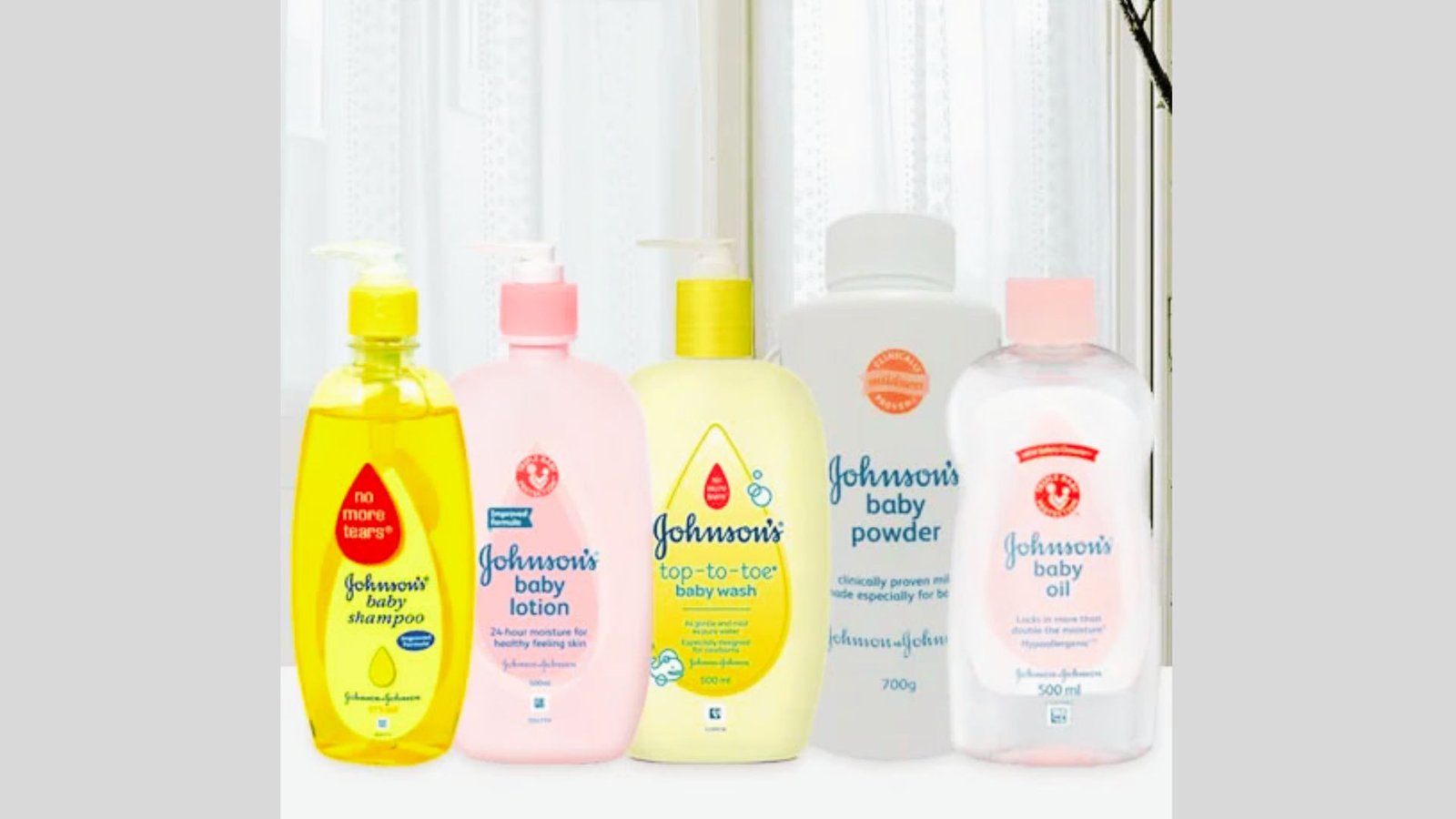
Newborns don’t need daily baths. Two to three times weekly is plenty. A small infant tub makes bath time safer.
Some parents just use the sink with a towel underneath. Get 2-3 hooded towels. Use mild, fragrance-free soap.
Moisturizer helps with dry patches. Keep it simple: fewer products mean less chance of irritation.
8. Baby Carrier or Stroller
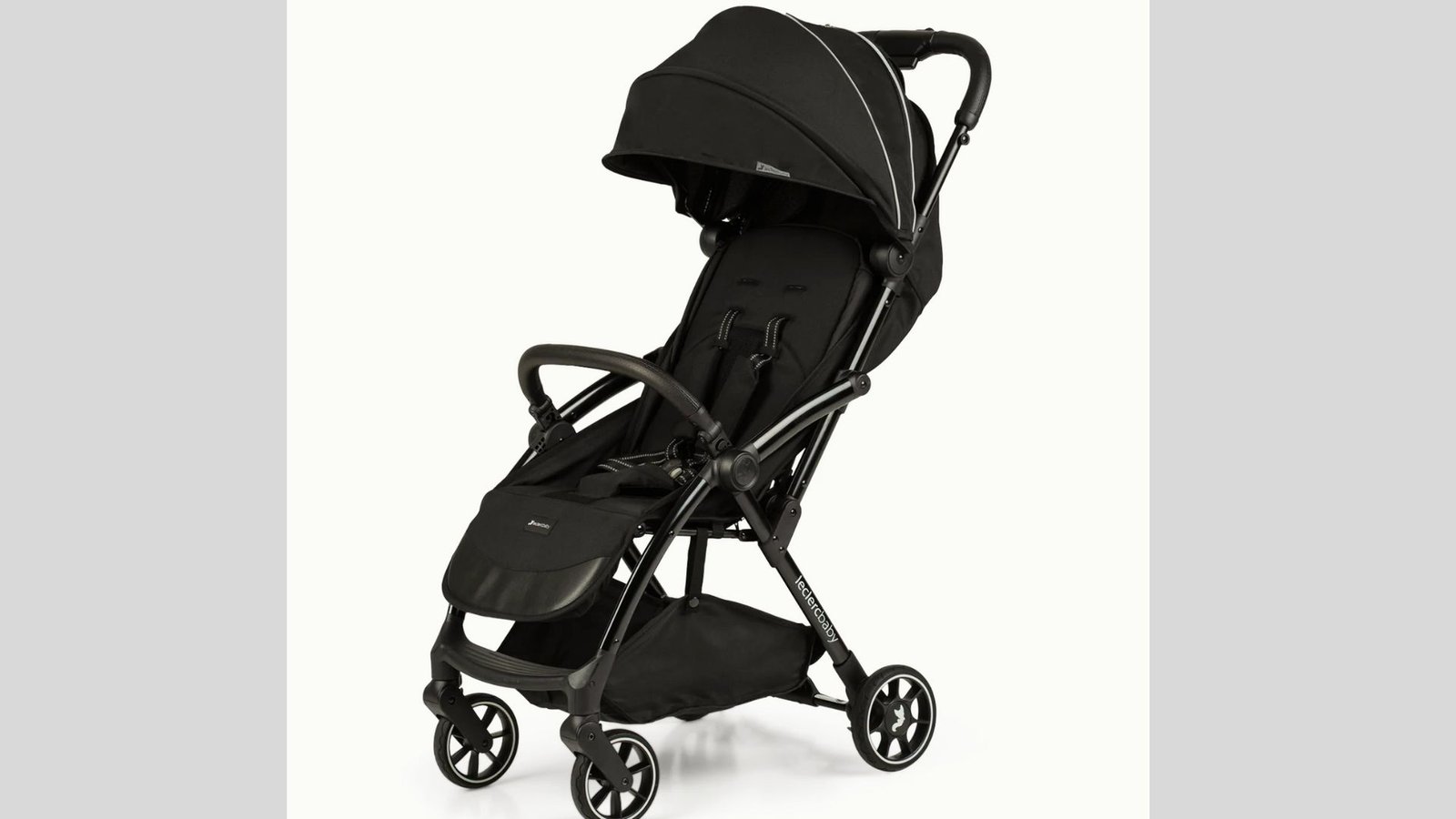
These items give you mobility while keeping the baby close. Baby carriers let you hold your baby while keeping your hands free.
They come in wraps, slings, and structured styles. Wearing your baby close can soothe them. Think about where you’ll use your stroller most.
Test the weight and fold. Some strollers work from birth, while others need an infant car seat attachment.
9. Health & Grooming Tools
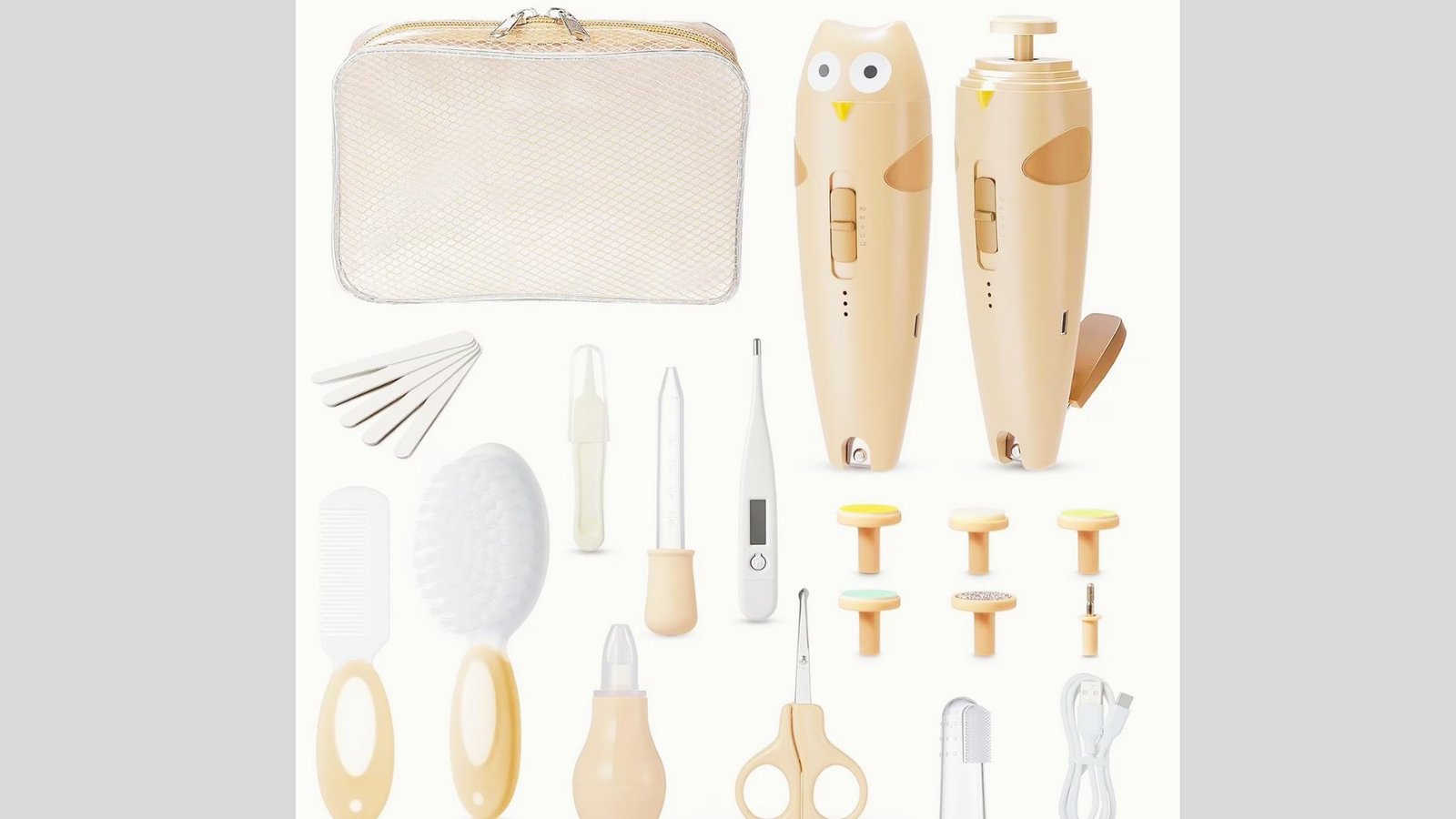
Keep basic medical supplies on hand. You’ll need them sooner than you think.Get a digital thermometer, baby nail clippers, and a nasal aspirator.
Stock infant pain reliever after checking with your pediatrician.
Keep basic supplies like gauze pads and baby-safe ointment ready.
10. Baby Monitor & Soothing Tools
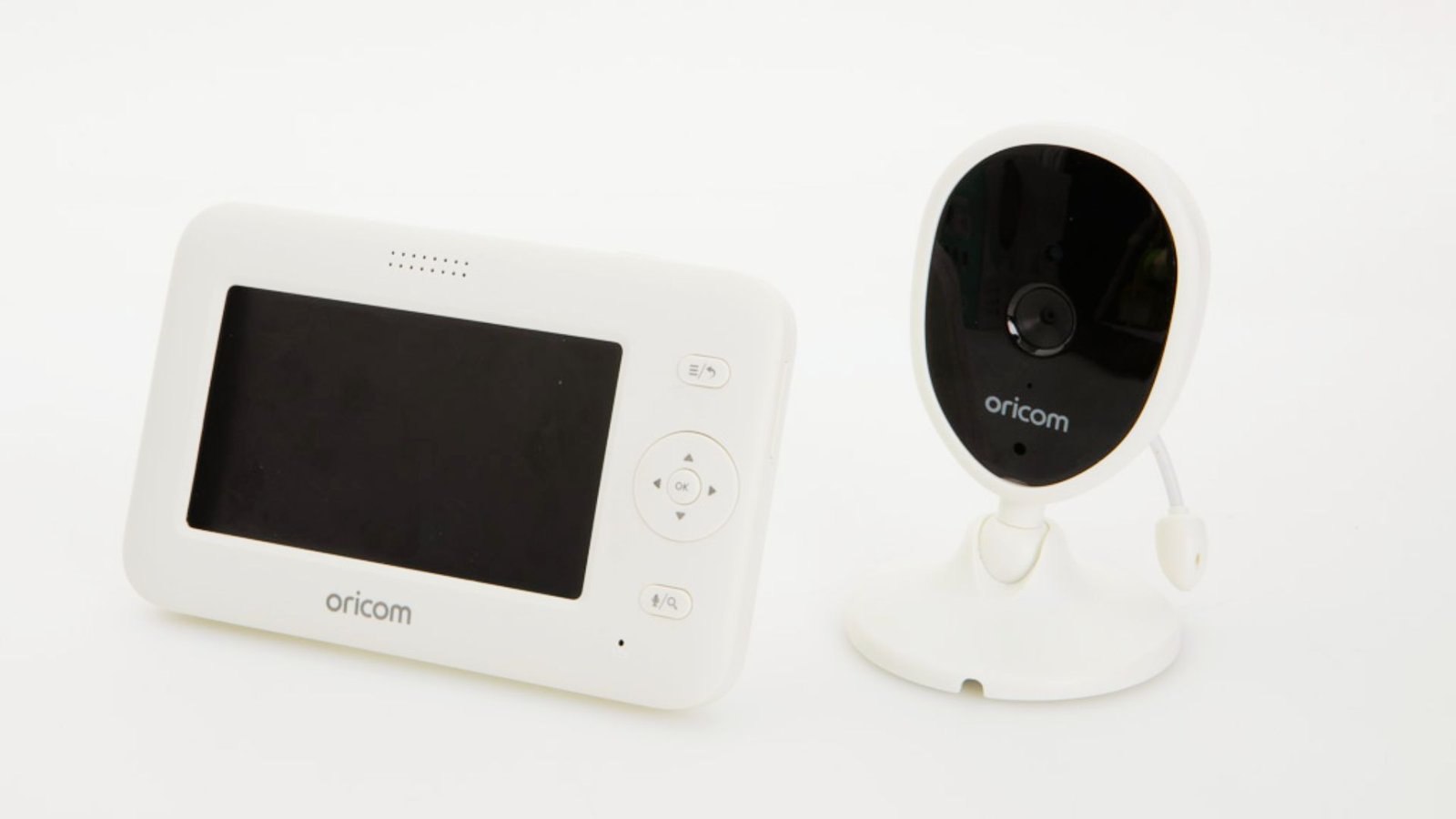
Monitors help you keep an eye on your sleeping baby. Audio monitors let you hear when a baby cries.
Video monitors show you what’s happening without entering the room. Some fancy monitors track breathing or movement.
White noise creates a consistent background that helps babies sleep. Pacifiers can soothe some babies. Blackout curtains make daytime naps easier.
Common Mistakes Parents Make When Shopping for Baby
Even with the best intentions, it’s easy to overspend or buy the wrong things. Here’s what to watch out for.
- Skip the mountain of newborn outfits since babies wear each size for just a few weeks. Focus on 0-3 month and 3-6 month sizes, and buy clothes one season ahead so they actually fit when needed.
- Check the CPSC website for recalls before buying anything. Avoid used car seats, cribs, or sleep products since you can’t verify their safety history.
- Read parent reviews before purchasing. They’ll mention safety issues and problems the company might hide.
- Stock up on boring basics like diapers, wipes, and burp cloths. You’ll use these way more than cute decorative items.
- Prioritize function over appearance. A good diaper bag matters more than a fancy nursery lamp.
Tips for Buying Newborn Items Smartly
You don’t need to spend a fortune. Smart shopping means getting quality items without going broke.
- Look for products that serve multiple purposes. A bassinet that converts to a playpen saves money. Some car seats work from infancy through toddlerhood. Think long-term value before buying.
- Safety matters more than brand names. Look for JPMA certification on major items. Check expiration dates on car seats and follow weight and age limits strictly.
- Read instruction manuals completely. I know it’s boring. But proper use prevents accidents and keeps your baby safe.
- Accept hand me downs gratefully. Babies use things for such a short time. Join parent groups in your area for gear swaps as your baby grows.
- Create a registry with items you actually need. Ask for practical gifts like diapers and wipes. Let friends and family help you prepare without overspending.
Conclusion
Your baby needs less than you think. Safe sleep, clean diapers, and regular feeding cover the basics. Everything else is extra. What worked for my baby might not work for yours.
Stay flexible and watch your baby’s cues. You’ve got this.
What items would you add? Drop a comment below and share what worked for your newborn. If this helped, share it with other expecting parents.
Frequently Asked Questions
What are the most important items for a newborn?
Diapers, a safe car seat, and a proper sleep space are absolute must-haves. Everything else comes second. Focus on safety and basic comfort first, then add other items as needed.
How much should I spend on baby gear?
You can get all the basics for $500-$1000 if you shop smartly. Accept hand-me-downs, watch for sales, and skip trendy items. Quality matters more than quantity when preparing for your baby.
Do I need a nursery before the baby arrives?
No, your baby can sleep in your room those first months. A bassinet beside your bed works perfectly fine. You can set up a full nursery later when you’re ready.
What size clothes should I buy for a newborn?
Buy mostly 0-3 month sizes since many babies skip newborn sizes entirely. Get 6-8 onesies and a few sleepers to start. People will likely give you more clothes at your shower.
Can I buy used baby items safely?
Yes, but avoid used car seats, cribs, or anything safety-related unless you know its complete history. Clothes, books, and toys are usually fine secondhand. Always check for recalls first.