
Teaching kids to listen well takes practice, and games make it fun.
In this guide, I’ll share 27 listening games that actually work. These activities help children focus better, follow directions, and connect with others.
You can trust these methods because they’re tested by parents and teachers who see real results. If your child struggles to pay attention or misses instructions, you’re in the right place.
Let’s get started with games your kids will love.
Why Listening Games Are Important
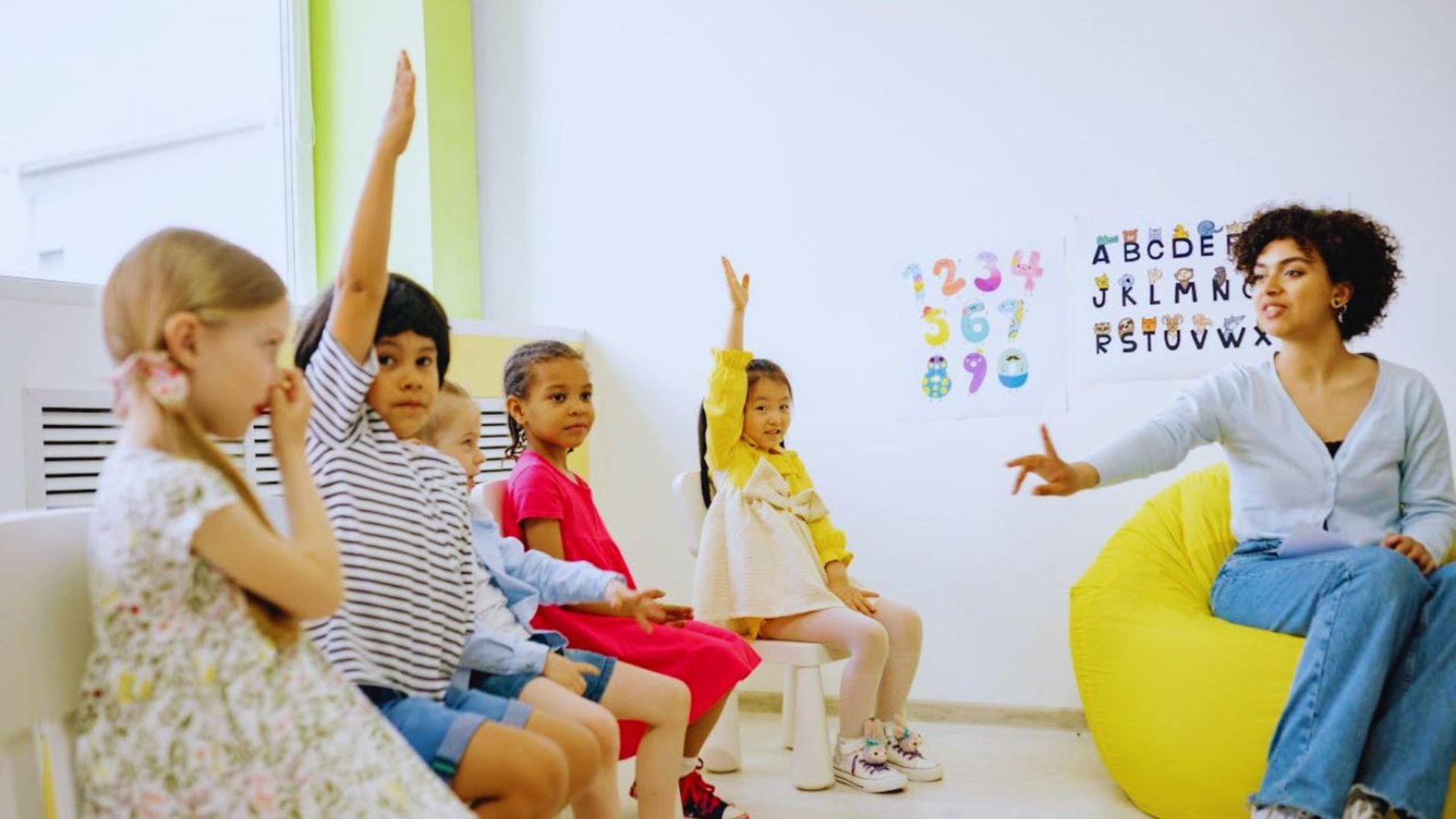
Listening games train kids to focus and remember information. Regular play strengthens attention spans and helps children process what they hear.
Memory improves through practice. Kids recall details better at school and home.
Comprehension develops naturally. Children understand instructions the first time.
These games also build emotional skills. Kids learn to take turns, respect others, and work together. The best part? They think it’s just fun while building habits that last.
27 Fun Listening Games for Kids

Here are proven games that make listening practice fun and effective for children.
- Simon Says: This classic game sharpens attention to detail. Kids must listen carefully to follow commands only when you say “Simon says.” It teaches impulse control as children learn to pause before acting. The game works for all ages and needs no equipment.
- The Whisper Game: Children sit in a circle and whisper a message to the next person. The last player says the message out loud. This activity builds memory and shows how careful listening matters. Kids see how messages change when people don’t listen closely.
- Musical Chairs: Players walk around chairs while music plays. When the music stops, everyone finds a seat. This game requires quick auditory responses. Children stay alert and react fast to sound changes.
- Group Story: One person starts a story with a sentence. Each child adds the next part. Everyone must remember what came before. This builds listening comprehension and teamwork. Kids stay engaged because they help create the tale.
- Traffic Lights: Call out colors like a traffic signal. Red means stop, yellow means slow down, green means go. Children move according to the sounds they hear. This teaches auditory discrimination and following spoken directions.
- Sound Hunt: Take kids outside or around the house. Ask them to stay quiet and listen for specific sounds. They might hear birds, cars, or wind. This creates mindfulness and environmental awareness. Children learn to focus on their surroundings.
- Telephone Game: Similar to the whisper game, but with longer messages. Kids pass a phrase down the line. The goal is accuracy from start to finish. This shows why listening carefully matters in communication.
- Story Time Recall: Read a short story aloud. Then ask specific questions about what happened. Children must pay attention to details to answer correctly. This strengthens comprehension and memory.
- Paraphrase Partner: Pair up kids and have them share ideas. Each child must repeat what their partner said in their own words. This builds understanding and empathy. Kids learn that good communication requires active listening.
- Drawing Instructions: Describe a simple picture without showing it. Kids draw based only on your words. Compare the results at the end. This game requires precise listening and following directions carefully.
- Listening Walk: Take a quiet walk and focus only on sounds. Afterward, discuss what everyone heard. This activity promotes focused observation. Children become more aware of auditory details around them.
- Listen and Move: Give movement commands like “hop three times” or “spin around twice.” Kids must listen and act quickly. This combines physical activity with attention to verbal cues.
- Storytelling Circle: Children sit in a circle. Each adds one sentence to build a group story. They must remember the plot to keep it going. This encourages creativity and active listening in groups.
- Mystery Sound: Play recorded sounds or make noises behind your back. Kids guess what made each sound. This sharpens auditory discrimination and concentration. Children learn to identify sounds by listening carefully.
- Whisper Challenge: One child wears headphones with music playing. Another whispers a message they must understand. This forces extra focus on listening despite distractions. Kids find it hilarious and educational.
- Role-Playing Scenarios: Create pretend situations like ordering at a restaurant. Kids must listen to their role and respond appropriately. This teaches social listening and attention to context.
- Follow the Beat: Clap or tap a rhythm pattern. Children repeat it back. Start simple and add complexity. This builds pattern recognition and auditory focus through music.
- Freeze Dance: Play music and let kids dance. When it stops, everyone freezes. This teaches listening for cues and self-control. Kids must stay alert to the sound changes.
- Audio Story Time With Questions: Play an audiobook or recorded story. Pause to ask questions about the plot. Children practice attentive listening without visual aids. This strengthens comprehension skills.
- Follow the Leader: One child leads with movements and sounds. Others copy exactly what they do. This requires concentration and following both visual and auditory instructions.
- Read and Repeat: Say a sentence or phrase. Kids repeat it word for word. Gradually make the phrases longer. This tests memory and accurate listening abilities.
- Mirror, Mirror: Partners face each other. One makes movements while speaking. The other mirrors both actions and words. This combines visual and auditory attention in one game.
- Guess the Animal: Make animal sounds and have kids identify the creature. You can also describe the animal without naming it. This sharpens auditory discrimination and focuses on details.
- Memory Chain Game: Start with “I went to the store and bought apples.” Each child repeats the list and adds an item. The chain grows longer with each turn. This tests memory, sequencing, and careful listening.
- Listen and Draw: Describe an object or scene in detail. Children draw what they hear without seeing it. Compare drawings at the end. This shows how well kids can translate verbal instructions into action.
- Sound Mapping: Take kids to a location. Ask them to draw a map showing where different sounds come from. This builds spatial awareness and environmental listening skills.
- Conversation Cards: Use cards with discussion topics. Kids take turns speaking while others listen. Then they summarize what their peers said. This teaches conversational listening and articulation skills.
Tips for Maximizing Listening Skills
Getting the most from these games requires a few simple strategies.
- Keep games fresh by rotating between different activities. Kids lose interest when you repeat the same game too often. Switch between active and quiet games to maintain energy.
- Adjust the challenge level based on age. Younger children need simpler instructions. Older kids can handle complex rules and longer activities. Watch how your group responds and make changes.
- Group size matters. Some games work better with pairs while others need larger groups. Adapt accordingly or skip games that don’t fit your situation.
- After each activity, spend a few minutes talking about it. Ask kids what they noticed. Did they find it hard to focus? What helped them listen better? This reflection reinforces the lessons.
- Practice regularly but keep sessions short. Twenty minutes of focused listening games beats an hour of distracted play. End while kids still want more.
- Make it positive. Praise effort, not just success. When a child tries hard to listen, acknowledge it. This builds confidence and encourages continued improvement.
Conclusion
Building listening skills takes time, but these games make it enjoyable. I’ve seen my own kids improve when we play just 15 minutes a day.
Start with one or two favorites this week. Notice how your child responds and adjust from there.
The whisper game works great at dinner, while freeze dance burns energy before bedtime. These simple activities create real change in how kids focus and communicate.
Which listening game will you try first? Drop a comment below and tell me which one your child loves most. I’d love to hear your stories.
Frequently Asked Questions
What age should start playing listening games?
Children as young as two can play simple listening games. Start with basic activities like freeze dance or animal sounds. As they grow, add games with more complex rules and longer instructions.
How often should we practice listening games?
Play listening games three to four times per week for best results. Short sessions of 15 to 20 minutes work better than long ones. Regular practice builds skills faster than occasional play.
Can listening games help with ADHD?
Yes, these games can support children with attention challenges. They provide structured practice in a fun format. Always consult with your child’s doctor about comprehensive treatment approaches.
Do listening games work for shy children?
Absolutely. Start with partner games or small groups. Shy kids often feel more comfortable with one-on-one activities. Build confidence gradually before trying larger group games.
What if my child gets frustrated during games?
Keep the mood light and playful. If a child struggles, simplify the rules or take a break. The goal is building skills through enjoyment, not creating stress or pressure.