If your baby is breech, you’re probably wondering how to turn the baby head down naturally. I get it those last weeks can feel overwhelming when your little one isn’t cooperating.
Here’s the truth: most babies flip on their own, and you have safe options to help the process along.
I’ll show you simple techniques that actually work positioning exercises, sound and light tricks, and gentle bodywork methods.
I’ve been there myself, trying different methods and hoping for that flip. You can do this, and I’m here to walk you through every step.
Let’s get started.
Why Baby’s Position Matters

Getting your baby into a head-down position makes labor easier and safer for both of you.
When babies stay breech past 36 weeks, doctors start planning for different delivery options. But before that point, your baby still has time to move.
Your body is designed to support this process, and small changes in your daily routine can make a real difference in helping your baby find the right position.
Understanding Breech Babies

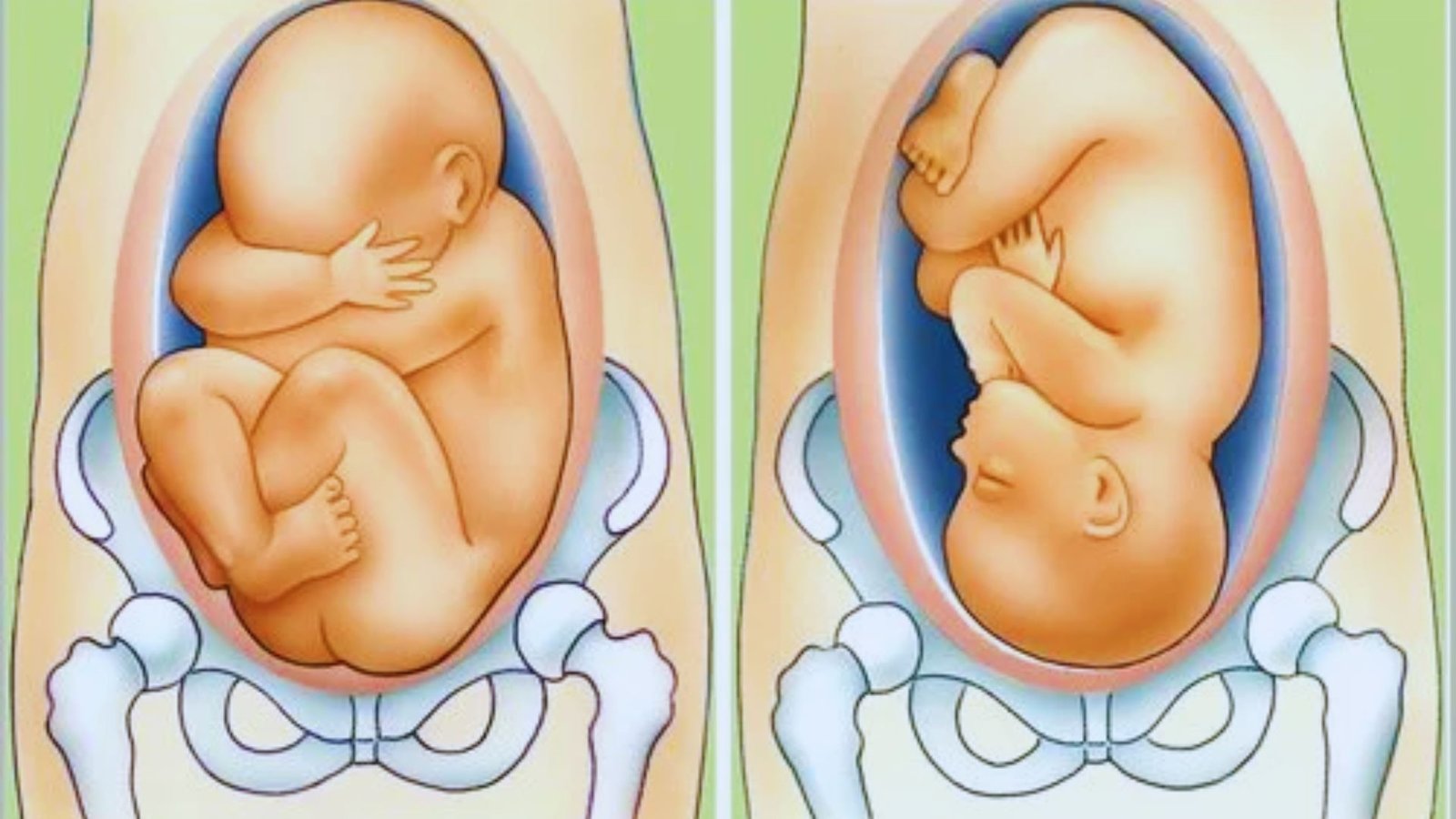
Breech position happens when your baby sits bottom or feet first instead of head down in your womb.
What is a Breech Baby?
A breech baby hasn’t turned its head down yet. Frank breech means the baby’s bottom comes first with legs straight up toward the head.
Complete breech has the baby sitting cross-legged with bottom down.
Footling breach means one or both feet are pointing down toward the birth canal. Transverse position is when the baby lies sideways across your belly.
Causes of Breech Position
Having twins or triplets gives babies less room to move around freely. Too much or too little amniotic fluid changes how easily your baby can flip.
The shape of your uterus plays a role too. Some women have a uterus shaped differently, which can limit movement space.
Where your placenta attaches matters as well. Previous pregnancies can stretch the uterus, sometimes giving the baby more room to stay in odd positions.
When to Worry About Breech Position
Most doctors start paying closer attention after 36 to 37 weeks of pregnancy. Before this time, your baby still has plenty of room and opportunity to flip.
After 37 weeks, there’s less space and fluid for big movements.
Breech delivery carries more risks than head-down birth. The umbilical cord can get compressed during labor.
Your doctor will monitor the situation closely and discuss all your options with you.
Natural Methods to Turn Baby Head Down
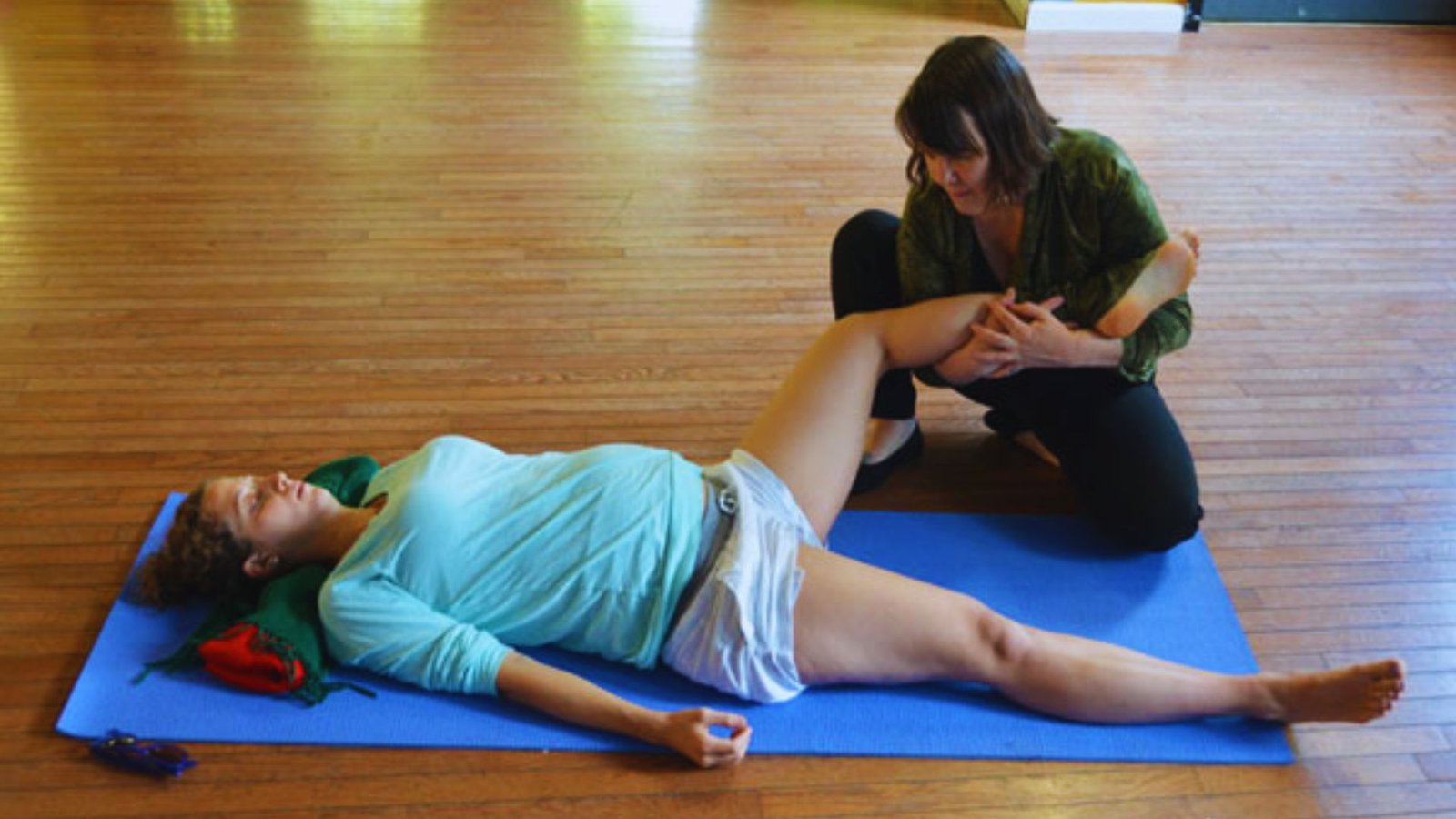
Simple, safe techniques you can try at home to help your baby move into the head-down position.
Forward-Leaning Positions
Forward-leaning inversions help release tension in your lower uterus. Get on your hands and knees on a soft surface.
Lower your forearms to the ground while keeping your bottom in the air. Hold for 30 seconds and rest. Try this 2-3 times daily.
Breech tilt exercises use an inclined surface to encourage flipping. Lie on your back with your hips elevated on pillows 9-12 inches higher than your head.
Do this for 10-15 minutes twice a day on an empty stomach.
Hands-and-knees rocking keeps your pelvis mobile. Get on all fours and gently rock back and forth. Circle your hips slowly in both directions.
Using Sound and Light
Playing music near your lower belly works because babies can hear inside the womb. Place headphones or a speaker low on your belly, near your pubic bone.
Play gentle music or talk to your baby. They might move toward the sound.
Using a flashlight takes advantage of babies’ response to light. Shine a flashlight at the bottom of your belly and slowly move it downward. Some babies will follow the light.
Temperature Techniques
Place a warm (not hot) compress on your lower abdomen. You can place a cool pack wrapped in a towel near the top of your belly.
Babies tend to move away from the cold. Drink plenty of water throughout the day to keep fluid levels optimal.
A relaxed body gives your baby more room to maneuver.
Gentle Bodywork
The Webster technique is a chiropractic method designed for pregnant women.
A chiropractor trained in this technique works on your pelvis and lower back to reduce tension and improve alignment.
Acupuncture uses thin needles at specific points on your body. Practitioners trained in pregnancy care know which points may help with baby positioning.
Moxibustion involves burning herbs near certain acupuncture points, usually on your little toe. Studies show promising results, though you should only try this with a qualified practitioner.
Staying Active
Walking is one of the best things you can do. Walk for 20-30 minutes daily if you’re able.
Prenatal yoga focuses on poses safe for pregnancy while opening your pelvis. Cat-cow poses, child’s pose, and gentle stretches all help.
Sitting on an exercise ball instead of a chair keeps your pelvis in motion. Gently bounce or rock on the ball while watching TV or working.
Swimming and water exercises take weight off your joints while allowing free movement.
What to Expect While Trying Natural Methods

Be patient with the process and pay attention to what your body is telling you.
Babies move on their own schedule, not yours. You might try exercises for days or weeks before feeling a shift.
Monitor fetal movements throughout the day. You should still feel regular kicks and movements.
Signs your baby may have turned include feeling pressure lower in your pelvis instead of under your ribs.
You might feel kicks up high near your ribs rather than down low. Your belly shape can change, sometimes looking lower and more pointed.
Keep trying different methods if one doesn’t work right away. Combining several techniques often gives better results than relying on just one.
When to Seek Medical Advice

Know when it’s time to discuss medical options with your healthcare provider for your baby’s breech position.
External Cephalic Version (ECV)
An External Cephalic Version is a procedure where your doctor manually tries to turn your baby from the outside.
Your doctor places their hands on your belly and applies pressure to encourage your baby to flip.
Most doctors suggest ECV between 37 and 38 weeks if your baby is still breech. Success rates vary but hover around 50-60%.
Risks are low but include temporary changes in the baby’s heart rate or minor bleeding.
Considering a C-section
If your baby stays breech after 39 weeks and you haven’t had success with other methods, your doctor will likely recommend a cesarean delivery.
Vaginal breech delivery carries higher risks of birth injuries and umbilical cord compression.
Recovery from C-section takes longer than vaginal birth. You’ll need about 6-8 weeks for full recovery.
Talk with your doctor about delayed cord clamping, skin-to-skin contact, and other aspects of birth that are important to you.
Tips for a Comfortable Pregnancy During Breech
Making small adjustments now can help both you and your baby feel better while working toward a head-down position.
- Manage stress: Practice deep breathing or meditation to keep your uterus relaxed
- Fix your posture: Sit upright with knees lower than hips and avoid crossing your legs
- See a pelvic floor therapist: They can identify alignment issues affecting baby’s position
- Sleep on your left side: Improves blood flow and supports optimal positioning
Conclusion
Learning how to turn a baby head down naturally takes patience, but you have real options that work.
I spent weeks doing pelvic tilts and bouncing on that exercise ball, feeling silly but hopeful. Having something active to try made the waiting easier.
Talk with your doctor about which methods suit your situation. Most babies do flip on their own, and if yours doesn’t, safe medical options exist.
Drop a comment below and tell me which technique you’re trying first!
Frequently Asked Questions
Can I try these methods before 36 weeks?
Yes, you can start gentle positioning exercises earlier in pregnancy. However, babies have more room to move before 36 weeks and often flip on their own. Focus on good posture and staying active rather than intensive breech exercises until your third trimester.
How long should I try natural methods before considering medical options?
Most doctors recommend trying natural methods between 32 and 37 weeks. If your baby hasn’t turned by 37-38 weeks, your doctor will likely discuss External Cephalic Version or plan for a C-section.
Are breech tilt exercises safe for everyone?
Breech tilts are generally safe, but check with your doctor first. Avoid them if you have placenta previa, high blood pressure, or other pregnancy complications. Stop immediately if you feel dizzy, have pain, or notice decreased baby movement.
Can my baby turn back to the breech after flipping head down?
Yes, especially before 36 weeks when there’s more room to move around. Babies can flip multiple times. After 36 weeks, there’s less space and babies usually stay put once they’re head down.
What’s the success rate of natural methods for turning breech babies?
Success rates vary widely depending on the method and individual factors. Studies show positioning exercises help 10-30% of breech babies turn. The Webster chiropractic technique reports higher success rates around 82%.