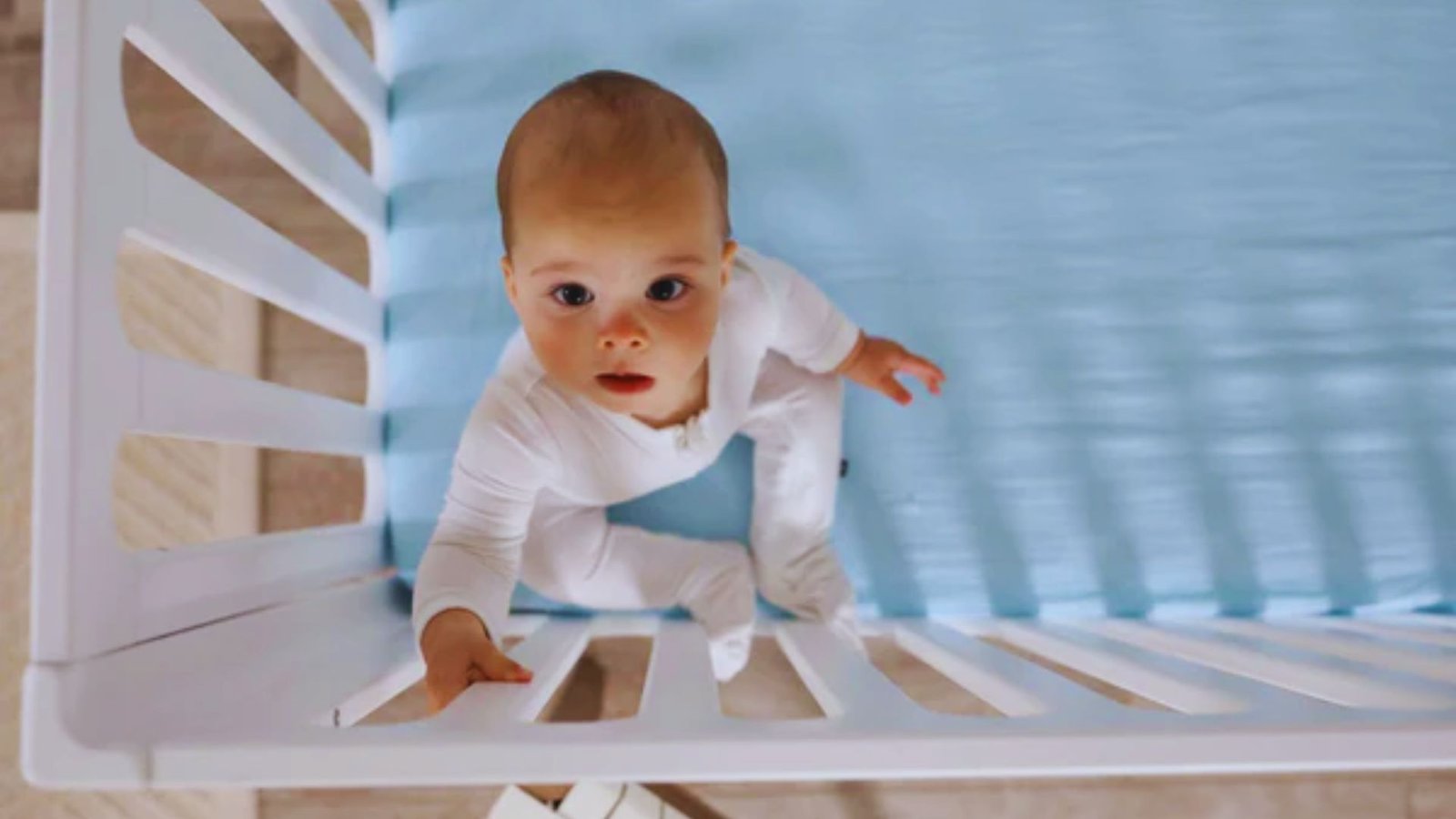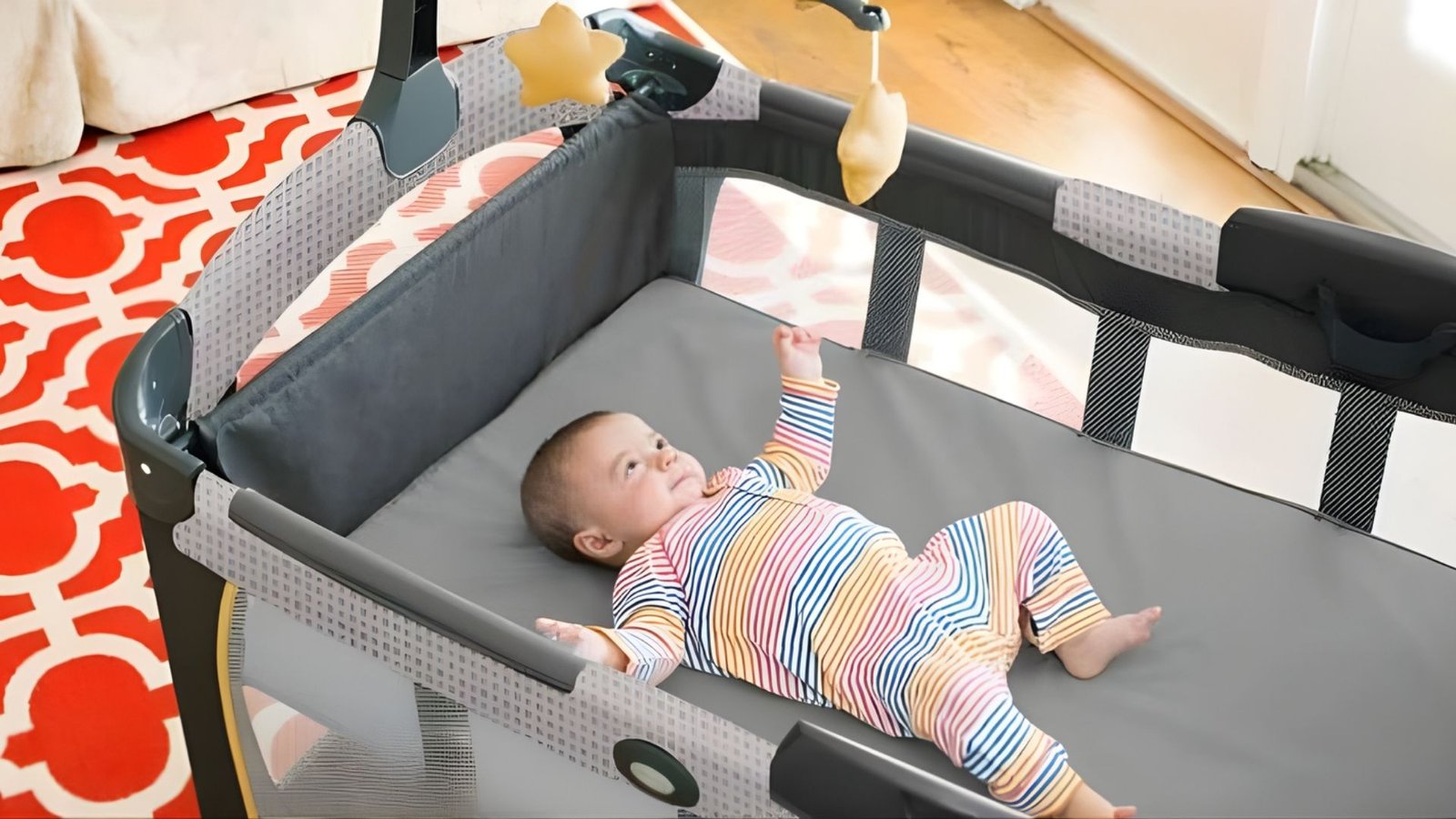

Is your baby sleeping more than usual lately? You’re probably asking yourself, can teething make a baby tired? Yes, it absolutely can.
But here’s the thing: not every baby reacts the same way. Some sleep more, while others barely sleep at all.
I’ve been through this with my own child, and I remember feeling worried about all the sleep changes.
In this article, I’ll walk you through how teething affects your baby’s energy and rest.
My goal is to give you straightforward answers you can trust so you can help your little one get through teething with less stress.
Let me help you out.
Understanding Teething and Your Baby’s Sleep

Teething affects each baby differently when it comes to sleep.
Some babies become extra sleepy because their bodies are working hard to push those teeth through the gums. Other babies struggle to sleep at all due to the discomfort.
The pain and pressure in their gums can make it hard for them to settle down at bedtime or stay asleep through the night.
Your baby’s body is going through real physical changes during teething. This process requires energy, which is why some babies need more rest than usual.
The inflammation in their gums also triggers stress responses that can make them feel worn out. At the same time, that same discomfort can keep them awake and fussy.
What Is Teething and When Does It Start?
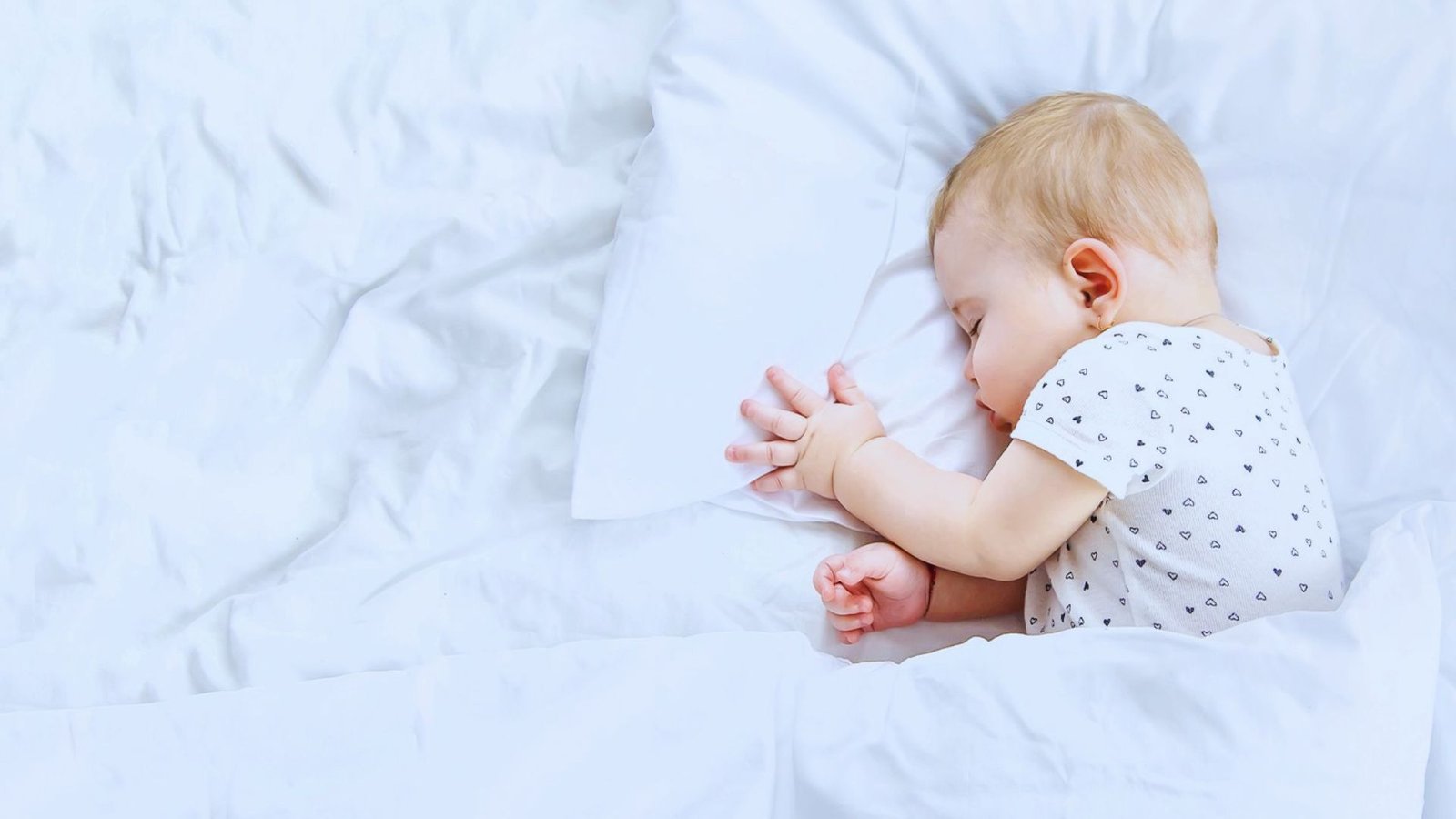
Teething happens when baby teeth start coming through the gums, bringing both excitement and challenges for parents.
Teething is the process where your baby’s first teeth break through the gum line.
These are called primary teeth or baby teeth. Most babies start teething somewhere between 4 and 7 months old, though some start earlier or later.
The process continues until around age 3 when most children have all 20 baby teeth. Each tooth takes its own time to come in.
Lower front teeth usually appear first, followed by upper front teeth.
Why Teething Can Be Uncomfortable
When teeth push through the gums, the tissue becomes swollen and tender. Your baby’s gums may look red or feel warm to the touch.
This inflammation causes real pain that your baby can’t explain in words.
The discomfort sends signals throughout your baby’s body that affect their mood and behavior. Some babies handle it better than others.
The pain can range from mild to quite intense, depending on the tooth and your individual baby.
This discomfort directly impacts how well your baby sleeps and how much energy they have during the day.
Can Teething Make a Baby Tired?

Yes, teething can cause tiredness in babies, though the effect varies from child to child based on several factors.
How Teething Affects Sleep Patterns
Teething tiredness shows up in different ways for different babies.
Some babies sleep longer stretches during the day because teething wears them out. Their bodies need extra rest to cope with the physical changes happening in their mouths.
Other babies experience the opposite problem. The gum pain keeps them from falling asleep easily or waking up frequently at night.
They might seem exhausted but unable to get good quality sleep. You might notice your baby rubbing their face or pulling at their ears when they’re trying to settle down.
Factors That Influence Sleep During Teething
Growth spurts often happen around the same time as teething, which can make your baby extra tired. Their body is working overtime to grow and develop new teeth all at once.
Illness or low-grade fever sometimes accompanies teething. This can make your baby feel run down and sleepy.
Any changes in your daily routine or environment can also affect how well your baby sleeps during this time.
Your baby’s emotional and developmental stage plays a role too. Babies who are learning new skills like crawling or standing might be more restless at night.
Each of these factors combines with teething to create your baby’s sleep pattern.
Common Symptoms of Teething
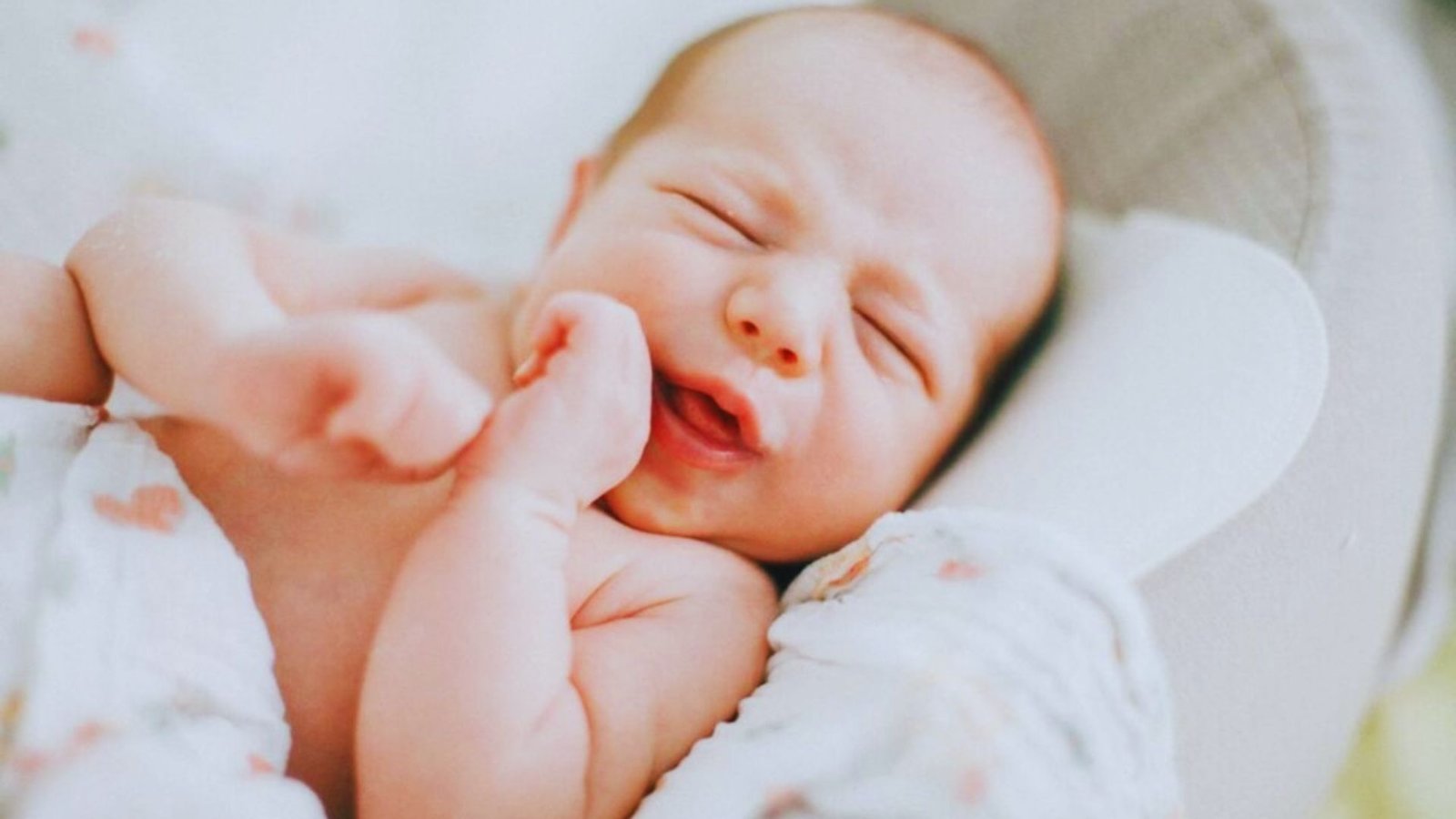
Teething shows up through physical changes in your baby’s mouth and shifts in their behavior and mood.
Physical Signs
Drooling is one of the first signs you’ll notice. Your baby might soak through bibs or shirts throughout the day.
Their gums will look swollen and may appear redder than normal, especially where the tooth is coming in.
Babies also start chewing on everything they can get their hands on. Toys, fingers, blankets, and even your shoulder become targets.
This chewing helps relieve some of the pressure they feel in their gums. You might also see small white bumps on the gums where teeth are about to break through.
Behavioral Signs
Fussiness and irritability are common during teething. Your usually happy baby might cry more easily or seem harder to comfort.
They may get upset over things that normally wouldn’t bother them.
Sleep disruption is another major behavioral sign. Your baby might fight naps, wake up more often at night, or have trouble falling asleep.
They may also seem clingy and want to be held more than usual. Some babies lose interest in feeding because sucking puts pressure on their sore gums.
How Long Does Teething Fatigue Last?
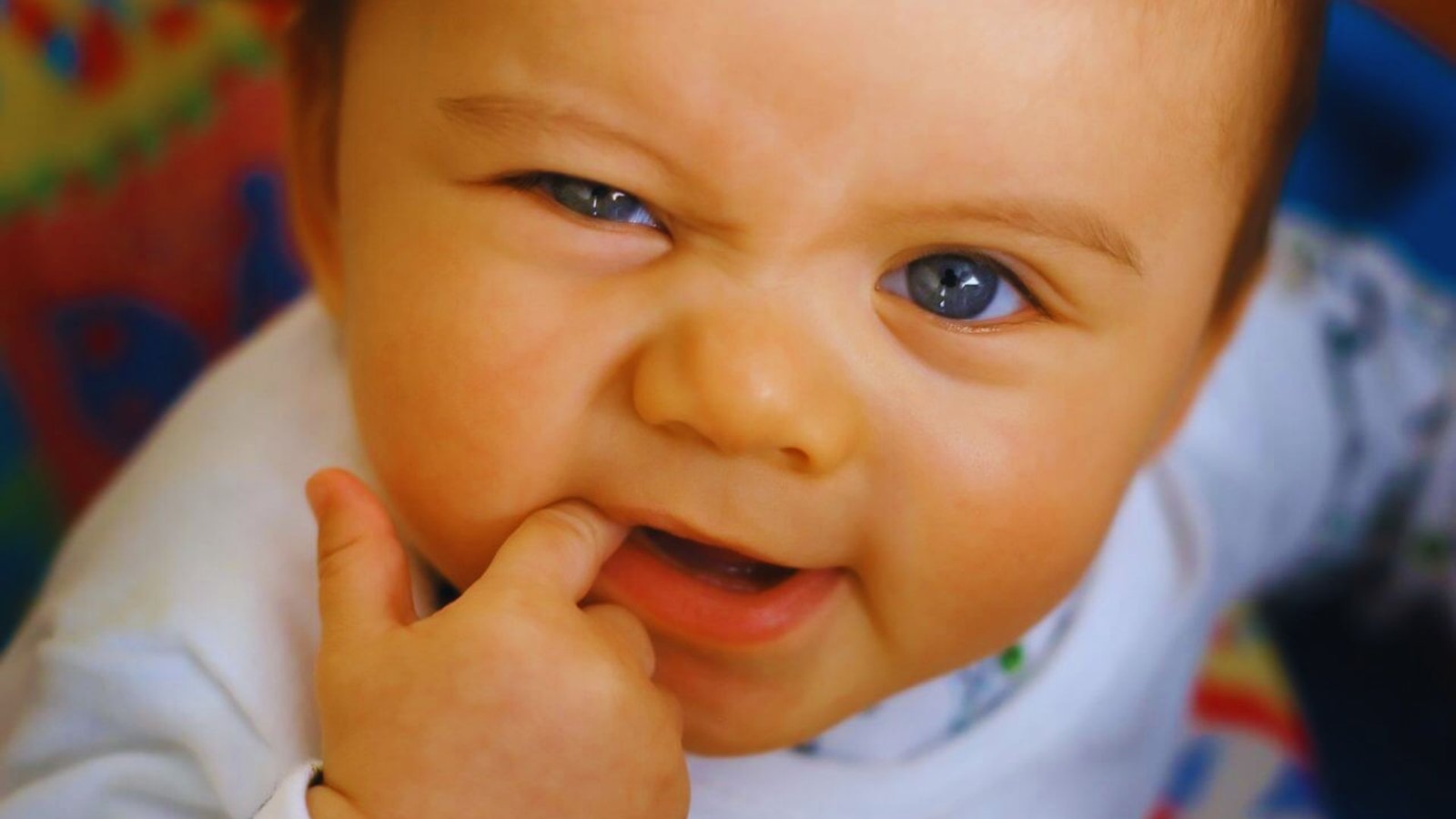
Teething tiredness usually lasts a few days per tooth, but timing varies significantly between babies.
Duration Per Tooth
Most babies experience teething symptoms for about 3 to 7 days per tooth.
The worst discomfort typically happens in the day or two before the tooth breaks through the gum. Once the tooth cuts through, your baby usually feels better pretty quickly.
Some teeth cause more trouble than others. Molars, which are larger and flatter, often take longer to come in and cause more discomfort.
Front teeth might pop through with barely any fuss at all.
Variability Among Babies
Every baby responds to teething differently. Some babies take longer daytime naps during this period. They might sleep an extra hour or two during the day to recover from the physical stress.
Other babies become night wakers. They might wake up every hour or two crying and needing comfort.
These babies often seem tired during the day but still struggle to get good rest. Some lucky parents notice barely any change in their baby’s sleep at all.
Your baby’s age, overall health, and temperament all affect how teething impacts their sleep. There’s no single “normal” pattern that applies to every child.
Tips to Help a Baby Sleep Better While Teething
Simple comfort measures and pain relief strategies can help your baby rest better during teething.
Comfort Measures
- Give extra cuddles and holding time to help your baby feel secure
- Wear your baby in a carrier during fussy periods
- Create a calming bedtime routine with warm baths, gentle rocking, and quiet songs
- Stick to consistent sleep schedules even during teething chaos
Gum Relief Techniques
- Offer chilled teething rings (refrigerate for 30 minutes, don’t freeze)
- Massage sore gums with a clean finger using gentle circular motions
- Let your baby decide if they like gum massage or prefer to pull away
Cold Foods and Teething Toys
- Try refrigerated applesauce, yogurt, or mashed bananas for babies eating solids
- Offer a cold, wet washcloth for chewing
- Choose firm rubber or silicone teething toys without small parts
- Make sure toys meet safety standards
Pain Relief Medications
- Use infant acetaminophen or ibuprofen following pediatrician dosing guidelines
- Give medication before bedtime when baby seems very uncomfortable
- Don’t give ibuprofen to babies under 6 months old
- Combine medication with other comfort measures
Teething Remedies to Avoid
Some popular teething remedies pose safety risks and should be avoided despite their widespread use.
- Avoid teething necklaces (choking and strangulation hazards with no proven benefits)
- Skip small objects that could break apart like hard cookies or crackers
- Don’t use frozen teething rings (too hard and can damage gums)
- Avoid teething gels and tablets containing benzocaine (FDA warns against use under age 2)
- Skip homeopathic teething tablets (previously recalled for safety concerns)
- Stick with proven, safe methods approved by your pediatrician
When to Consult a Pediatrician or Dentist
Some symptoms require professional medical attention beyond normal teething discomfort.
- Call if sleep problems persist for more than two weeks
- Seek help for extreme irritability that doesn’t improve with comfort
- Contact doctor immediately for fever above 100.4°F (not a normal teething symptom)
- Get evaluation for poor feeding lasting more than a day or two
- Report vomiting, diarrhea, or rashes (not caused by teething)
- Trust your instincts if any symptoms worry you or seem unusual
Conclusion
So, can teething make a baby tired? Absolutely, though some babies get sleepier while others struggle to rest at all.
When my baby was teething, I felt helpless watching those restless nights. What got us through was trying different comfort methods until we found what clicked.
Watch your baby’s cues closely and don’t be afraid to experiment with soothing techniques. A chilled teething ring might work one day, and the next day they just want to be rocked.
If your gut tells you something’s wrong or the sleepless nights feel too much, call your pediatrician.
You’re doing an amazing job getting your little one through this phase.
Drop a comment below and tell me what teething tips worked for your family!
Frequently Asked Questions
Can teething cause excessive sleepiness in babies?
Yes, some babies sleep more during teething because the process tires them out. Their bodies use extra energy to push teeth through the gums, making them need more rest than usual.
How can I tell if my baby’s tiredness is from teething or illness?
Teething tiredness comes with symptoms like drooling, gum swelling, and mild fussiness. Illness usually includes high fever, vomiting, or severe lethargy that doesn’t match your baby’s normal personality.
Should I let my teething baby sleep more during the day?
Yes, if your baby wants extra sleep during teething, let them rest. Their body needs that sleep to cope with the discomfort and physical changes happening in their mouth.
Do all babies get tired when teething?
No, teething affects each baby differently. Some get extra sleepy, some can’t sleep at all due to pain, and others show no sleep changes whatsoever during teething.
How long will my baby be extra tired from teething?
Teething tiredness typically lasts 3 to 7 days per tooth. The fatigue usually improves once the tooth breaks through the gum surface and the immediate discomfort passes.