When your baby wakes up with a swollen eye, it’s natural to feel worried. I’ve been there myself, and that first moment of panic is real.
The good news? Most cases are harmless and clear up on their own within hours.
In this article, I’ll help you figure out what’s causing the swelling from simple fluid buildup to infections that need a doctor’s attention.
My goal is to give you clear, trustworthy information so you can care for your baby with confidence.
Let’s cover the common causes, warning signs to watch for, and exactly what steps to take next.
Understanding Morning Eye Swelling in Babies
Morning eye puffiness happens more often than you might think. Babies’ delicate skin and smaller facial structures make them prone to temporary swelling, especially around the eyes.
Most cases are simple and clear up within a few hours. The swelling usually comes from fluid settling in the tissue overnight or from your baby rubbing their eyes.
However, some situations need a closer look to rule out allergies, infections, or other medical issues.
Knowing what’s normal helps you respond calmly and appropriately when your baby wakes up looking puffy.
Why Do Babies Wake Up With Swollen Eyes?
Morning eye swelling in babies often results from fluid buildup during sleep or minor irritations that accumulate overnight while lying down.
Babies spend most of their time lying flat, which affects how fluid moves through their bodies.
When they sleep, gravity doesn’t pull fluid downward like it does when they’re upright. This can cause puffiness to develop around the eyes.
Their skin is also thinner and more sensitive than adult skin. Small irritations that wouldn’t bother older children can cause noticeable swelling in babies.
Additionally, babies touch their faces frequently and rub their eyes when tired, curious, or uncomfortable.
Is It Normal for a Baby to Wake Up With a Swollen Eye?
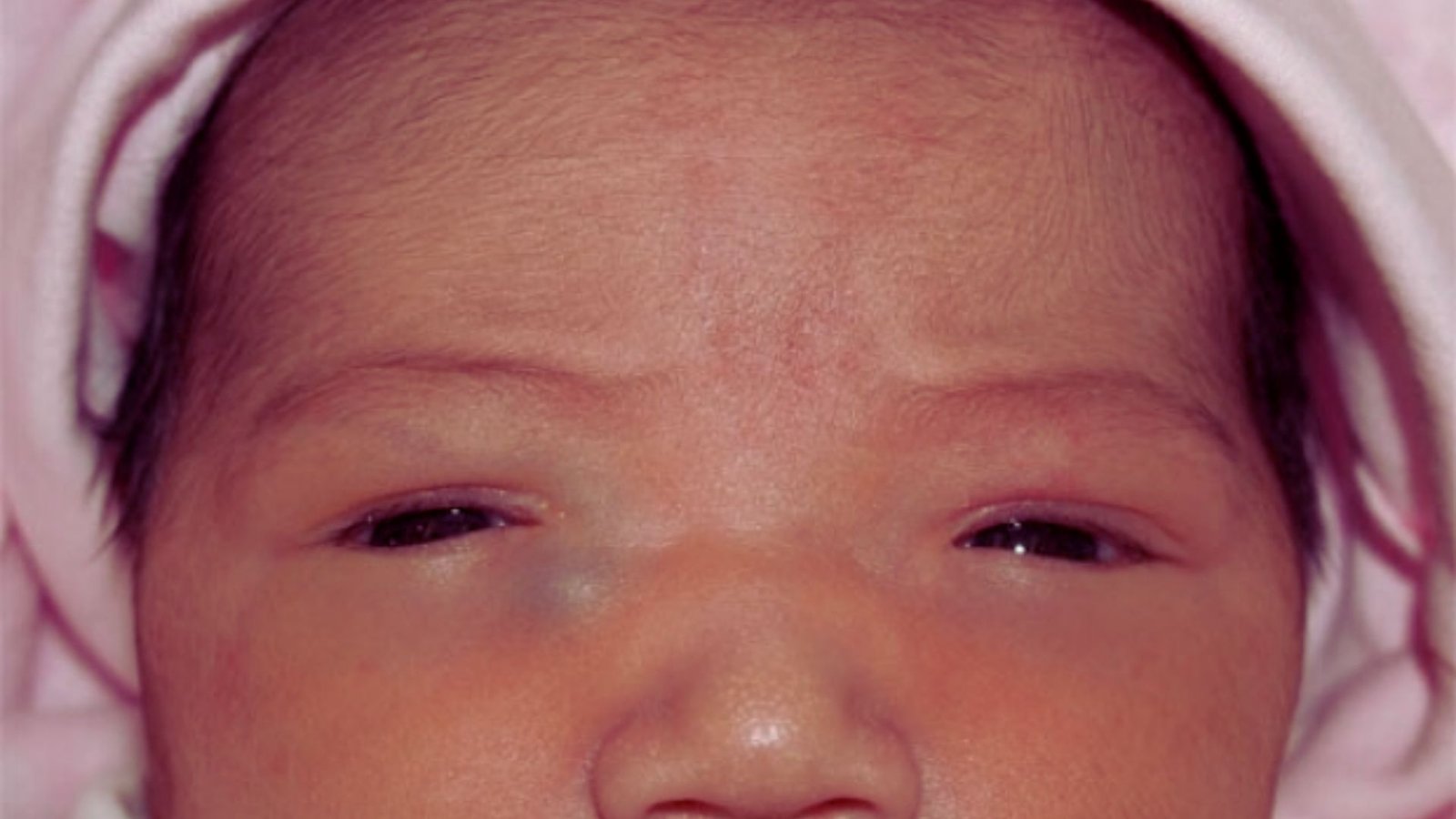
Mild morning eye swelling is typically normal in babies and usually resolves quickly without treatment or medical intervention needed.
Yes, it’s often completely normal. Many healthy babies wake up with slightly puffy eyes from time to time. If the swelling is mild, appears in both eyes, and goes away within an hour or two,
you probably don’t need to worry. Your baby should act normally, feed well, and show no signs of pain or discomfort.
However, if one eye is significantly more swollen than the other, or if the swelling comes with redness, discharge, or fever, that’s different.
These signs suggest something beyond normal morning puffiness.
Common Causes of a Swollen Eye in Babies
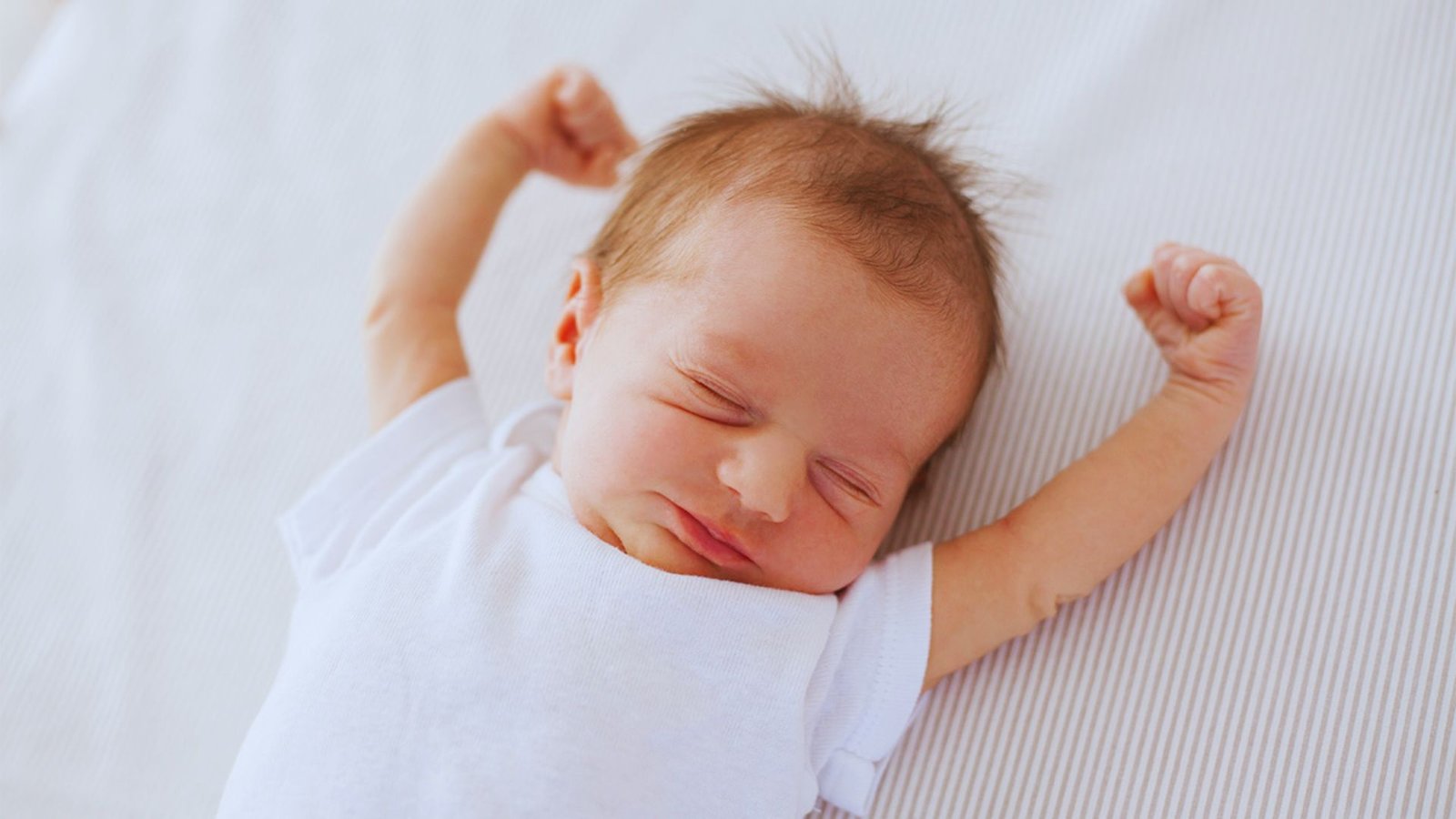
Several everyday factors can cause eye swelling in babies, ranging from harmless fluid retention to allergies requiring simple management.
Fluid Retention After Sleep
When babies lie flat for hours, fluid settles in their facial tissues. The area around the eyes has loose, thin skin that holds fluid easily.
This swelling usually affects both eyes and fades within 30 minutes to 2 hours after waking. No treatment is needed.
Crying or Eye Rubbing During the Night
Crying increases blood flow to the face and causes temporary swelling around the eyes. Eye rubbing also contributes to morning puffiness.
If your baby had a rough night, morning eye swelling makes sense.
Allergies in Babies
Allergies are a common cause of persistent eye swelling. Environmental allergens like pollen, pet dander, and dust irritate your baby’s eyes, causing the body to release histamine.
Contact allergies from laundry detergent, fabric softener, or baby lotion can also trigger reactions, especially if you recently switched products.
Insect Bites Near the Eye
Mosquito bites near the eye cause dramatic swelling because the skin is so tender. Bites typically affect just one eye and peak within 24 hours.
Look for a small red bump at the center. If the swelling spreads, feels warm, or comes with discharge or fever, it’s likely an infection needing medical attention.
Blocked Tear Ducts
Tear ducts sometimes don’t open completely at birth. A blocked tear duct causes constant tearing in one eye and crusty discharge after sleep.
If bacteria grow in the pooled tears, the inner corner may become red, swollen, and tender. This needs medical evaluation.
Conjunctivitis (Pink Eye)
Pink eyes cause redness, discharge, and swelling. Viral conjunctivitis produces watery discharge and clears up on its own within a week or two.
Bacterial conjunctivitis creates thick, yellow or green discharge that makes eyelids stick together and needs antibiotic treatment.
Styes and Chalazions
A sty is a red, painful bump on the eyelid edge that usually drains on its own within a week.
A chalazion is a firm, painless bump that can take weeks or months to resolve.
Less Common but Serious Causes
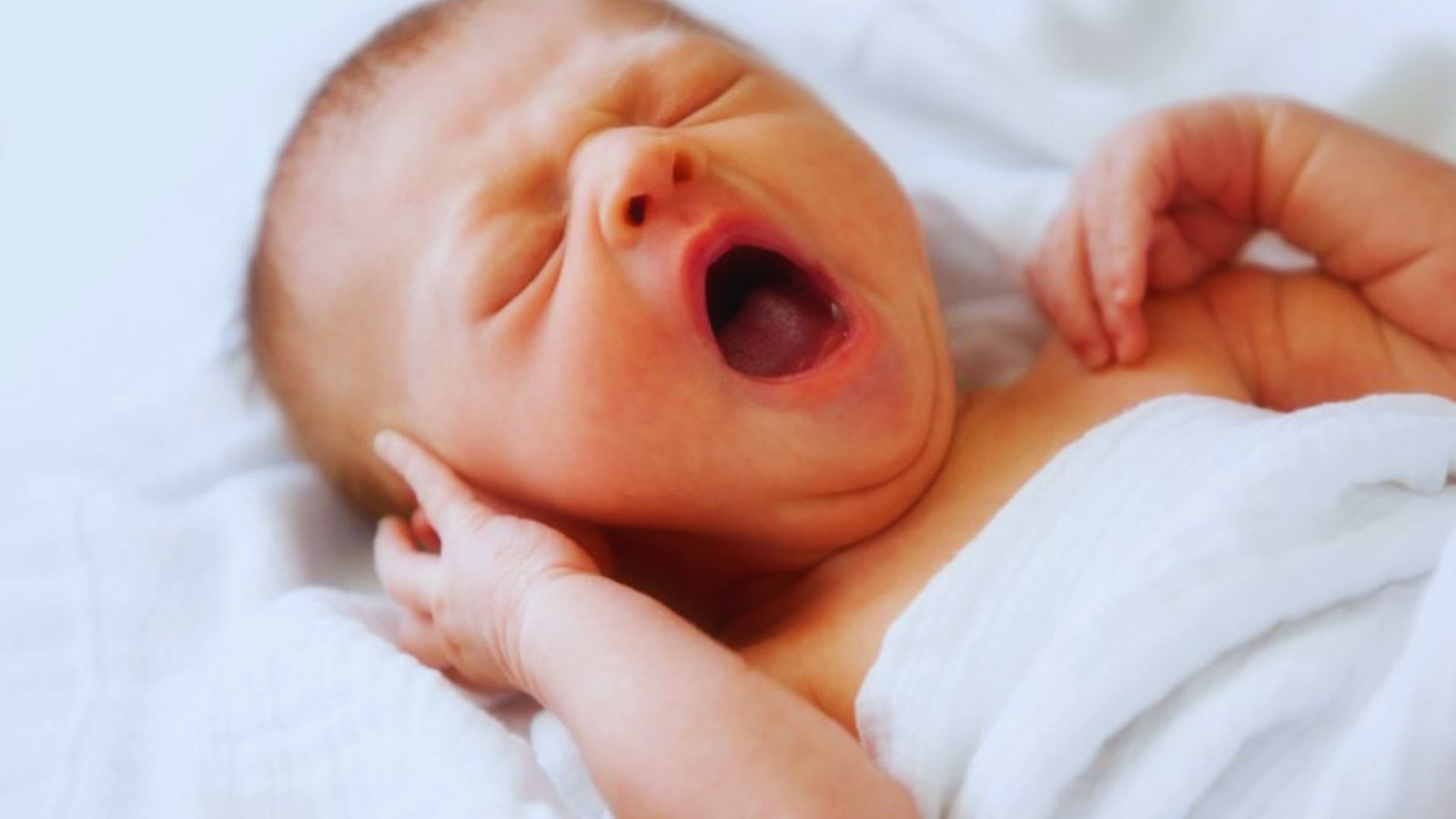
While rare, certain serious conditions can cause eye swelling in babies and require immediate medical evaluation and treatment.
Periorbital Cellulitis
This is a bacterial infection of the skin around the eye. It causes red, swollen, warm eyelids. Your baby might have a fever and seem unwell.
This condition requires immediate medical attention and usually needs oral antibiotics.
Sinus Infections Affecting the Eye Area
Sinus infections can cause swelling around the eye area, usually with thick nasal discharge, fussiness, and possibly fever.
Call your pediatrician if you suspect a sinus infection.
Severe Allergic Reactions (Anaphylaxis)
In rare cases, eye swelling is part of a severe allergic reaction. Warning signs include sudden swelling involving the face, lips, or tongue, trouble breathing, or hives.
If you see these symptoms, call 911 right away.
One Swollen Eye vs Both Eyes: What It May Mean
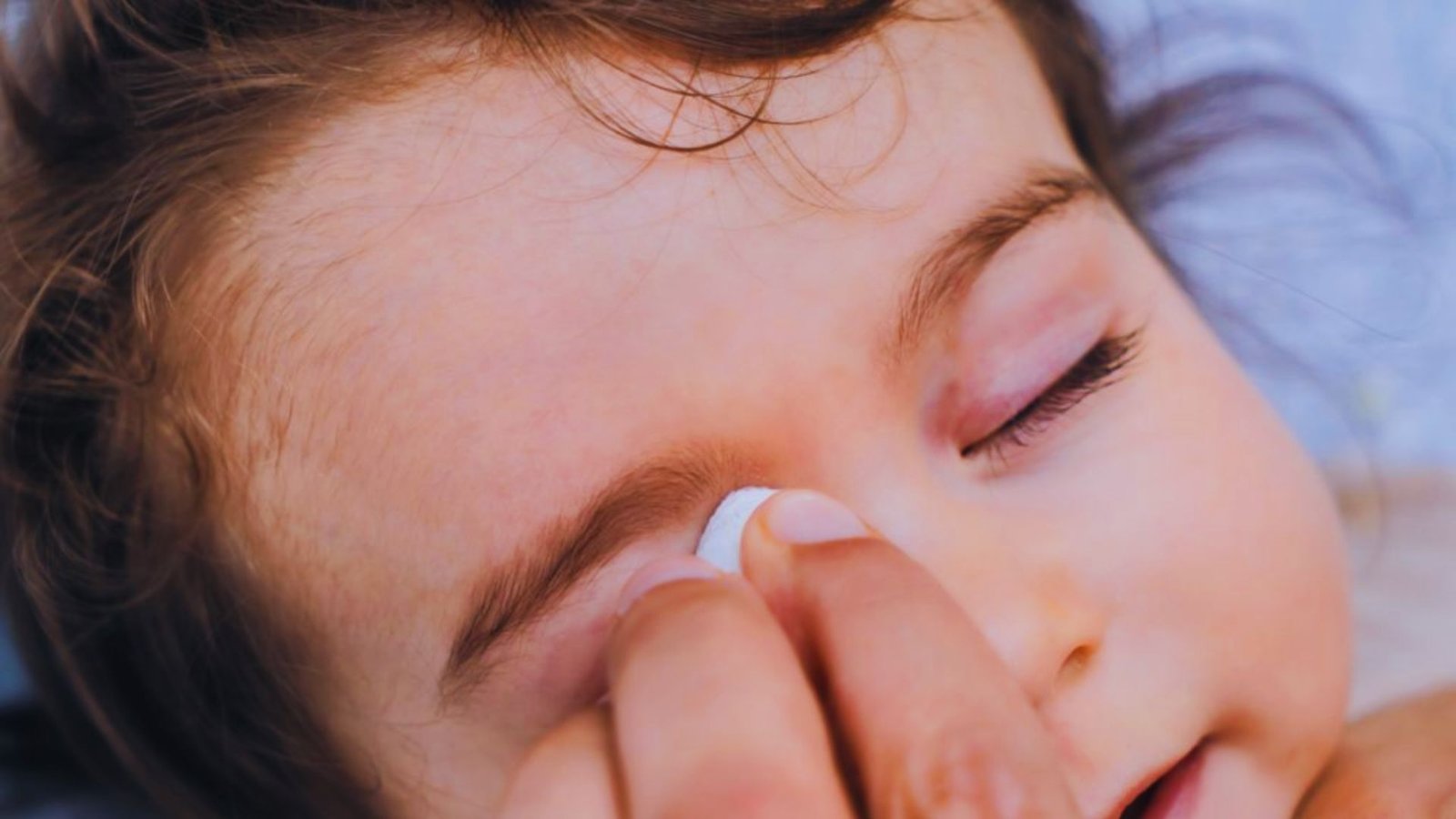
When only one eye is swollen, it often points to a localized problem like an insect bite, a sty, a blocked tear duct, or an infection in that specific eye.
One-sided swelling deserves closer attention, especially if it’s significant.
Both eyes swelling together usually suggests a systemic issue like allergies, fluid retention, or viral infections.
However, both eyes can also swell with serious conditions, so always look at the overall picture and other symptoms.
What Parents Can Do at Home
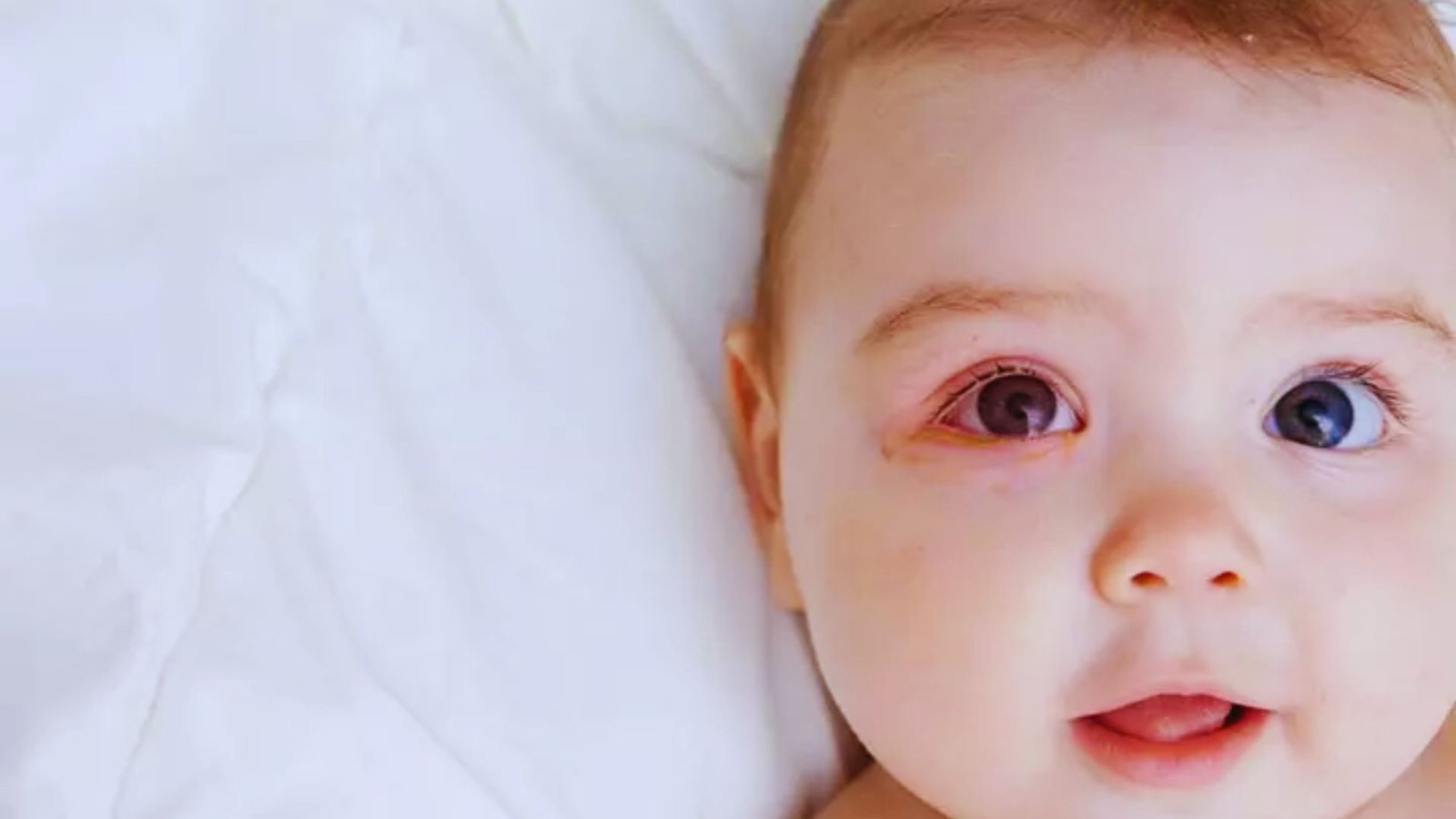
For mild swelling, time is often the best treatment. Hold your baby upright more often to help fluid drain naturally.
A cool, damp washcloth can help reduce swelling gently and gently place it on the closed eyelid for a few minutes. Make sure the compress is cool, not cold, and always use a clean cloth.
If your doctor diagnosed a blocked tear duct, they might teach you a massage technique to help open it. Only do this if your pediatrician specifically recommends it.
When to Call a Pediatrician or Eye Doctor
Certain symptoms require professional evaluation to rule out serious conditions and prevent complications.
Call your doctor if:
- Swelling worsens or doesn’t improve in 24–48 hours
- Your baby has red, warm skin around the eye combined with fever
- Thick, yellow or green discharge appears
- The swelling happened after an injury
- Your baby can’t open the affected eye or shows vision changes
How to Help Prevent Swollen Eyes in Babies
Vacuum regularly and wash bedding frequently in hot water with fragrance-free detergent.
Keep your baby’s fingernails trimmed short and consider using mittens during sleep to prevent scratching.
Wash your hands before touching your baby’s face. Clean your baby’s face gently each day with warm water, wiping away any crusty buildup.
Don’t share washcloths or towels if anyone has an eye infection.
Conclusion
When your baby wakes up with a swollen eye, those first moments of concern are completely normal. I’ve felt that same worry. The good news is most cases resolve on their own with simple care.
I learned to watch for red flags like fever or thick discharge while trusting my instincts about when to call the doctor.
You know your baby best. If something feels off, reach out to your pediatrician without hesitation.
Found this helpful? Share it with other parents who might need reassurance tonight.
Drop a comment below if you have questions. I’d love to hear your experience.
Frequently Asked Questions
Can teething cause a baby’s eye to swell?
Teething doesn’t directly cause eye swelling, but it can make babies rub their faces more due to discomfort, leading to temporary puffiness.
Should I put breast milk in my baby’s swollen eye?
There’s no scientific evidence supporting this. Consult your pediatrician for proper treatment.
How long does it take for a baby’s swollen eye to go down?
Normal morning puffiness goes down within 1-2 hours. Swelling from crying or minor irritation improves within a few hours. Allergies or infections may take several days with treatment.
Can a baby’s swollen eye be a sign of something serious?
Yes, though rare. Watch for fever, warmth, spreading redness, or if your baby seems very unwell these need immediate medical attention.
Is it safe to use antihistamine eye drops for my baby?
Never use any medication without your pediatrician’s approval. Your doctor can recommend safe options if needed.