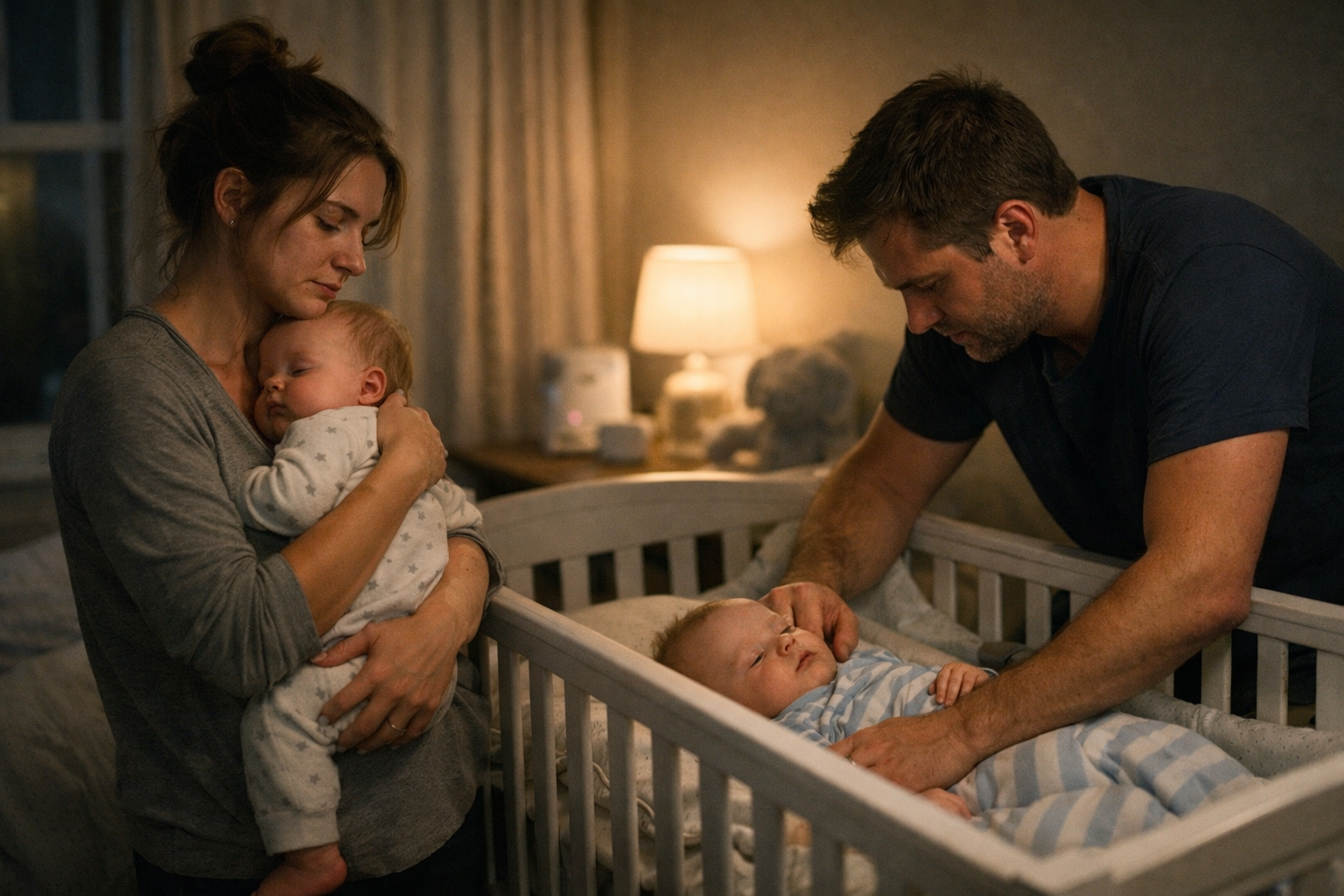
I remember standing in our nursery at 3 AM, bouncing one crying baby while the other wailed from the crib. My husband and I were zombies. We knew something had to change.
Sleep training twins felt impossible at first. How do you help two babies learn to sleep when they keep waking each other up?
I’m sharing our real experience here. The methods we tried, what failed, and what finally worked.
This isn’t a theory from a textbook. It’s what actually happened in our home. I’ve been where you are right now, and I promise there’s hope on the other side of this exhaustion.
Let’s get started.
What Is Sleep Training and When Should You Start?
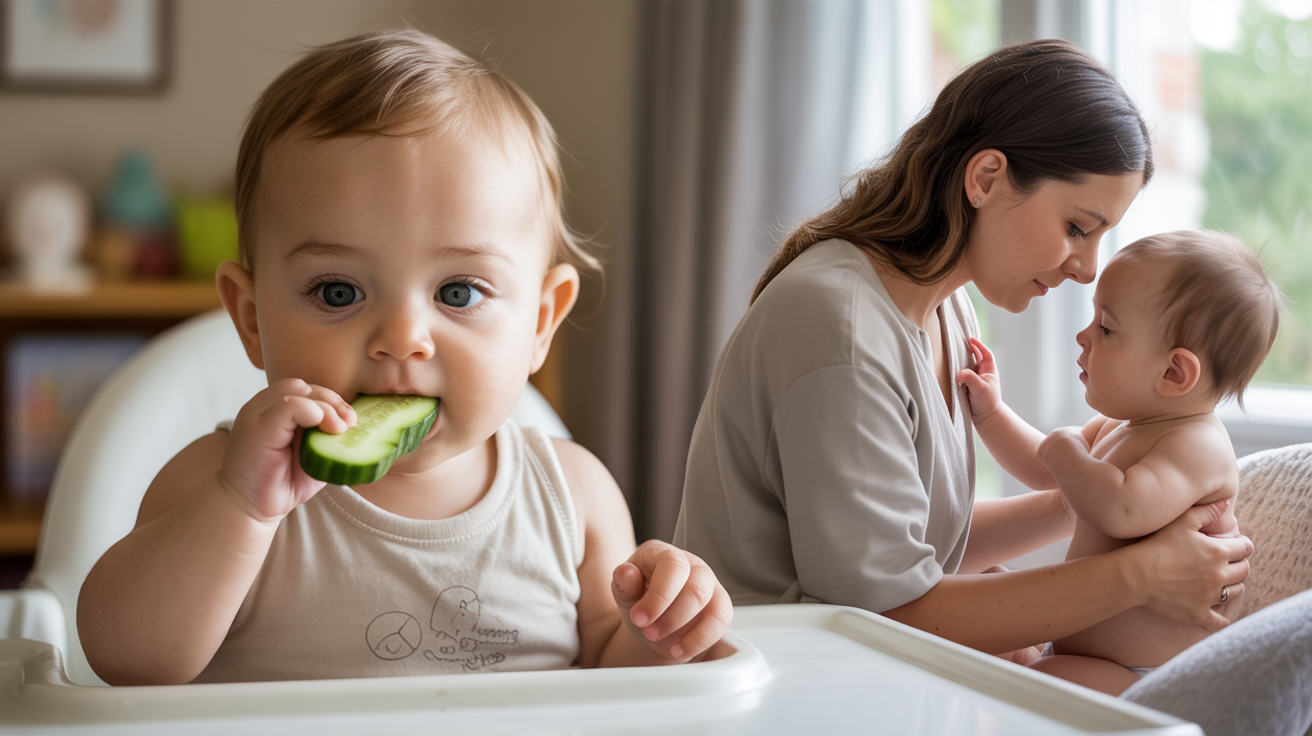
Sleep training twins means teaching both babies to fall asleep on their own and stay asleep longer. It’s about helping them self-soothe without always needing you.
Most experts recommend starting between 4 and 6 months. If your twins were premature, use their adjusted age instead. Their brains need to be developmentally ready for this skill.
Timing matters because babies develop sleep patterns differently at various stages. Too early and they’re not ready. Too late and you’re all more exhausted than necessary.
Watch for signs like your babies staying awake longer between naps. When they can go 4-5 hours between feeds, they’re likely ready to start.
Our Sleep Training Journey: What We Tried
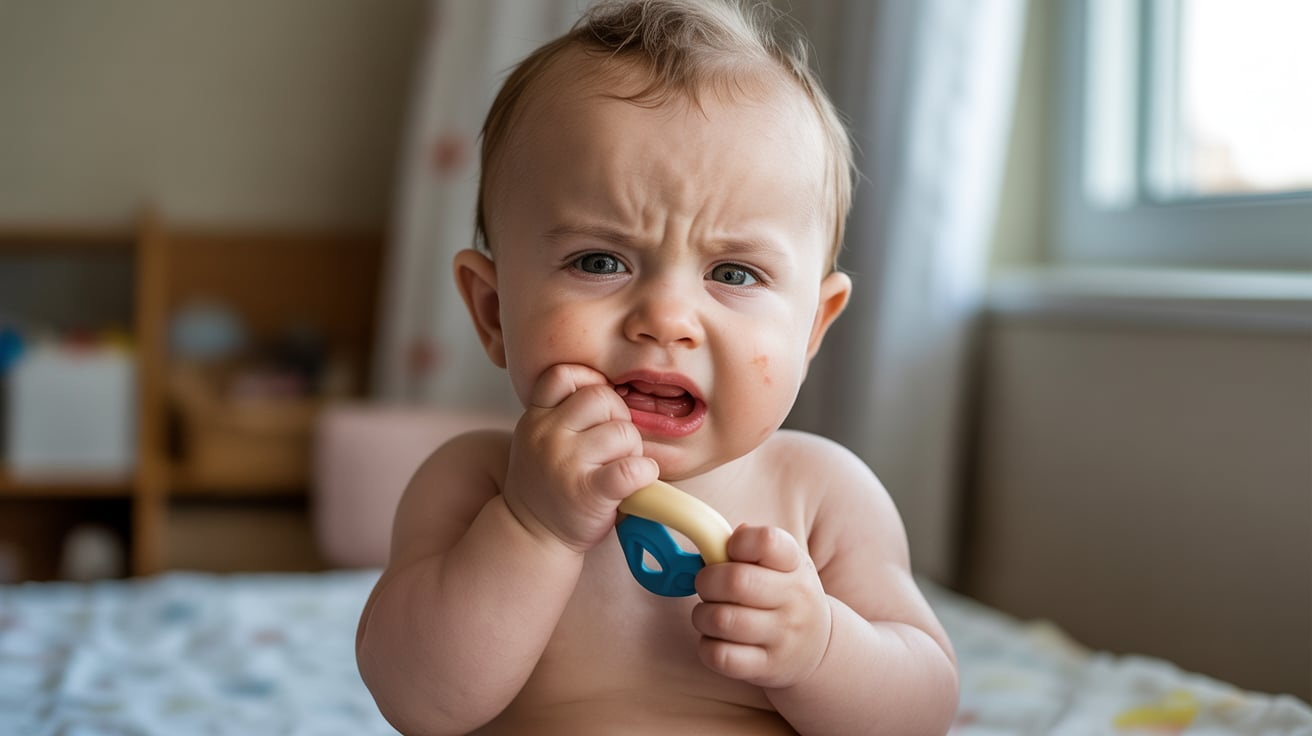
We thought we had it figured out at first.
Spoiler: we didn’t.
Early Struggles and Path of Least Resistance
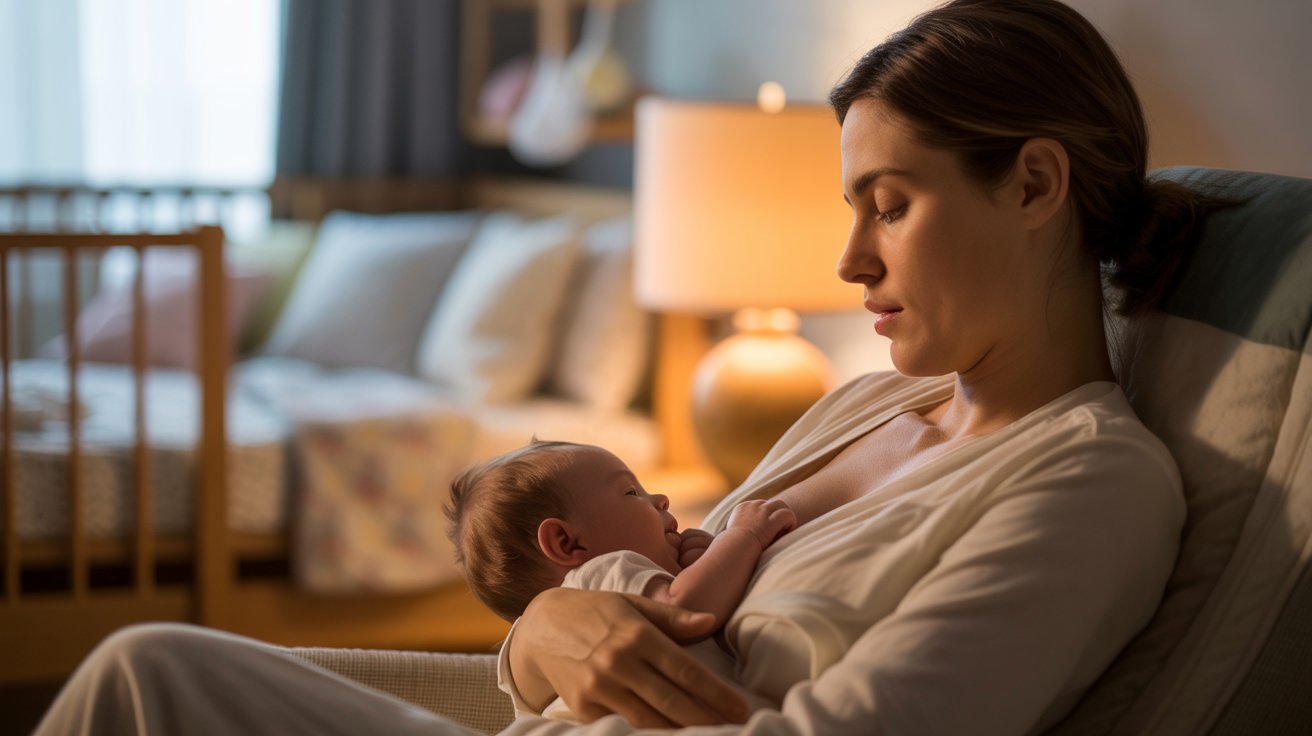
I fed both babies to sleep every single night. It was the only thing that worked consistently, so I kept doing it. We also tried having them sleep in our bed, thinking proximity would help everyone rest better.
Around 6 months, everything fell apart. What used to take 20 minutes now took over an hour. Both babies needed constant rocking, feeding, or holding to stay asleep.
The hardest part was feeling torn between two crying babies. Who do you comfort first? The guilt of leaving one upset while helping the other was crushing.
Methods We Tested
Before finding what worked, we tried almost everything other parents recommended. Some methods seemed promising at first but didn’t stick.
- Cry it out method (rapid extinction): This felt too harsh for us. Hearing both babies cry without going to them made my anxiety spike. We abandoned it after two nights.
- Timed checks: We’d go in after 5 minutes, then 10, then 15 to briefly comfort them. It gave structure but didn’t feel quite right for our situation.
- The shuffle technique: This involved sitting next to their cribs, then gradually moving our chairs farther away each night.
- Dream feeding: We gave bottles while they were still drowsy, hoping they’d sleep longer stretches.
- Dramatic wake-ups: We tried lights and music to establish clear morning times and help them distinguish day from night.
None of these methods gave us the consistency we desperately needed.
The Sleep Training Plan That Finally Worked
We needed expert help, and hiring a sleep coach changed everything for us.
Setting Up for Success
Our sleep coach created a plan specifically for our family. She considered our twins’ personalities, our home setup, and our parenting style.
My husband and I divided responsibilities clearly. He handled one twin, I handled the other. No more confusion about who was doing what.
The biggest shift was putting them down awake. Not drowsy, not almost asleep, but actually alert. This was terrifying at first but became the foundation of success.
The Core Strategies
We combined several approaches into one cohesive system. Each piece supported the others.
Dream feeds happened at 10 PM, then we slowly reduced the amount over two weeks. Timed checks gave us structure: we’d wait 1 minute, then 3, then 5, then 10 before going in to reassure them.
The shuffle method meant sitting near their cribs initially. Every three nights, we moved our chairs closer to the door. Eventually we were outside the room completely.
Night feedings dropped from three to one, then to none over the course of a month.
We tracked absolutely everything in a notebook: sleep times, wake times, how much they ate, how long they cried.
What Made the Difference
Consistency was non-negotiable. We followed the plan exactly for three full weeks without deviating.
We also learned that our twins had different needs. One needed more reassurance. The other actually cried less when we checked on him less often.
Having our sleep coach to text when we panicked made all the difference. My husband’s support kept me going on nights I wanted to quit.
Handling Sleep Regression and Retraining
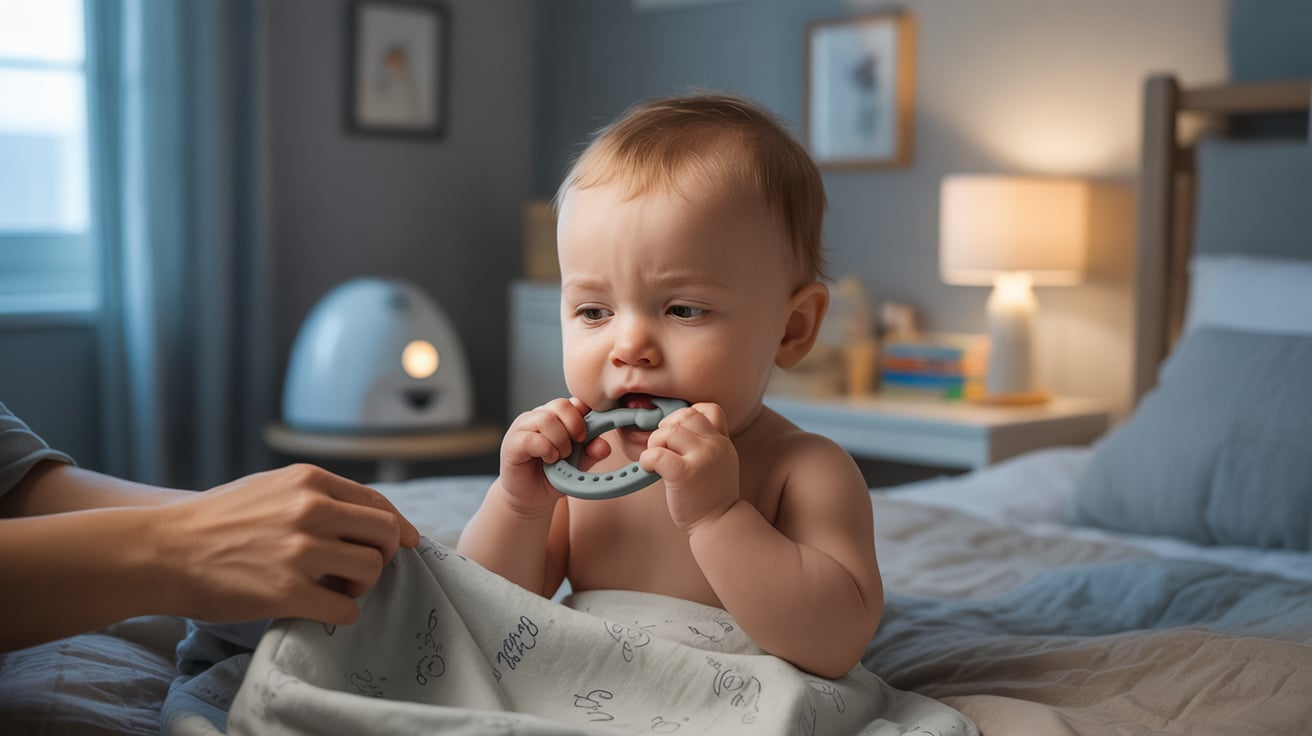
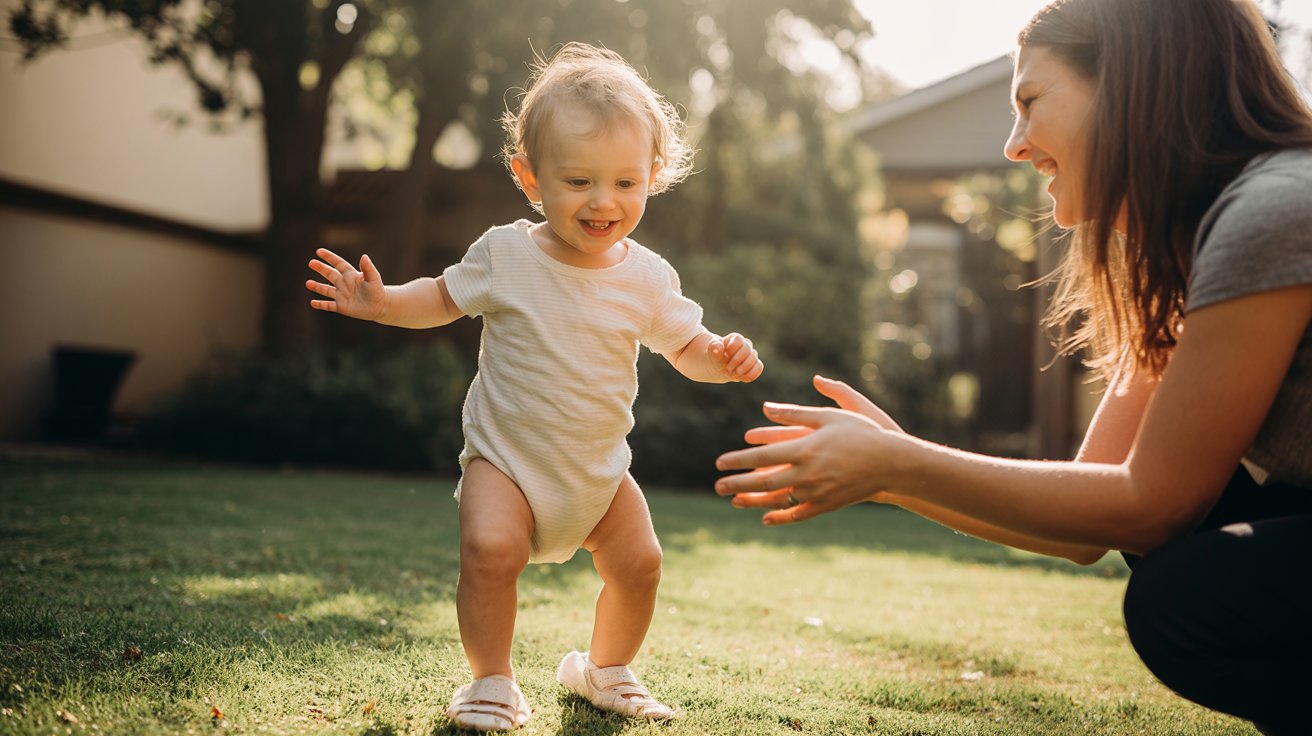
Sleep disruptions are normal around developmental leaps. New skills like crawling or standing can temporarily mess with sleep. You’ll notice more night waking or difficulty falling asleep.
The good news? Retraining takes way less time than initial training. Usually just two nights of going back to your original method does the trick.
Stay firm with the boundaries you established. This is when it’s tempting to bring them into your bed or feed them back to sleep. Resist that urge, even when you’re exhausted.
The Emotional Side: What to Expect
Sleep training twins isn’t just physically demanding. The emotional roller coaster caught me off guard.
- Our sleep coach warned us about six phases parents go through. First comes determination when you start. Then denial that it’s actually working. You’ll feel a loss of power as you realize you can’t control everything.
- Panic hits around night three or four. Then pure focus takes over, and you push through. Finally, victory arrives when you see real progress.
- I felt guilty every time they cried. My brain told me I was a bad mom for not immediately comforting them. But I had to remind myself that teaching this skill was actually helping them.
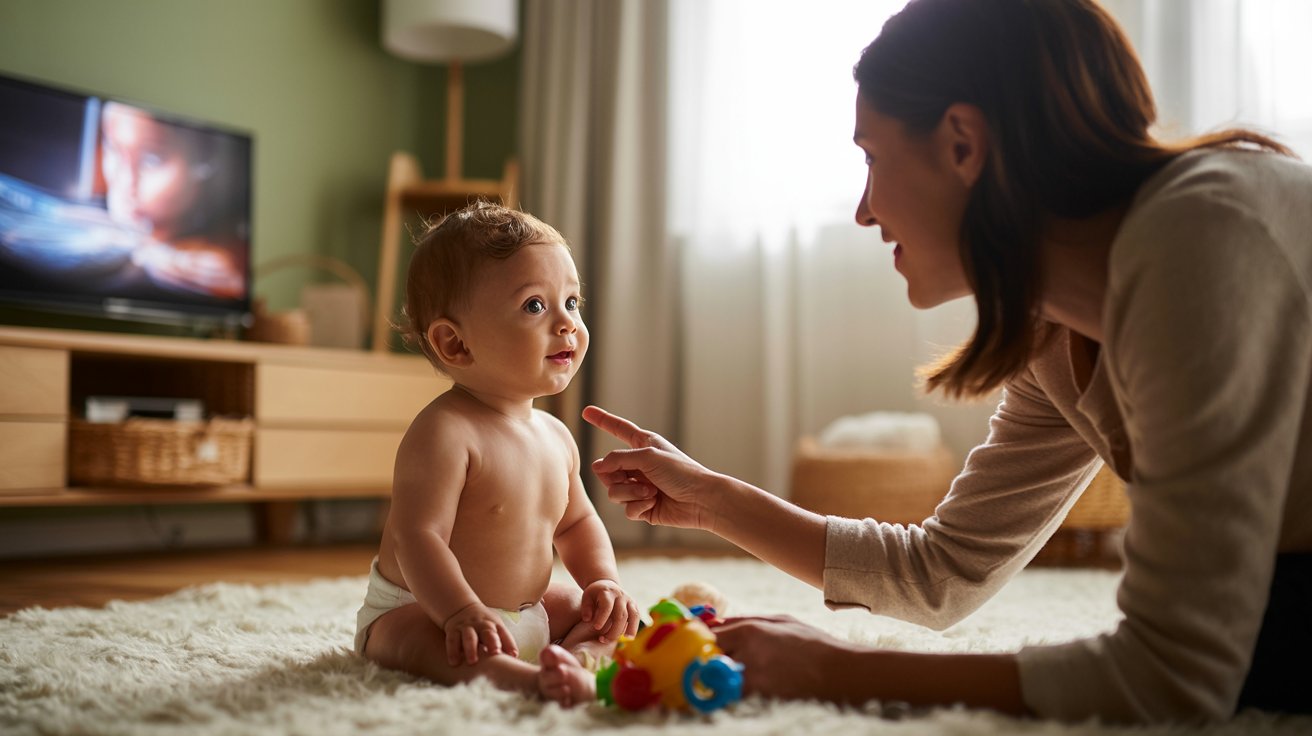
- We found other ways to bond during the day. Extra cuddles during wake time, more floor play, longer story sessions. Small wins like a 4-hour stretch became reasons to celebrate with my husband.
Practical Tips for Sleep Training Success
Here are some practical strategies that made our sleep training twins experience more manageable. These small adjustments can make a big difference.
- Keep routines within 10 to 20 minutes of each other: This prevents one twin from being overtired while the other is ready to play.
- Use separate sleeping spaces when possible: Different rooms work best if you have the space. If not, put distance between their cribs.
- Place sound machines between cribs: White noise helps mask each other’s sounds and creates individual sleep zones.
- Treat each twin as an individual: What soothes one might agitate the other. Pay attention to their unique cues and adjust accordingly.
- Give yourself grace through the process: Some nights will be harder than others. Progress isn’t always linear, and that’s completely normal.
These tips helped us stay sane during the challenging weeks of training.
Conclusion
Your sleep training twins journey won’t look exactly like ours. Every family faces different challenges, different baby temperaments, and different support systems.
What I can promise is this: consistency pays off. It might take three weeks or it might take five. But if you stick with a method that feels right for your family, you’ll see improvement.
Don’t try to do this alone. Whether it’s a sleep coach, your partner, a friend who watches the babies so you can nap, or an online support group, lean on others.
Nobody gets through twin parenting by themselves.
Right now you’re exhausted. I know because I’ve been there, standing in that dark nursery wondering if we’d ever sleep again.
We did, and you will too. Better nights are coming.
Frequently Asked Questions
Can Twins Sleep in the Same Room During Training?
Yes, twins can share a room during sleep training. Use separate cribs with sound machines between them to minimize disturbances. Many twins actually sleep better together once trained because they’re used to each other’s sounds.
What If One Twin Wakes the Other During Training?
Babies adapt surprisingly well to noise. Keep using white noise machines and stay consistent. After a few nights, they’ll learn to sleep through each other’s sounds. The woken twin usually settles faster than you’d expect.
Should I Sleep Train Both Twins Simultaneously?
Yes, train both at the same time but treat them as individuals. Keep their schedules aligned while recognizing one might need different reassurance levels. This prevents one baby from disrupting the other’s progress later.
How Long Does It Take to See Results?
Most families notice improvement within 3 to 5 days. Full sleep training typically takes 2 to 3 weeks for consistent results. Some twins respond faster, others need more time. Trust the process and stay consistent.
Is Sleep Training Safe for Premature Twins?
Sleep training is safe for premature twins once they reach 4 to 6 months adjusted age. Consult your pediatrician about developmental readiness. Use their corrected age, not birth age, when deciding to start training.