Do babies need blackout curtains, or is it just another parenting trend? I know how confusing this question can feel when you just want your baby to sleep better.
In this guide, I’ll help you understand when light actually affects baby sleep and when it doesn’t matter at all. You’ll learn how your baby’s sensitivity plays a role, without rigid rules or guilt.
This guidance is based on real sleep science and practical parenting experience, so you can make a calm, confident choice that works for you.
So let’s get started by understanding light and its connection to your baby’s sleep.
How Light Affects Baby Sleep
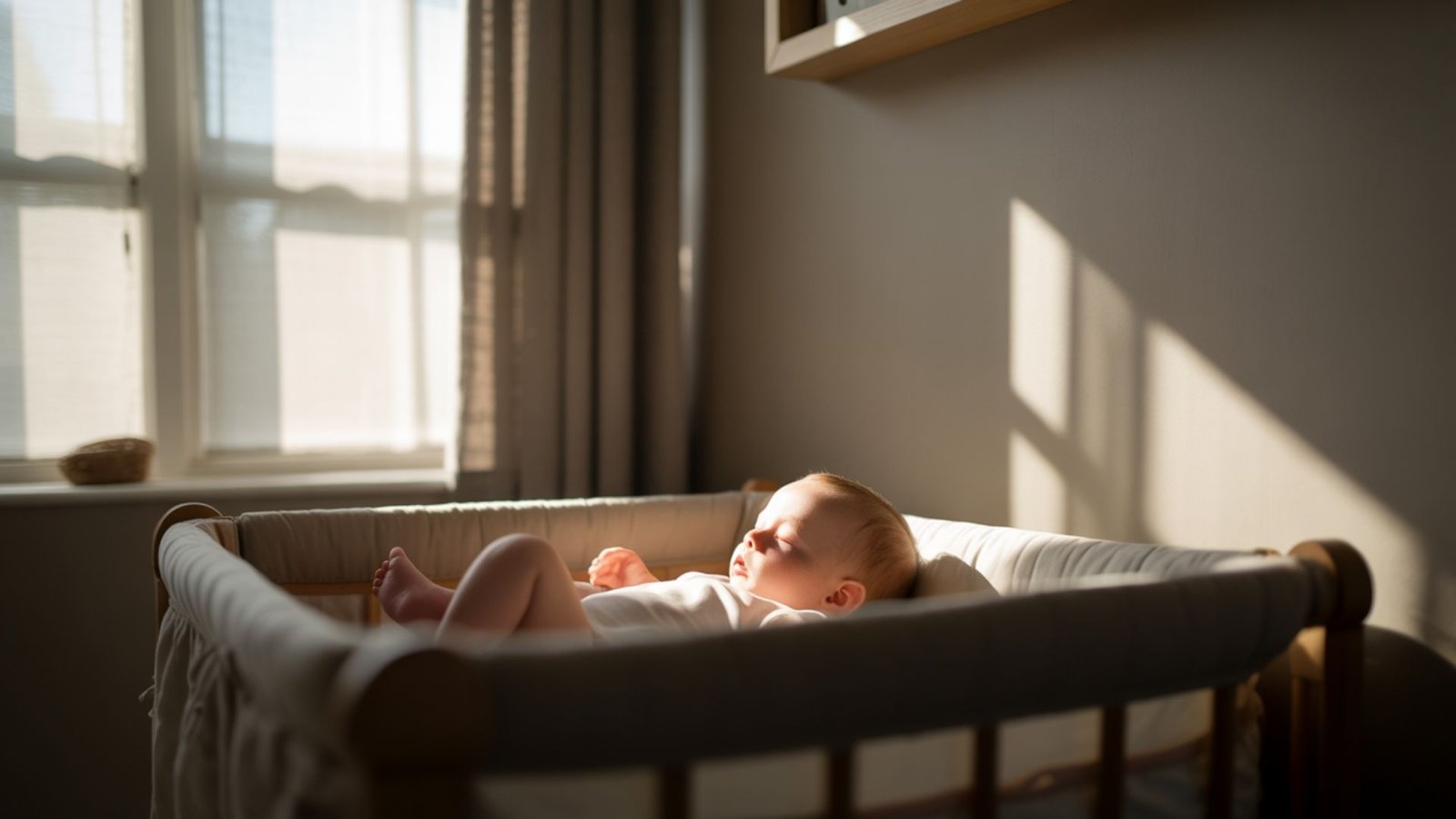
Light affects baby sleep by influencing melatonin production and the development of the circadian rhythm.
Babies are born without a mature internal clock, and this system develops through repeated exposure to light during the day and darkness at night.
Darkness supports melatonin release, which promotes sleep, while light suppresses melatonin and increases alertness.
Newborns are less sensitive to light because their melatonin levels are low and their sleep cycles are short and irregular.
As babies reach around three to six months, melatonin production increases, sleep cycles lengthen, and light begins to affect sleep onset and duration.
Light has a stronger impact on naps than nighttime sleep because naps happen during daylight hours, when melatonin is naturally lower.
Bright environments can shorten naps and increase wake-ups by signaling the brain to stay alert.
Reducing light during naps helps reinforce sleep cues and supports longer, more consistent rest.
When Do Babies Need Blackout Curtains

Blackout curtains become useful when light starts disrupting sleep. This usually happens as babies grow and their sleep cycles mature.
The need depends mainly on age and how sensitive a baby is to light.
Newborns (0–3 months):
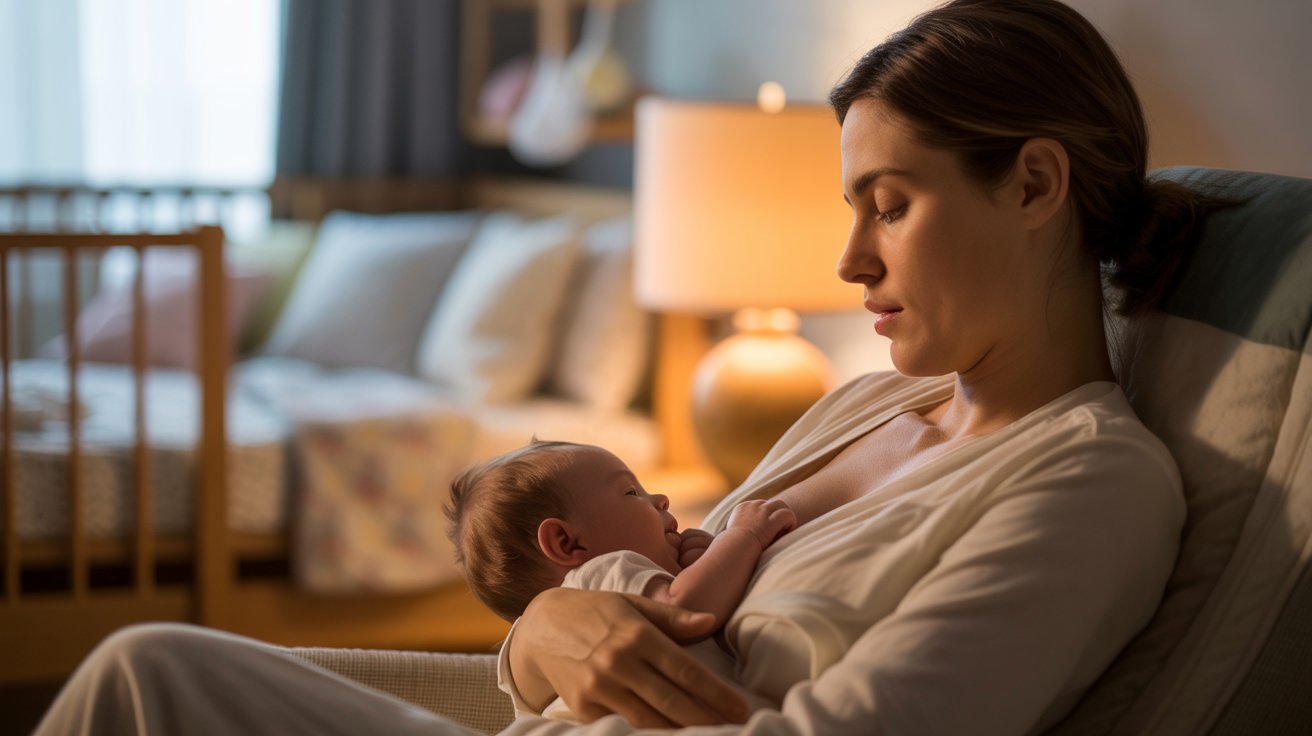
Newborns can sleep in light or dark rooms. Their circadian rhythm is not developed, and melatonin levels are low.
Light does not significantly affect sleep quality at this stage. Blackout curtains are not necessary.
Babies (3–6 months):
Sleep becomes more organized, and melatonin production increases. Light begins to interfere with naps and early morning sleep.
Blackout curtains often help improve nap length and reduce early wake-ups.
Older babies (6–12 months):
Babies rely more on consistent sleep cues. Bright rooms can cause short naps and early waking.
Blackout curtains support longer naps and more consolidated sleep.
Toddlers (12+ months):
Toddlers are highly aware of their surroundings. Light can delay sleep and increase bedtime resistance, especially during brighter seasons.
Blackout curtains help maintain consistent sleep routines.
Blackout curtains are most helpful in situations such as:
- Short or disrupted daytime naps
- Early sunrise wake-ups
- Light-sensitive babies
- Urban or streetlight exposure
- Summer months with long daylight hours
- Apartments or shared rooms
- Early bedtimes
- Daycare nap schedules
- Travel or temporary sleep spaces
Blackout curtains are a sleep aid, not a requirement. Their value depends on age, environment, and how much light affects a baby’s sleep.
When Babies Do Not Need Blackout Curtains
Blackout curtains are not necessary for every baby. Some babies sleep well without a dark room, especially when light does not affect their ability to fall asleep or stay asleep.
Babies may not need blackout curtains in the following situations:
- They nap well in daylight without frequent wake-ups
- Parents prefer flexible sleep habits over strict sleep conditions
- The room is naturally dim or shaded most of the day
- The baby regularly naps outdoors, in strollers, or while traveling
If a baby sleeps consistently and wakes rested in these settings, blackout curtains are optional rather than needed.
Pros and Cons of Blackout Curtains for Babies
Blackout curtains can be a helpful sleep tool, but they also come with trade-offs.
Understanding both sides makes it easier for parents to decide what works best for their baby and lifestyle.
|
Pros |
Cons |
|
Support longer and more consistent naps by reducing light disruption |
Some babies may become used to sleeping only in very dark rooms |
|
Help create predictable sleep routines for naps and bedtime |
Naps outside the home or during travel may be harder |
|
Reduce visual distractions, making it easier for babies to fall asleep |
Can limit flexibility if sleep conditions are tightly controlled |
|
Useful for early bedtimes and bright summer evenings |
May not be necessary for babies who already sleep well in light |
Blackout curtains are not a requirement for healthy sleep. They work best when used intentionally and adjusted as a baby’s sleep needs change over time.
When to Start and Stop Using Blackout Curtains
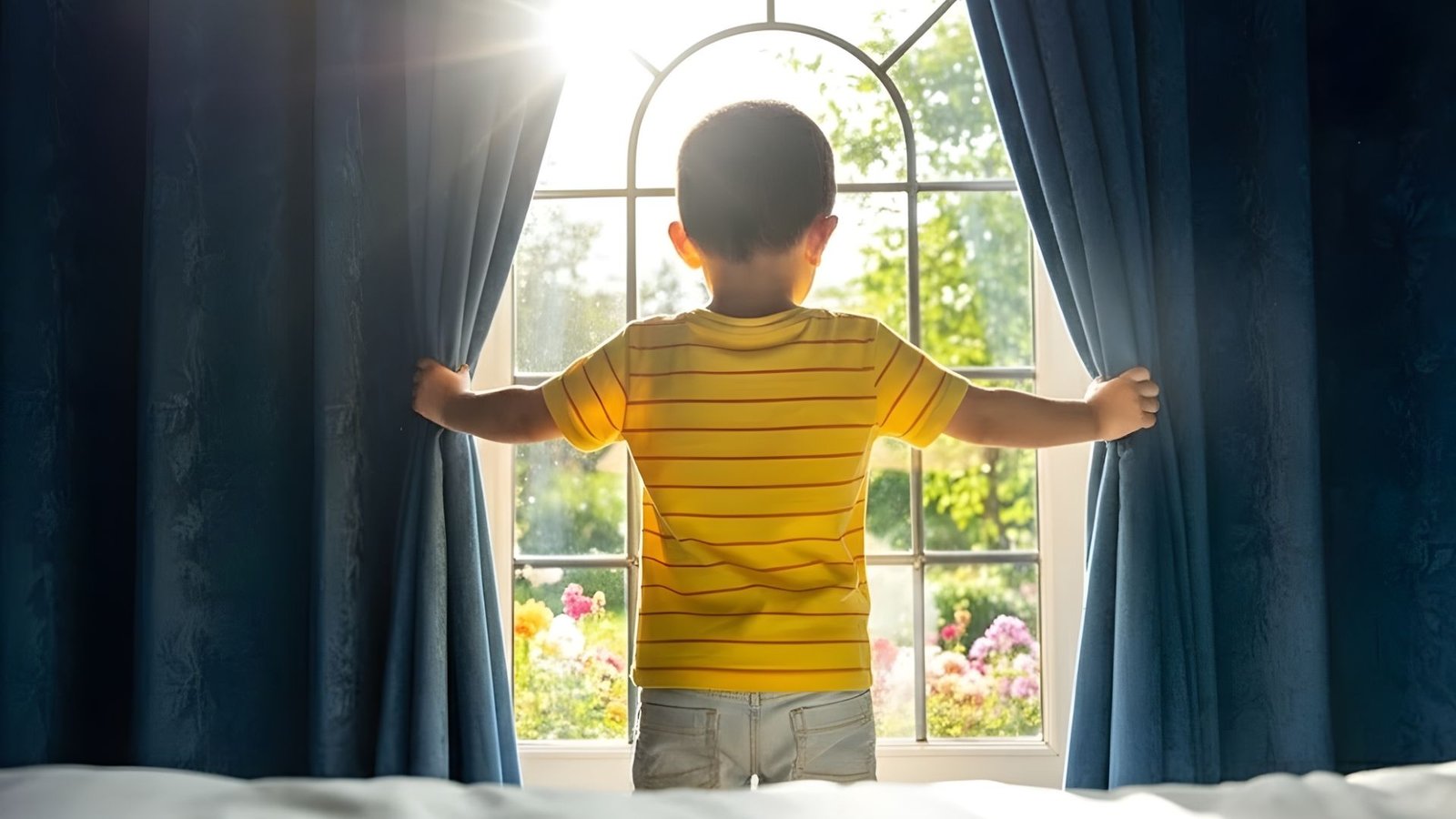
The need for blackout curtains changes as a baby’s sleep patterns develop. Timing depends on how strongly light affects naps, bedtime, and early morning sleep.
When to Start Using Blackout Curtains
Most babies do not need blackout curtains in the early weeks.
They are commonly introduced between 3 and 6 months, when melatonin production increases and light begins to interfere with naps and early wake-ups.
Blackout curtains are especially helpful if naps become short or early morning light consistently disrupts sleep.
When to Stop Using Blackout Curtains
There is no set age to stop using blackout curtains. Many babies continue to benefit beyond 12 months, particularly during early bedtimes or brighter seasons.
They can be phased out once a child sleeps well in lighter rooms and adjusts easily to different sleep environments.
Blackout curtains are a support tool, not a requirement. Their use can change as a child’s sleep needs and flexibility improve.
Alternatives to Full Blackout Curtains
Not every baby needs a completely dark room to sleep well. These options can help reduce light without using full blackout curtains.
- Room-darkening curtains: Reduce brightness without blocking all light, suitable for babies who sleep well with some daylight.
- Portable blackout shades: Temporary and travel-friendly solutions for naps in different rooms or while away from home.
- Strategic nap timing: Scheduling naps during naturally dim parts of the day can reduce light disruption.
- Light exposure routines: Consistent daylight exposure in the morning and a dim environment before sleep help regulate the circadian rhythm.
Conclusion
By now, you know the answer to do babies need blackout curtains isn’t a simple yes or no. You’ve seen that age, environment, and your baby’s sensitivity matter more than rigid rules.
I’ve found that darkness can help when sleep is disrupted, but it’s never a requirement. What matters most is how your baby responds, not following a fixed approach.
Use this guidance as a reference, not a rulebook. Observe your baby, adjust as needed, and move forward with clarity and confidence!
Frequently Asked Questions
Are Blackout Curtains Safe for Babies?
Yes, blackout curtains are safe when installed properly and kept out of a baby’s reach. Safety depends on secure fitting and clear airflow, not room darkness.
Can Babies Become Dependent on Blackout Curtains?
Some babies may prefer darker rooms, but this does not harm sleep development. Occasional naps in lighter settings can help maintain flexibility.
Are Blackout Curtains Bad for a Baby’s Circadian Rhythm?
No, blackout curtains do not disrupt circadian rhythm if babies get regular daylight exposure while awake. Overall daily light patterns matter more than nap-time darkness.
Do Blackout Curtains Affect Vitamin D or Daytime Exposure?
No, vitamin D comes from daylight during awake time, not naps. As long as babies get outdoor light while awake, blackout curtains do not affect vitamin D.
Should Blackout Curtains Be Used for Both Naps and Night Sleep?
Blackout curtains are more helpful for naps because daytime light suppresses melatonin. At night, they are only needed if outside light disrupts sleep.