
Ever gone in for a good-night hug and noticed your child’s breath still smells, even after brushing? If so, you’re not alone, and it’s a question many parents quietly worry about.
In this guide, we’ll help you understand why a child has bad breath even after brushing and what it could be pointing to.
By the end, you’ll feel clearer, reassured, and better prepared to handle it with confidence.
What Do You Understand by Bad Breath: An Overview
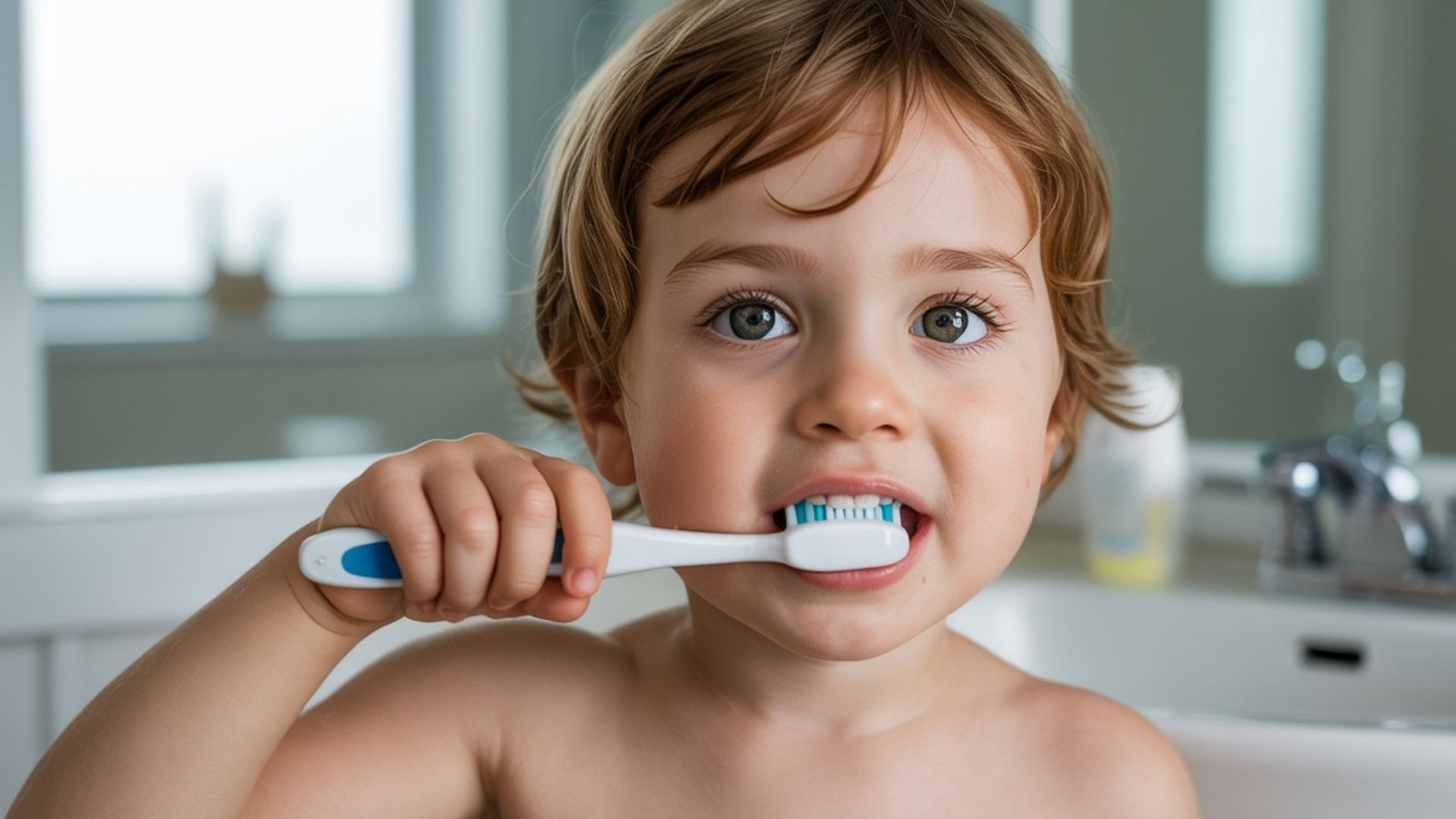
Bad breath, also called halitosis, is an unpleasant odor coming from the mouth.
It develops when bacteria break down food particles, plaque, or dead cells and release odor-causing gases. In children, bad breath can be temporary or ongoing.
Common causes include poor oral cleaning, bacteria on the tongue, dry mouth, and food trapped between teeth.
In some cases, medical issues such as sinus infections, tonsil stones, or acid reflux are involved.
Brushing helps control odor, but lasting improvement depends on identifying and treating the underlying cause.
Causes of Child Has Bad Breath in Children Even After Brushing
Bad breath in children can continue even after regular brushing. This usually means brushing alone is not addressing the real cause.
Knowing the cause helps parents choose the right solution:
1. Poor Oral Cleaning Beyond Brushing
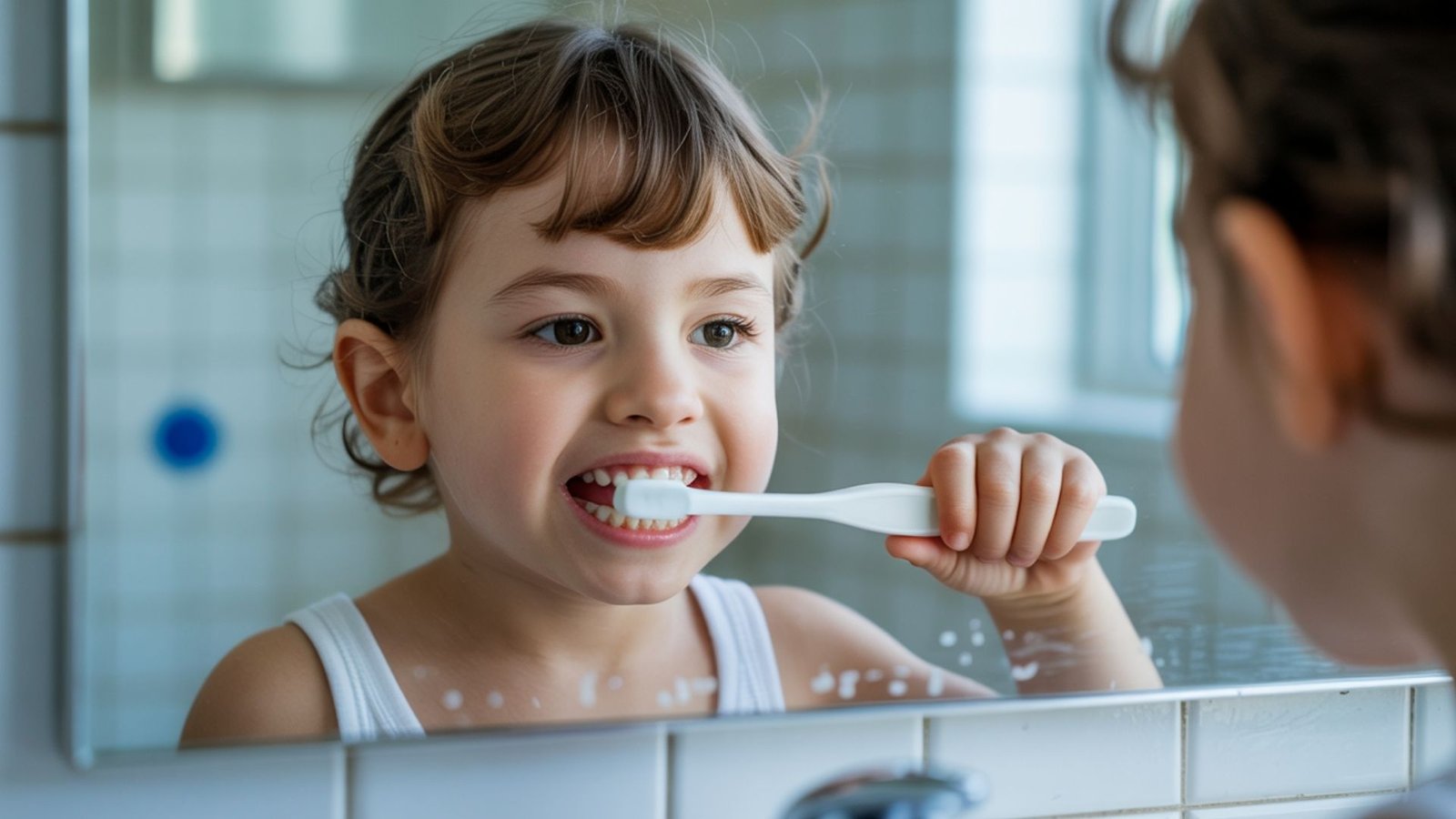
Brushing helps clean the surface of the teeth, but it does not reach every area in the mouth. Bacteria often remain between the teeth, along the gum line, and around the back molars.
When these areas are not cleaned properly, bacteria continue to grow and cause bad breath even after brushing.
2. Bacteria on the Tongue
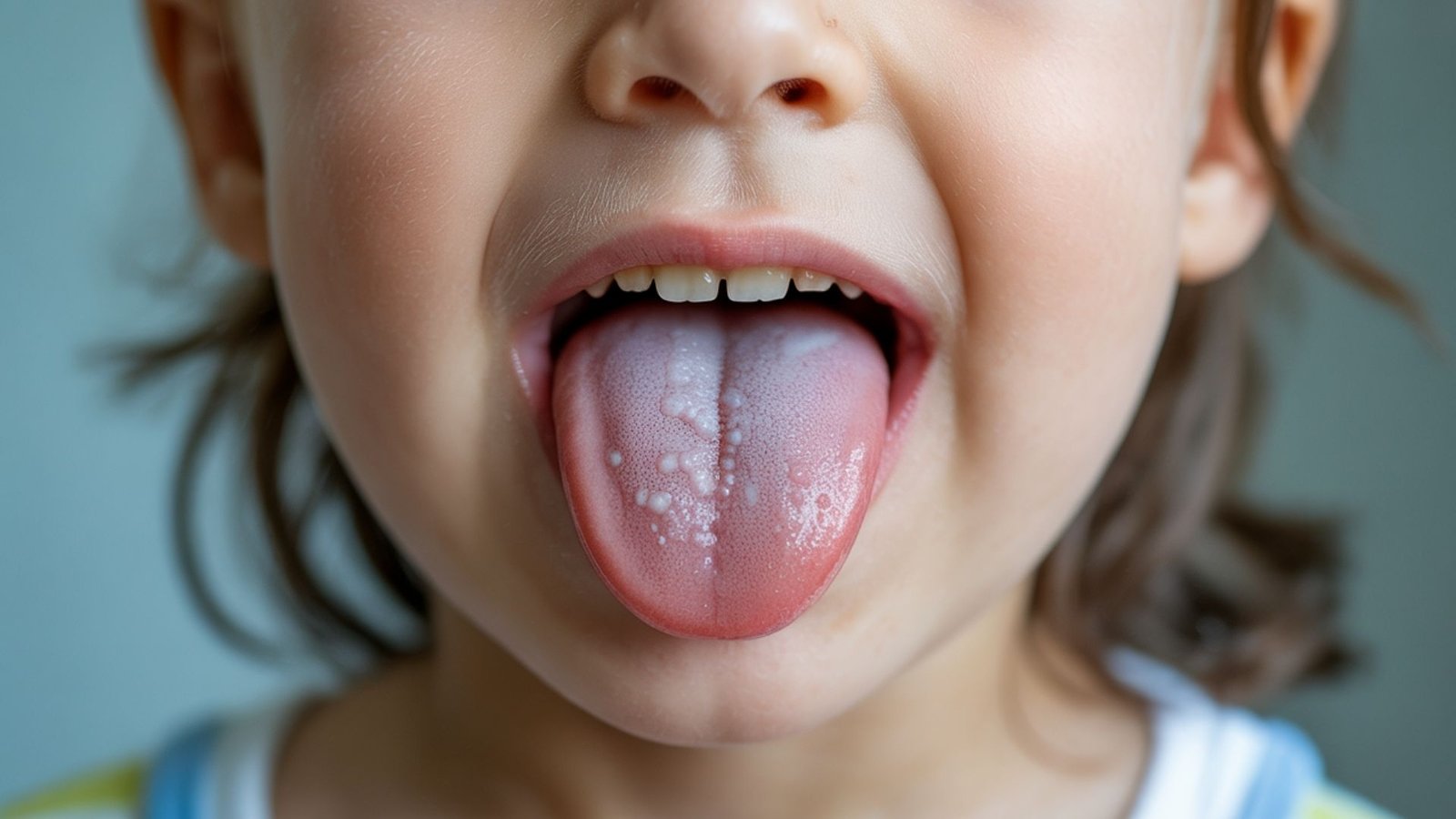
The tongue has a rough surface that easily traps bacteria, food particles, and dead cells. This buildup can create a strong odor and is one of the most common reasons children have bad breath.
If your child’s breath smells bad soon after brushing, the tongue may be the source.
3. Dry Mouth

Saliva plays an important role in keeping the mouth clean by washing away bacteria. When a child has a dry mouth, bacteria grow faster and cause unpleasant smells.
Dry mouth can happen due to low water intake, mouth breathing during sleep, or nasal congestion from allergies or colds.
4. Food Stuck in the Teeth
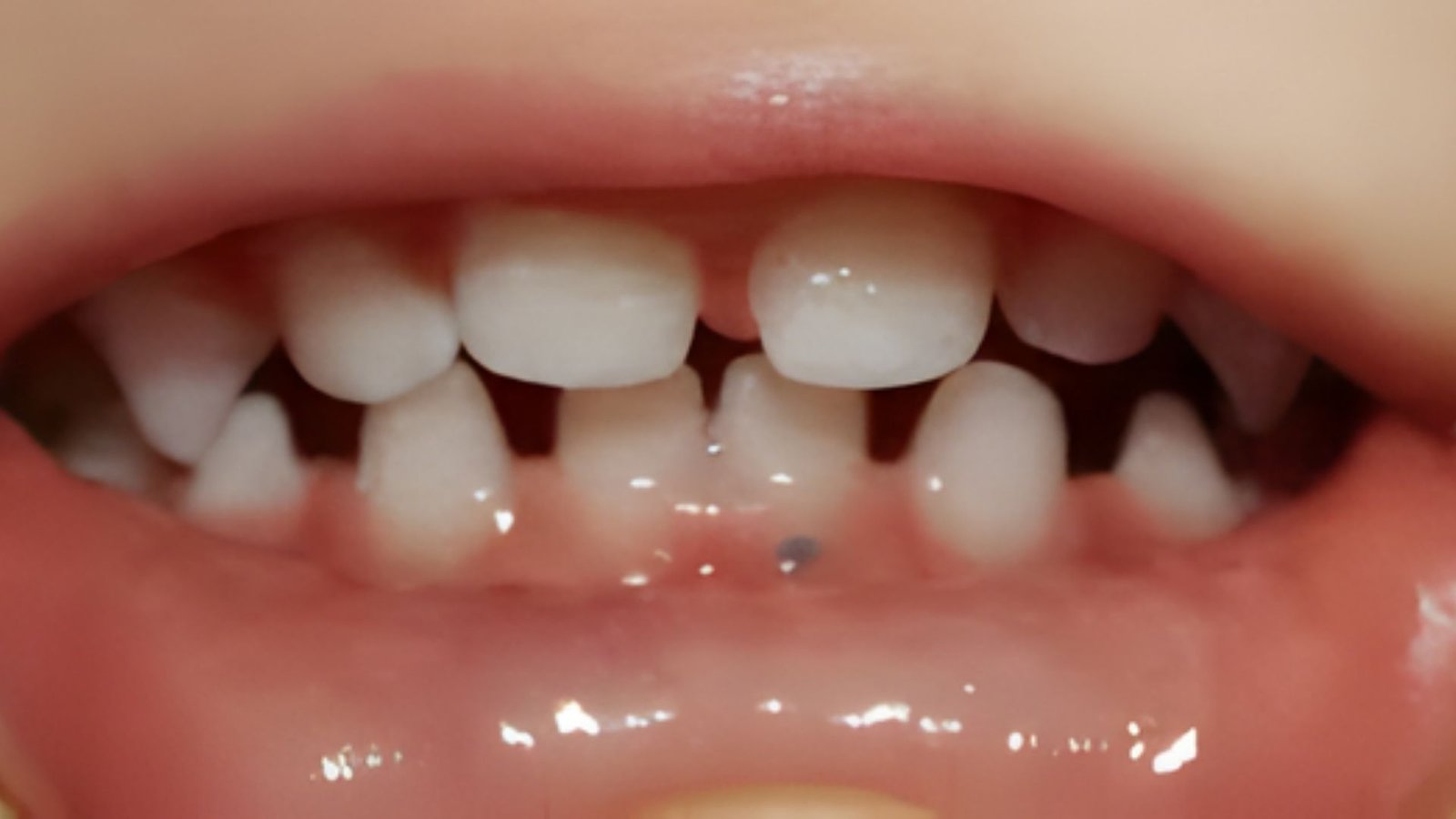
Tiny food particles can stay stuck in the mouth even after brushing, especially after eating sticky foods.
Crackers, peanut butter, and dairy products are common culprits. Bacteria feed on these leftover food particles and release odors that cause bad breath.
5. Tonsil Stones
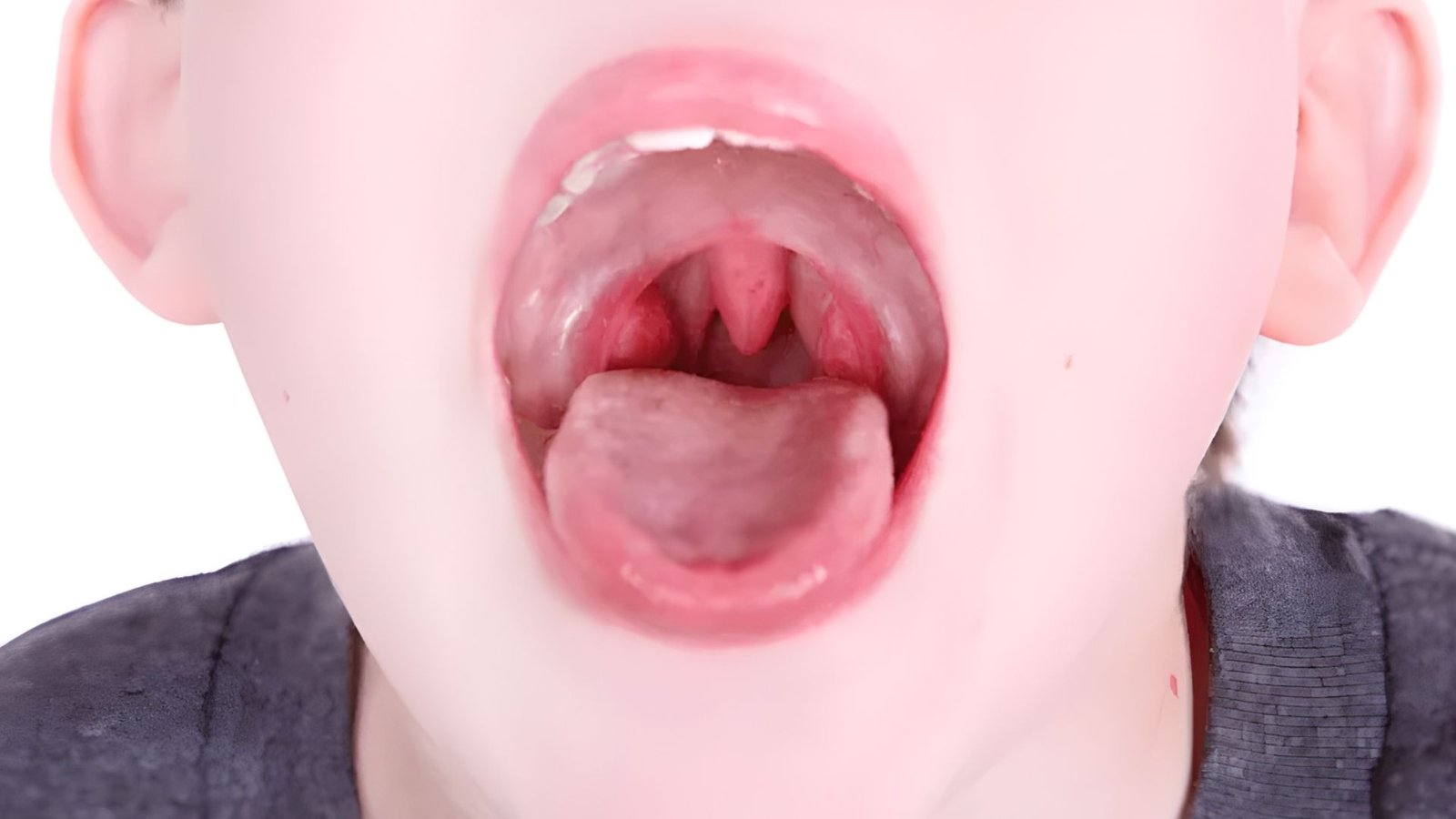
Tonsil stones are small, hardened bits of food, bacteria, and mucus that get trapped in the tonsils.
They often cause a strong, unpleasant smell and may make a child feel like something is stuck in their throat. Because they form in the tonsils, brushing the teeth does not remove them.
6. Sinus Problems and Post-Nasal Drip

When mucus from the nose and sinuses drips down the back of the throat, it carries bacteria with it.
This bacteria can lead to bad breath, especially in children with frequent colds or allergies. In these cases, the smell is not coming from the teeth but from the throat and nasal passages.
7. Acid Reflux

Acid reflux occurs when stomach acid moves up into the throat and mouth. This can cause a sour or sharp smell that brushing cannot fix.
Children with reflux may also complain of stomach pain, throat irritation, or coughing at night.
8. Cavities or Gum Problems
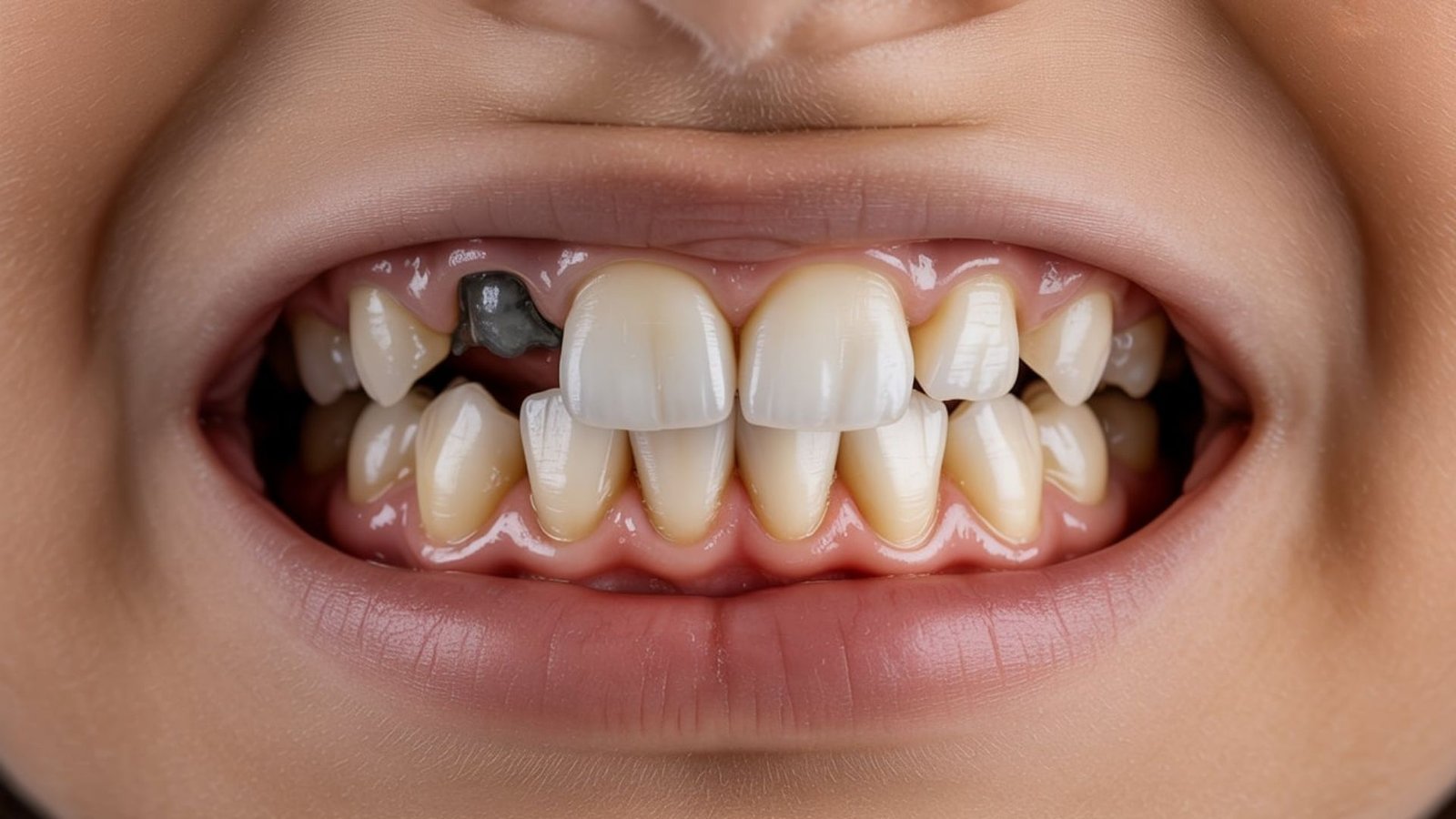
Tooth decay and gum infections create spaces where bacteria grow and release strong odors. These issues may also cause pain, swelling, or bleeding gums.
When bad breath continues despite good oral care, a dental exam is important to rule out cavities or infection.
9. Objects Stuck in the Nose
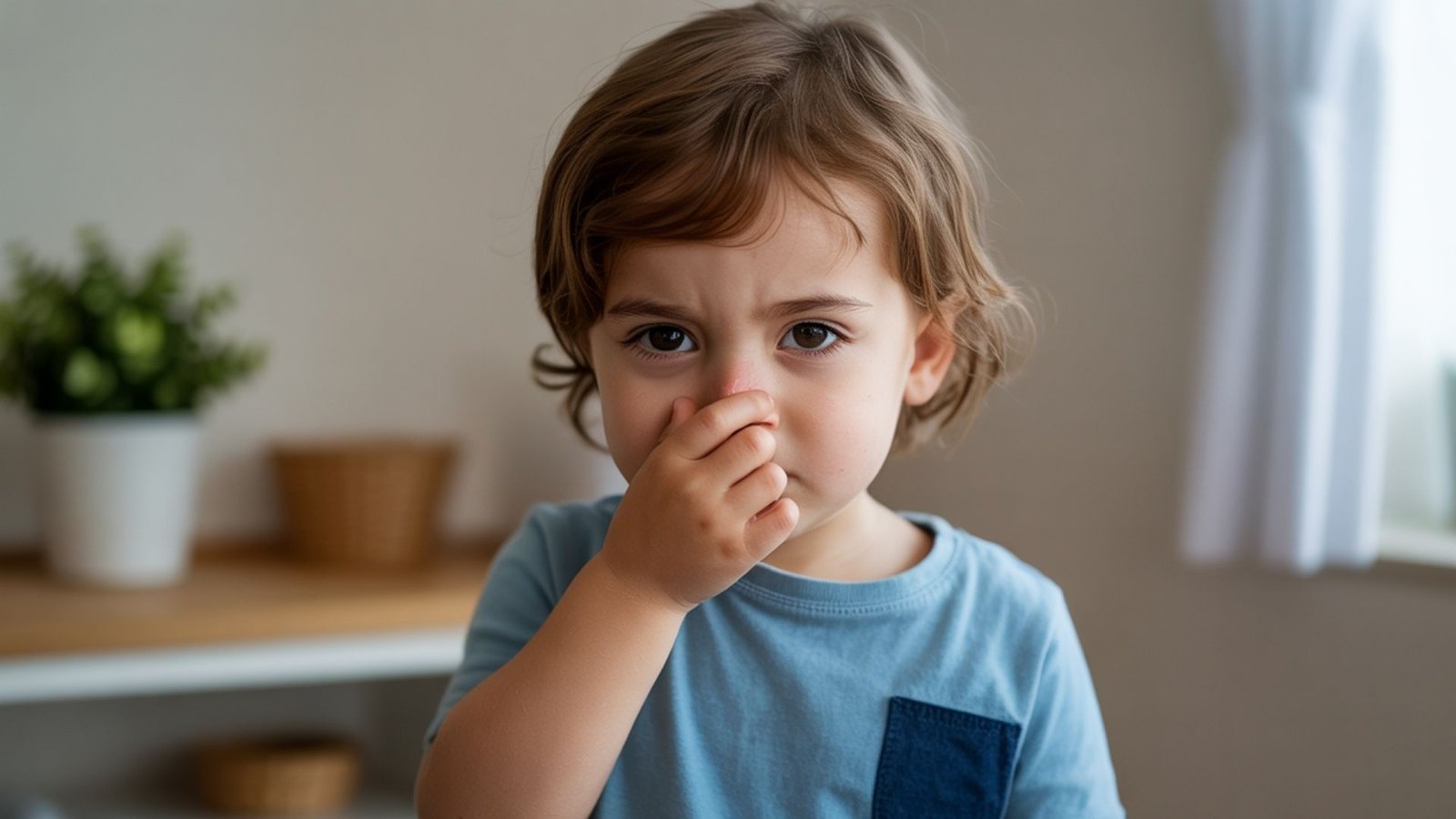
Young children sometimes place small objects in their noses without telling anyone. This can cause infection and very strong bad breath, often coming from one side.
If this happens, medical care is needed to safely remove the object.
Most causes of bad breath in children are common and treatable. Once the root issue is identified, improvement often happens quickly.
Hidden Medical Causes of Bad Breath Parents Often Miss
Bad breath that continues after proper brushing often has a medical cause.
These issues are common in children and easy to miss:
- Tonsil stones: Food, bacteria, and mucus harden in the tonsils, causing strong-smelling breath and white or yellow spots that brushing cannot remove.
- Sinus infections and post-nasal drip: Infected or excess mucus drips into the throat and carries bacteria, leading to bad breath unrelated to the teeth.
- Acid reflux: Stomach acid rises into the throat and mouth, creating a sour odor that oral hygiene cannot fix.
- Mouth breathing during sleep: Reduced saliva from mouth breathing allows odor-causing bacteria to grow, often causing morning bad breath.
- Foreign objects in the nose: Objects stuck in the nasal passage cause infection and a strong smell, often from one side.
How to Get Rid of Bad Breath in Kids

Bad breath in kids can usually be fixed with simple daily care. Small changes at home often make a big difference. Focus on the basics first before trying anything complicated.
Proper Oral Care Routine for Children
A good routine helps remove bacteria that cause bad breath. Each step should be gentle and age-appropriate.
- Correct brushing technique: Use a soft toothbrush and a small amount of toothpaste. Brush for two minutes, cleaning all sides of the teeth.
- Age-appropriate flossing: Floss once a day if teeth touch. Parents should help young children remove food stuck between teeth.
- Safe tongue cleaning methods: Gently clean the tongue with a soft brush or child-safe tongue cleaner. This removes bacteria that brushing often misses.
Proven Home Routines for Bad Breath in Kids
Simple home habits can support good oral care. These remedies are safe and easy for kids.
- Encourage your child to drink water throughout the day
- Offer crunchy fruits and vegetables
- Limit sugary and sticky foods
- Rinse the mouth with water after meals
Consistent daily care is usually enough to improve bad breath in children. Most kids show clear improvement once the right routine is followed.
When to See a Doctor for Bad Breath in Children

Bad breath should improve with proper oral care. If it does not, a medical cause may be present.
Consult a doctor if bad breath continues despite regular brushing, flossing, and tongue cleaning. Persistent odor can indicate infection, tooth decay, or another health issue.
Medical advice is also needed if your child has tooth or throat pain, swollen gums or tonsils, or frequent mouth bleeding. These signs suggest inflammation or infection.
Seek care if the breath has a strong sour or foul smell, comes mainly from one side, or is accompanied by fever, stomach pain, coughing, or difficulty swallowing.
Common Myths About Bad Breath in Kids
Bad breath in kids is often misunderstood. These common myths can prevent parents from fixing the real problem.
|
Myth |
Reality |
Solution |
|
It’s normal, they’ll outgrow it |
Ongoing bad breath usually has a cause. |
Find and treat the underlying issue early. |
|
Brushing harder fixes everything |
Hard brushing damages gums and does not remove all bacteria. |
Brush gently and clean between teeth and the tongue. |
|
Mouthwash alone is enough |
Mouthwash only masks odor. |
Use mouthwash with proper brushing and flossing. |
This format keeps the information clear, scannable, and easy to understand.
Conclusion
If a child has bad breath even after brushing, it can be confusing and concerning for parents.
This blog helped you understand why it happens, what signs matter, and how to respond calmly and correctly.
You now know what to check at home, what habits support fresh breath, and when medical or dental care is needed.
Have you noticed this with your child? Share your experience in the comments. Your input may help other parents facing the same concern!
Frequently Asked Questions
Can bad breath in children be caused by diet alone?
Yes. Sugary, sticky foods and dairy can increase bacteria in the mouth. Without proper cleaning, this can lead to bad breath.
Is morning bad breath in kids a cause for concern?
Morning bad breath is usually caused by dry mouth during sleep. It should improve after brushing and drinking water.
Can allergies cause bad breath in children?
Yes. Allergies can cause post-nasal drip, which carries bacteria into the throat and leads to bad breath.
Are cavities always painful when they cause bad breath?
No. Cavities can cause bad breath before pain appears. Regular dental checkups help detect them early.
How long should bad breath last after improving oral care?
Bad breath often improves within a few days. If it lasts longer than one to two weeks, medical or dental care is needed.