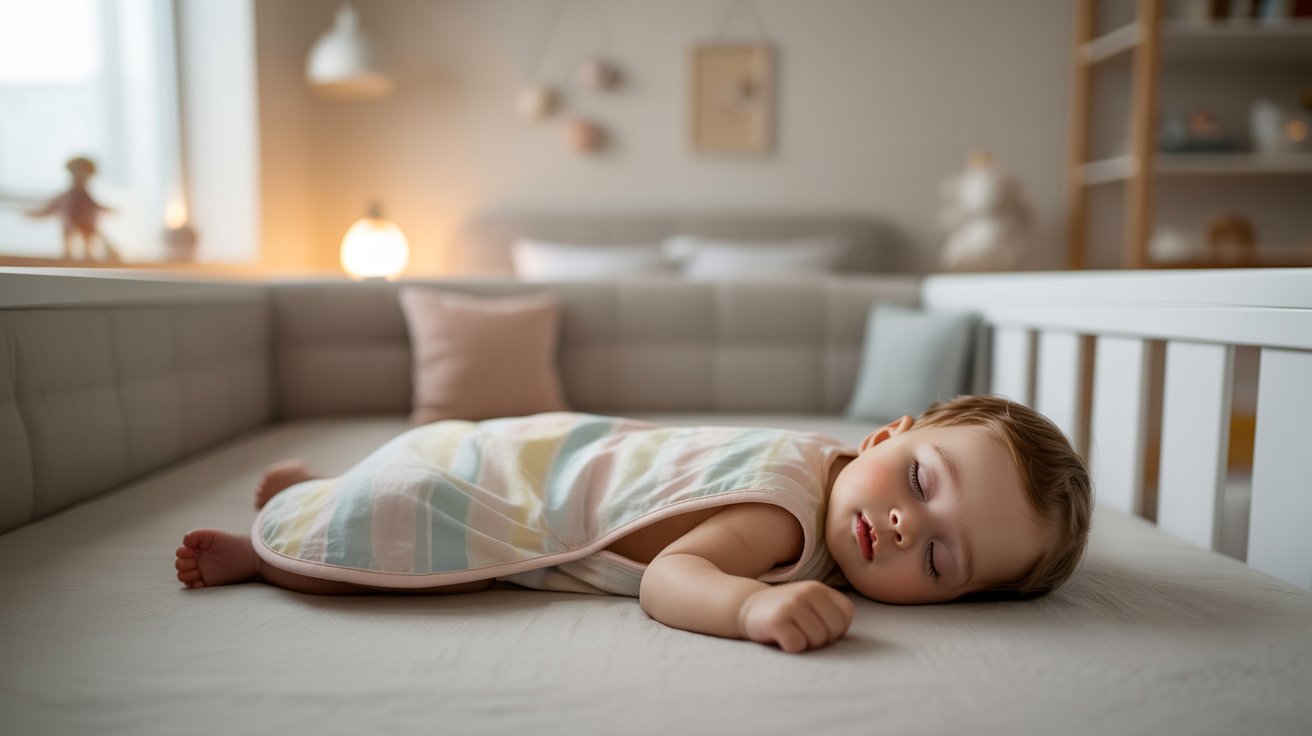
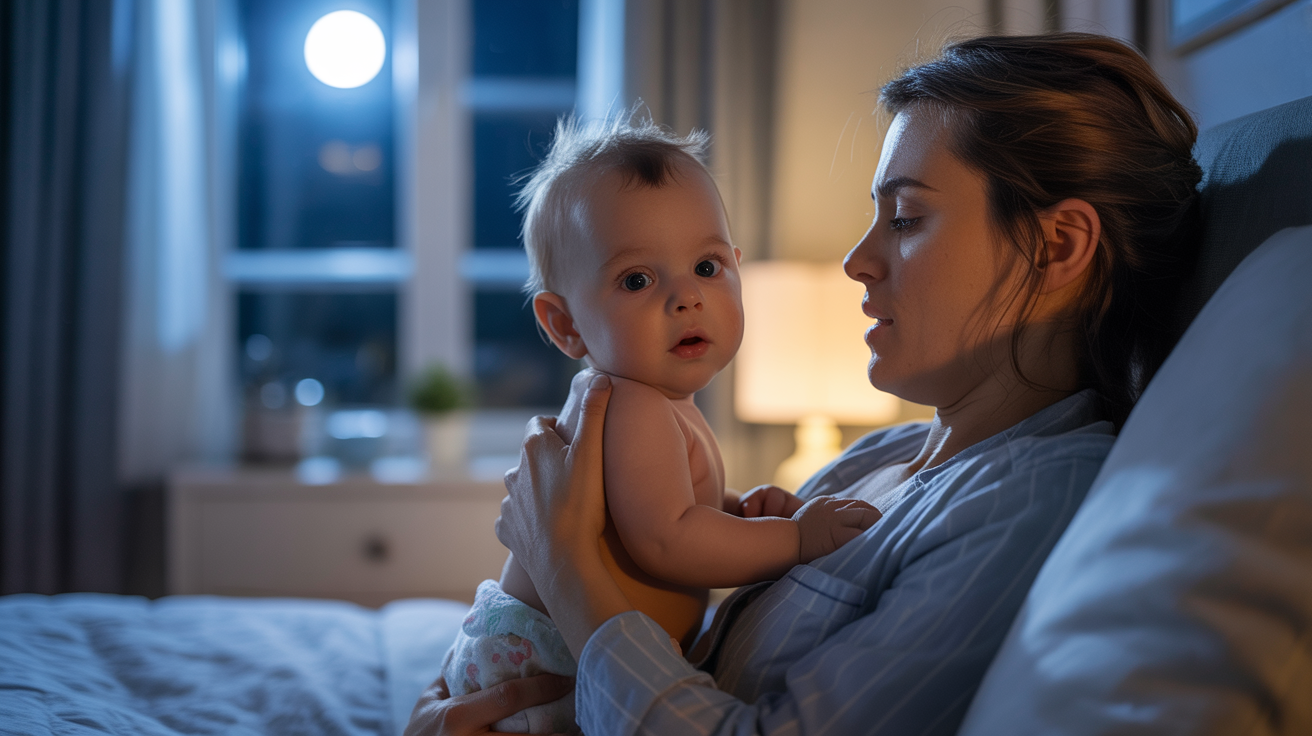
You’re up at 3 AM again, watching your baby fuss and cry.
Those tiny gums look swollen, and you’re wondering: does teething make babies sleepy? It’s a question that keeps exhausted parents awake at night.
Here’s what I’ve learned through countless teething episodes, yes it does.
This article breaks down exactly how teething affects your baby’s sleep and energy levels. Think of this as your honest guide from one tired parent to another.
Let’s figure this out together.
Does Teething Actually Make Babies Sleepy?
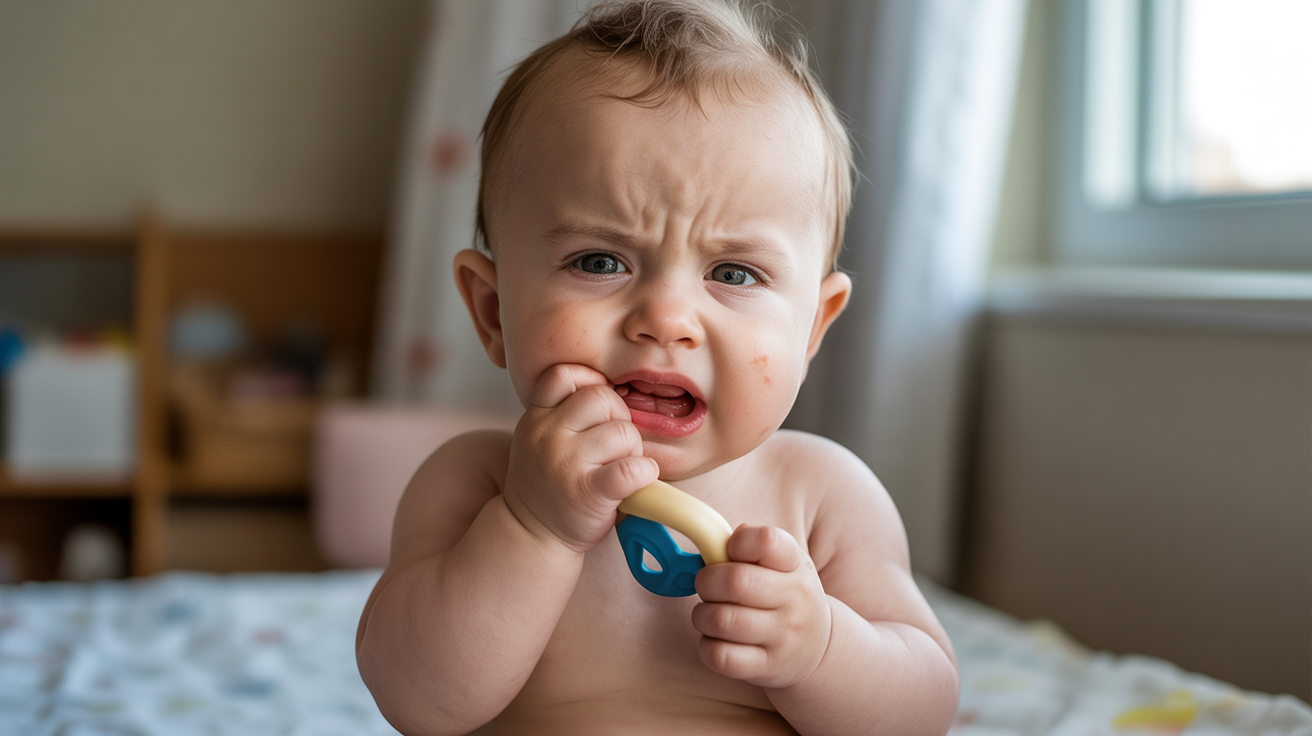
Here’s the truth many parents don’t realize: Teething doesn’t make babies sleepy.
What teething actually does is mess with their sleep. The discomfort keeps babies awake at night, tossing and turning when they should be resting.
Parents often confuse the symptoms. Your baby looks tired during the day because they didn’t sleep well last night, not because teething itself causes drowsiness.
Teething causes pain and irritability. Those sore gums hurt, especially when your baby lies down. The pressure changes position and can intensify the discomfort.
This pain doesn’t make babies want to sleep more. Instead, it makes quality sleep nearly impossible.
The result is an overtired, cranky baby during daylight hours. They’re exhausted from poor sleep, not sleepy from teething itself.
You’ll notice more fussiness, shorter attention spans, and difficulty settling down for naps.
Babies wake more frequently during teething episodes. Each time that sore spot throbs, they might cry out or fully wake up. Their usual sleep patterns get completely disrupted.
Understanding this difference between sleepiness and sleep deprivation helps you address the real issues.
How Long Does Teething Affect Sleep?
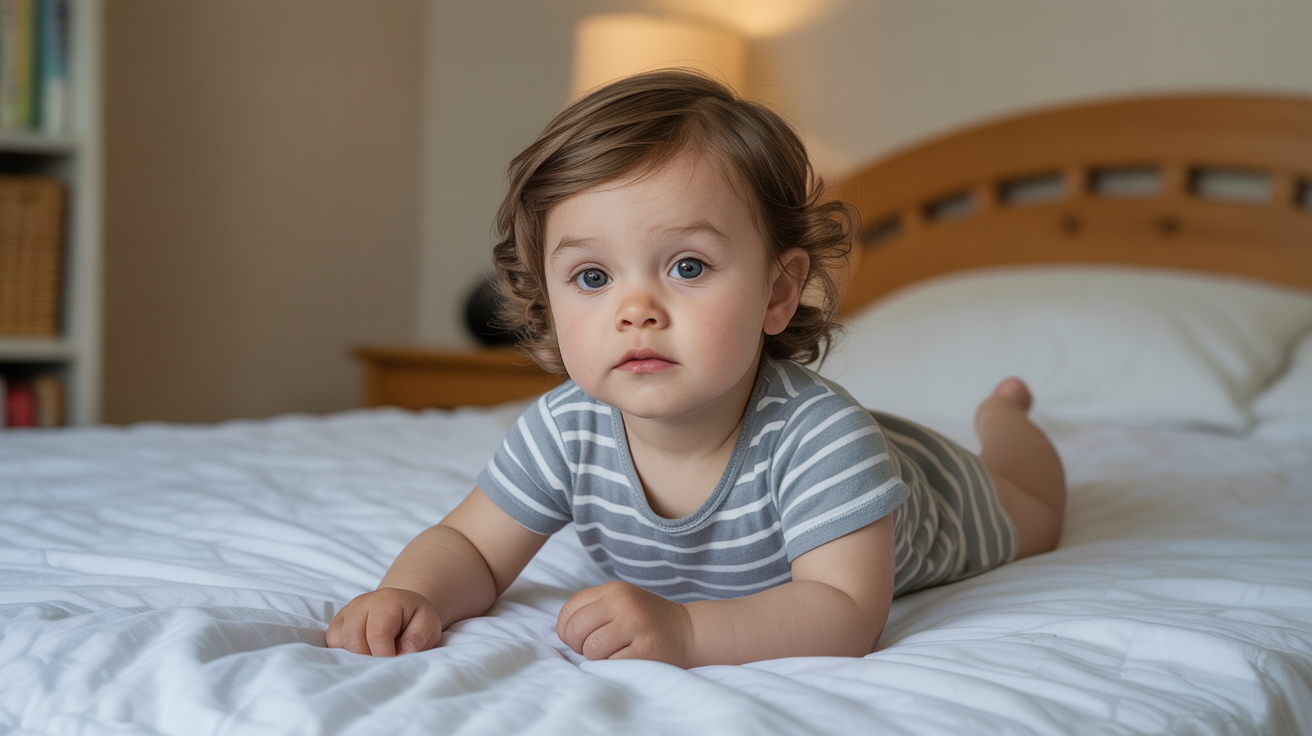
Teething typically starts around 5 months and continues until about 30 months of age.
But here’s the good news: the actual pain doesn’t last that entire time.
Each individual tooth only causes discomfort for about 24 to 72 hours before it erupts. That’s roughly one to three days of real pain per tooth.
The moment that tooth breaks through the gum surface, relief usually comes quickly.
Most babies return to normal sleep patterns within just a few days after the tooth appears. You’re not looking at weeks of disrupted sleep for each tooth. The acute pain phase is mercifully short.
Once the tooth is through, the gum tissue heals fast. Your baby’s sleep should bounce back to baseline pretty quickly.
If sleep problems continue beyond a week after eruption, teething probably isn’t the culprit anymore.
Signs Your Baby Is Teething (Not Just Tired)

Knowing the difference between teething and simple tiredness matters. Your baby’s signals can look confusing when you’re exhausted, but specific symptoms point clearly to teething.
Watch for these telltale teething signs. One flushed cheek is classic, usually on the same side where the tooth is coming in.
Excessive drooling beyond what’s normal for your baby is another big clue.
- A mild fever under 101°F can accompany teething. Some babies develop a facial rash from all that drool irritating their skin. Ear rubbing on the affected side happens because pain can radiate up.
- Increased fussiness and crying are expected. Your normally happy baby becomes harder to console and comfort.
- Watch out for these warning signs that indicate something more serious than teething. Intense, inconsolable crying that doesn’t respond to usual comfort measures needs attention. High fever over 101°F isn’t normal for teething.
- Diarrhea or significant digestive issues point to illness, not teething. If you see these symptoms, call your pediatrician. Don’t assume everything is just teething when it might be something requiring treatment.
- Diarrhea or significant digestive issues point to illness, not teething. If you see these symptoms, call your pediatrician. Don’t assume everything is just teething when it might be something requiring treatment.
Managing Sleep During Teething Episodes
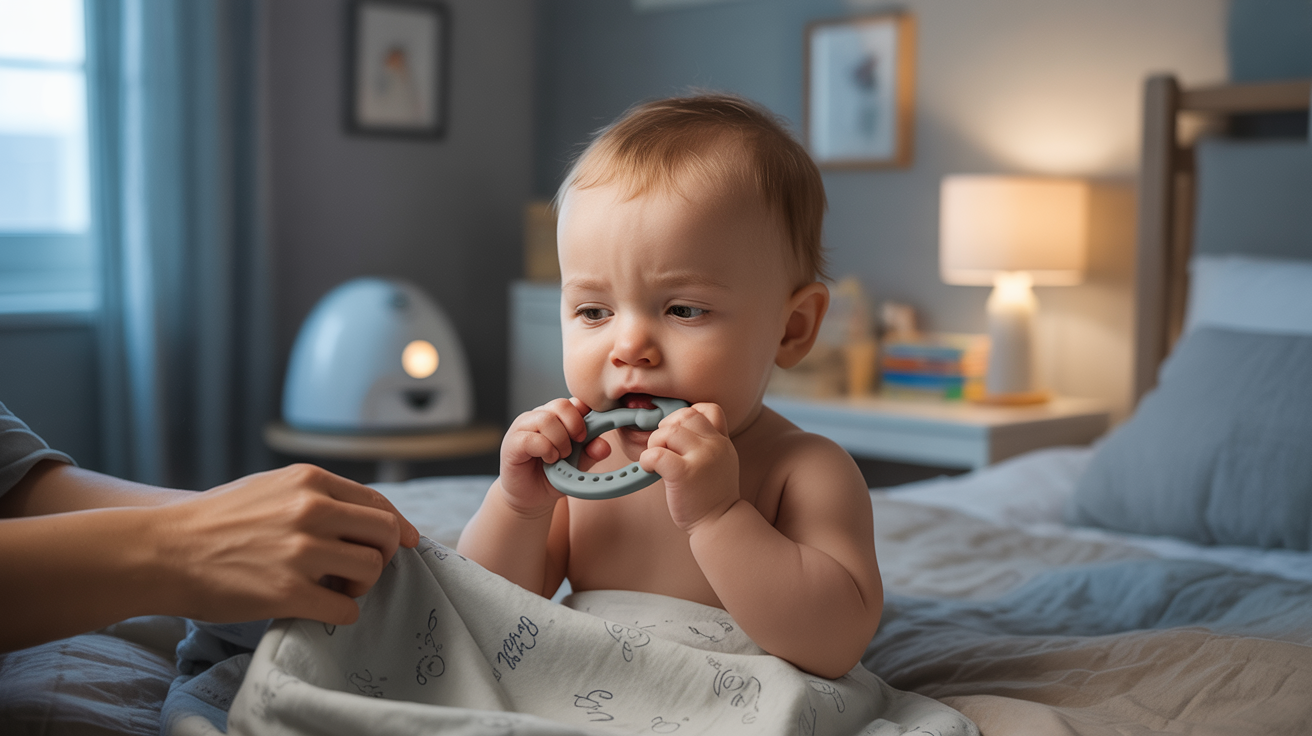
The key is timing your relief strategies right and staying consistent with routines. Small adjustments make a big difference without creating long-term sleep problems.
- Start the relief process 15 to 20 minutes before bedtime. Offer a cool teething ring that’s been in the refrigerator (not freezer). The cold numbs sore gums naturally.
- A cold, damp washcloth works wonderfully for a baby to chew on. Wet it, wring it out, and chill it briefly. The texture and temperature provide double relief.
- Consider pain medication timing if your pediatrician has recommended it. Acetaminophen or ibuprofen given 30 minutes before bed can help your baby settle. Always follow dosing instructions carefully and consult your doctor first.
- Keep the room temperature between 16 to 20°C (60 to 68°F). A cooler room helps babies sleep more soundly, even when uncomfortable.
- White noise masks those little whimpers and grunts that might otherwise fully wake your baby. It creates a consistent sound that soothes.
- Stick to your regular bedtime routine despite the teething chaos. Bath, books, songs should happen at the same time in the same order. Consistency provides security when babies feel out of sorts.
When Teething Becomes a Sleep Problem

Sometimes sleep issues extend beyond normal teething disruption.
Learn to distinguish between teething and sleep regression. Regressions affect sleep patterns broadly and last weeks, not just the few days typical of teething.
If your baby’s sleep doesn’t improve after the tooth emerges, something else is happening.
Bad habits can form during extended teething periods. Maybe you started rocking to sleep every night or bringing a baby into your bed.
These become expected routines your baby won’t give up easily.
Prevent long-term disruptions by keeping changes minimal and temporary. Mark your calendar when you spot that first tooth sign. Plan to return to normal within a week of eruption.
Know when to seek pediatrician advice. Sleep problems lasting more than two weeks beyond tooth eruption need evaluation.
High fevers, extreme irritability, or refusal to eat warrant immediate attention.
Conclusion
So, does teething make babies sleepy? Not exactly. Teething disrupts sleep through discomfort, leaving babies overtired rather than naturally drowsy.
The good news is that this discomfort only lasts a few days per tooth. Once that tooth breaks through, relief comes quickly and sleep returns to normal.
Keep your healthy sleep foundations strong. A few nights of extra comfort won’t undo good habits you’ve built.
Remember that every baby teeth differently. Some sail through with barely a whimper while others struggle more. Your patience during these tough nights matters enormously.
This phase will pass faster than you think.
Frequently Asked Questions
Can Teething Cause Daytime Nap Refusal?
Yes, teething discomfort affects nap quality. Babies fight sleep when in pain, making it harder to relax. Offer pain relief 20 minutes before naptime and keep routines consistent through rough days.
Should I Let My Teething Baby Cry It Out?
Balance comfort with consistency. Offer pain relief and soothing, but avoid creating new sleep associations. Respond to genuine pain without abandoning all sleep training principles during teething episodes.
How Can I Tell If Poor Sleep Is From Teething or Illness?
Teething causes mild fever under 101°F and localized gum swelling. Illness brings higher temperatures, congestion, or digestive issues. Call your pediatrician if symptoms seem severe or unusual.
Will Giving Pain Medicine at Bedtime Create a Dependency?
No. You’re treating real discomfort, not creating sleep crutches. Follow proper dosing and stop when the tooth erupts. Pain medication addresses temporary medical needs without causing dependency issues.
My Baby Sleeps More During Teething – Is This Normal?
Some babies need extra rest when fighting teething pain, similar to adults with headaches. If your baby seems otherwise normal and happy when awake, extra sleep is usually fine.