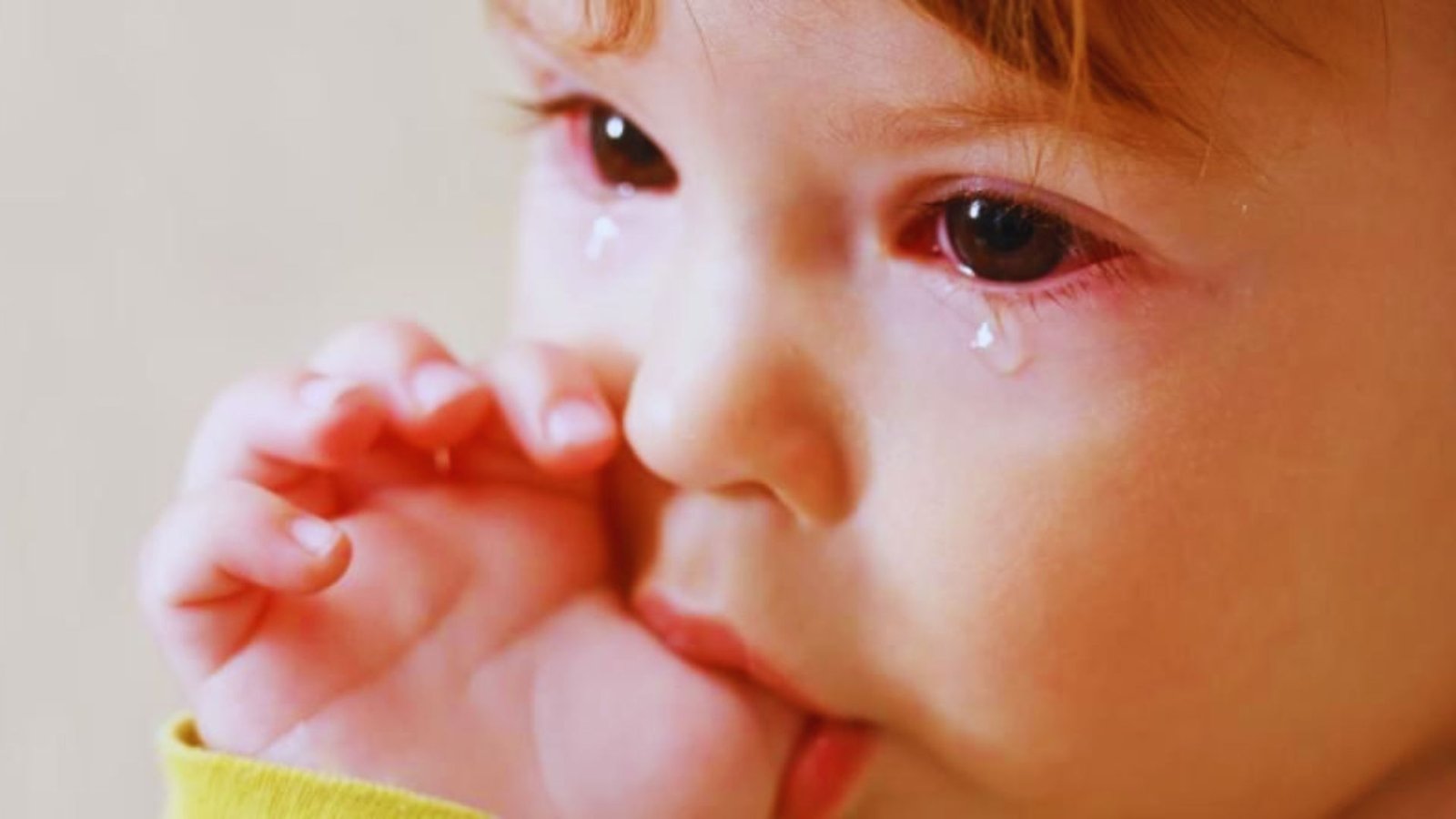

Do babies eat less when teething, or is something else going on? If your baby has suddenly started feeding less, we know how worrying that can feel.
You might be thinking if this is normal or a sign that something’s wrong. Don’t worry you are not alone in this.
That’s why I created this guide that will help you understand how teething can change your baby’s eating habits.
Let’s begin the learning of solutions to this common problem.
Do Babies Eat Less When Teething?

Yes, many babies do eat less when teething. Sore and swollen gums can make sucking or chewing uncomfortable, so your baby may show less interest in feeding for a short time.
This change in eating habits is usually temporary and improves once the discomfort eases.
- Reduced milk or formula intake
- Refusal of solid foods they usually accept
- Fussiness, pulling away, or crying during feeding
Most babies return to their normal appetite within a few days, even if teeth are still coming in.
How Teething Affects a Baby’s Appetite
Teething does more than cause drooling and irritability. It can directly affect how your baby feels about eating, even when they are truly hungry.
Gum pain and inflammation:
As teeth push through the gums, the gums become swollen and sore. Sucking, chewing, and swallowing can press on these areas, making feeding uncomfortable.
This discomfort often leads babies to refuse milk or solid foods.
Increased fussiness and sensory sensitivity:
Teething pain can make babies more irritable and sensitive.
They may act hungry but stop eating once feeding begins because it causes discomfort.
Changes in feeding preferences:
Many babies prefer cold, soft, or liquid foods during teething because they are easier on sore gums.
Some babies feed less to avoid pain, while others feed more often for comfort. Both patterns are normal and usually short-lived.
Age-by-Age Appetite Changes During Teething
Appetite changes during teething can look different depending on your baby’s age.
3–4 months: Early teething vs growth changes
At this age, appetite changes are more often due to growth spurts or distraction than teething.
Teething-related feeding issues usually appear along with signs like drooling, gum rubbing, or chewing on hands.
5–6 months: Milk intake drops and solid refusal
Teething pain can make sucking uncomfortable, leading to reduced breast milk or formula intake.
Babies who have started solids may refuse them because chewing puts pressure on sore gums.
6–9 months: Teething with solid foods
As more teeth come in, babies may become sensitive to food textures. Sore gums can increase gagging, especially with thicker or lumpier foods, so softer options are often preferred.
These appetite changes are usually short-term and improve once gum discomfort decreases.
Common Feeding Changes Parents Notice During Teething
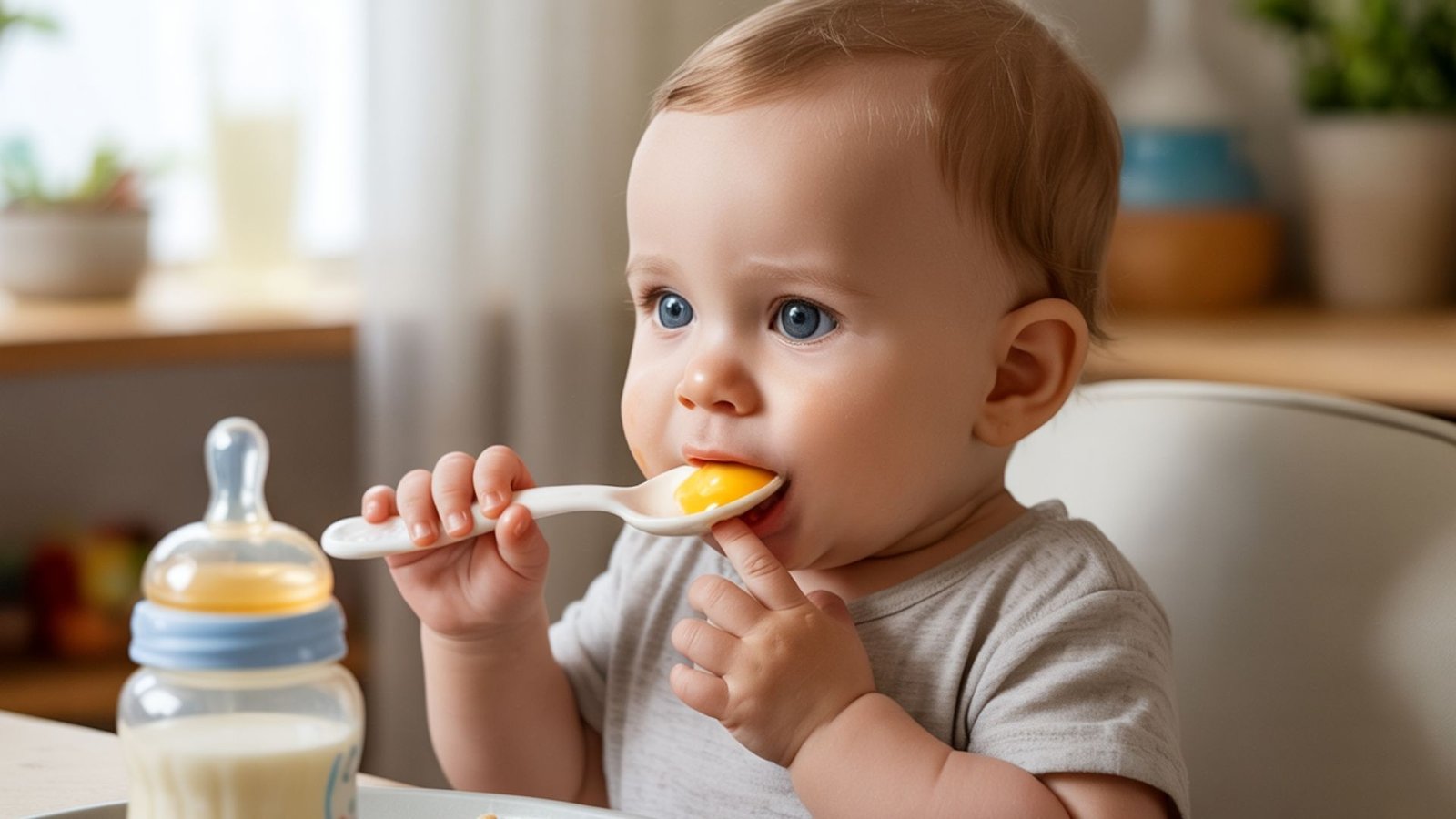
Teething can cause noticeable but temporary changes in how babies eat. These behaviors are common and usually linked to gum discomfort rather than a loss of hunger.
- Drinking less breast milk or formula
- Skipping meals for one to three days
- Pulling away from the breast or bottle during feeds
- Chewing on nipples, bottle teats, or spoons instead of eating
- Eating normally one day and refusing food the next
These patterns often come and go as teething discomfort increases and then settles.
How Long Do Babies Eat Less When Teething?
Most babies eat less for a short period during teething. Appetite changes usually last 24 to 72 hours and often improve once the tooth breaks through the gum.
Many babies eat normally again between tooth eruptions.Teething does not affect every baby or every tooth the same way.
Front teeth often cause milder discomfort, while molars can cause more pain and lead to stronger or longer-lasting appetite changes.
What to Feed a Teething Baby With Little or No Appetite
When teething makes eating uncomfortable, choosing gentle foods can help your baby stay nourished without adding pressure to sore gums.
Soft, smooth foods are usually best during this time. These are easier to swallow and less likely to irritate tender gums.
- Cold or chilled purees made from fruits or vegetables
- Plain yogurt or mashed banana (age-appropriate)
- Well-cooked, mashed vegetables with a smooth texture
- Breast milk or formula offered in smaller amounts
If your baby refuses solids, focus on keeping them hydrated and comfortable. Appetite usually improves once gum pain eases.
Teething vs Illness: How to Tell the Difference
Understanding the difference between teething discomfort and illness can help parents know when to monitor at home and when to seek medical advice.
|
Symptom |
Teething |
Illness |
|
Appetite changes |
Mild, short-term decrease |
Ongoing or worsening refusal to eat |
|
Fever |
Low or none |
High or persistent fever |
|
Fussiness |
Intermittent, improves with comfort |
Constant or worsening |
|
Energy level |
Mostly alert and active |
Lethargic or unusually sleepy |
|
Diarrhea or vomiting |
Not typical |
Common in many illnesses |
|
Duration |
Comes and goes |
Persists without improvement |
If symptoms feel severe or last longer than expected, it’s best to consult a pediatrician for guidance.
When Should Parents Be Concerned?
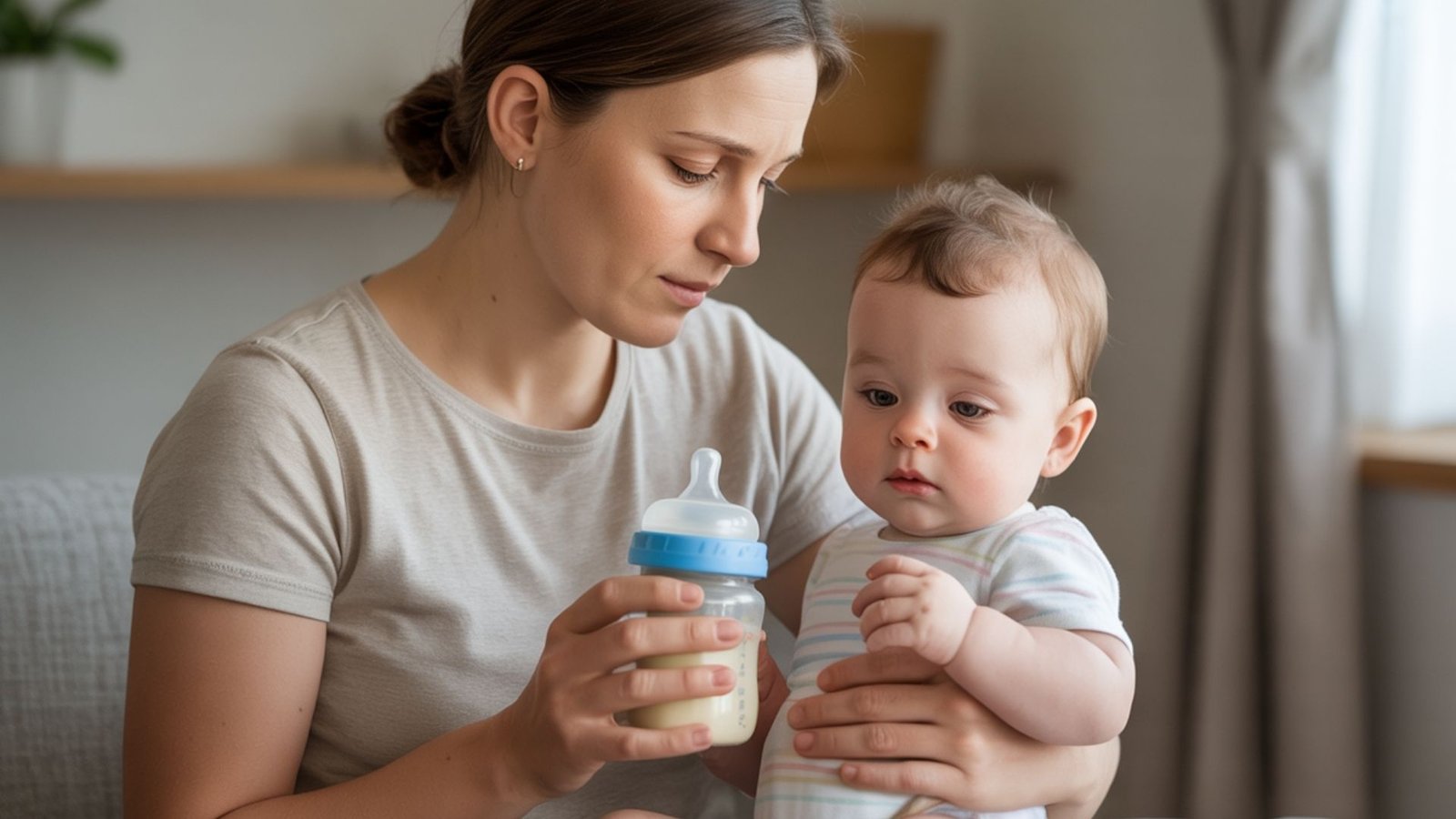
A short drop in appetite during teething is common, but some signs need medical attention.
Parents should contact a pediatrician if they notice any of the following:
- Baby refuses food or milk for more than three to four days
- Fewer wet diapers than usual, which may signal dehydration
- Noticeable weight loss or poor weight gain
- High fever, rash, vomiting, or diarrhea
These symptoms are not typical of teething alone and may point to an underlying illness.
Feeding Tips to Follow During Teething
Teething can make meals challenging, but a few simple adjustments can help reduce discomfort and support better feeding.
- Offer food when your baby is calm and teething pain seems lowest
- Soothe gums first with a cold teething ring, chilled washcloth, or gentle gum massage
- Serve smaller, more frequent feeds instead of full meals
- Choose soft, smooth, and cool foods that are easier on sore gums
- Let your baby lead the feeding and avoid force-feeding
These tips can help make feeding more comfortable until teething discomfort eases.
Final Thoughts
You’ve reached the end of this guide because you wanted clarity and reassurance.
I know it’s concerning when your baby’s eating habits change, but understanding what’s normal helps you respond calmly.
You can now focus on observing patterns, following your baby’s cues, and avoiding unnecessary stress. Teething is a temporary phase, and steady support is often enough.
Use what you’ve learned to support your baby with confidence. If something feels unusual, don’t hesitate to seek medical advice!
Frequently Asked Questions
What are the worst months for teething?
Teething discomfort is often strongest between 6 and 12 months, especially when molars begin to emerge. These teeth push through thicker gums and can cause more discomfort.
Can teething affect sleep and feeding at the same time?
Yes, teething pain can disrupt both sleep and feeding. Babies may wake more often at night and eat less during the day.
Can teething cause a baby to refuse both milk and solids?
Yes, some babies may briefly refuse both milk and solids due to sore gums. This usually improves once gum discomfort eases.
How can I tell if appetite loss is from teething or illness?
Teething-related appetite loss is usually short and comes with drooling or gum rubbing. Ongoing refusal, fever, or low energy may point to illness.
How long should I wait before calling a doctor if my baby won’t eat?
If your baby refuses food or milk for more than three to four days, contact a pediatrician. Seek help sooner if there are signs of dehydration or illness.