
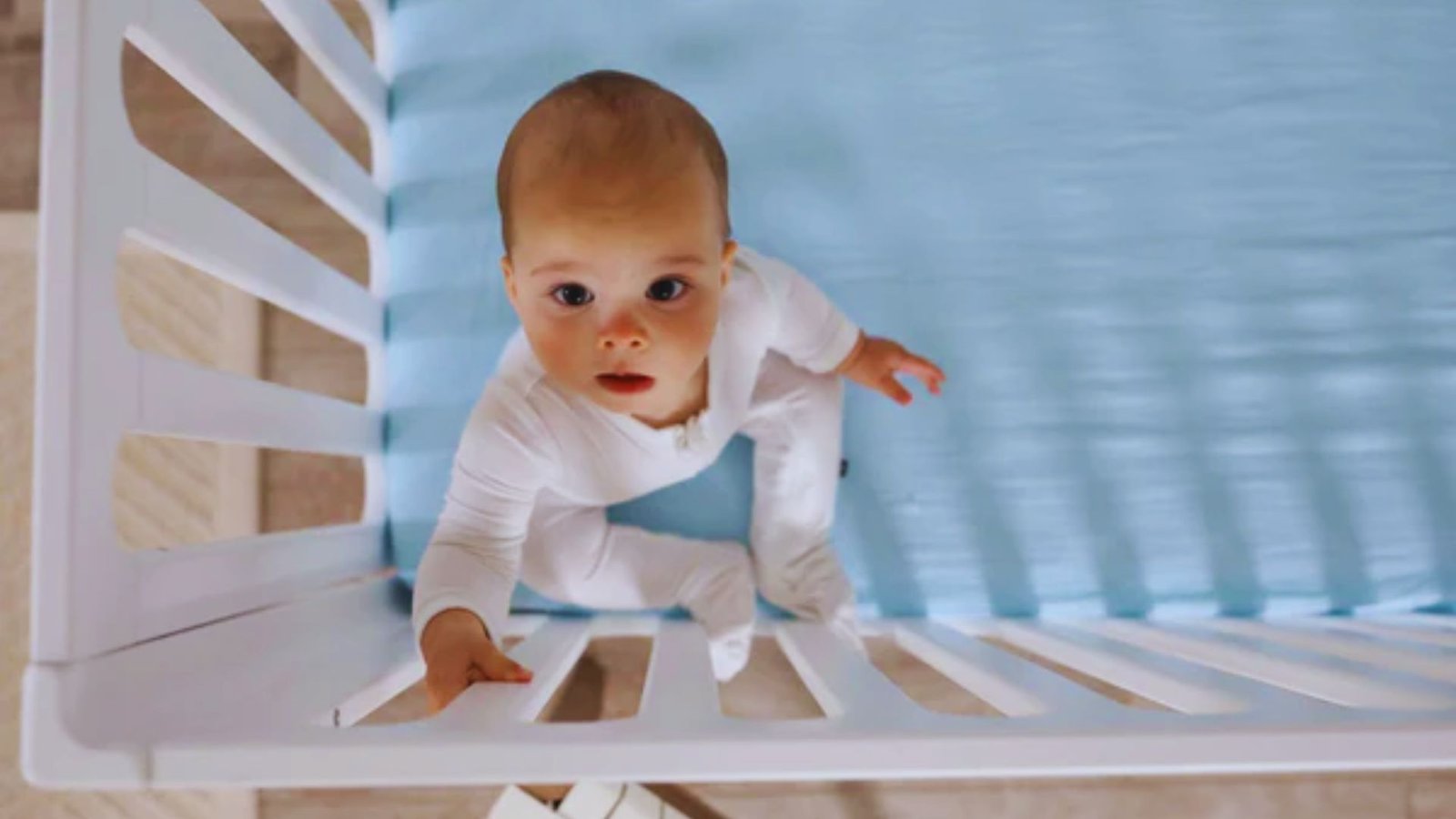
If your baby wakes up crying just 30 to 60 minutes after you put them down for the night, you’re dealing with false start baby sleep.
It’s frustrating, exhausting, and honestly, it can make you question everything about your bedtime routine.
I’ve been there, watching the monitor at 8:30 PM wondering what went wrong. The good news? False starts are common and fixable.
In this post, I’ll explain what causes them, how to spot the difference between false starts and regular wake-ups, and what you can do to help your baby sleep through that first cycle.
You can trust this advice because it’s based on real experiences and proven methods that have helped countless parents get through these tough nights.
Let’s get started.
Understanding the Basics of Baby Sleep Patterns

Before we get into false starts specifically, it helps to know how baby sleep works. Babies cycle through light and deep sleep every 45 to 60 minutes.
Adults do this too, but we’re better at linking those cycles together.
Babies often wake between cycles, especially early in the night. Their sleep is still developing, and they’re learning how to connect one cycle to the next without fully waking up.
What Is a False Start Baby Sleep?
A false start happens when your baby wakes shortly after bedtime, usually within the first sleep cycle.
A false start is when your baby wakes up within 30 to 60 minutes of being put down for the night.
Parents use this term to describe that early evening wake-up that feels different from middle-of-the-night wakings.
Your baby might cry out, sit up, or fully wake and need help getting back to sleep. It typically happens during the first sleep cycle. This is the chunk of sleep right after bedtime.
False starts are different from normal night wakings because of the timing. They happen so soon after you’ve just put your baby down. It can feel like bedtime didn’t “stick.”
False Start Baby Sleep vs Short Naps
False starts only happen at bedtime. They don’t occur during daytime naps. A 30 to 45 minute nap is normal for many babies, especially younger ones. That’s just how their nap cycles work.
But when the same thing happens at night, right after bedtime, it’s called a false start. The difference is the context.
Nighttime sleep is supposed to last longer. Your baby’s body expects a long stretch, so waking up that quickly signals something is off with the timing or routine.
How to Identify False Start Baby Sleep

Spotting a false start means watching for quick wake-ups, full alertness, and trouble going back to sleep.
Common Signs of a False Start
Your baby wakes soon after you’ve left the room. This usually happens within the first hour of bedtime. They might be fully awake, crying, or calling out for you.
Full alertness is a big clue. If your baby is wide awake and hard to settle, that’s different from a light stir or quick whimper.
False starts often mean your baby needs help to get back to sleep. They won’t just roll over and drift off on their own.
When False Starts Usually Occur
False starts happen in the early evening hours. This is typically between 7 PM and 9 PM, depending on your baby’s bedtime.
They occur during the first sleep cycle, which lasts about 45 to 60 minutes for most babies.
You might notice a pattern over several nights. If your baby consistently wakes at the same time after bedtime, you’re probably dealing with false starts.
Tracking this for three to five nights can help you confirm the pattern and figure out what’s causing it.
Why False Start Baby Sleep Happens

False starts stem from sleep pressure issues, overtiredness, sleep associations, discomfort, or hunger before bed.
Low Sleep Pressure Before Bed
Sleep pressure builds up the longer your baby is awake. When bedtime comes too soon after the last nap, your baby might not have enough sleep pressure built up yet.
Wake windows matter here. If the last wake window is too short, your baby isn’t tired enough for a long night’s sleep.
Too many naps or naps that are too long can lower nighttime sleep pressure.
Overtiredness at Bedtime
Being too tired can also cause false starts. An overtired baby has high levels of cortisol, a stress hormone. This makes it harder for them to settle into deep, restful sleep.
Signs include fussiness, rubbing eyes, yawning, and crying before bed. Overstimulation from bright lights, loud noises, or too much activity can wind your baby up instead of calming them down.
Undertiredness and Bedtime Treated Like a Nap
Sometimes the last nap ends too close to bedtime. If your baby wakes from their final nap at 5:30 PM and you put them down at 7 PM, their body treats bedtime like another nap.
Too much daytime sleep overall can cause this too. This is more common in older babies who are transitioning between nap schedules.
Sleep Associations and Falling Asleep With Help
If your baby falls asleep while being rocked, fed, or held, they associate those conditions with sleep. When they wake between sleep cycles, they notice those conditions are gone.
Your baby drifts off in your arms, you put them in the crib, and 45 minutes later they wake up confused about why things feel different.
Discomfort or Physical Factors
Teething, illness, reflux, or congestion can all disrupt that first sleep cycle. Room temperature and sleep environment matter too.
A room that’s too hot or too cold can cause early waking.
Separation and Developmental Factors
Babies have normal attachment needs. Some are more sensitive to caregiver absence than others.
When you leave the room, your baby might wake up looking for you during that first light sleep phase.
Developmental phases can increase false starts too. Growth spurts, learning new skills like rolling or crawling, and sleep regressions all affect sleep.
Hunger or Incomplete Bedtime Feeding
If your baby falls asleep before finishing their bedtime feeding, they might wake up hungry soon after. Babies sometimes wake to “top off” their feeding.
A full feeding before bed can prevent this type of false start.
Are False Starts Normal in Baby Sleep?
Yes, false starts are normal, especially in younger babies, and most children outgrow them over time.
False Start Baby Sleep by Age
Newborns have immature sleep patterns. Their sleep cycles are shorter, and they wake frequently.
False starts are very common in this age group because their circadian rhythms are still developing.
Infants are working on lengthening their sleep cycles and linking them together. As babies grow, their sleep matures.
Many babies outgrow false starts naturally as their nervous systems develop and they learn to self-soothe.
How Long False Start Phases Typically Last
False starts are usually temporary. They might last a few days, a few weeks, or coincide with a developmental phase. The key is consistency in your response and routine.
Perfection isn’t the goal. Some nights will be better than others. What matters is giving your baby’s body time to adjust and keeping bedtime routines predictable.
Most babies move past frequent false starts by 6 to 12 months old.
Conclusion
False start baby sleep is one of those things that feels impossible in the moment but gets easier with time and a few adjustments.
I remember sitting outside my daughter’s room at 8 PM, completely baffled about why bedtime kept failing.
Once I figured out her wake windows and cut back on that late afternoon nap, things clicked into place.
You’re not alone in this, and you’re doing great. Pay attention to patterns, trust your instincts, and give yourself grace on the rough nights.
Drop a comment below if you’ve dealt with false starts I’d love to hear what worked for you!
Frequently Asked Questions
Why does my baby wake up 30 minutes after bedtime?
Your baby might not have enough sleep pressure built up, or they could be overtired. Sleep associations and incomplete feedings are also common causes.
How do I stop false starts in baby sleep?
Adjust wake windows, make sure bedtime isn’t too early or too late, and help your baby learn to fall asleep without needing constant rocking or feeding. Consistency is key.
Are false starts a sign of a sleep regression?
They can be. Sleep regressions often come with false starts, especially around 4 months, 8 months, and 12 months when babies hit big developmental milestones.
How long do false starts usually last?
Most false start phases last a few days to a few weeks. If you stay consistent with routines and timing, they often resolve on their own.
Can teething cause false start baby sleep?
Yes. Teething pain can wake babies during that first light sleep cycle. If your baby is drooling, chewing on things, or seems uncomfortable, teething might be the culprit.