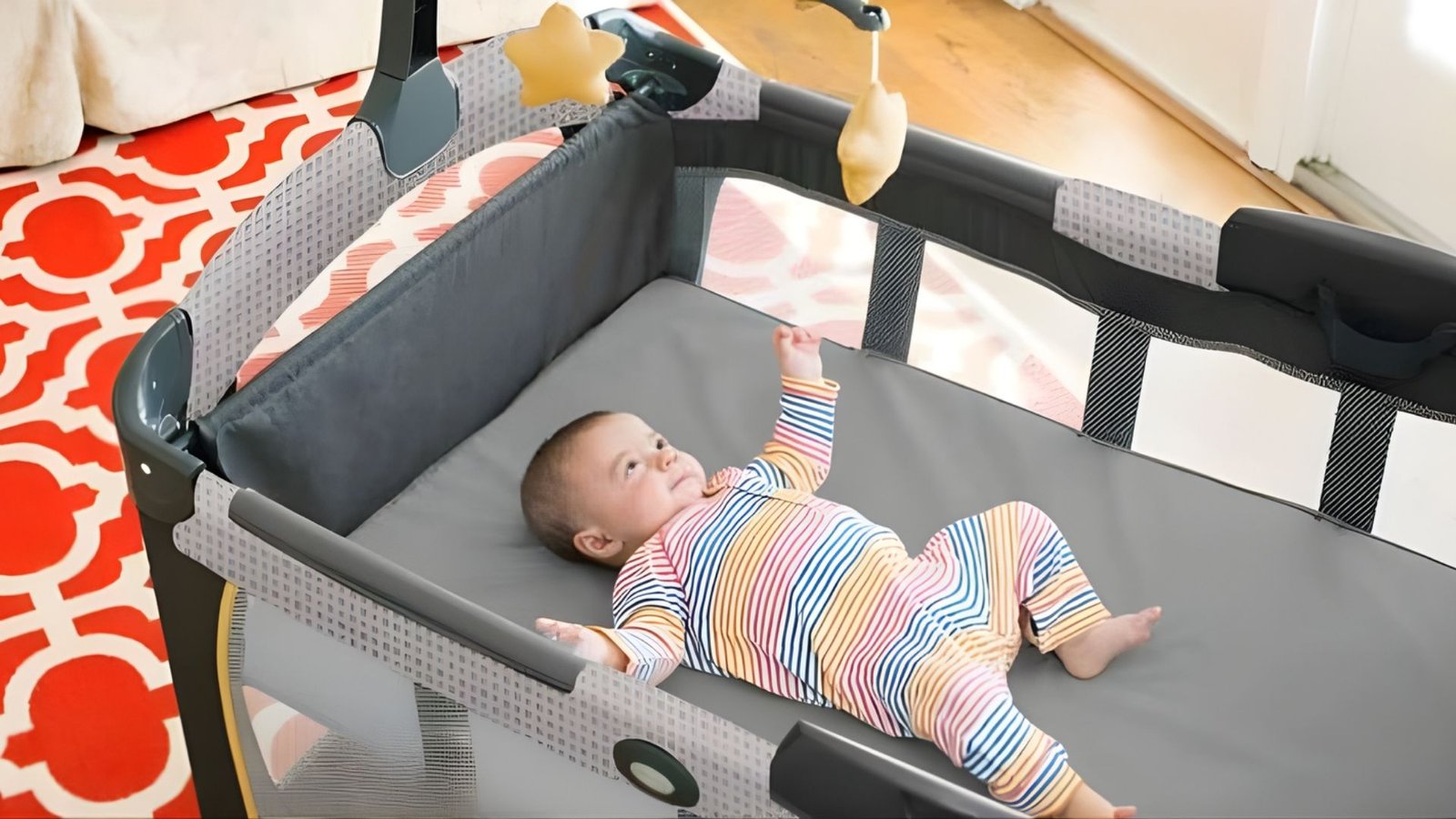
How long can a baby sleep in a pack and play without risking safety? I know this is a question many parents quietly worry about, and you’re not alone.
We’ve all been there: wanting a simple, safe sleep solution that truly works for you and your baby.
In this blog, I’ll walk you through what you really need to know, without confusion or fear. You’ll learn when a Pack ’n Play is safe, how long it can be used, and what signs matter most as your baby grows.
By the end, you’ll feel confident that your search led you to the right answers, let’s get started with the learnings.
What Is a Pack ’n Play?

A Pack ’n Play is a portable playard made for safe baby sleep and play. Parents often use it at home, while traveling, or as a crib alternative.
When used correctly, it meets established infant sleep safety standards.
It provides a firm, flat sleep surface with enclosed mesh sides, making it suitable for unsupervised sleep.
Pack ’n Play Safety Guidelines
To keep your baby safe, always follow the manufacturer’s instructions and few basic rules mentioned below:
- Place on a flat, stable surface
- Use only the original mattress
- Keep the sleep area empty
- Stop use if damaged or recalled
Pack ’n Play Weight & Height Limits
Pack ’n Plays have strict size limits. These limits matter more than age. Most models allow:
- Weight: 30–35 pounds
- Height: Up to 35 inches
- Bassinet level: Usually up to 15 pounds
Stop using the Pack ’n Play once your child exceeds the listed weight or height limits, or if they are able to climb out.
At this stage, the risk of falls and injury increases, and the Pack ’n Play is no longer a safe sleep option.
Is It Safe for a Baby to Sleep in a Pack and Play?
Yes, it is safe for a baby to sleep in a Pack and Play when it is used correctly. Many parents use it daily for naps, nighttime sleep, and travel without safety issues.
Pack and Plays are designed to meet infant sleep safety standards. The key is following the guidelines exactly as instructed.
When a Pack and Play Is Safe for Sleep
A Pack and Play is safe if all of the following are true:
- Your baby sleeps on their back
- The mattress is firm and flat
- Only the original mattress is used
- The sleep space is empty
- Your baby is within weight and height limits
When a Pack and Play Is NOT Safe
A Pack and Play becomes unsafe if it is used incorrectly. Avoid use if:
- An extra mattress or padding is added
- Blankets, pillows, or toys are inside
- The unit is damaged or recalled
- Your child has outgrown the size limits or can climb out
A Pack and Play can be a safe and reliable sleep option for babies.
Safety depends on proper setup, close attention to limits, and following the manufacturer’s instructions every time.
How Long Can a Baby Sleep in a Pack and Play?
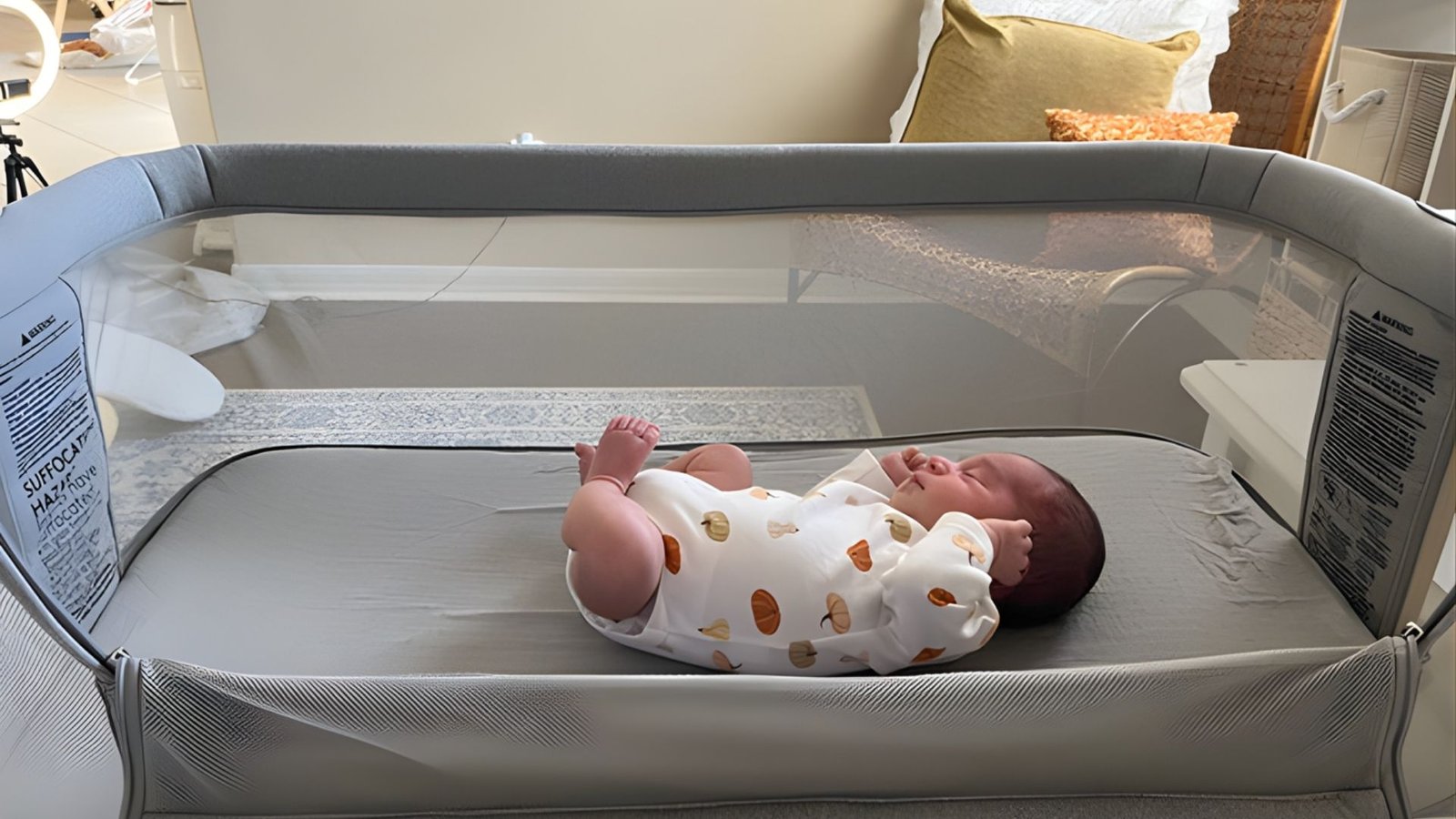
Most babies can use a Pack ‘n Play from birth until around age 3, though this varies based on size and development.
There are several factors that can affect the longevity of baby’s sleep in pack and play.
Weight capacity supports up to 30 pounds in the bassinet attachment and up to 35 pounds on the main level.
Height around 35 inches tall is when many children are close to climbing out.
Climbing ability defines if your toddler can pull themselves up and over the side, it’s time to move to a different sleep space regardless of age
Age-by-Age Safety Breakdown
A baby’s sleep safety changes as they grow and gain new skills.
Understanding what is safe at each stage helps parents know when a Pack and Play is still appropriate and when it’s time to stop.
Newborns (0–3 Months)
Newborns can sleep safely in a Pack and Play from birth. The sleep surface must be firm, flat, and free of any loose items.
If your Pack and Play includes a bassinet level, use it only until your baby reaches the stated weight limit or begins to roll.
Keep the Pack ‘n Play close to your bed for the first six months. Room-sharing reduces SIDS risk.
Infants (4–12 Months)
As babies grow and become more active, the mattress should be placed on the lowest level.
This helps prevent falls once rolling and pushing up begin.
At this stage, Pack and Plays are commonly used for both naps and overnight sleep.
Toddlers (1–3 Years)
Toddlers can continue sleeping in a Pack and Play as long as they remain within the height and weight limits and cannot climb out.
Once climbing starts or size limits are exceeded, the Pack and Play should no longer be used for sleep.
Can a Baby Sleep in a Pack and Play Every Night?
Yes, many babies safely sleep in a Pack and Play every night. It can be used as a full-time sleep space when set up the right way.
For overnight sleep to be safe, make sure:
- The mattress is firm and flat
- Only the original mattress is used
- The sleep area is empty
- Your baby is within height and weight limits
As babies grow, some parents switch to a crib for more space, but this is a comfort choice, not a safety requirement.
Pack and Play vs Crib: What to Choose
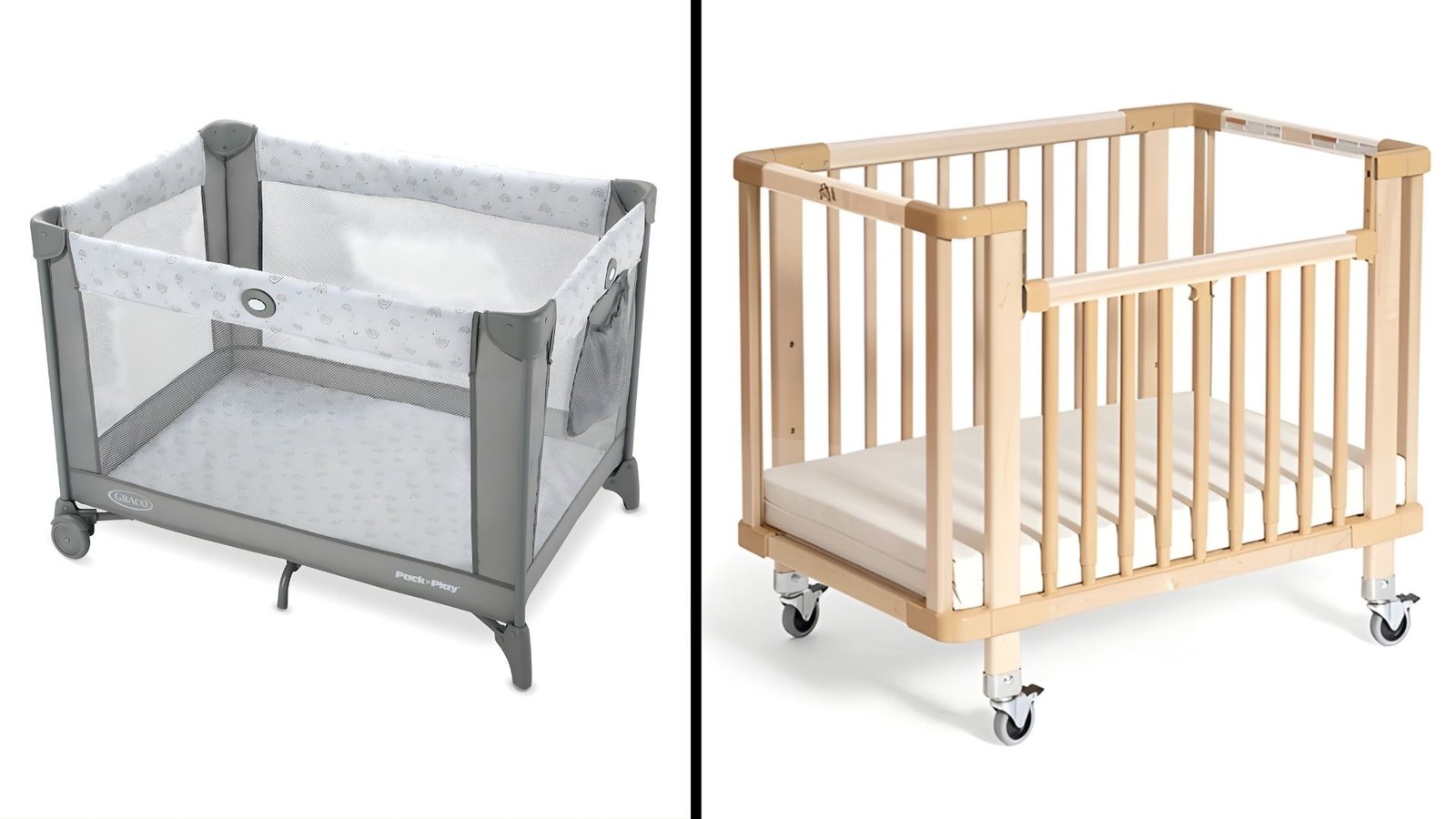
Choosing between a Pack and Play and a crib often depends on your space, lifestyle, and how long you plan to use it. Both options are safe for baby sleep when used correctly.
|
Feature |
Pack and Play |
Crib |
|
Safety standards |
Meets infant sleep safety standards |
Meets infant sleep safety standards |
|
Portability |
Easy to fold and move |
Stationary |
|
Space needed |
Takes up less space |
Requires more room |
|
Comfort |
Firm, smaller sleep surface |
More room for older babies |
|
Best use |
Travel, small spaces, temporary or full-time |
Long-term, everyday sleep |
Both Pack and Plays and cribs are safe choices. The best option is the one that fits your home, your baby’s needs, and how you plan to use it.
Common Pack and Play Sleep Safety Mistakes
Pack and Plays are safe when used properly, but certain mistakes can increase risk. Knowing what to avoid helps protect your baby during sleep.
- Extra mattresses or padding: These can create gaps and increase suffocation risk
- Loose bedding or toys: Blankets, pillows, and stuffed items should never be inside
- Ignoring size limits: Exceeding weight or height guidelines makes the unit unsafe
- Damaged or recalled units: Broken parts or recalls should stop use immediately
- Climbing ability: Once a child can climb out, the Pack and Play is no longer safe
Tips For Parents to Choose the Right Pack and Play
Choosing the right Pack and Play helps ensure your baby sleeps safely and comfortably. A few key checks can make the decision easier and more confident.
- Safety certification: Make sure the Pack and Play meets current safety standards
- Firm mattress: The sleep surface should feel firm and flat
- Sturdy frame: Check that the sides and base feel stable when set up
- Clear weight limits: Review both bassinet and main-level limits
- Ease of use: It should open, close, and lock securely without effort
- Portability: Consider size and weight if you plan to travel
- Simple design: Fewer attachments often mean fewer safety concerns
Taking time to review these points helps parents choose a Pack and Play that fits their baby’s needs and daily routine.
Final Thoughts
I know how important safe sleep is when you’re caring for a baby. Now you have a clear answer to how long can a baby sleep in a pack and play and what makes it safe.
When used correctly and within size limits, a Pack ’n Play can be a reliable sleep option for many families.
Trust what you’ve learned, watch your baby’s growth, and follow the guidelines to keep sleep time safe and simple.
Use this guide as a reference as your baby grows. Make choices that fit your home, your routine, and your child’s needs!
Frequently Asked Questions
Can a newborn sleep in a Pack and Play without a bassinet?
Yes. A newborn can sleep on the main level as long as the mattress is firm, flat, and the sleep space is empty.
Do Pack and Plays reduce the risk of SIDS?
A Pack and Play can support safe sleep practices when used correctly, but risk reduction depends on following back-sleeping and empty-sleep guidelines.
Can you move a sleeping baby from a crib to a Pack and Play?
Yes. Moving a sleeping baby is safe if the Pack and Play is already set up properly and meets all sleep safety rules.
Are Pack and Play mattresses interchangeable between brands?
No. Only the original mattress made for that specific Pack and Play should be used to avoid gaps and safety risks.