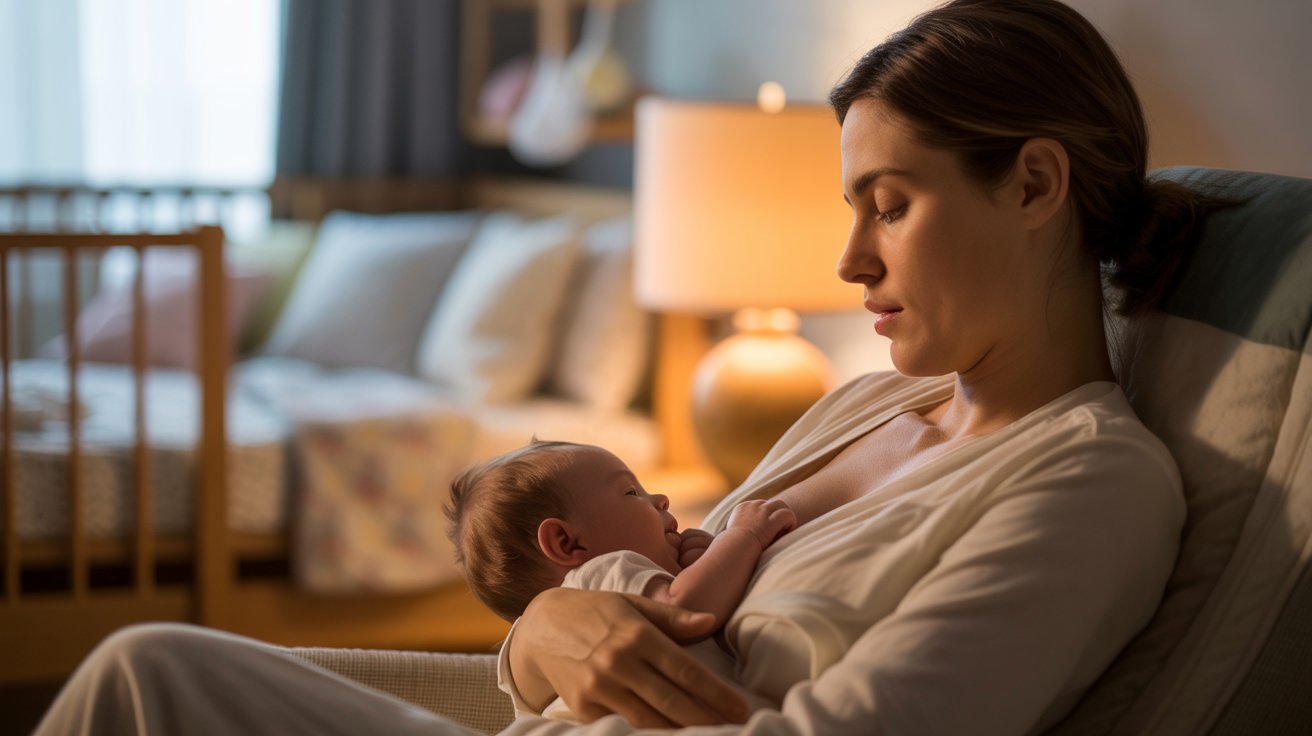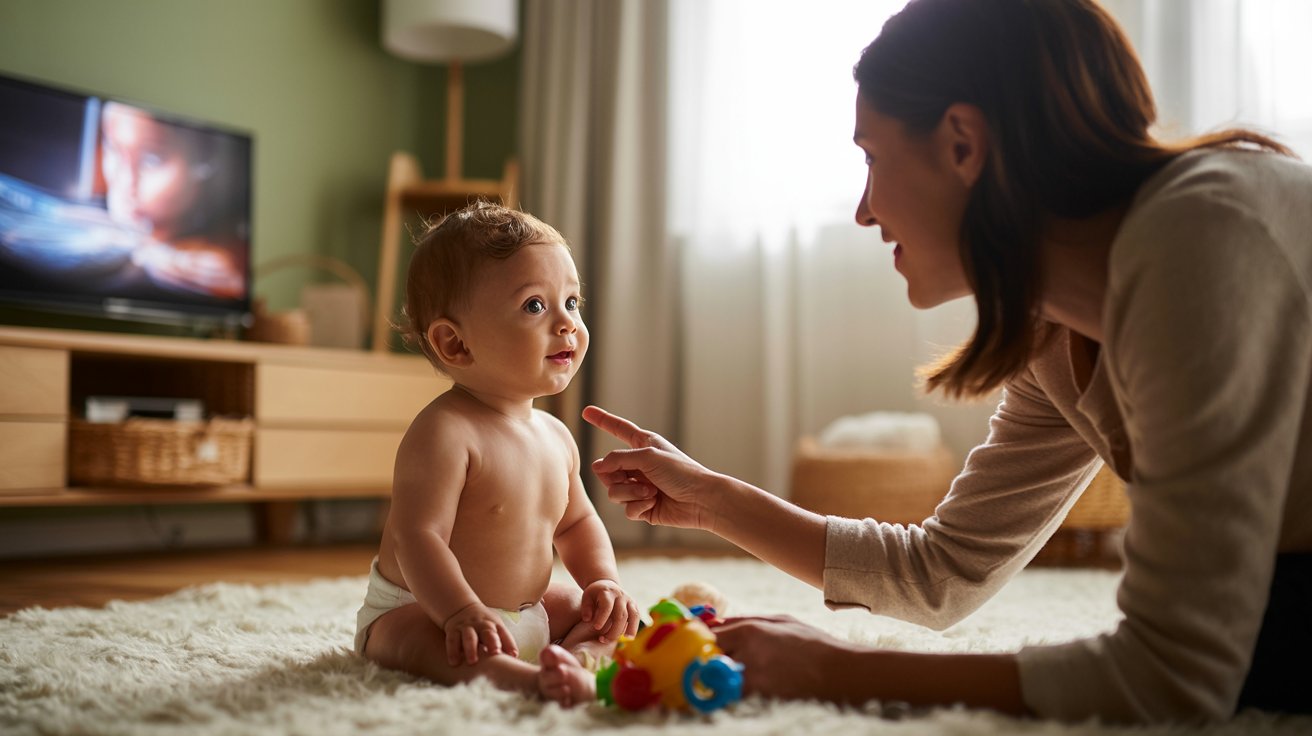

Noticing that your baby doesn’t make eye contact can feel scary. I’ve been there too, watching my own child and worrying about every little thing. You’re not alone in this.
Many parents panic when their little one looks away or seems distracted.
But here’s the truth: most of the time, it’s completely normal.
In this guide, I’ll walk you through exactly why babies avoid eye contact and when you should actually worry.
By the end, you’ll know exactly what’s normal and what needs attention.
Let’s figure this out together.
What Parents Need to Know About Baby Eye Contact
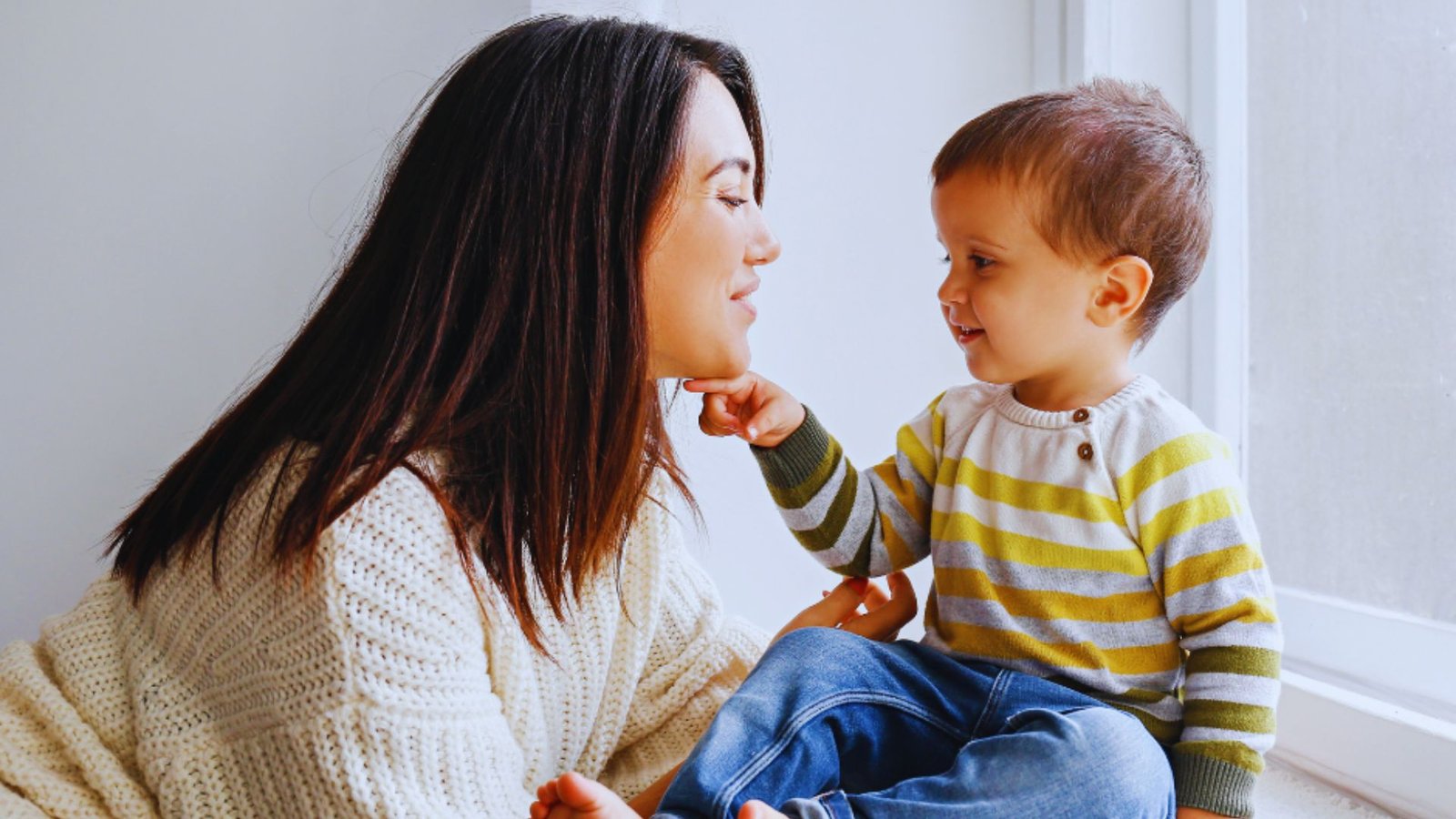
Eye contact is one of the first ways babies connect with the world around them. It’s how they learn to communicate before they can speak.
When your baby looks into your eyes, their brain is building important social and emotional skills.
In those early months, every glance helps them recognize faces and understand emotions. Eye contact strengthens the bond between you and your child.
It also plays a role in language development since babies watch your mouth and facial expressions while you talk.
But here’s the thing: not all babies develop these skills at the same pace. Some take a little longer to make regular eye contact, and that’s often completely normal.
Understanding Eye Contact in Babies
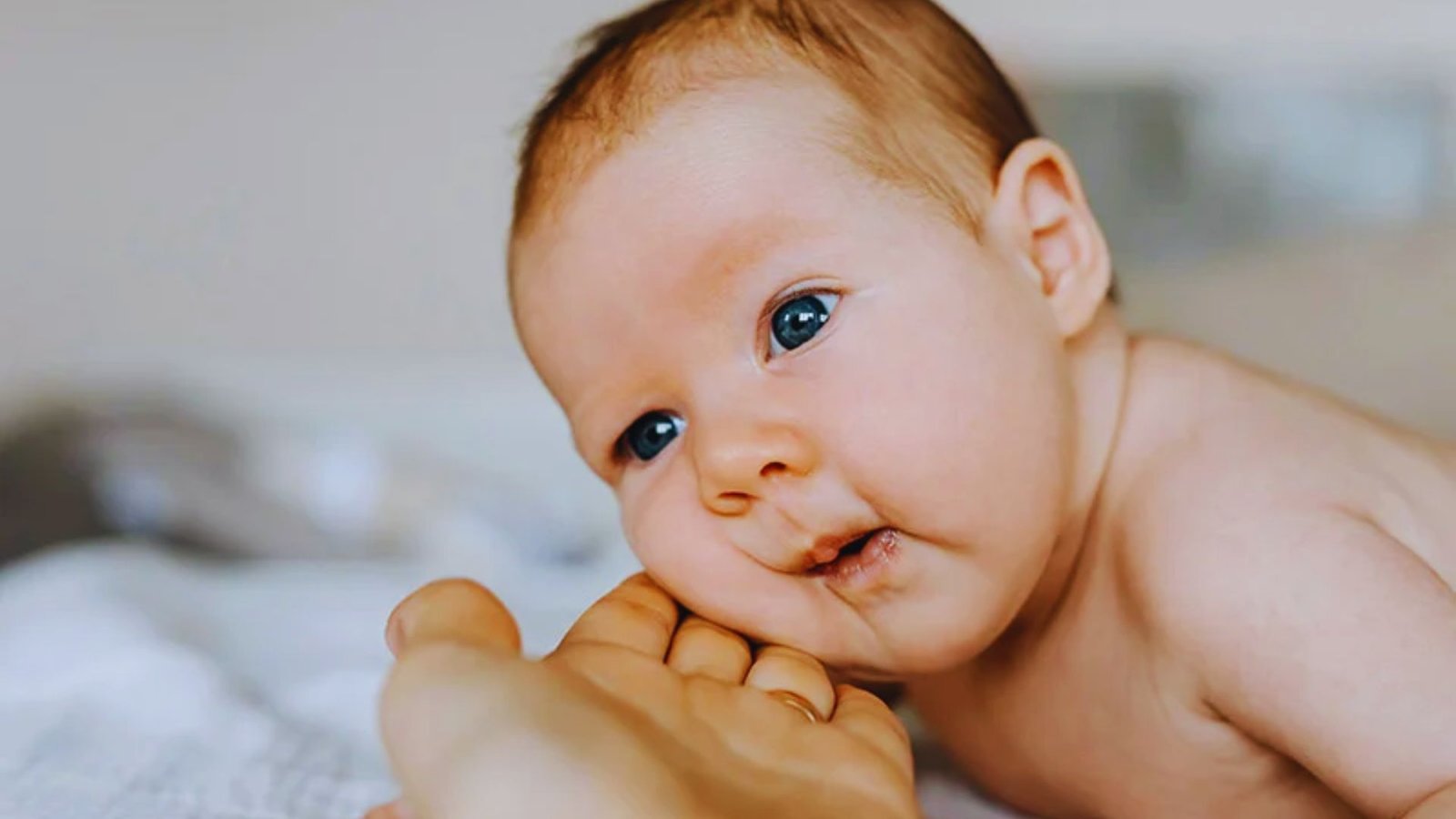
Babies learn to make eye contact gradually as their vision and social skills develop over several months.
The Role of Eye Contact in Early Development
Eye contact helps babies build relationships and learn about communication. When your baby looks at you, they’re practicing social interaction.
This simple act teaches them how to read emotions and respond to other people.
Your face becomes a source of comfort and information. Babies use eye contact to signal when they’re hungry, tired, or need attention. It’s their first conversation with you, even without words.
Normal Timeline for Eye Contact Milestones
Every baby develops differently, but there’s a general pattern most follow.
0 to 3 months: Newborns have limited vision at first. They can only see about 8 to 12 inches away. You might catch brief moments when their eyes meet yours, but these don’t last long.
3 to 6 months: Around this age, babies start holding your gaze for longer periods. They begin to recognize familiar faces and smile back at you. Your baby might lock eyes with you during feeding or playtime.
6 months and beyond: By half a year old, most babies use eye contact as a clear form of communication. They look at you to share their excitement about a toy or to ask for help.
Common Reasons Babies Avoid Eye Contact

Babies might look away for various reasons, and many of these causes are temporary or developmentally normal.
Developmental Differences and Individual Pace
Some babies are naturally slower to develop social skills. Just like walking or talking, the timeline for eye contact varies from child to child.
Temperament also matters; shy or cautious babies might take longer to warm up to direct eye contact.
Overstimulation or Sensory Overload
Babies have limited ability to filter out sensory information. Bright lights, loud noises, or too much activity can overwhelm them quickly.
When overstimulated, babies often look away to give themselves a break and self-regulate.
Teething or Physical Discomfort
Pain and discomfort make it hard for babies to focus on anything, including your face. Teething, ear infections, or tummy troubles can affect their behavior.
Once the pain passes, most babies return to their normal patterns of eye contact.
Vision or Neurological Concerns
Sometimes limited eye contact signals a vision problem or neurological condition. Crossed eyes, constant eye turning, or trouble tracking moving objects might indicate an issue.
If you suspect something’s off, trust your instincts and seek professional guidance.
Eye Contact and Early Autism Indicators

While limited eye contact alone doesn’t mean autism, it’s one of several signs doctors look for during assessments.
Red Flags to Watch For
Autism affects how babies interact socially from an early age.
Here are some patterns that might concern your pediatrician:
- Consistent lack of eye contact by 6 months
- No social smiles or cooing by 2 to 3 months
- Difficulty tracking objects visually by 3 to 4 months
Keep in mind that one sign alone isn’t enough for a diagnosis. Doctors look at the whole picture of your baby’s development.
Importance of Early Detection and Support
Catching developmental differences early gives your child the best chance for progress. If autism or another condition is identified, early intervention programs can start right away.
These programs help babies build the skills they need for communication and social interaction.
Therapy and support services work best when they begin during the first few years of life. Early detection also gives you time to understand your child’s needs and connect with resources.
When to Consult a Pediatrician

Knowing when to seek medical advice helps you address concerns before they become bigger problems.
Signs That Warrant Medical Evaluation
Trust your parental instincts. Here are specific signs that should prompt a call to your doctor:
- Your baby shows no interest in faces by 2 months
- They don’t track objects with their eyes by 3 to 4 months
- By 6 months, they still aren’t making any eye contact during interactions
- You notice your baby’s eyes turning in different directions
- Your baby loses skills they previously had
What Doctors Look For During Assessments
Your pediatrician will conduct a thorough evaluation of your baby’s development. They’ll observe how your baby responds to faces and voices during the appointment.
The doctor will also check your baby’s vision and hearing, since problems in these areas affect eye contact.
Be ready to describe when you first noticed concerns and any patterns you’ve observed.
If needed, your pediatrician might refer you to specialists like a pediatric ophthalmologist or developmental pediatrician.
Tips to Encourage Eye Contact at Home
Simple daily interactions can help your baby become more comfortable with eye contact.
Getting Down to Your Baby’s Eye Level
- Position your face where your baby can easily see you
- Sit or lie down at the same height as your baby
- Place yourself directly in front during tummy time
- Make it easier for them to look without straining their neck
Talking and Singing Gently
- Speak in a warm, animated tone that shows your emotions
- Sing simple songs while making eye contact
- Use nursery rhymes and lullabies for face-to-face connection
- Let your voice attract their attention naturally
Using Bright Toys and Visual Stimuli
- Hold colorful objects near your face to catch their attention
- Move toys slowly toward your eyes so they follow and look at you
- Use high-contrast patterns for younger babies
- Help them connect the toy with your face
Smiling and Celebrating Small Milestones
- Smile big and respond enthusiastically when they look at you
- Celebrate brief glances just as much as longer gazes
- Use positive reinforcement to make eye contact rewarding
- Avoid forcing eye contact or showing frustration when they look away
Supporting Your Baby Through Their Development
Building a supportive environment helps your baby grow at their own pace.
Patience and Positive Reinforcement
Development takes time, and comparing your baby to others often leads to unnecessary worry. Every child has their own timeline for reaching milestones.
Focus on small improvements rather than expecting big changes overnight.
Connecting with Other Parents for Advice and Support
Talking to other parents reminds you that you’re not alone in your concerns. Many families face similar questions about their baby’s development.
Parent groups, both online and in person, offer a place to share experiences and get practical advice.
Conclusion
I spent countless nights worrying about my baby’s eye contact, refreshing articles at 2 AM for reassurance.
Looking back, I wish I’d trusted the process more. Most babies catch up without problems, give your little one time while staying alert to real concerns.
Remember, limited eye contact usually just means your baby is developing at their own pace. Support them through simple daily interactions and celebrate small wins.
What’s been your experience? Drop a comment below and share this with another worried parent who needs to hear it.
Frequently Asked Questions
At what age should my baby start making consistent eye contact?
Most babies begin making regular eye contact between 6 to 8 weeks old. By 3 months, they should be holding your gaze during interactions like feeding and playtime.
Can too much screen time affect my baby’s eye contact?
Yes, excessive screen exposure can interfere with social development in babies. Babies under 18 months should avoid screens except for video chatting with family members.
Is it normal for my baby to look away when overstimulated?
Absolutely. Looking away is a healthy coping mechanism when babies feel overwhelmed. Give them space to calm down before trying to engage again.
Should I force my baby to look at me?
No, forcing eye contact can make babies more resistant and anxious. Instead, create comfortable opportunities for natural eye contact through play and gentle interaction.
How long should I wait before seeing a doctor about eye contact concerns?
If your baby shows no interest in faces by 2 months or no eye contact by 6 months, schedule a pediatric appointment. Also consult a doctor if eye contact decreases or if you notice other developmental delays.