

What if the baby gets upper teeth first? If you’re seeing those top teeth poke through before the bottom ones, you might be worried.
I understand that concern every parent wants to know their baby is developing normally.
The good news is that this happens more often than you’d think, and it’s usually completely fine.
In this blog, I’ll explain normal teething patterns, why some babies get top teeth first, and when you should talk to a dentist.
I’ve been through this with my own kids, and I’m here to give you straightforward answers you can trust.
Let’s figure this out together.
What You Need to Know About Baby Teething Basics

Teething is different for every child. Some babies get their first tooth at four months, while others wait until after their first birthday.
The order matters less than you might think. What’s more important is that your baby is growing healthy teeth and gums.
Most kids will have all 20 baby teeth by age three, regardless of which ones came first.
Understanding this takes a lot of pressure off parents who are watching and waiting.
Understanding the Normal Teething Order

Learn the typical pattern most babies follow and why the bottom teeth usually show up first.
Typical Sequence of Baby Teeth Eruption
Most babies follow a fairly predictable pattern when teeth start coming in.
Here’s what usually happens:
- Bottom central incisors: typically appear between 6 and 10 months. These are the two front teeth on the lower jaw.
- Top central incisors: come next, usually around 8 to 12 months. These are the matching front teeth on the upper jaw.
- Top lateral incisors: pop up between 9 and 13 months. They sit right next to the central incisors.
- Bottom lateral incisors: follow at 10 to 16 months, filling in the lower front area.
- First molars: arrive between 13 and 19 months. These bigger teeth help with chewing.
- Canines: (the pointy teeth) show up around 16 to 22 months on both top and bottom.
- Second molars: are the last to come, appearing between 23 and 33 months.
Remember, these are just averages. Your baby might be a few months early or late on any of these.
Why Bottom Teeth Usually Appear First
There are solid reasons why most babies get their lower teeth before the upper ones.
- Jaw development plays a big role: The lower jaw typically develops faster than the upper jaw in infancy. This gives bottom teeth a head start.
- Tooth positioning matters too: The bottom front teeth sit in a spot that’s easier to break through the gums. They’re positioned at a slightly different angle than top teeth.
- Early feeding benefits explain part of it: Bottom teeth help babies manage solid foods more easily when they’re just starting. The lower jaw does most of the work during chewing motions.
Nature has a plan, even if it doesn’t always follow the exact same script for every baby.
Why Some Babies Get Upper Teeth First
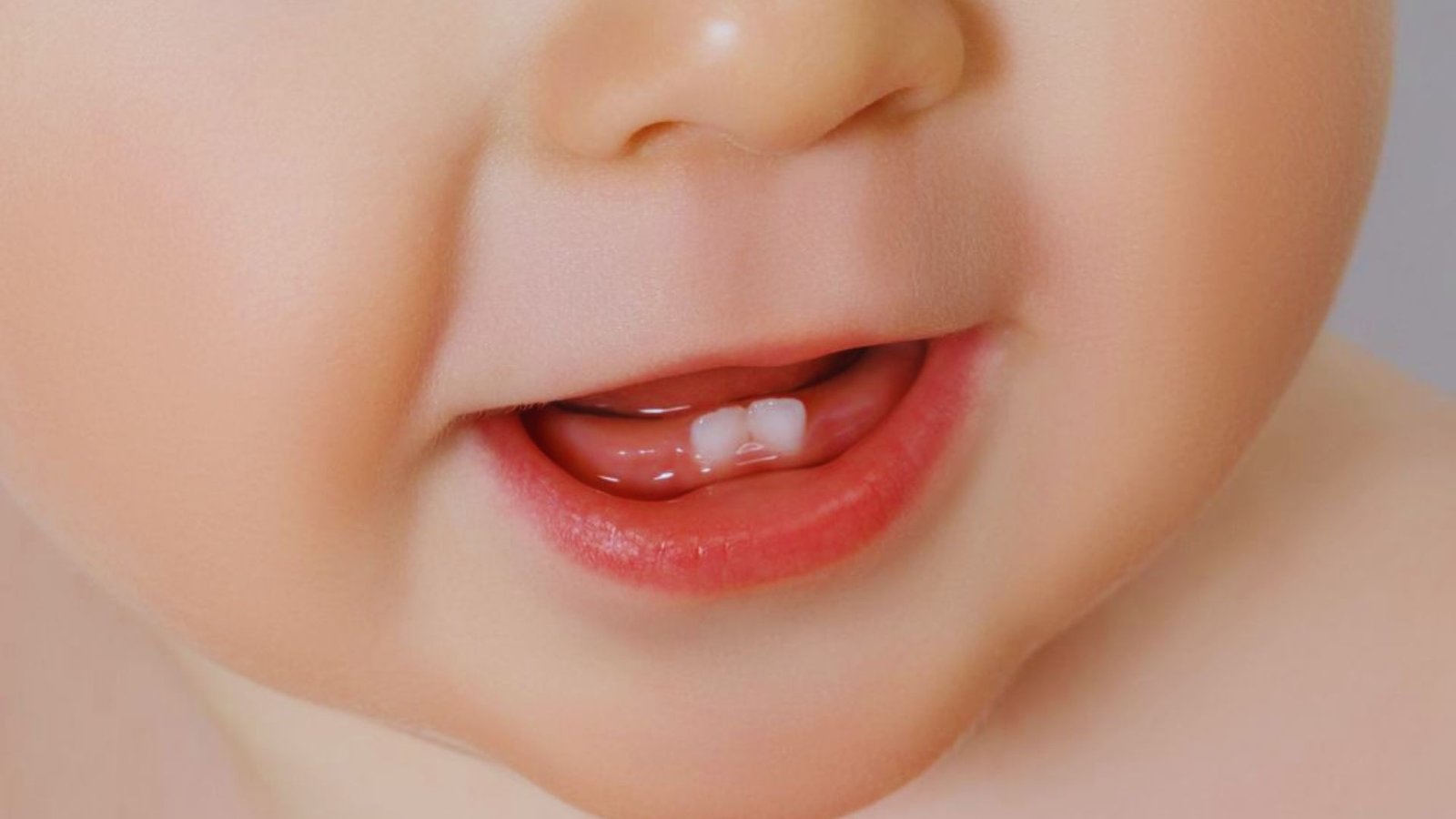
Genetics, growth patterns, and habits can all affect which teeth come in first.
Common Causes
Several factors can flip the usual teething order around.
Family dental patterns run strong: If you or your partner got upper teeth first, your baby might follow the same path. Genetics influence tooth development timing more than most parents realize.
Individual jaw growth varies from baby to baby: Some children have faster upper jaw development. Others have more space in the top gum line, making it easier for those teeth to push through.
Oral habits can shift things around: Thumb-sucking or heavy pacifier use can put pressure on certain areas of the mouth. This sometimes affects which teeth have an easier time breaking through.
Every baby develops on their own timeline: What works for one child doesn’t always apply to another. Your baby’s body has its own schedule, and that’s perfectly fine.
Is It Normal or a Cause for Concern?
Let me put your mind at ease right away.
Out-of-order eruption is usually harmless: Thousands of babies get their top teeth first every year. They go on to have completely healthy smiles.
Most children adjust naturally: By age three, almost all kids have a full set of 20 baby teeth. The order they arrive stops mattering once they’re all in place.
Keep an eye on a few things though: Watch for unusual spacing between teeth, any discoloration on the new teeth, or pain that lasts more than a few days. These issues deserve a call to your pediatric dentist, but they’re not directly caused by the order of eruption.
The bottom line? Different doesn’t mean wrong when it comes to teething.
Signs You Should Consult a Pediatric Dentist

Know when teething variations need professional attention and what warning signs to watch for.
Red Flags in Teething
Most teething quirks are normal, but a few situations warrant a dentist visit.
No teeth by 12 to 14 months: is worth checking out. While some late bloomers are fine, a dentist can rule out any underlying issues.
Long gaps between eruptions: can signal a problem. If six months pass between the first and second tooth, get it checked.
Discoloration or unusual shapes: aren’t typical. Teeth should come in white or slightly off-white. Brown spots, gray tones, or odd formations need evaluation.
Swelling, ongoing pain, or signs of infection: require immediate attention. A little fussiness is normal, but severe discomfort or fever isn’t.
Concerns about bite alignment: matter early on. If teeth seem crowded or the bite looks off, a dentist can assess whether intervention helps.
Trust your gut. You know your baby best, and it’s always okay to ask questions.
Caring for Your Baby’s Teeth Even Out of Order
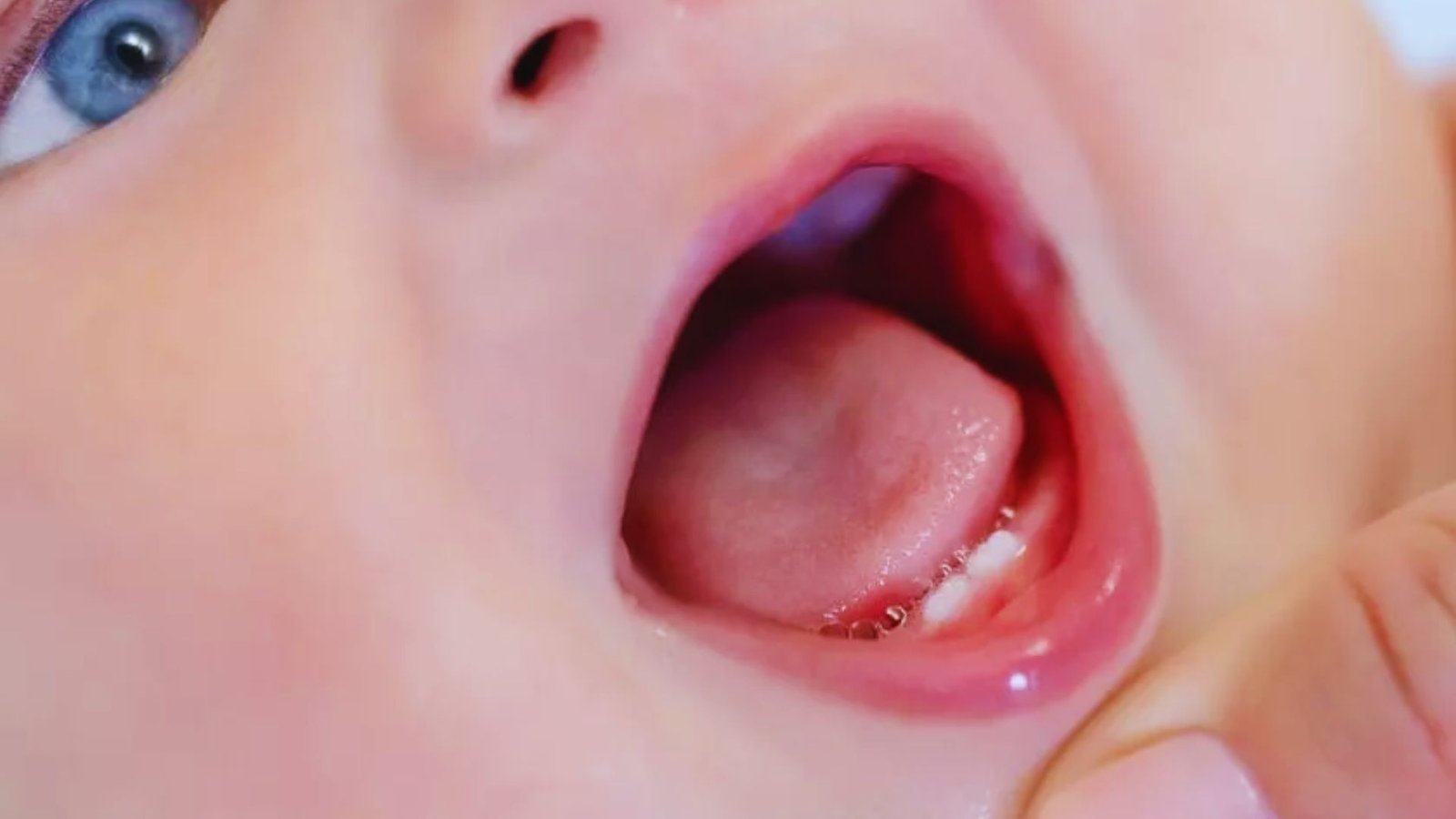
Start good oral hygiene habits early, no matter which teeth appear first.
Early Oral Hygiene Tips
Dental care starts before the first tooth even shows up.
Wiping gums matters more than you think: Use a clean, damp cloth to gently wipe your baby’s gums after feedings. This removes bacteria and gets your little one used to mouth cleaning.
Brushing twice daily becomes important after the first tooth: Use a soft-bristled baby toothbrush with a tiny smear of fluoride toothpaste (about the size of a grain of rice).
Flossing starts once teeth touch: As soon as two teeth sit next to each other, food can get stuck between them. Floss gently to keep those tight spaces clean.
These habits set the foundation for a lifetime of healthy teeth.
Preventing Tooth Decay
Baby teeth can get cavities, so prevention is key.
Avoid bottles at bedtime: Falling asleep with milk or juice coating the teeth creates the perfect environment for decay. If your baby needs comfort, try water instead.
Limit sugary foods and drinks: I know it’s tough, but sugar feeds the bacteria that cause cavities. Save sweet treats for special occasions.
Schedule the first dental visit by age one: This early appointment isn’t just about checking teeth. It’s about building comfort with the dentist and catching any issues early.
Good habits now mean fewer problems later.
Common Myths About Upper Teeth Eruption
Separate fact from fiction when it comes to teething order and what it means.
Myth vs. Fact
Let’s clear up the biggest misunderstanding about top teeth coming first.
Myth: Upper teeth first signals a problem: This old wives’ tale has worried parents for generations. Some cultures even associate it with bad luck or developmental delays.
Fact: Out-of-order eruption is common and usually harmless: Dental research shows that many healthy babies get their upper teeth before lower ones. It has zero connection to intelligence, health, or future dental problems. Your baby is doing just fine.
Don’t let outdated beliefs add stress to your parenting.
Science backs up what pediatric dentists see every day: teething order varies widely among normal, healthy babies.
Conclusion
Here’s the thing about what happens if a baby gets upper teeth first: it really doesn’t matter in the long run.
My youngest got her top teeth before the bottom ones, and I spent way too much time worrying about it.She’s seven now with a perfectly healthy smile.
Keep brushing those little teeth, stay on top of dental checkups, and trust that your baby is developing just fine. If something feels off, call your pediatric dentist that’s what they’re there for.
Have your own teething story or questions? Share them in the comments below. I’d love to hear how your baby’s doing!
Frequently Asked Questions
Is it bad if my baby gets upper teeth before lower teeth?
No, it’s not bad at all. Many babies get their top teeth first, and it doesn’t cause any health or dental problems. Every baby develops differently.
At what age should I worry if my baby has no teeth?
Most dentists recommend a check-up if your baby hasn’t gotten any teeth by 14 to 15 months. Some babies are just late bloomers, but it’s good to rule out other issues.
Can pacifiers cause upper teeth to come in first?
Pacifiers can affect tooth positioning over time, but they don’t typically change which teeth erupt first. Genetics and jaw development play bigger roles in teething order.
Do babies who get upper teeth first have more teething pain?
Not necessarily. Teething discomfort varies by child, not by which teeth come first. Some babies breeze through it, while others struggle regardless of tooth location.
Should I start brushing if only the upper teeth have appeared?
Yes, start brushing as soon as the first tooth appears, even if it’s on top. Use a soft brush and a tiny amount of fluoride toothpaste twice daily.