
Yes, a baby can be born with teeth. This happens to about 1 in 2,000 newborns. These early teeth are called natal teeth. I know this might worry you as a parent.
You’re probably wondering if it’s normal and what you should do about it. In this article, I’ll walk you through everything about natal teeth.
My goal is to give you clear, trustworthy information so you can make the best choices for your little one.
Understanding Natal Teeth

Natal teeth appear at birth and may look normal or develop differently from regular baby teeth. Parents often notice them during the first checkup.
Natal teeth are baby teeth present at birth, usually on the lower gums. Most are regular baby teeth that came in early. Neonatal teeth appear during the first month of life.
Both are rare and treated similarly. About 1 in every 2,000 to 3,000 babies has natal teeth. Most cases happen by chance.
Causes of Natal Teeth

Natal teeth develop due to genetics, health conditions, or environmental factors during pregnancy. Understanding the cause helps parents know what to expect.
Genetics play a big role in natal teeth. If parents or siblings had early teeth, the baby might too. This trait passes through families.
Certain syndromes can cause natal teeth including cleft lip and palate, Sotos syndrome, Ellis van Creveld syndrome, and Hallermann Streiff syndrome.
Outside factors like fever, infections, malnutrition, or chemical exposure during pregnancy may contribute to natal teeth.
Risk Factors and Who Is More Likely to Have Natal Teeth
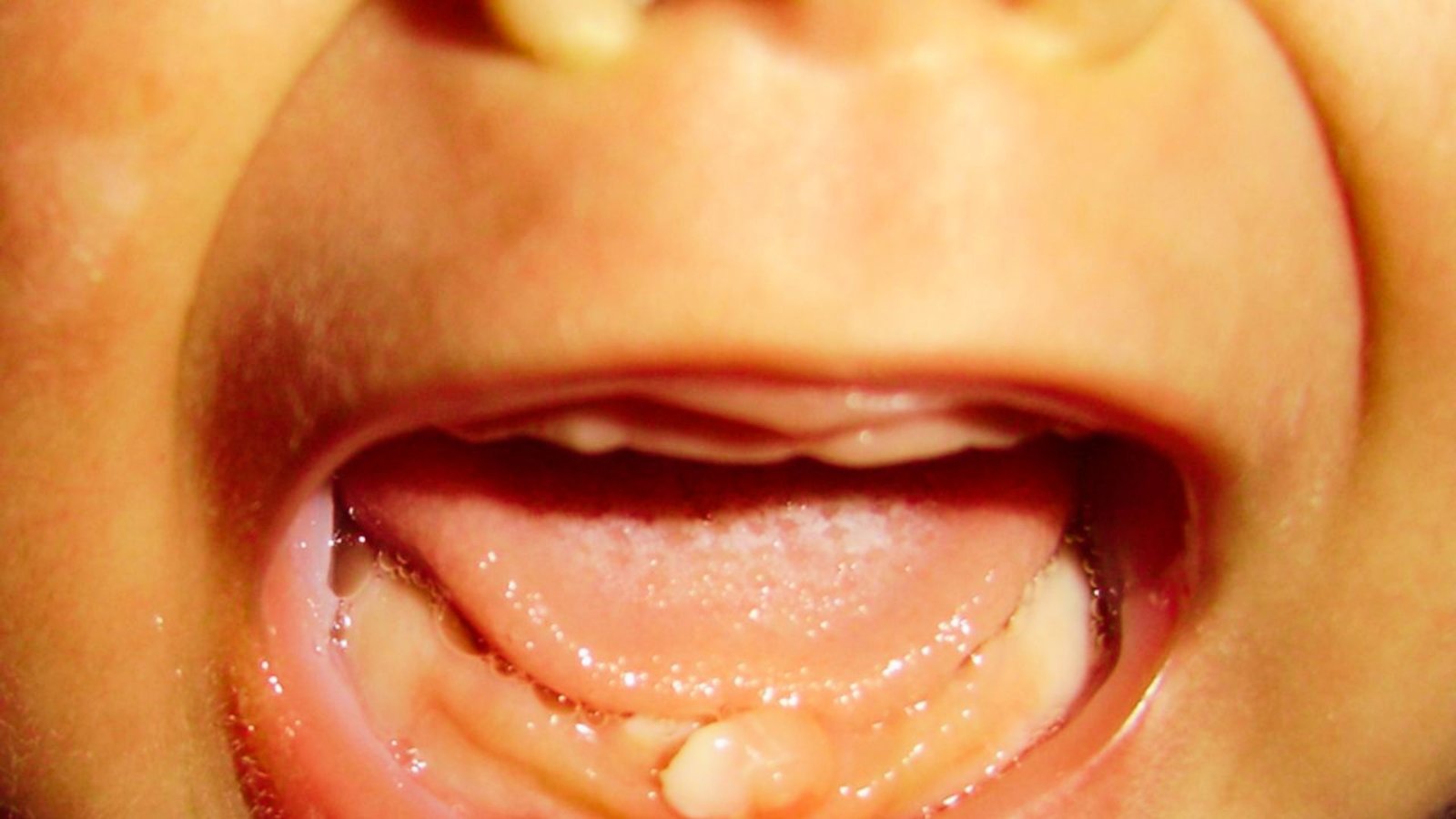
Some babies face higher chances of having natal teeth based on family history, health conditions, and other factors.
Babies with parents who had natal teeth face higher risk. This trait passes through families like hair or eye color.
Babies born with genetic syndromes like cleft palate have increased chances of natal teeth.
Female babies, premature babies, and first-born children show slightly higher rates of natal teeth.
Potential Complications of Natal Teeth
While natal teeth are usually harmless, they can create problems for babies and nursing mothers. Knowing the risks helps parents take action.
Natal teeth can make breastfeeding painful for mothers and hurt the baby’s tongue during feeding. This creates sores called Riga-Fede disease.
Ulcers form on the underside of the tongue and can become infected. Babies may refuse to eat because of pain. Loose natal teeth pose a choking hazard.
The teeth might have weak roots and fall out suddenly. A baby could swallow or inhale a loose tooth. Dentists remove very loose teeth to prevent accidents.
Natal teeth can affect how permanent teeth come in later. Extra teeth take up space and lead to crowding.
The baby’s bite alignment might develop incorrectly. Natal teeth may chip or break easily because they’re not fully formed.
Management and Care
Doctors and dentists work with parents to decide the best approach for natal teeth. Treatment depends on each baby’s specific situation.
Dentists remove very loose teeth to prevent choking risks. Teeth causing severe tongue ulcers or extra supernumerary teeth also need extraction.
The procedure is quick and safe for newborns. Stable natal teeth can stay in place. Dentists smooth sharp edges or use composite bonding to prevent injuries during feeding.
Parents should clean natal teeth daily with a soft, damp cloth. Check teeth regularly for looseness and watch for feeding discomfort.
When to Consult a Pediatric Dentist
Getting professional help early makes a big difference in managing natal teeth. Knowing when to call the dentist protects your baby’s health.
Call a pediatric dentist if you notice teeth at birth. Watch for feeding problems, tongue sores, or loose teeth.
Dentists take X-rays to determine if teeth are normal or extra. Extra teeth usually need removal to prevent crowding issues.
Key Takeaways for Parents
Parents need clear facts to handle natal teeth with confidence. Understanding helps reduce worry and guides smart decisions about care.
- Natal teeth affect about 1 in 2,000 babies and are usually not dangerous. Most cases involve normal baby teeth that simply came in early.
- Genetics and family history often explain why natal teeth appear. Loose teeth create choking risks and need immediate attention while stable teeth can stay.
- Feeding difficulties and tongue ulcers are common complications. Dentists offer several treatment options depending on each situation.
- Regular dental checkups help monitor tooth development over time. Good oral hygiene starts from birth and prevents infections.
- Parents should consult pediatric dentists for professional guidance. Most babies with natal teeth grow up with normal, healthy smiles.
Conclusion
Finding teeth on your newborn can feel startling at first. I remember how concerned I felt learning about natal teeth for the first time.
But here’s the truth: natal teeth are rare and usually harmless. Most babies do just fine with proper care and monitoring.
Keep up with dental checkups, practice gentle oral hygiene, and watch for any feeding issues. Your pediatric dentist will guide you through the best care plan for your little one.
Have you dealt with natal teeth in your family? Share your experience in the comments below. I’d love to hear your story and help other parents who might be going through the same thing.
Frequently Asked Questions
Can natal teeth cause problems with breastfeeding?
Yes, natal teeth can make breastfeeding uncomfortable for mothers. The teeth may also create sores on the baby’s tongue. Smoothing the teeth or using protective measures often helps with feeding.
Do natal teeth always need to be removed?
No, removal isn’t always necessary. Dentists remove natal teeth only if they’re very loose, cause injuries, or are extra teeth. Stable teeth with good roots can stay in place safely.
Are natal teeth a sign of a serious health condition?
Usually not. Most natal teeth appear randomly without any underlying condition. However, some genetic syndromes can include natal teeth as one symptom. Your doctor will screen for other signs if needed.
Will natal teeth affect my baby’s permanent teeth later?
It depends on the situation. If natal teeth are part of the normal set, they won’t affect permanent teeth. Extra supernumerary teeth might cause crowding if not removed. Regular dental visits help prevent future problems.
How do I clean my baby’s natal teeth?
Use a soft, damp cloth to gently wipe the teeth and gums daily. Avoid toothpaste until your dentist recommends it. Clean after feedings to prevent bacteria buildup and keep the mouth healthy.