
I remember being pregnant and wondering when my baby developed their own fingerprints. It fascinated me.
If you’re curious about when a baby gets fingerprints, you’re in the right place. I’ll walk you through the exact timeline of fingerprint formation in the womb.
Let’s get started!
What Are Fingerprints and Why Are They Different?

Fingerprints are patterns on fingertips that form before birth and stay the same throughout life. Fingerprints are raised ridges on your fingertips that nobody else has.
When I first held my newborn, those little ridges were already formed months before birth. Every person has different fingerprints.
Even identical twins don’t share the same patterns.
There are three main types: loops, whorls, and arches. Your genes and womb environment both create your one-of-a-kind prints.
When Does a Baby Get Fingerprints?
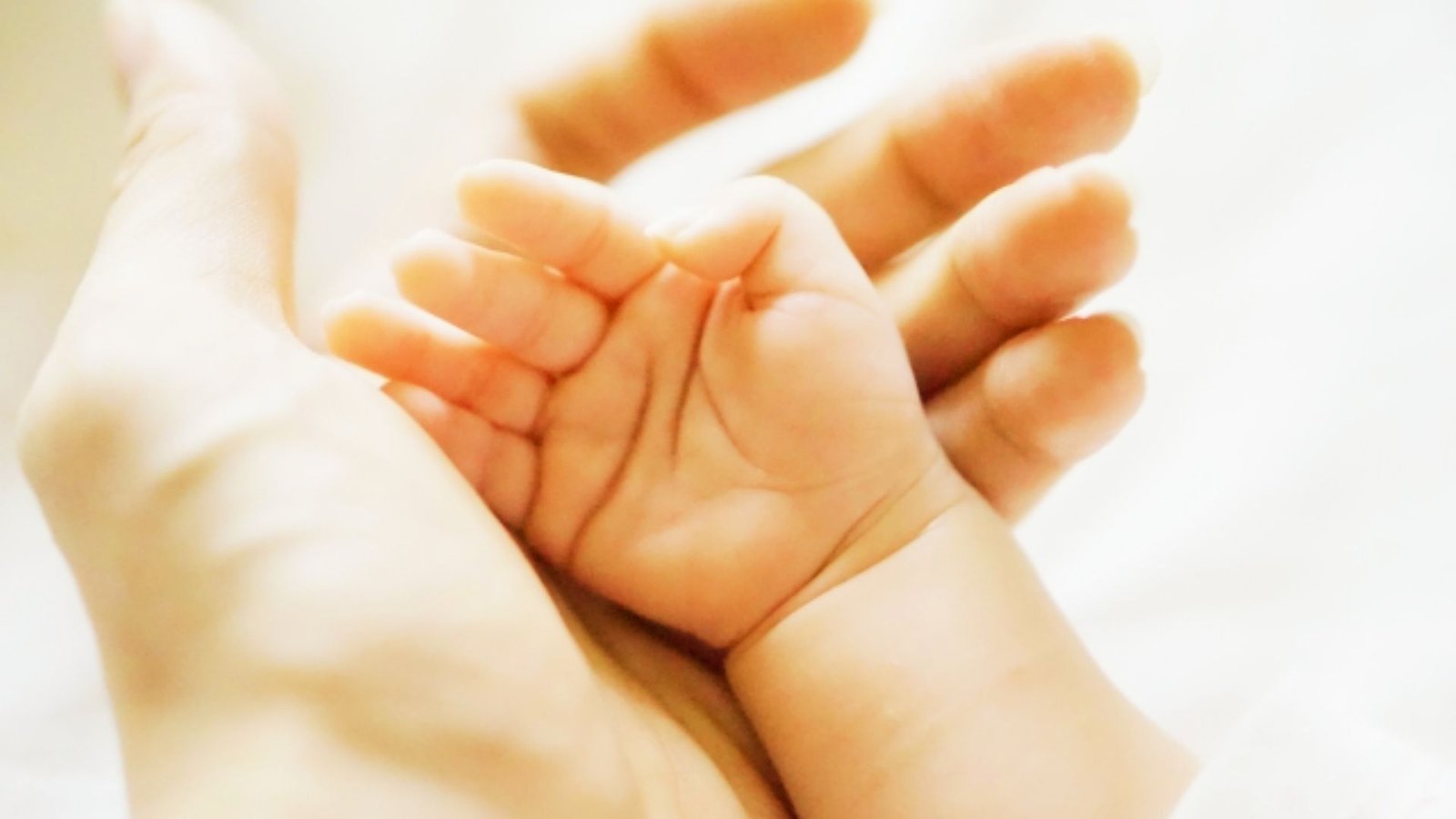
Fingerprints start forming around week 10 and become permanent by week 19 of pregnancy. This was the question that started my research.
I wanted to know exactly when my baby’s fingerprints appeared. Your baby’s skin starts developing around week 10. Volar pads appear on the fingertips to shape the fingerprints.
Between weeks 13 and 16, ridges start to form. Your baby’s movements and amniotic fluid help shape the patterns.
By week 17, the patterns are set for life. Around weeks 21 to 23, the fingerprints become clearly visible.
How Do Fingerprints Form in the Womb?
Fingerprints form through a mix of genetics, skin layer development, and physical forces in the womb.
The epidermis and dermis grow at different rates, creating tension that forms ridge patterns. The dermis anchors these patterns permanently.
Amniotic fluid and your baby’s movements shape the ridges. Volar pads that appear around week 10 guide the formation and determine the pattern type.
Fingerprints vs Footprints: Do They Develop at the Same Time?
Fingerprints and footprints form around the same time but with slightly different timelines. I was curious if my baby’s footprints developed the same way.
| Aspect | Fingerprints | Footprints |
| Development starts | Week 10 | Weeks 12-13 |
| Ridge formation | Weeks 13-16 | Weeks 14-17 |
| Become permanent | Week 19 | Weeks 19-21 |
| Fully developed | Week 23 | Week 24 |
| Pattern complexity | More complex patterns | Simpler patterns |
| Movement influence | More finger movement | Less toe movement |
Both prints form the same way through skin layer buckling. The main difference is timing fingers develop faster than toes. Footprints have simpler patterns because toes are smaller and move less.
Hospitals often take footprints of newborns for identification since they’re easier to capture. Both sets of prints stay with you forever and never change.
Factors That Influence a Baby’s Fingerprint Patterns
Several physical factors in the womb affect fingerprint patterns. This helped me understand why each baby’s prints are different.
- Your baby’s position in the womb affects fingerprint formation. If fingers press against the uterine wall, it changes the ridge patterns.
- Amniotic fluid creates pressure around your baby’s body. More fluid means more pressure on developing fingers.
- Active babies may have more complex fingerprint patterns. Every movement shapes the developing ridges.
- Your baby’s growth rate plays a role. Fast-growing fingers may form different patterns than slow growing ones.
- Nutrition and blood flow influence how fingerprints develop. Healthy fetal development leads to normal fingerprint formation.
Common Myths About Baby Fingerprints
Many people believe incorrect information about how fingerprints form and whether they can change. I heard several myths when I was pregnant. Let me clear them up.
Fingerprints are not fully genetic. Genetics influence the pattern type, but specific details form from physical factors in the womb.
Identical twins don’t have the same fingerprints. They develop in different positions with different pressures, creating different prints.
Fingerprints don’t change after birth. They grow larger but the pattern stays the same for life.
Timeline Summary: When Does a Baby Get Fingerprints?
Here’s a week by week breakdown of fingerprint development from conception to birth timeline:
Week 10: Skin layers begin forming. Volar pads appear on fingertips.
Week 11-12: The epidermis and dermis develop separately. Fingers are fully formed.
Week 13: Ridge formation begins. The basal layer starts buckling.
Week 14-16: Active ridge formation continues. Patterns start to take shape.
Week 17: Volar pads regress. Ridge patterns are set in the dermis.
Week 19: Fingerprints are permanent. The pattern will never change.
Week 21-23: Ridges become clearly defined. Prints are now visible and complete.
Week 24: All fingerprints and footprints are fully developed.
By week 19, your baby’s fingerprints are set for life. The next few weeks just make them clearer. When your baby is born, those tiny prints will last their entire life.
When to Talk to Your Doctor About Fetal Development
Most fingerprint development happens naturally, but certain concerns warrant discussion with your healthcare provider. I always asked my doctor questions when something worried me.
That’s completely normal.Fingerprints form naturally during fetal development. You don’t need special tests.
Talk to your doctor if you have concerns about skin conditions or genetic factors. Mention any relevant family history.
Trust your instincts. If something worries you, ask your healthcare provider. Regular prenatal checkups monitor your baby’s growth naturally.
Conclusion
Those tiny ridges that form around week 10 will be with your baby forever. I still look at my daughter’s fingerprints and think about how they formed before I even felt her kick.
When does a baby get fingerprints? Now you know it happens much earlier than most people think. Each print tells the story of your baby’s time in the womb.
Did this article answer your questions? Drop a comment below or share it with other curious parents.
Frequently Asked Questions
When exactly do babies develop fingerprints?
Babies start developing fingerprints around week 10 of pregnancy. The ridges form between weeks 13-16 and become permanent by week 19.
Can you see a baby’s fingerprints on an ultrasound?
No, ultrasounds don’t show fingerprint details. The ridges are too small. Fingerprints become visible only after birth or through specialized imaging.
Do premature babies have fingerprints?
Yes, fingerprints are fully formed by week 23. Even babies born very early have complete fingerprints. They may be harder to capture due to tiny fingers.
Will my baby have fingerprints like mine?
Your baby may inherit similar pattern types, but the exact prints will be different. Genes influence general patterns, but each person’s prints are one of a kind.
Can fingerprints tell us anything about my baby’s health?
Normal fingerprint development usually indicates healthy skin formation. Abnormal patterns can sometimes signal genetic conditions, but most babies have typical prints that show normal development.