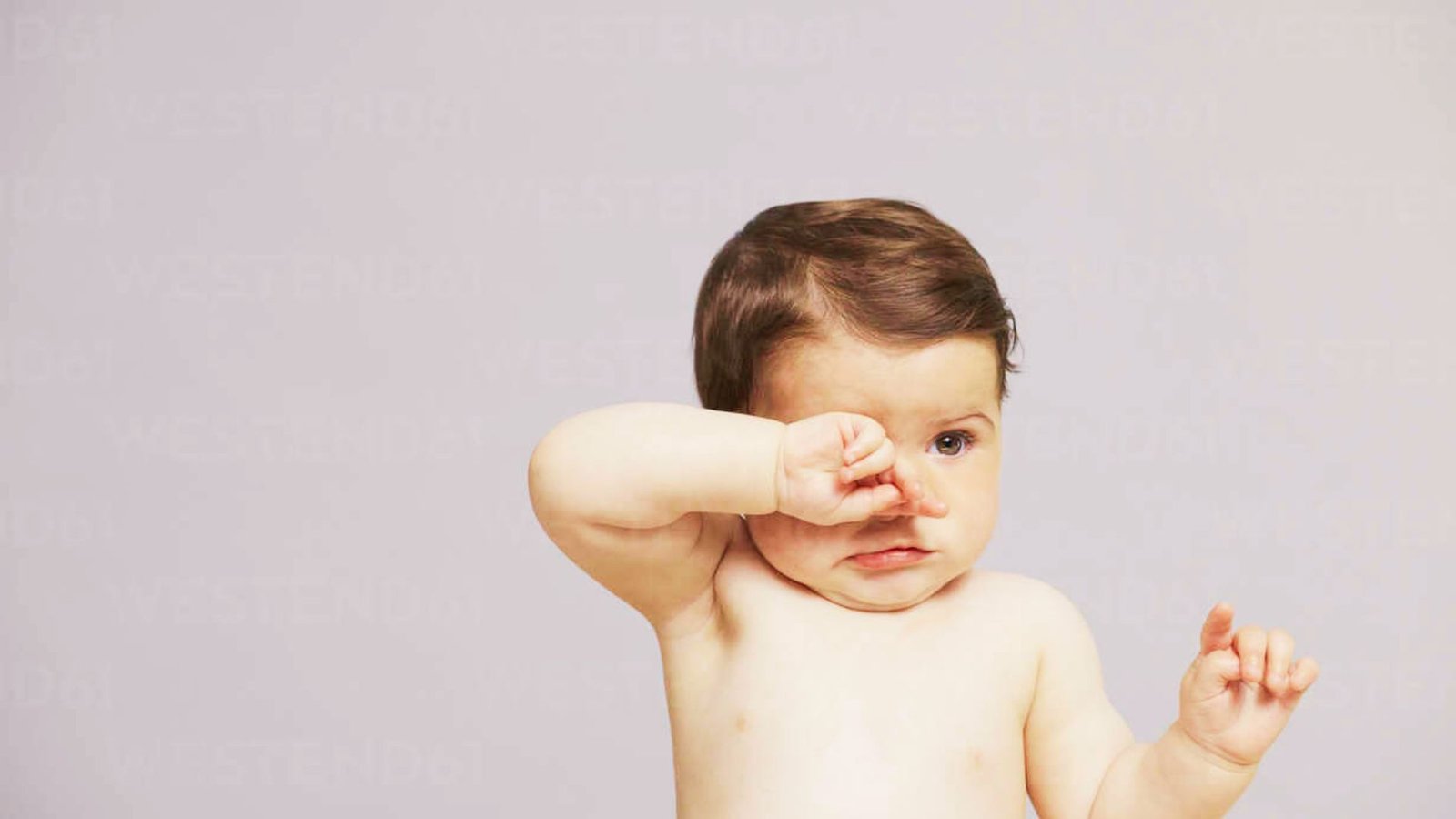
Seeing your baby rub their eyes can feel confusing. Is it normal? Should you worry? I’ve been there too, watching my little one’s tiny hands reach for their face.
In this article, I’ll walk you through why babies rub their eyes, when it’s harmless, and when you need to call the doctor.
Let’s figure this out together and give you the confidence to respond when your baby’s hands go straight to those eyes.
Is It Normal for Babies to Rub Their Eyes?
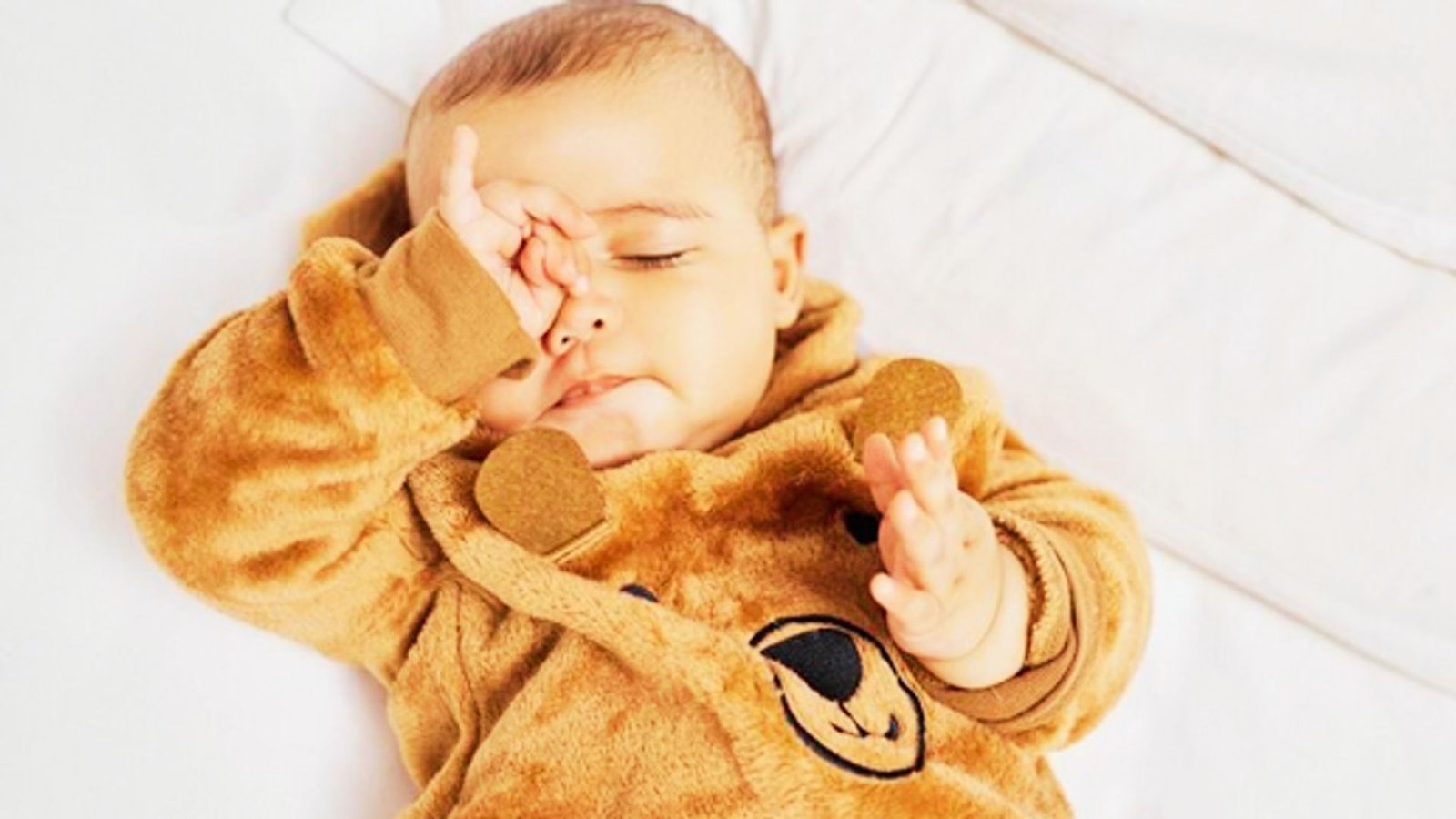
Yes, eye rubbing is normal for most babies. It’s a natural behavior that shows up early in development. Babies rub their eyes as they learn about their bodies.
Around 2-3 months, they start bringing their hands to their faces more often. Eye rubbing is also a self-soothing method.
When babies feel tired, touching their face helps them calm down. If your baby seems happy and healthy, occasional eye rubbing is just part of growing up.
7 Common Reasons Your Baby Is Rubbing Their Eyes
Babies rub their eyes for several reasons, ranging from simple tiredness to minor irritations that need attention.
1. Tiredness or Sleepiness
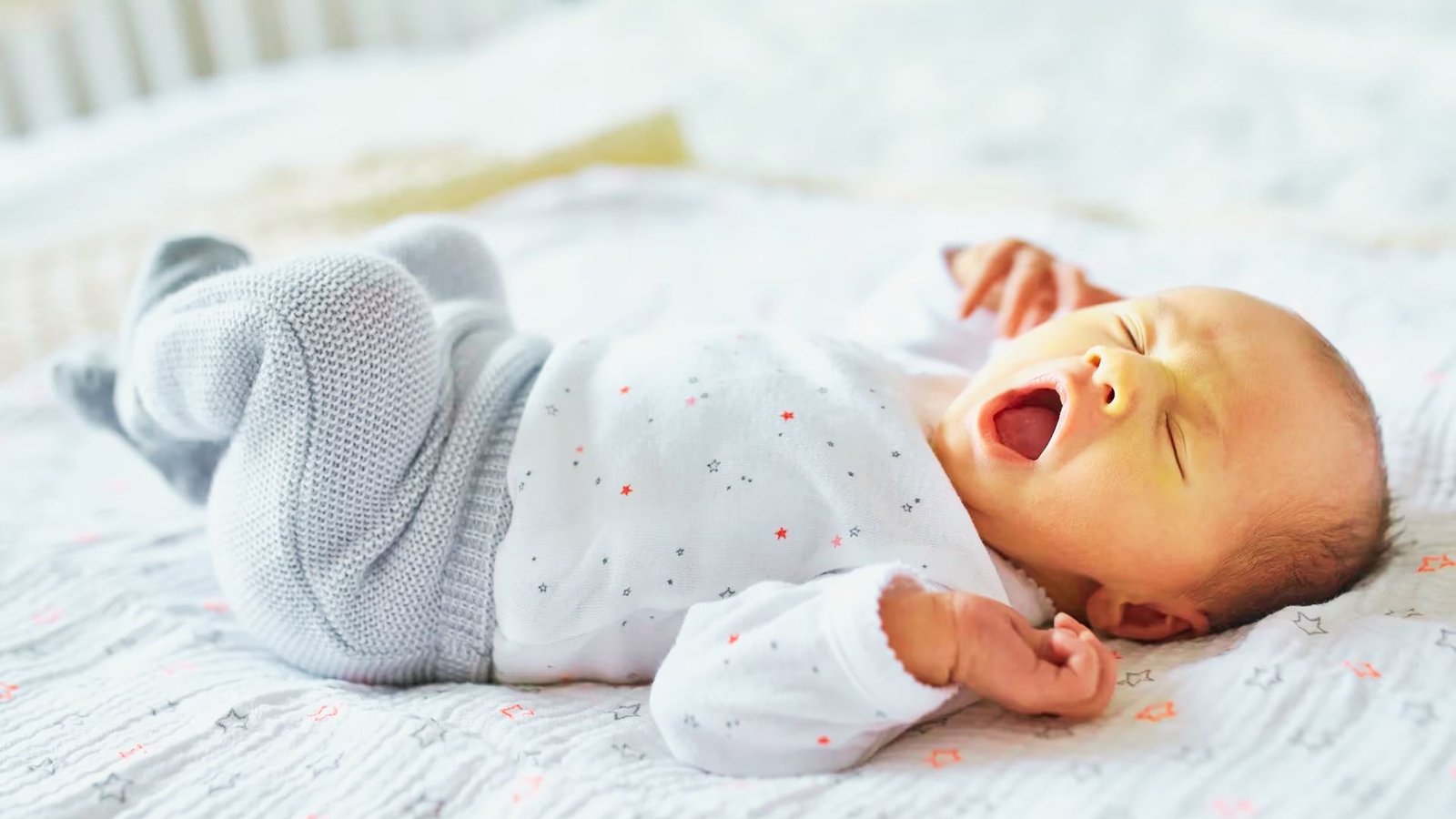
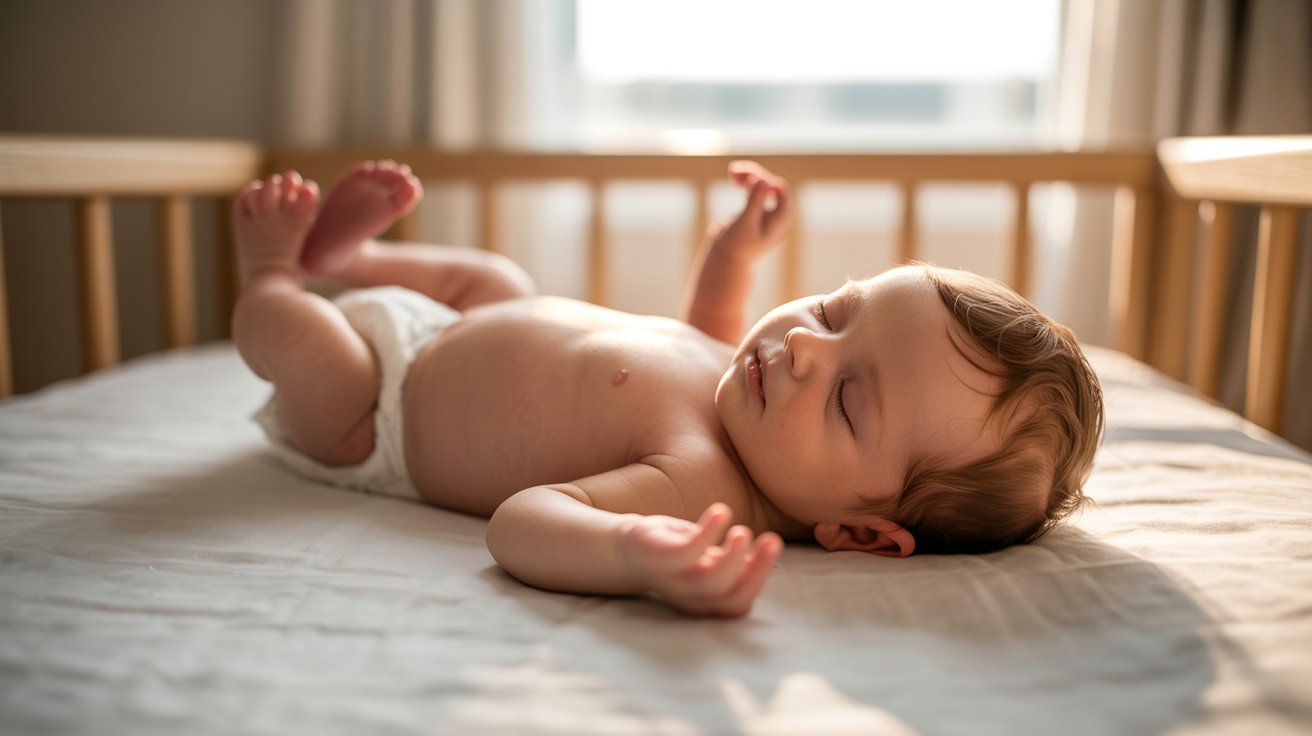
This is the most common reason. When babies get tired, their eyes feel heavy and uncomfortable. Rubbing helps them cope with that drowsy feeling.
It’s often the first sleep cue parents notice. Watch for these signs alongside eye rubbing. Yawning, decreased activity, fussiness, staring blankly, or pulling at ears.
If you catch these cues early, you can put your baby down before they become overtired. Missing the window can make settling harder.
2. Normal Development & Motor Skills
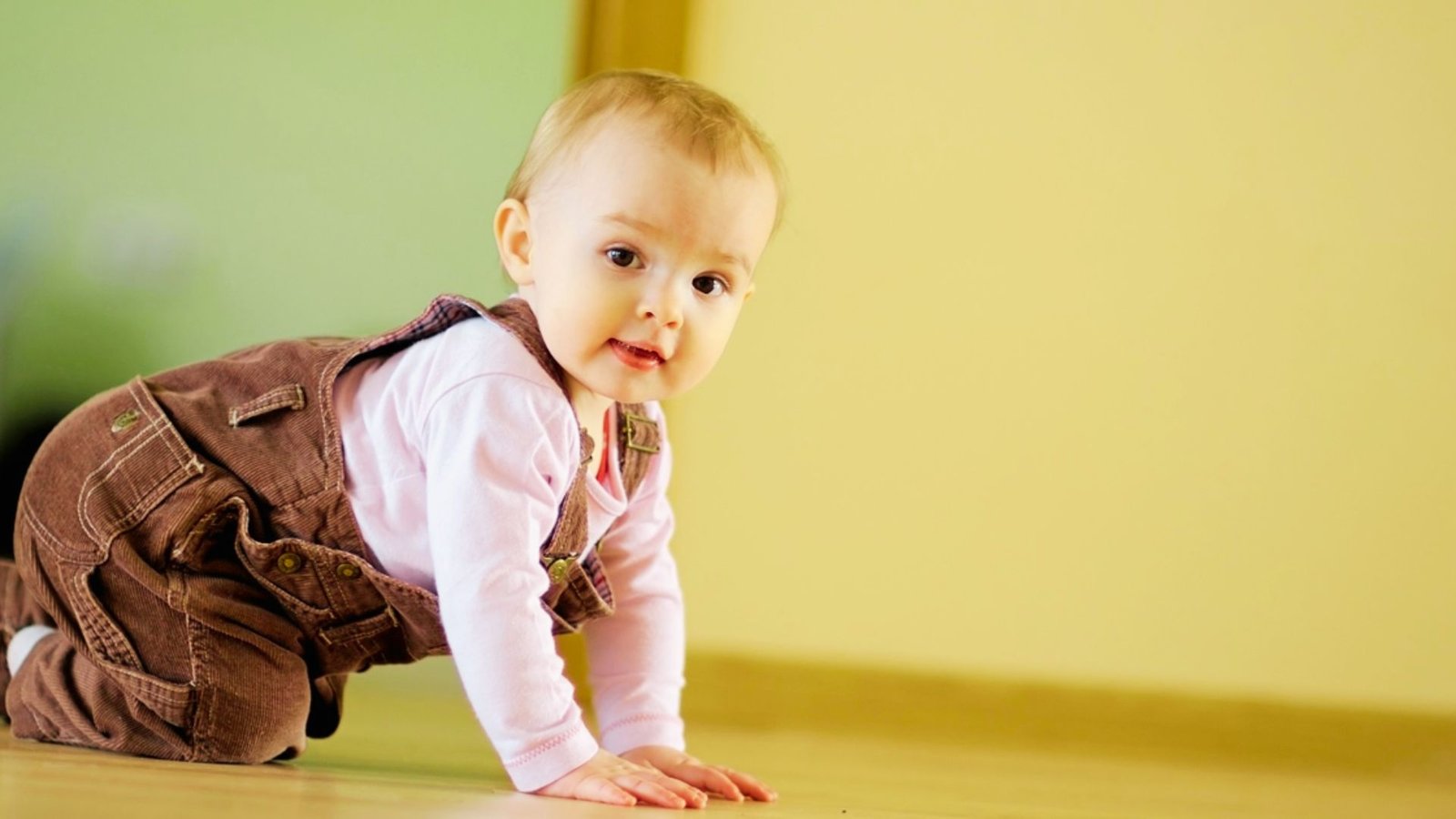
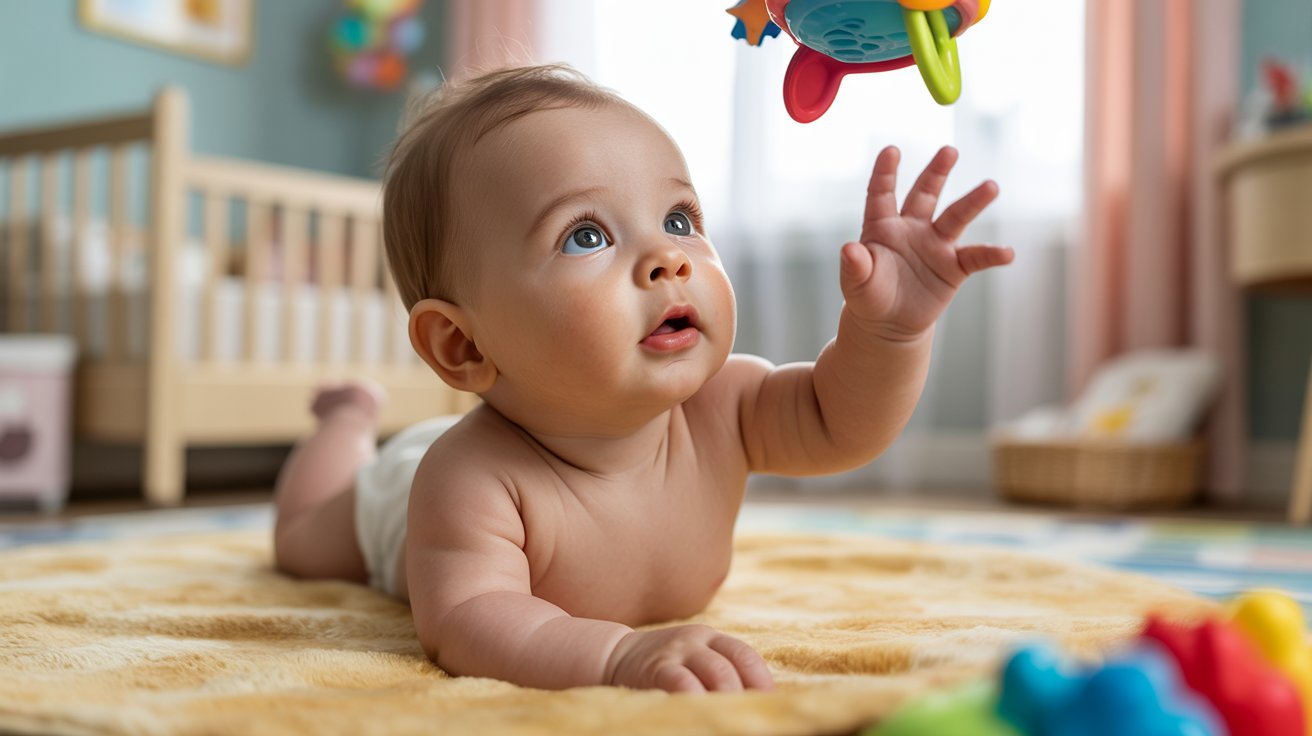
Babies are curious about their bodies. Between 2-4 months, they start exploring with their hands. The face is fascinating to them. Eyes, nose, mouth, all get touched and rubbed.
This exploration helps develop hand eye coordination. Your baby is literally learning where their body parts are and how to control their movements.
It’s messy and sometimes looks concerning, but it’s healthy development. They’ll move on to other body parts soon enough.
3. Dry or Irritated Eyes
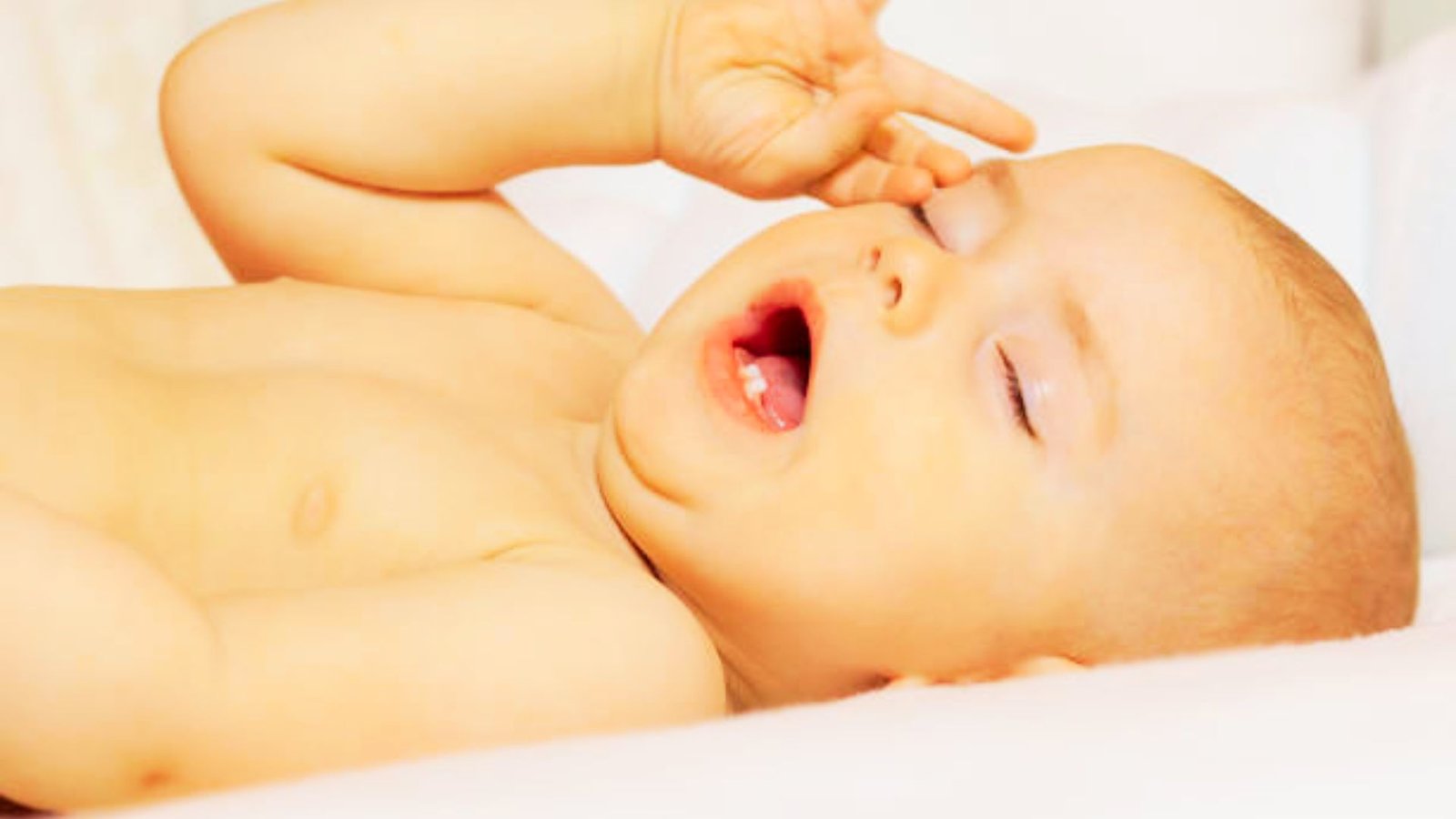
Environmental factors can make little eyes uncomfortable. Dry air from heating or air conditioning affects babies more than adults. Dust floating in the room can settle on their eyes.
Even a fan blowing directly at them can cause dryness. Babies can’t produce as many tears as older children, so their eyes dry out faster.
Other irritants include cigarette smoke, strong perfumes, or cleaning product fumes. These make eyes itchy and watery, prompting rubbing.
4. Allergies or Sensitivities
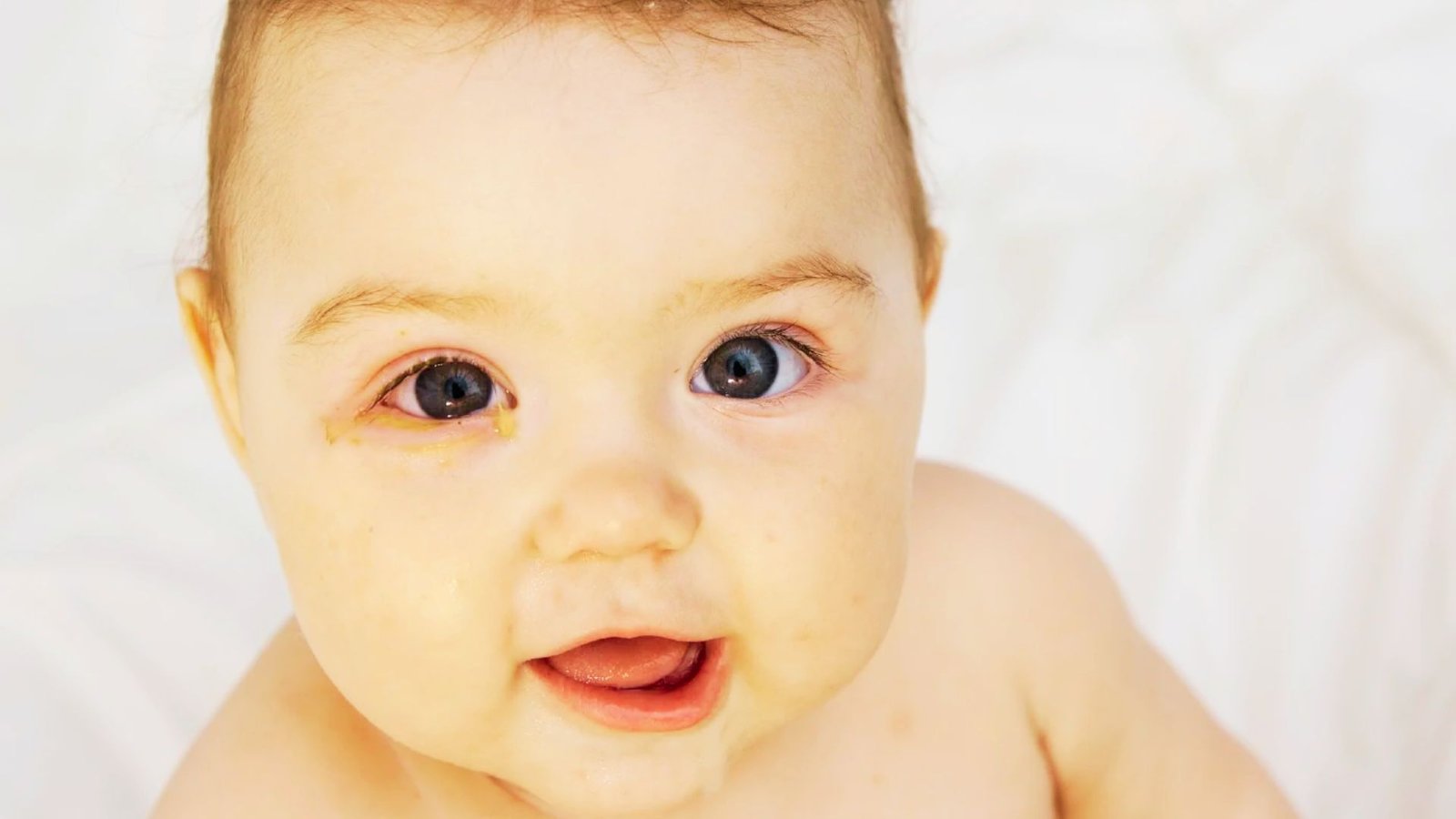
Some babies react to allergens in their environment. Seasonal pollen, pet dander, or dust mites can trigger symptoms. Allergies cause itchy, watery eyes.
Rubbing feels like relief, even though it can make things worse. Look for other allergy signs: Sneezing, runny nose, skin rashes, or wheezing.
Food allergies can also cause eye symptoms in some babies. If eye rubbing started after introducing a new food, mention it to your doctor.
5. Eye Infections
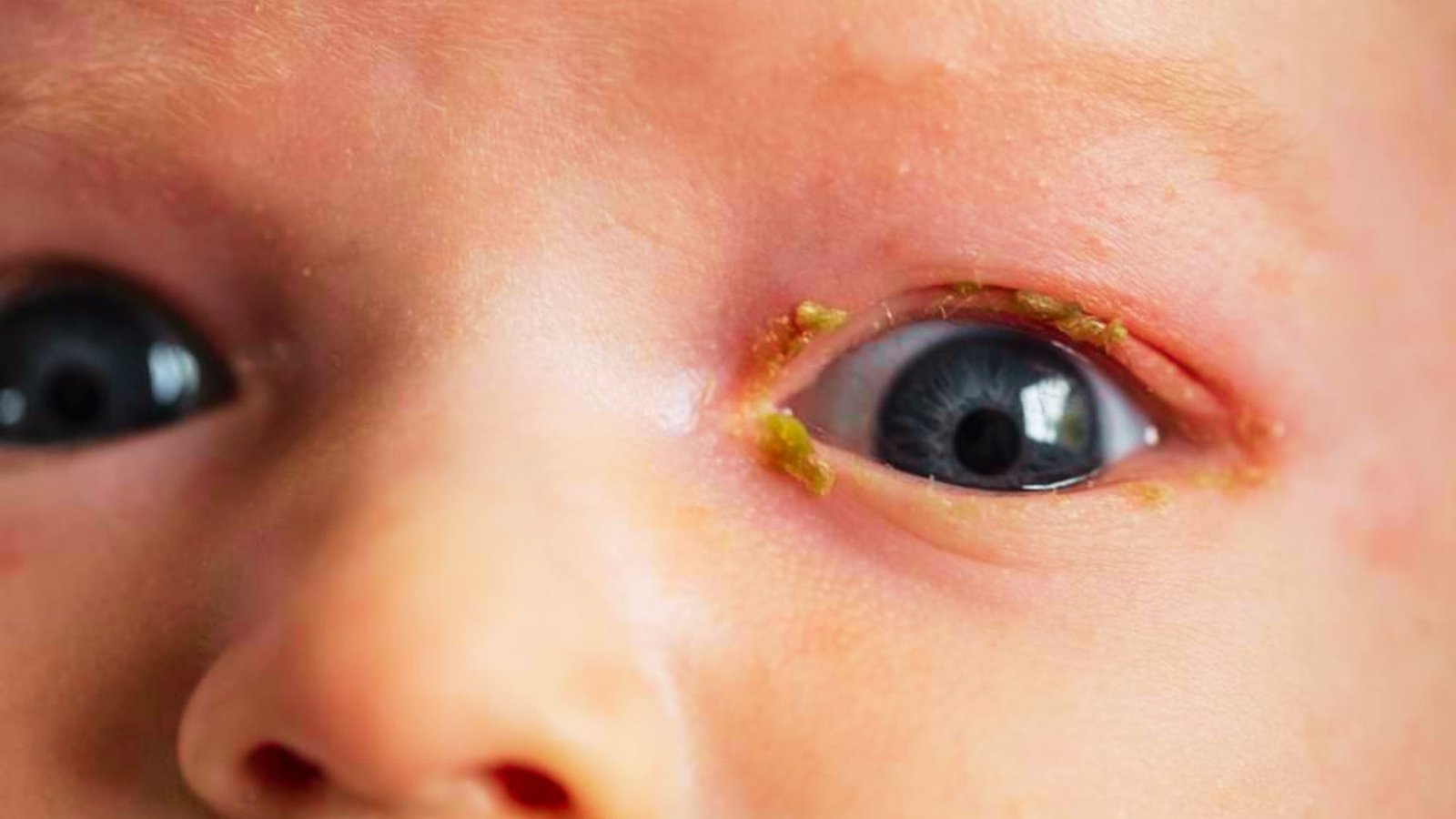
Conjunctivitis, or pink eye, makes eyes itchy and uncomfortable. Babies rub to relieve the irritation. Pink eyes cause redness in the white part of the eye.
You’ll notice discharge, especially after sleep. The discharge can be yellow, green, or white. One or both eyes may be affected.
Bacterial pink eye often produces thicker discharge than viral types. This needs medical attention. Don’t wait to see if it clears on its own.
6. Teething Discomfort
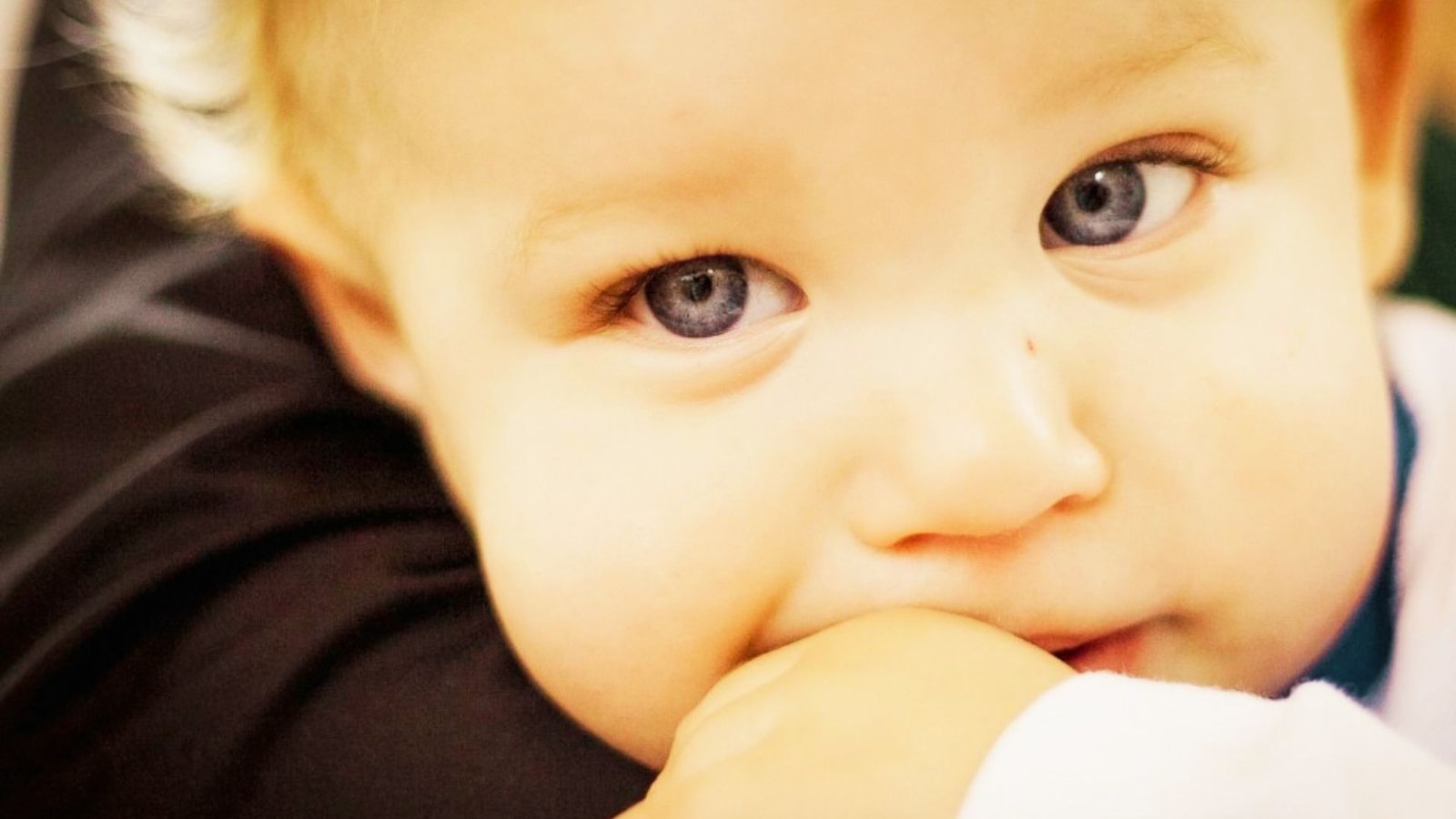
Teething pain doesn’t stay in the gums. It can radiate to the cheeks, ears, and eyes. When babies teethe, they feel pressure in their whole face.
Rubbing their eyes can provide temporary relief from this generalized discomfort. Other teething signs include drooling, chewing on everything, swollen gums, and irritability.
If eye rubbing increases when teeth are coming in, teething is likely the cause.
7. Vision Issues or Eye Strain
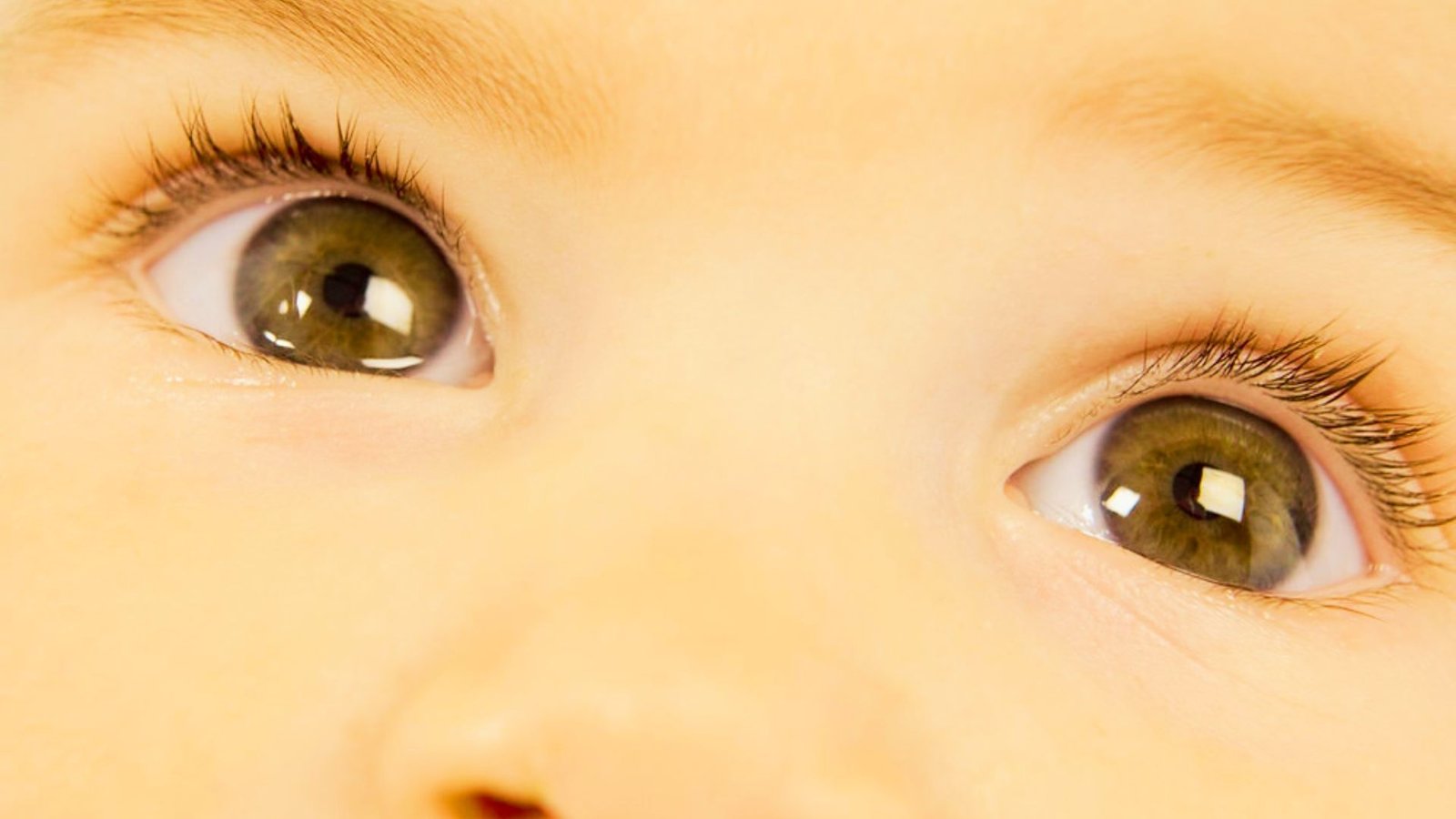
Sometimes eye rubbing signals a vision problem. Babies with refractive errors like nearsightedness may rub their eyes frequently.
Eye strain from trying to focus can cause discomfort. Crossed eyes or other alignment issues might also lead to rubbing.
This is less common than other causes, but worth considering if rubbing is constant. If your baby squints, has trouble tracking objects, or one eye turns in or out, schedule an eye exam.
Symptoms That May Accompany Eye Rubbing
Other symptoms alongside eye rubbing can help you figure out what’s going on and whether you need to worry.
Redness, Swelling, or Discharge
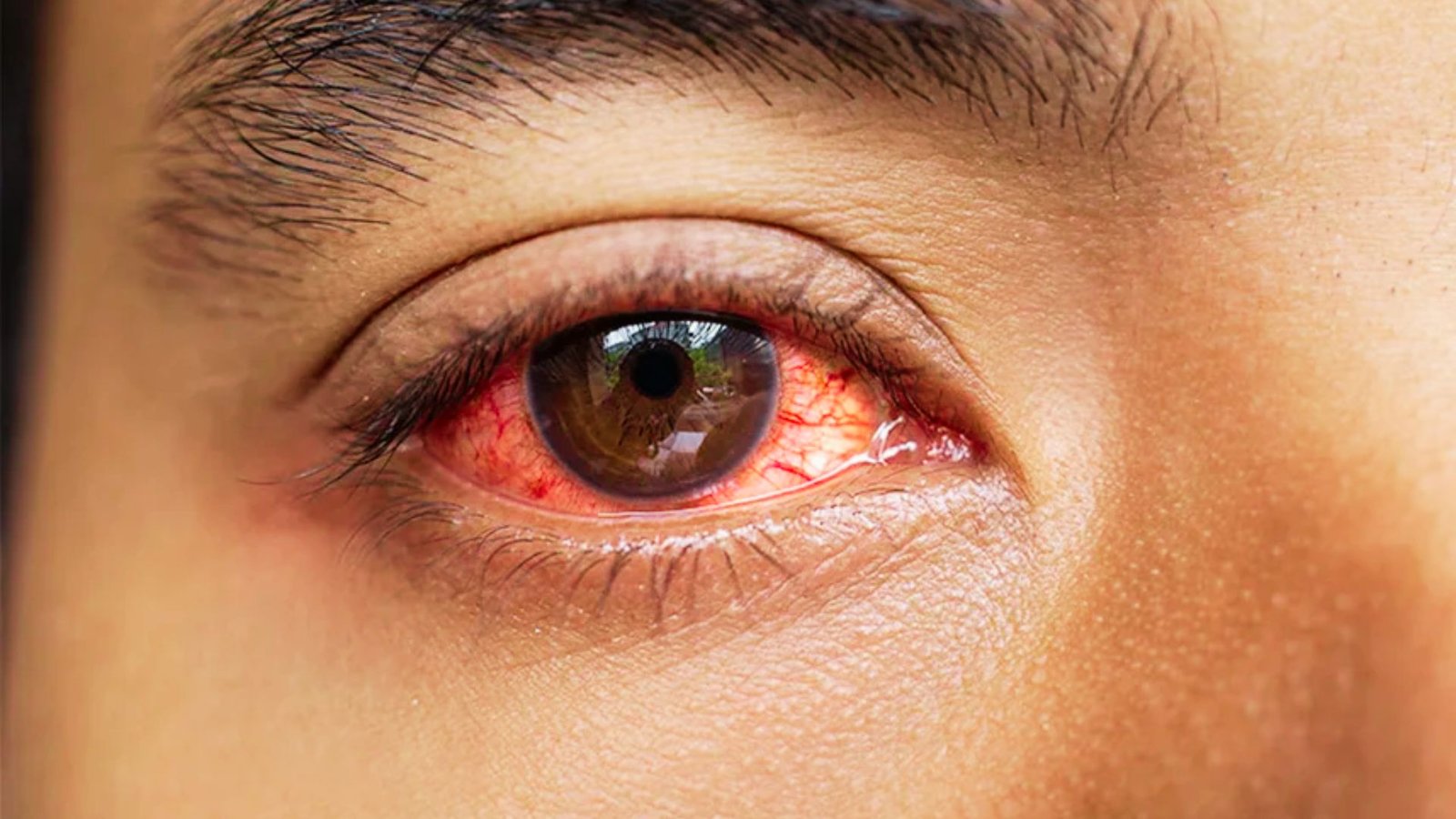
Red eyes suggest irritation or infection. The whites of the eyes may look pink or have visible blood vessels. Swelling around the eyes indicates inflammation.
Puffy eyelids are especially noticeable in the morning. Discharge is a key warning sign. Clear discharge might be from allergies or a blocked tear duct.
Yellow or green discharge points to infection. Crusty eyelashes after sleep mean discharge has dried overnight. This makes pink eyes more likely.
Fussiness, Crying, or Sensitivity to Light
A baby in discomfort will be fussier than usual. They may cry more and be harder to console. Light sensitivity is significant.
If your baby squints or turns away from normal light, their eyes hurt. This symptom appears with infections, scratches on the eye, or other injuries.
Don’t ignore it. Excessive tearing can also happen. Their eyes water constantly, not just when crying.
Frequent Rubbing or Scratching
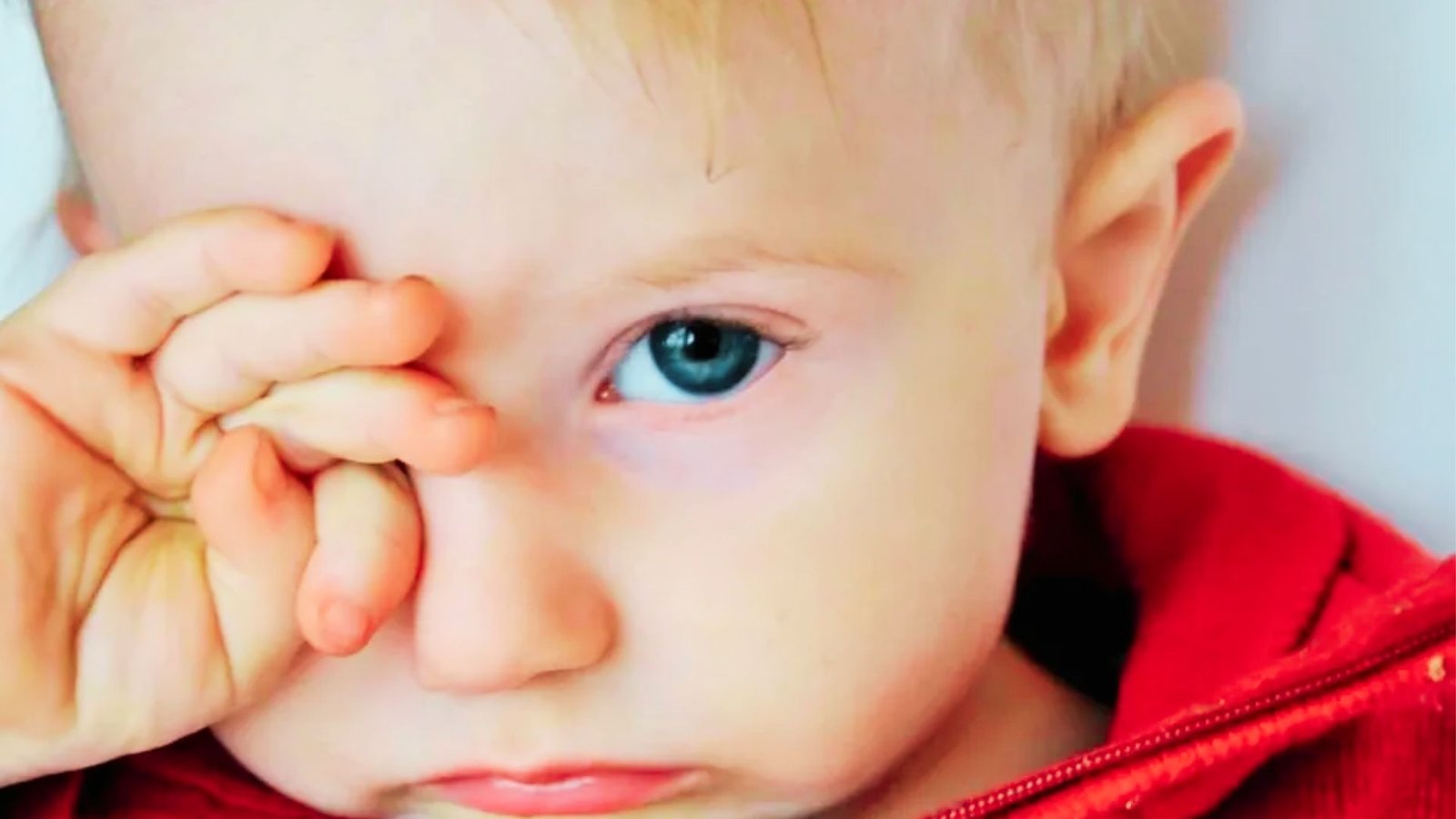
Occasional eye rubbing is normal. Constant rubbing is not. If your baby rubs their eyes dozens of times per day, something’s bothering them.
They may rub hard enough to leave red marks. Aggressive rubbing can damage delicate eye tissue. It can also introduce bacteria from dirty hands.
Watch how your baby rubs. Gentle, brief rubbing during tired periods is different from intense, repeated scratching.
When Should Parents Worry About Baby Rubbing Eyes?
Most eye rubbing is harmless, but certain signs mean you should call the doctor right away.
Get medical help if you notice persistent redness lasting more than a day, yellow or green discharge, or worsening swelling.
Your baby crying when you touch near their eyes or avoiding normal light are red flags. A white or cloudy spot on the eye, bulging, or fever with eye symptoms need immediate attention.
Rubbing eyes a few times when tired is fine. Rubbing multiple times every hour is excessive.
If eye rubbing interferes with play, feeding, or sleep, that’s too much. Trust your instincts. If something feels off, call your pediatrician.
What Parents Can Do at Home
Simple home care can reduce eye rubbing and keep your baby comfortable when the cause isn’t serious. Watch for early sleep cues and start the bedtime routine immediately.
Create a calm environment by dimming lights and reducing noise. Wash your baby’s face gently and keep their fingernails trimmed short.
Wash hands regularly. Run a humidifier if your home has dry air. Vacuum regularly and use fragrance free laundry detergent.
Conclusion
I remember the first time my baby rubbed those tiny eyes. I panicked, wondering if something was wrong. Most of the time, eye rubbing is just your baby being tired or curious.
But now you know the red flags that need attention. Trust yourself to spot the difference between normal behavior and signs of trouble.
Keep those little hands clean, watch for concerning symptoms, and don’t hesitate to call your pediatrician when something feels off.
Have you noticed eye rubbing in your baby? Share what helped you in the comments below.
Frequently Asked Questions
Is it normal for my baby to rub their eyes every day?
Yes, if it happens mainly when they’re tired. Daily eye rubbing at nap time and bedtime is a common sleep cue. If rubbing happens constantly throughout the day, check with your doctor.
Can eye rubbing damage my baby’s vision?
Gentle rubbing won’t harm vision. However, aggressive or constant rubbing can cause minor irritation or introduce bacteria. Keep your baby’s hands clean and nails trimmed short.
What’s the difference between tired eye rubbing and infection symptoms?
Tired babies rub their eyes briefly before sleep and seem otherwise fine. Infections cause persistent redness, discharge, swelling, and discomfort that doesn’t improve with rest.
Should I stop my baby from rubbing their eyes?
You can gently redirect them, but completely preventing it is hard. Focus on addressing the cause, whether that’s tiredness, irritation, or infection.
When do babies typically stop rubbing their eyes so much?
Most babies reduce eye rubbing as they develop better sleep skills and communication. Around 12-18 months, you’ll likely notice less frequent rubbing as they learn other ways to show tiredness.