
Watching your little one lose their first tooth is exciting, but you might wonder how many baby teeth do kids lose in total.
I’ll walk you through everything you need to know about this natural process.
I’ve seen parents stress about timing and order, so I’m here to give you clear, practical answers.
Let me help you out!
How Many Baby Teeth Do Children Have?
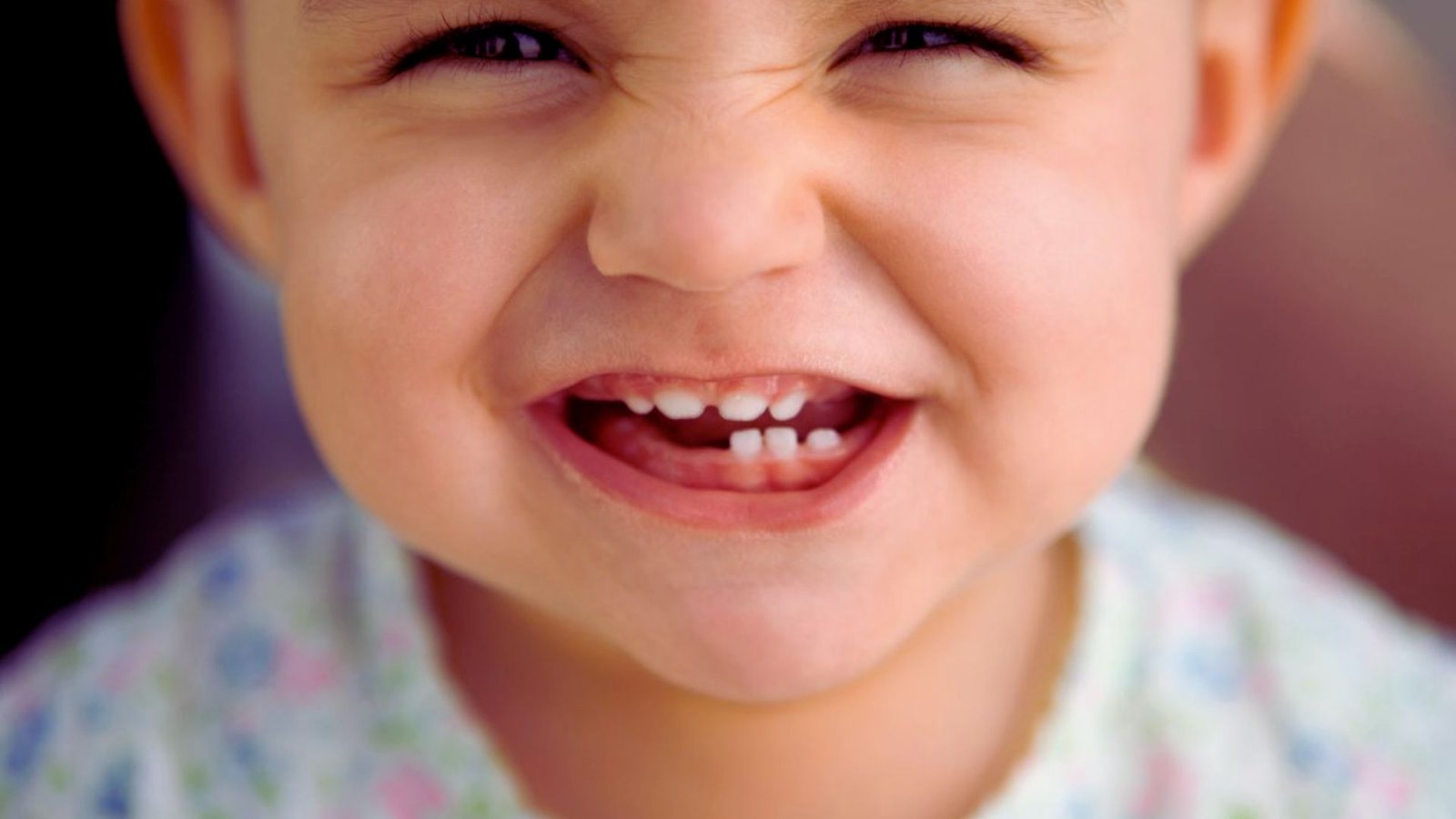
Kids develop a full set of baby teeth during their early years. Understanding the basics helps you track your child’s dental progress.
Children have 20 primary teeth by the time they reach age 2. These teeth help your child chew food properly, develop clear speech, and hold space for adult teeth.
Each baby tooth acts as a placeholder, guiding permanent teeth to the right position.
Baby teeth differ from adult teeth in several ways. They have thinner enamel and wider roots. The pulp inside is larger, which means more nerve content.
This structure makes baby teeth more sensitive to cavities. Regular dental care matters even more during these early years.
Timeline for Losing Baby Teeth

Every child follows a general pattern, but exact timing varies from kid to kid.
Typical Order of Tooth Loss
Front teeth usually fall out first, starting around age 6. The bottom central incisors are often the pioneers. Canines and molars follow over the next few years.
Permanent teeth grow in behind baby teeth, pushing them out naturally. By age 12 or 13, most kids have lost all their baby teeth. The last to go are usually the canines and second molars.
Variations in Timing
Some kids lose their first tooth at age 4, while others wait until age 7. Both scenarios are normal. A few children keep baby teeth until age 13. These variations don’t signal problems unless permanent teeth fail to appear.
Girls often lose teeth slightly earlier than boys. If your child’s timeline differs from their friends, that’s okay. Focus on whether new teeth are coming in properly.
Signs Your Child Is Losing Teeth
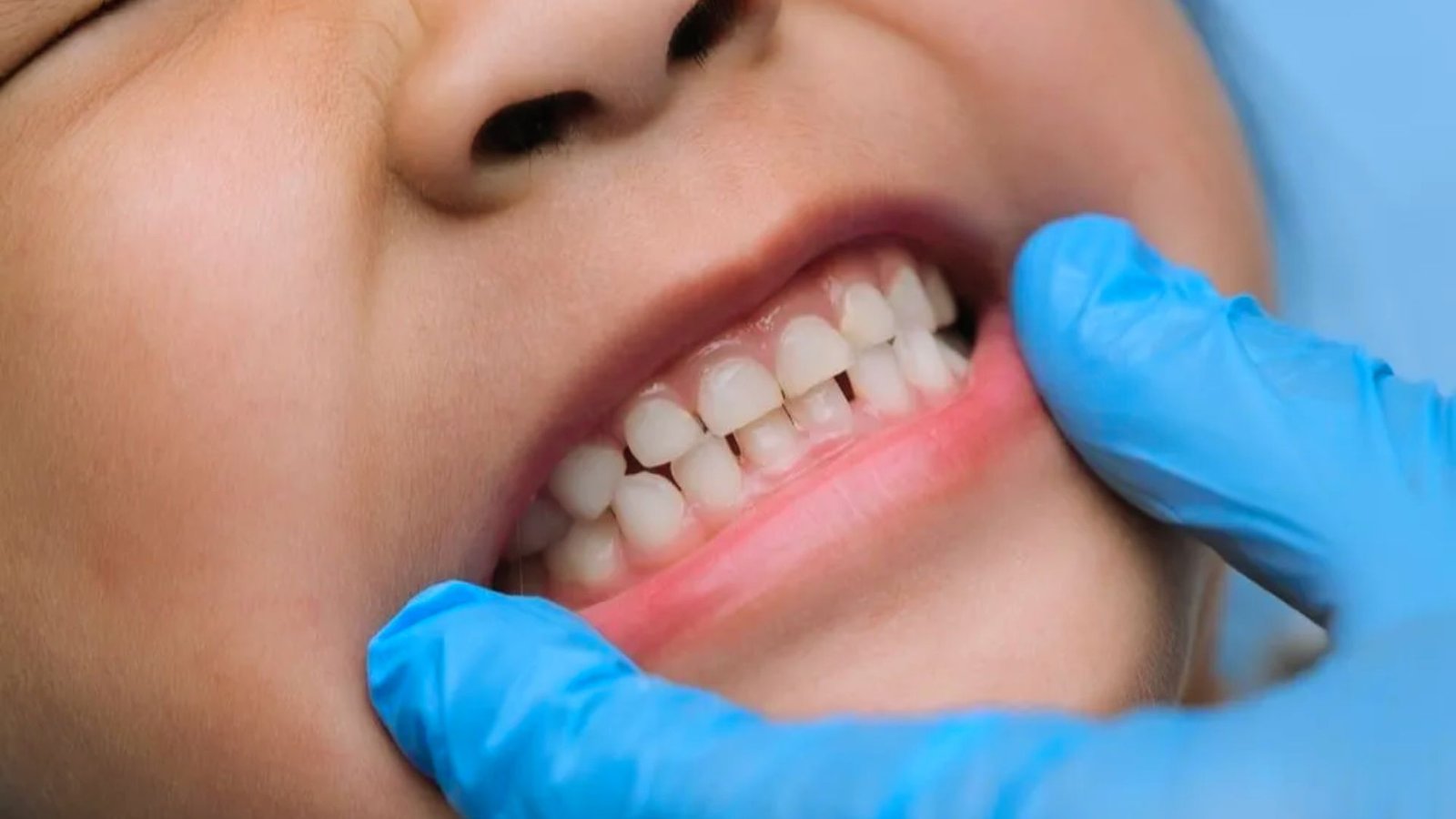
You’ll notice clear indicators when a tooth is ready to fall out.
- Looseness happens first. Your child might wiggle a tooth with their tongue. This process is usually painless. Mild gum inflammation around the loose tooth is normal.
- The area might look slightly red or swollen. Your child may mention a “funny feeling” or mild sensitivity when eating. These sensations are temporary.
- Trauma can cause early loosening. If your child falls or gets hit in the mouth, see a dentist right away.
- Injury-related tooth loss needs professional evaluation. The dentist will check for damage to the permanent tooth underneath.
Encouraging Healthy Tooth Loss

Make this milestone positive and stress-free for your child.
Preparing for the First Loose Tooth
Turn tooth loss into something fun. Many families use the Tooth Fairy tradition to create excitement. Talk to your child about what to expect.
Let them know it’s normal and won’t hurt much.
Encourage gentle wiggling with the tongue. This helps the tooth come out naturally. Avoid pulling teeth with your fingers or string.
Forcing a tooth out can damage gums or the incoming permanent tooth.
Caring for Your Child After Tooth Loss
Minor discomfort is common after a tooth falls out. Use acetaminophen or ibuprofen if needed. Follow the dosage instructions for your child’s age.
A small amount of bleeding is normal.
Have your child bite on clean gauze for a few minutes. This helps the blood clot form. Avoid straws for 24 hours. Sucking through a straw can dislodge the clot.
Keep up with brushing and flossing. Be gentle around the empty socket. Good oral hygiene prevents infection and keeps remaining teeth healthy.
Your child can eat normally once any bleeding stops. Stick to soft foods for the first day if the area feels tender.
What Happens If a Baby Tooth Doesn’t Fall Out
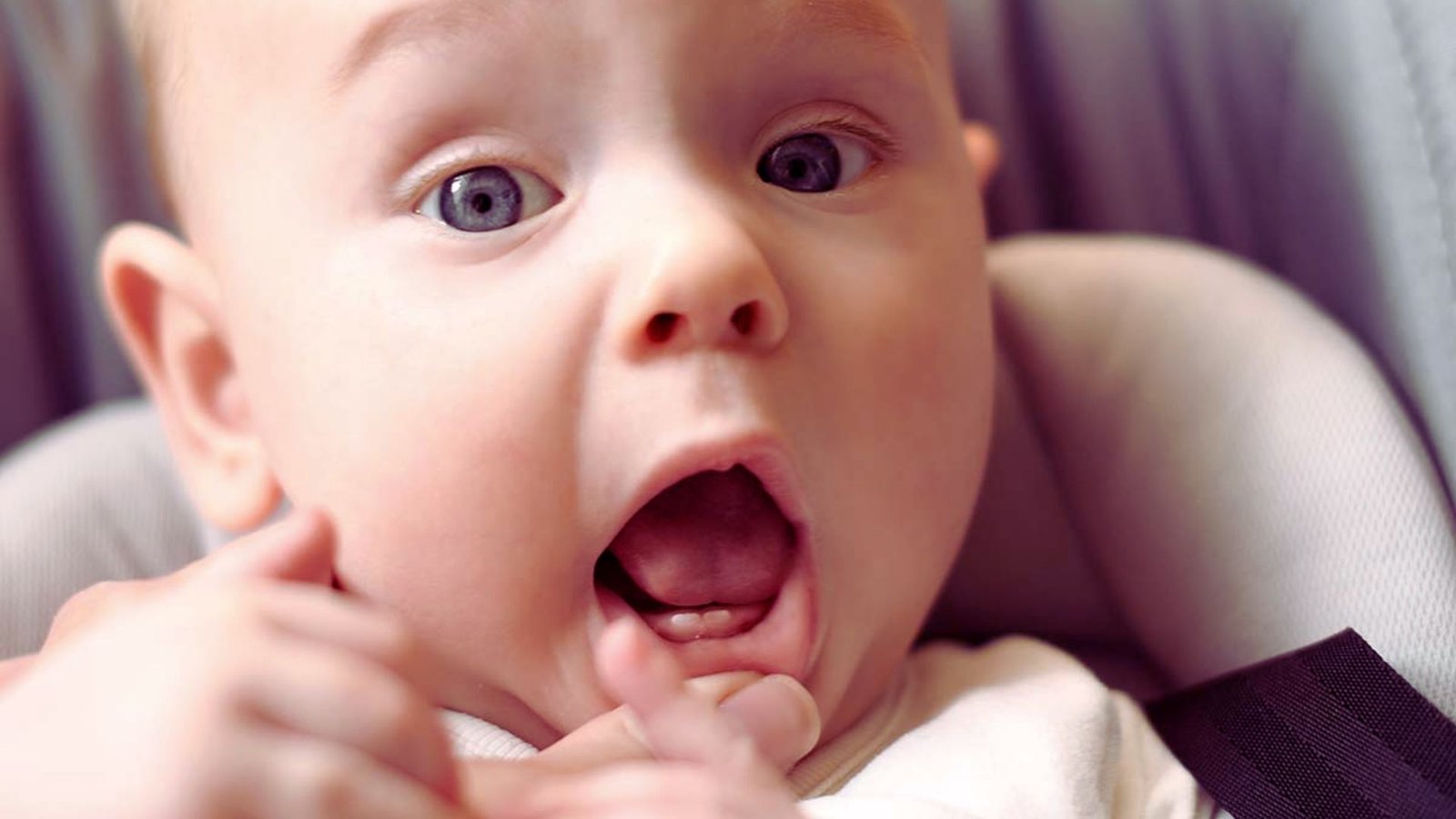
Sometimes baby teeth stick around longer than expected. This situation needs attention to prevent future problems.
Over-retained baby teeth occur when primary teeth don’t fall out on schedule.
The permanent tooth underneath may grow in behind the baby tooth, creating a “shark tooth” appearance with two rows visible. Most cases resolve naturally as the permanent tooth pushes through.
If a baby tooth remains firmly in place past age 13 or 14, your dentist may recommend extraction. Leaving it too long can cause crowding or misalignment.
Sometimes the permanent tooth is missing entirely.
Ankylosed teeth are baby teeth fused to the jawbone. They don’t wiggle and appear shorter than surrounding teeth. These teeth won’t fall out naturally and require extraction.
Regular dental checkups help identify these issues before they affect your child’s smile.
When to Seek Dental Advice
Most tooth loss happens without problems, but watch for these warning signs.
- Persistent pain or swelling needs attention. If your child complains of ongoing discomfort after a tooth falls out, call the dentist. Swelling that lasts more than a few days could indicate infection.
- Crooked adult teeth coming in behind baby teeth may need correction. Sometimes permanent teeth grow in at odd angles or positions that require professional guidance.
- Early or delayed loss of multiple teeth might signal underlying health issues. If several teeth fall out much sooner or later than expected, consult your dentist.
- Dentists sometimes extract baby teeth if permanent teeth are impacted. This prevents crowding and alignment problems that could affect your child’s smile long-term.
- Regular dental visits help catch issues early. Schedule checkups every six months. Your dentist tracks tooth development and spots concerns before they become serious.
Conclusion
Children lose all 20 baby teeth and grow 32 adult teeth over several years.
Timing varies, but the process usually finishes by age 12. I remember my daughter losing her first tooth at 5, and I panicked thinking it was too early.
Regular dental visits kept me reassured. Watch for normal signs like looseness and mild sensitivity. If you notice persistent pain or unusual delays, check with your dentist.
Support your child through this milestone with patience and positivity. Share your own tooth loss stories in the comments below.
Your experience might help another worried parent feel better about this natural process.
Frequently Asked Questions
What age do kids start losing baby teeth?
Most children lose their first baby tooth around age 6. Some start as early as 4, while others begin at 7. Both are considered normal variations in dental development.
Do all 20 baby teeth fall out?
Yes, all 20 primary teeth eventually fall out. They’re replaced by 32 permanent teeth, which include molars that don’t have baby tooth predecessors.
Should I pull my child’s loose tooth?
No, let the tooth fall out naturally. Encourage gentle wiggling with the tongue. Pulling can damage gums or affect the permanent tooth growing underneath.
Is bleeding normal after losing a tooth?
Light bleeding for a few minutes is normal. Have your child bite on gauze to stop it. Heavy or prolonged bleeding requires a dental visit.
When should I worry about tooth loss timing?
Consult a dentist if your child loses multiple teeth very early, if teeth don’t fall out by age 13, or if permanent teeth fail to appear after baby teeth fall out.