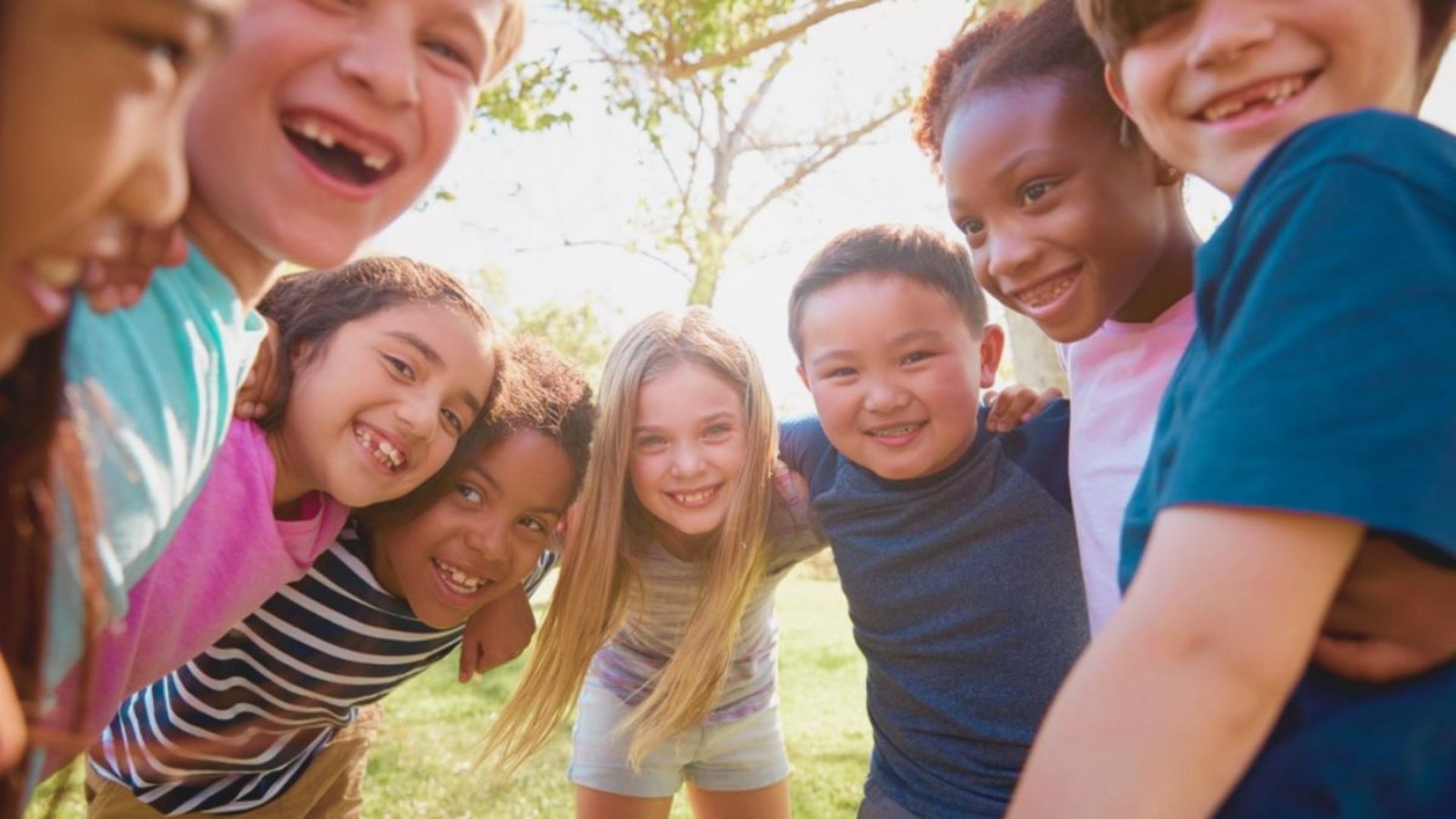
Looking for ways to keep kids active, engaged, and learning together? Circle games are the answer.
In this guide, I’ll share 55 circle games that work for classrooms, daycare centers, and home play.
Your kids will learn while having fun, and you’ll see them grow more confident in group settings.
Let their fun begin with these games!
How to Play Circle Games for Kids
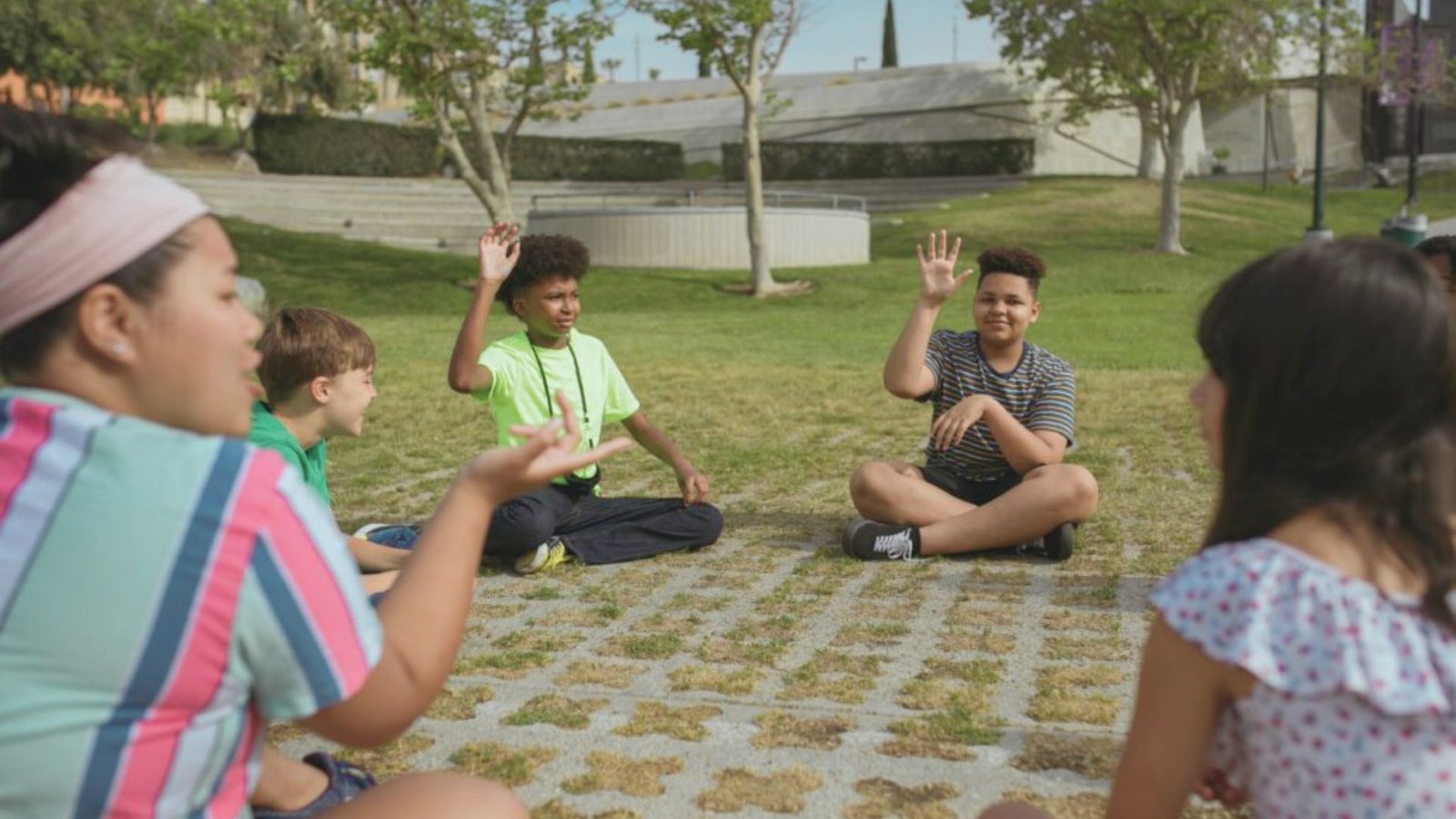
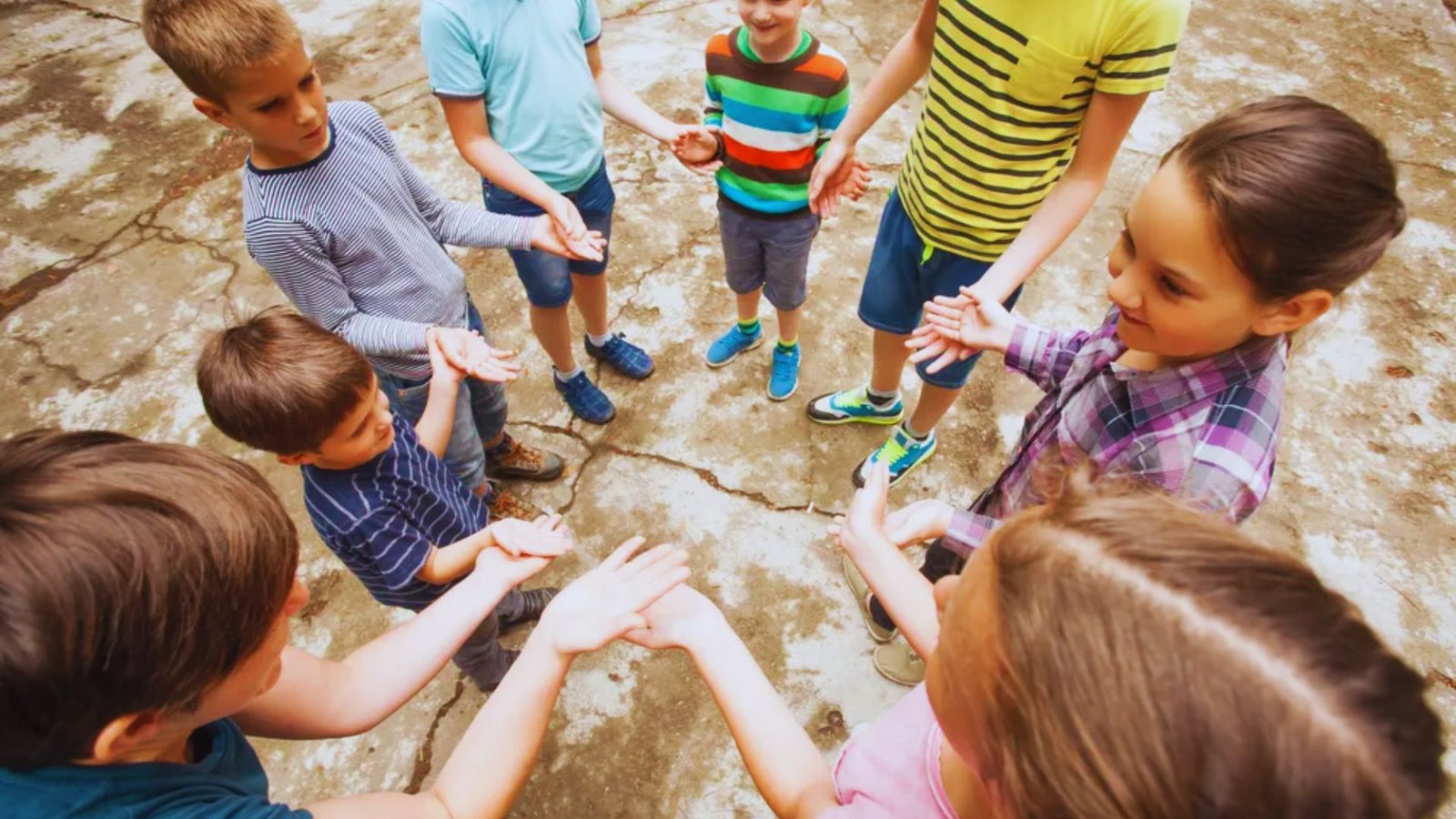
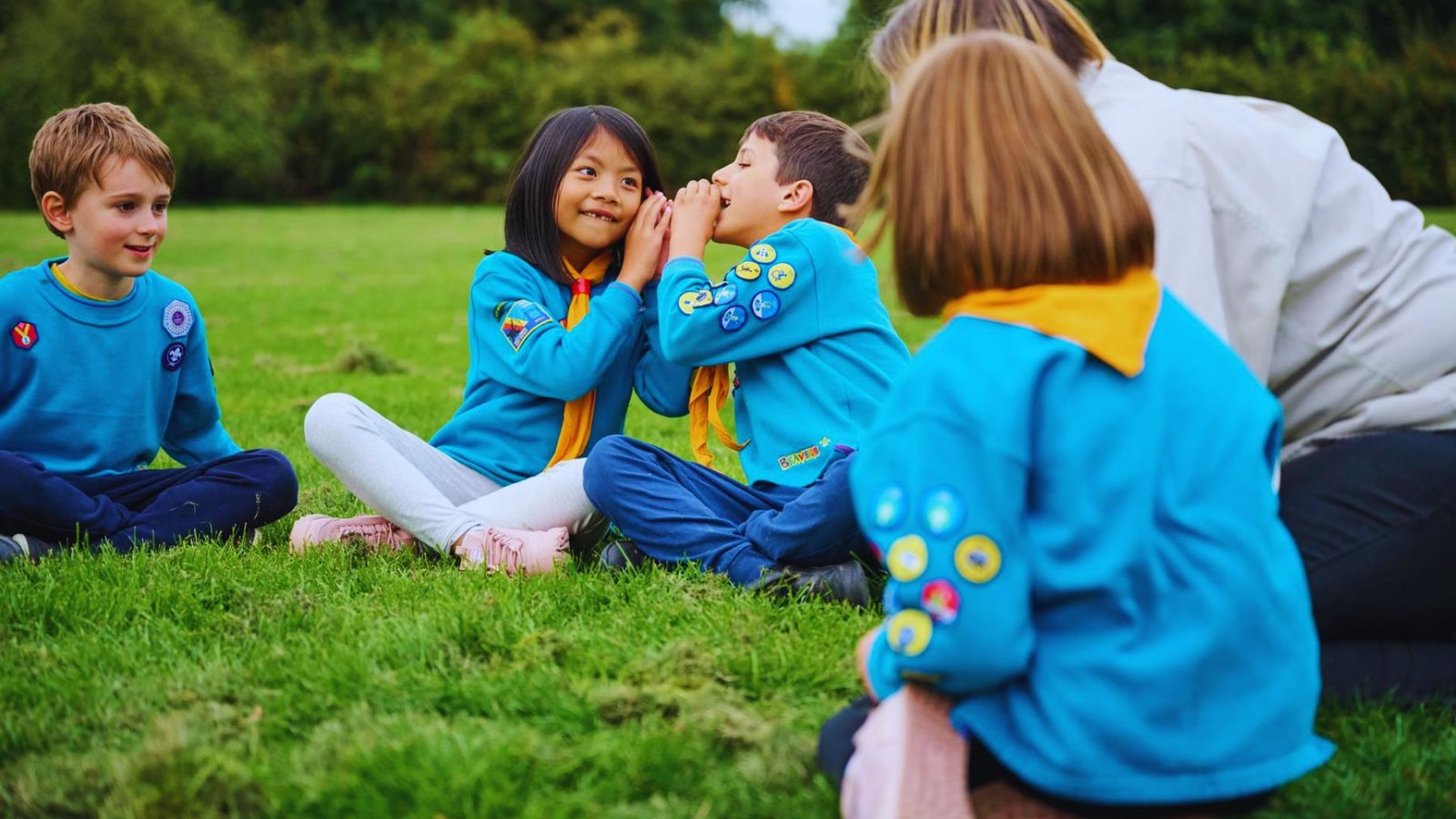
Circle games work best when you set them up the right way. Create a clear circle space where all kids can see each other.
Make sure the area is free from toys, furniture, or anything kids might trip over.
Most circle games suit kids ages 3 to 8. Small groups of 6 to 12 children work best. Larger groups can split into two circles if needed.
Many games need no props at all. Others use simple items like bean bags, balls, picture cards, or scarves. Keep a basket of supplies ready to grab.
Use an excited voice and clear hand signals. Give each child a turn quickly so no one waits too long. Add music or songs to hold attention.
Some kids need extra help to join in. Let children who use wheelchairs stay in place while others form the circle around them.
Use more hand gestures for kids with hearing needs. Pair children with fine motor challenges with a buddy.
All 55 Circle Games for Kids
Here are 55 circle games organized by category to help kids learn, move, and have fun together.
Brain Break & Movement Games
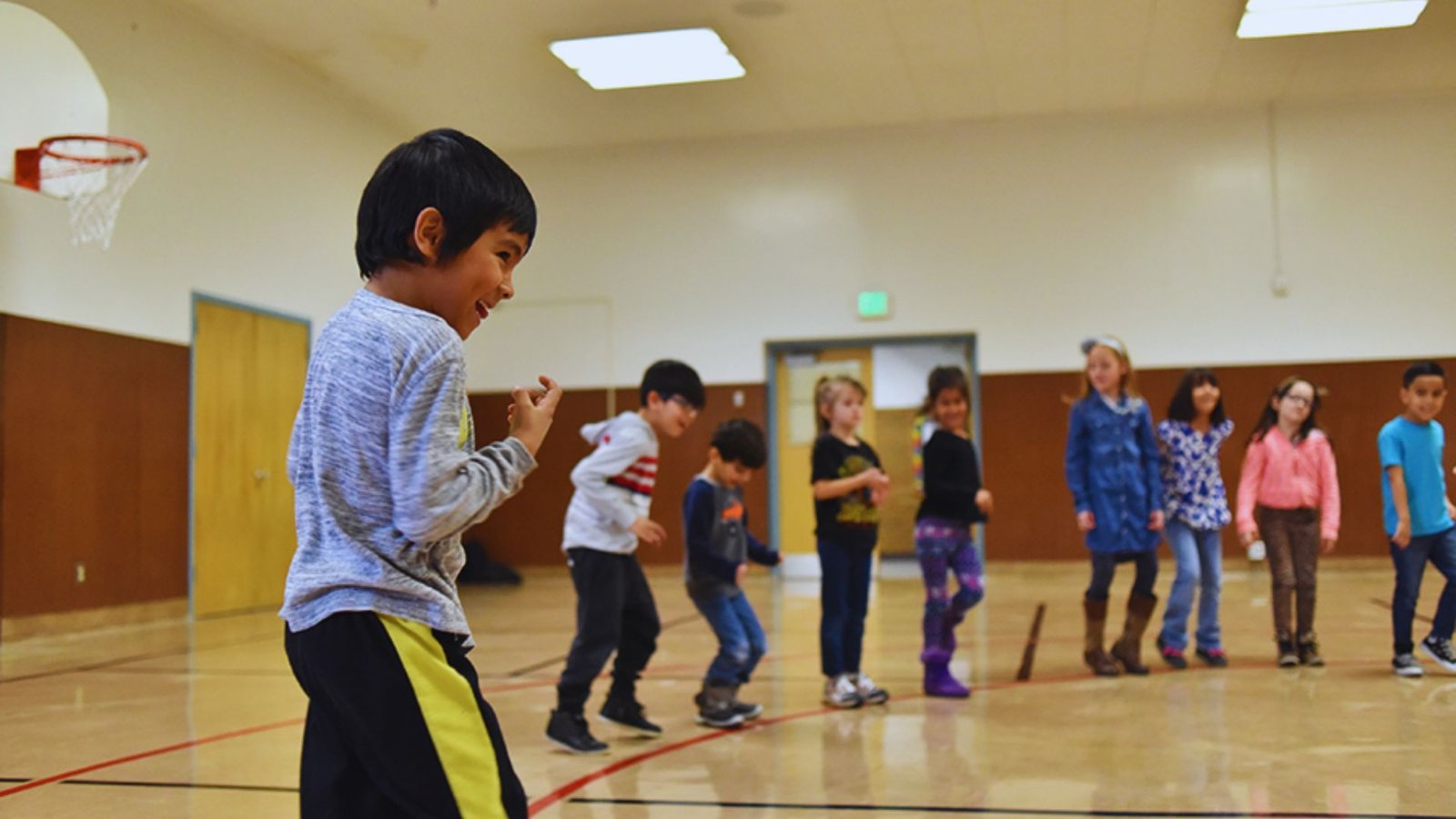
- We’re Going on a Bear Hunt: Kids act out a story adventure with movements. They slap their legs for walking, swish arms for grass, and splash for water. This game gets bodies moving and imaginations working.
- Name Game: Each child says their name and adds a motion. The next person repeats the first name and motion, then adds their own. This helps kids learn names and practice memory.
- Color Find: Call out a color and kids rush to touch something in that color. They return to the circle after each round. This teaches color recognition through active play.
- Mystery Missing Object: One child closes their eyes while you remove an object from the center. They guess what’s missing. This sharpens observation and memory skills.
- Hokey Pokey: Kids put body parts in and out of the circle while singing. They shake all about at the end. This classic game teaches body awareness and following directions.
- Animal Walk: Call out an animal and kids move around the circle like that creature. They hop like bunnies, slither like snakes, or stomp like elephants. This builds gross motor skills.
- Magic Wand: Pass a pretend wand around the circle. When you get it, you make a silly motion everyone copies. This encourages creativity and taking turns.
- Cookie Jar: Chant “Who stole the cookie from the cookie jar?” and name a child. They respond in rhythm. This teaches names and keeps a steady beat.
- Skinnamarinky Dinky Dink: Kids sing and make hand motions to this sweet song. They point to others and themselves. This song builds coordination and group bonding.
- Freeze: Play music while kids dance in the circle. When the music stops, everyone freezes in place. This practices self-control and listening skills.
- Circle Tag: One child chases another around the outside of the circle. When tagged, they switch roles. This simple game gets hearts pumping.
- Sound I Spy: Say “I spy something that starts with /b/.” Kids guess objects around the room. This builds phonemic awareness for early reading.
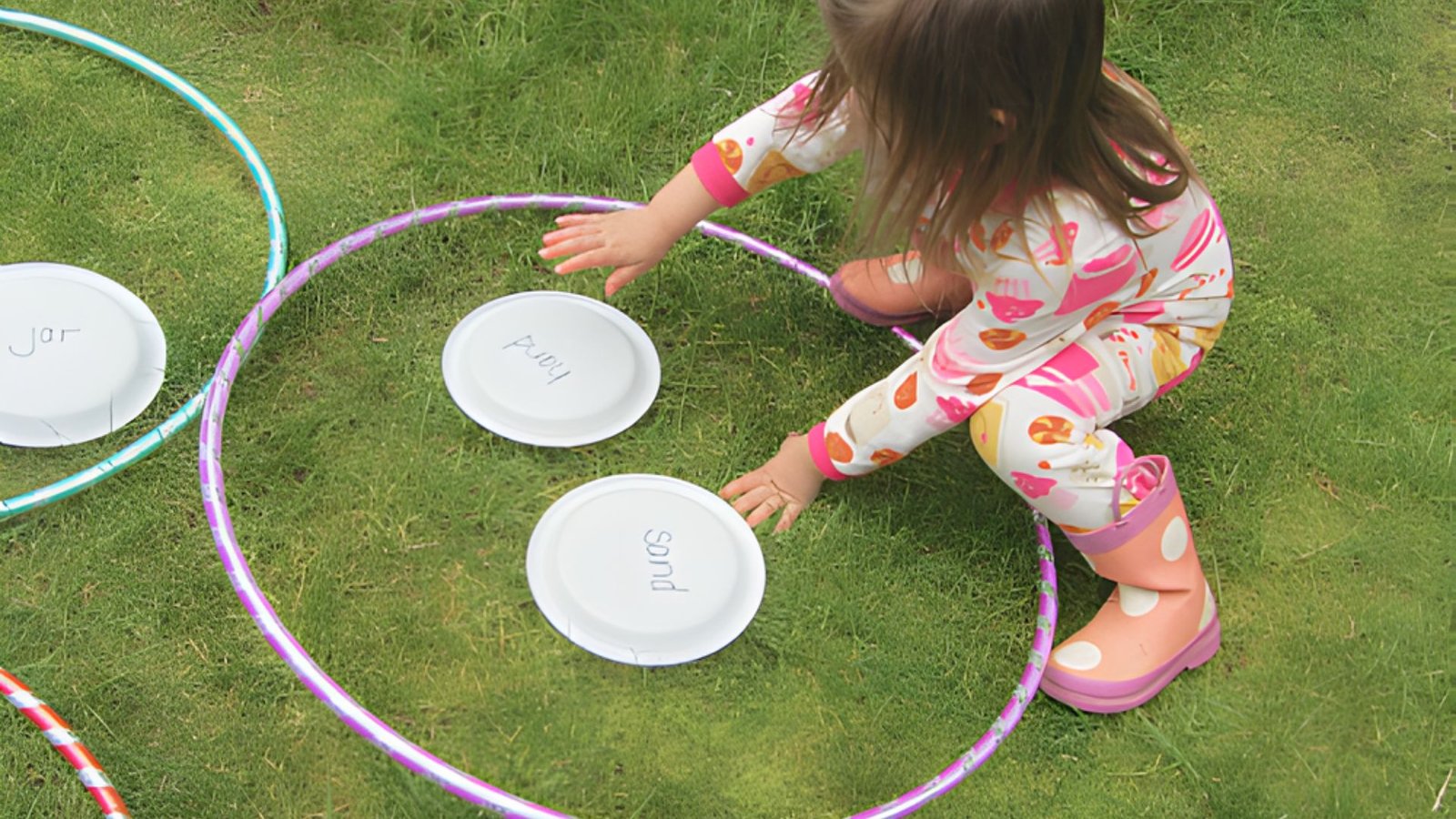
- Letter Hop: Place letter cards in the circle. Call out a letter and kids hop to it. This connects letter names with physical movement.
- Rhyming Train: Start with a word like “cat.” Kids take turns saying words that rhyme. This teaches sound patterns and word families.
- Story Builders: Each child adds one sentence to create a group story. Stories can get silly and creative. This develops narrative skills and imagination.
- Letter Match-Up: Give kids cards with uppercase letters. Call out a lowercase letter and they match it. This reinforces letter recognition.
- Alphabet Mystery Bag: Pull an object from a bag and say its starting sound. Kids guess the letter. This connects sounds with letters.
- Name That Sound: Make animal sounds or everyday noises. Kids identify what made the sound. This sharpens auditory discrimination.
- Syllable Stomp: Say a word and kids clap or stomp for each syllable. Words like “butterfly” get three stomps. This breaks words into parts.
- Story Time Toss: Toss a soft ball to a child who shares one thing from a book you read.
- Sound Detective: Kids listen for specific sounds in words you say. They stand up when they hear the target sound. This trains listening skills.
- Alphabet Song Variations: Sing the ABC song in different voices or speeds. Try whisper singing or silly voices. This makes letter learning playful.
- Word Clap: Say words slowly and kids clap for each sound they hear. This builds phoneme awareness for reading.
- Emotion Charades: Kids act out feelings without words. Others guess the emotion. This teaches emotional vocabulary and empathy.
- Book Character Guess Who: Describe a character from a familiar book. Kids guess who it is. This reinforces story recall and character traits.
- Hot Potato Rhyme Toss: Pass an object while music plays. When it stops, that child says a rhyming word. This combines movement with language play.
- Body Letters: Kids use their bodies to form letter shapes. They can work alone or with partners. This makes abstract letters concrete.
- Sound Hunt: Name a sound like /s/. Kids look around and name things with that sound. This applies phonics to real objects.
- Alphabet Dance: Play music and show a letter card. Kids dance and say words starting with that letter. This links letters with movement.
- Sentence Builders: Give kids word cards to arrange into sentences. They work together to make the words make sense. This teaches sentence structure.
- Pocket Poem: Keep short poems in your pocket. Pull one out and read it together. Kids can add motions. This introduces poetry in small doses.
- I Went to Market: The first child says “I went to market and bought apples.” The next child repeats and adds an item. This memory game grows with each turn.
- Two Truths and a Lie: Each child shares three statements about themselves. Others guess which one is false. This builds speaking skills and critical thinking.
- Number Pass: Pass an object and count together. Each child says the next number. This practices number sequence and taking turns.
- Shape Hunt: Call out a shape and kids find something in the room that matches. They bring it back to share. This connects shapes to real objects.
- Counting Songs: Sing songs like “Five Little Ducks” or “Ten in the Bed.” Use fingers or props to show the numbers. This makes counting musicals.
- Pattern Play: Start a simple pattern like clap-stomp-clap-stomp. Kids continue the pattern around the circle. This teaches sequences and prediction.
- Sorting Surprise: Put mixed objects in the center. Kids sort them by color, size, or type. This builds classification skills.
- Roll & Count: Roll a large die. Kids count out that many things together. This links numerals with quantities.
- Number Freeze: Play music and kids move. When you call a number, they freeze in groups of that size. This combines numbers with movement.
- Shape Yoga: Kids make body shapes like triangles or circles. This teaches shapes through physical experience.
- What’s Missing? (Numbers Edition): Arrange number cards in order. Remove one while kids close their eyes. They guess the missing number. This reinforces number order.
- Counting Jar: Pass a jar of small items. Each child counts a few and adds to the group total. This practices counting and addition.
- Mystery Shape Box: Kids reach in a box and feel a shape without looking. They describe it before pulling it out. This builds tactile learning.
- Tally Up!: Count something in the room and make tally marks together. Kids learn this recording method through practice.
- Shape Sorting Mats: Place shape mats in the circle. Kids sort objects onto the matching shapes. This combines sorting with shape recognition.
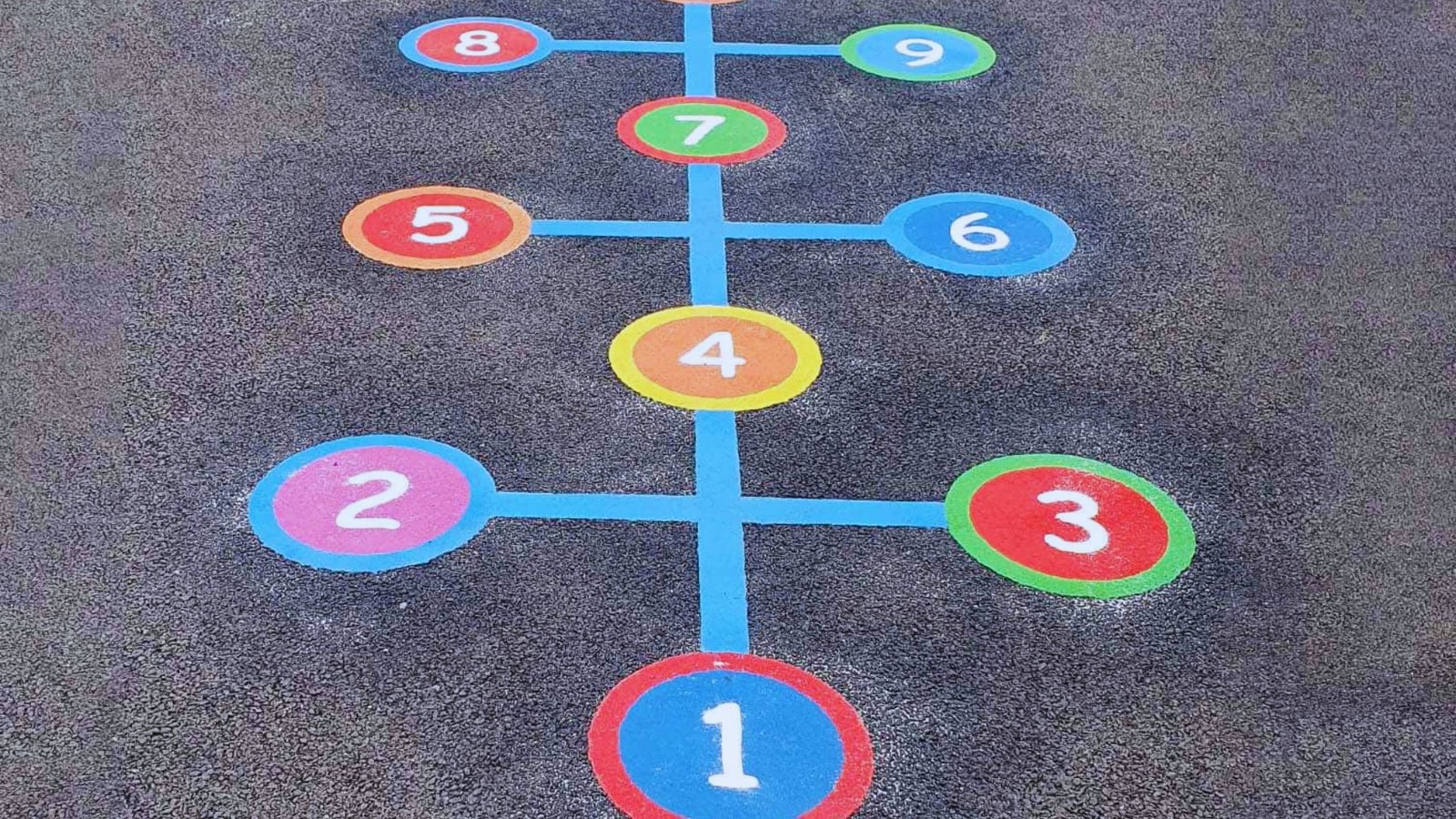
- Number Hopscotch: Draw numbers in the circle path. Kids hop to numbers you call out. This makes number learning active.
- Compare and Count: Show two groups of objects. Kids decide which has more or fewer. This teaches comparison and counting.
- Number Songs with Props: Use puppets or toys while singing counting songs. Visual props help kids grasp number concepts.
- Bean Bag Toss Counting: Kids toss bean bags at a target and count their points. This links counting with a physical game.
- Pattern Bracelets: String beads in patterns for kids to wear. They can make their own patterns too. This creates wearable math.
- Math Story Problems: Tell simple stories with numbers. “Three birds sat on a branch. Two flew away. How many are left?” Kids solve together.
- Calendar Time: Sit in a circle to review the calendar. Talk about days, dates, and weather. This teaches time concepts daily.
- Little Star Stretch: Kids stretch like stars while counting to ten. This calms bodies and practices counting.
- Pom-Pom Pass: Pass colorful pom-poms around the circle while counting. Kids can sort them by color afterward. This combines counting with sensory play.
Literacy & Language Games
Storytelling Games
Cognitive Games
Math, Memory & Bonus Games
Tips for Safe and Inclusive Circle Games
Keep circle games fun and safe for every child with these simple guidelines.
- Check the play space before starting. Remove sharp objects, toys, or anything kids might trip over. Make sure the floor isn’t slippery and everyone has room to sit comfortably.
- Always have an adult supervising. Stay close enough to help if someone falls or gets upset. Know which kids have allergies or special health needs before you begin.
- Adapt games for all abilities. Let children in wheelchairs stay in place while others form the circle around them. Use more hand signals for kids with hearing challenges. Pair children who need help with a buddy.
- Give clear, simple instructions one step at a time. Show what you mean with your own body. Do a practice round so kids can see how the game works before starting.
- Set a comfortable volume level before playing. Use a visual signal like raising your hand when things get too noisy. Some kids find loud sounds overwhelming.
- Focus on effort rather than winning. Say things like “Great job remembering the pattern” instead of celebrating only the winner. Offer team versions where everyone works together.
- Remind kids to use gentle touches and kind words. Stop the game if anyone gets too rough or if someone feels unsafe. Keep the mood light and positive for everyone.
Conclusion
Circle games bring kids together in ways that screens never can. I’ve watched children who were shy at first start laughing and joining in after just a few rounds.
These 55 games give you options for any mood, skill level, or learning goal.
Try a few this week and see which ones your kids love most. They’ll build friendships, practice new skills, and create memories that last.
What’s your favorite circle game? Share it in the comments below. I’d love to hear what works for your group.
Frequently Asked Questions
What age is best for circle games?
Most circle games work well for kids ages 3 to 8. Younger children enjoy simple games with songs and movements. Older kids like games with more rules and strategy.
How long should a circle game last?
Keep games short, between 5 and 15 minutes. Young kids lose focus after that. You can always play another round if they’re still having fun.
What if a child doesn’t want to participate?
Never force a child to play. Let them watch from the side. Often they’ll join in once they see others having fun and feel more comfortable.
Can circle games work with large groups?
Yes, but split very large groups into two circles. This gives more kids a chance to participate. It also keeps wait times shorter between turns.
Do circle games really help with learning?
Absolutely. These games teach social skills, language, math, and self-control. Kids learn best when they’re moving and having fun. Circle games make learning feel like play.