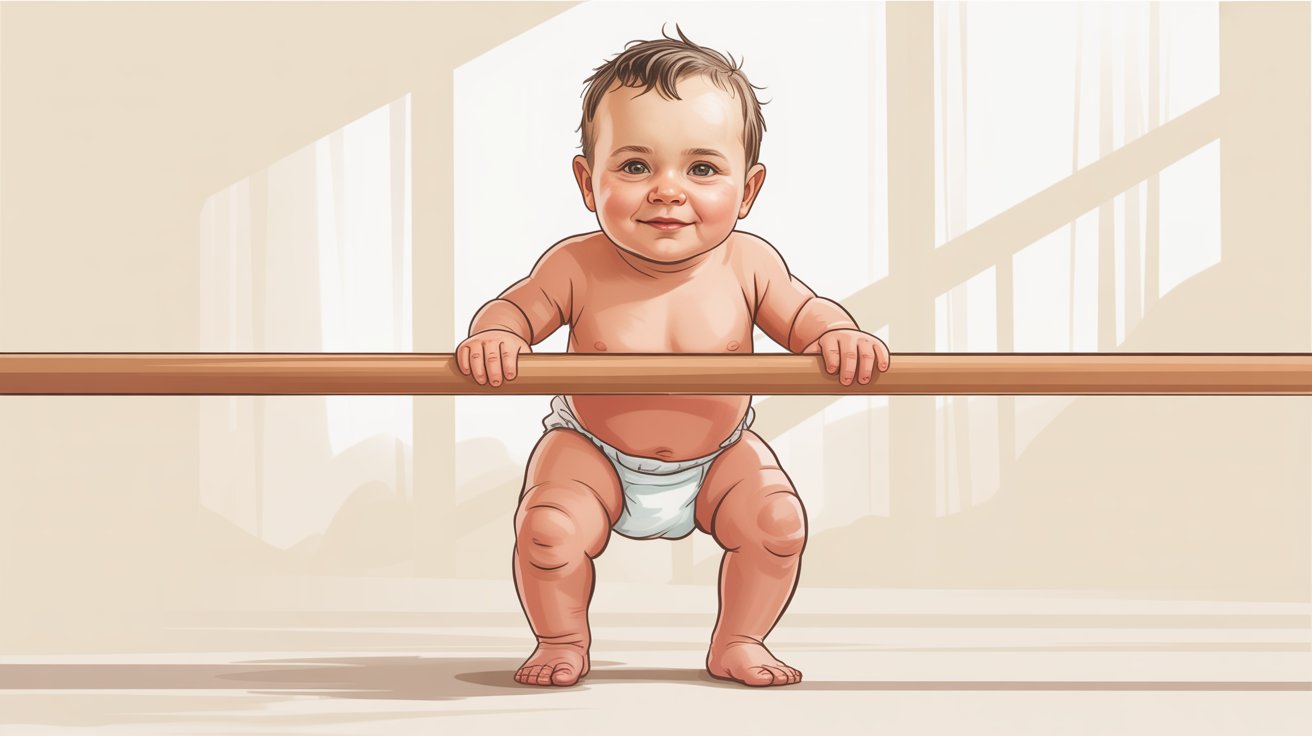

If your baby suddenly fights bedtime or wakes up every hour, you’re dealing with baby sleep regression stages.
I know exactly how exhausting this feels because I’ve lived through those nights too.
This guide explains each regression from 3 months to 3 years. You’ll learn practical ways to help your little one sleep better.
Understanding them makes everything easier, and you’ll get through this.
Let’s get started.
What Is Sleep Regression?

Sleep regression is a temporary period when a baby or toddler who previously slept well suddenly starts waking frequently or resisting sleep.
Your child’s sleep patterns shift dramatically. A baby who slept through the night might start waking every two hours. Predictable naps become short or skipped entirely.
These changes typically last 2 to 6 weeks. Your baby’s brain and body grow rapidly, and when they reach new milestones like rolling, crawling, or talking, their sleep gets disrupted.
Teething, separation anxiety, and routine changes also trigger these regression periods.
Signs Your Baby May Be Experiencing Sleep Regression

Watch for these common signs that tell you your baby is going through a sleep regression phase.
Nighttime Sleep Changes
Watch for frequent waking throughout the night. Your baby might wake every 1 to 2 hours instead of sleeping in longer stretches.
Falling asleep becomes a struggle, even when they seem tired. Some babies wake up crying and need more help settling back down than before.
Daytime Sleep Changes
Naps become shorter or your baby fights them completely. A child who took two solid naps might suddenly refuse the second one.
Some babies wake after 20 minutes instead of sleeping their usual hour. Others skip naps altogether and seem overtired by evening.
Fussiness and Behavioral Changes
Increased crying and clinginess are common during regression. Your baby may seem more irritable than usual, especially around sleep times.
They want to be held more and get upset when you leave the room. Hunger patterns might shift too, with more frequent feeding requests at night.
Common Baby Sleep Regression Stages

Sleep regressions happen at predictable ages as your baby reaches new developmental milestones and their sleep needs change.
3 to 4 Months: Sleep Cycle Maturation
Causes: Your baby’s sleep patterns become more adult-like around this age. Their neurological system matures, creating distinct sleep cycles with lighter and deeper phases.
Signs: Expect frequent night waking as your baby briefly rouses between sleep cycles. Naps get shorter because they can’t yet connect sleep cycles well.
6 Months: Mobility and Night Wakings
Causes: Rolling over and sitting up are exciting new skills your baby wants to practice constantly. Teething pain often starts around this time. Growth spurts may increase hunger at night.
Signs: Your baby seems restless, practicing new movements even during sleep. Early morning waking becomes more common. Resistance to naps increases.
8 to 10 Months: Crawling, Standing, Separation Anxiety
Causes: Understanding object permanence means your baby knows you exist even when out of sight. This awareness can create anxiety. Learning to crawl and pull up to standing takes mental and physical energy.
Signs: Night waking increases as your baby practices standing in the crib. Fussiness peaks when you leave the room. Bedtime becomes a battle.
12 Months: Walking, Talking, Nap Transitions
Causes: Walking and early word formation take huge amounts of brain power. Your toddler’s cognitive and motor skills are growing rapidly. Some children start transitioning from two naps to one.
Signs: Refusal of the second nap becomes consistent. Bedtime resistance increases as your toddler asserts independence. They might wake up calling for you or practicing new words.
18 Months: Independence and Nap Adjustments
Causes: The transition from two naps to one nap continues for many toddlers. Growing independence means more opinions about everything, including sleep.
Signs: Early morning rising becomes common. Nap refusal happens more often. Clinginess increases at bedtime as your toddler balances independence with security needs.
24 to 36 Months: Toddler Sleep Challenges
Causes: Potty training introduces nighttime considerations. Developing imagination brings new fears of the dark or monsters. Many toddlers drop their nap entirely during this period.
Signs: Nighttime fears appear suddenly. Bedtime resistance reaches new levels with protests and negotiations. Your toddler might climb out of the crib or refuse to stay in bed.
Causes of Sleep Regression

Understanding what triggers sleep regression helps you respond with patience and the right strategies for your baby’s needs.
Developmental Milestones
Physical skills like rolling, sitting, crawling, and walking disrupt sleep patterns. Cognitive growth creates mental excitement that makes settling down harder.
Emotional development brings new awareness and sometimes anxiety about separation.
Separation Anxiety
Around 8 to 10 months, babies realize their parents are separate people who can leave. This awareness creates distress at bedtime and during night wakings.
Your baby needs reassurance that you’ll return, which can mean more nighttime interaction.
Teething and Discomfort
Teething pain peaks at different ages throughout the first two years. Swollen, sore gums make falling asleep and staying asleep difficult.
Other physical discomforts like ear infections or colds also trigger temporary sleep disruptions.
Life Changes and Routine Disruptions
Moving to a new home, starting daycare, or welcoming a new sibling affects sleep. Travel disrupts normal routines and sleep environments.
Even positive changes create stress that shows up in sleep patterns.
How to Manage Sleep Regression
These practical strategies can help you and your baby get through sleep regression with less stress and better rest.
- Create the same calming sequence before every sleep time. This might include bath, pajamas, books, and songs in the same order each night. Consistency helps your baby’s body recognize sleep cues and prepares them for rest.
- Give your baby opportunities to fall asleep with less help from you. Wait a moment before responding to minor fussing to see if they settle on their own. Gradually reduce the amount of intervention you provide to build independence.
- Make sure naps aren’t too close to bedtime. Overtired babies sleep worse, so don’t skip naps hoping for better night sleep. Offer a filling feeding before bed to reduce hunger wakings.
- Sleep regression feels endless when you’re in it, but these phases pass. Stick with your established routines even when they seem ineffective. Avoid creating new sleep associations you’ll need to break later.
- Talk to your pediatrician if sleep problems last longer than 6 weeks. Seek help if your baby shows signs of illness like fever, difficulty breathing, or extreme fussiness, or if you’re concerned about their development.
Conclusion
Baby sleep regression stages challenge every parent, but they don’t last forever. Your little one is growing and learning at an amazing pace.
Each disrupted night means their brain and body are developing new skills.
Stay patient with your routines. Trust that better sleep will return. When I went through these phases with my own baby, remembering they were temporary helped me stay calm during tough nights.
Need more sleep support? Check out our related posts on bedtime routines and self-soothing techniques. Share your own regression stories in the comments below. You’re doing great.
Frequently Asked Questions
How long does sleep regression last?
Most sleep regressions last 2 to 6 weeks. The duration depends on your baby’s development and how consistent your sleep routines are.
Can I prevent sleep regression?
You can’t prevent it completely since it’s tied to normal growth. Consistent routines and good sleep habits can make regressions shorter and easier.
Should I change my baby’s sleep schedule during regression?
Keep your schedule as consistent as possible. Small nap adjustments might help, but major changes usually create more confusion.
Is sleep training possible during regression?
Sleep training during active regression is very difficult and rarely works. Wait until the regression passes to implement new sleep strategies.
When should I worry about my baby’s sleep?
Contact your pediatrician if problems last over 6 weeks, your baby shows illness signs, or you notice concerning developmental issues.