
If your baby sleeps more than other babies, you’re not alone. I’ve watched my little one doze off while other parents dealt with short naps.
A high sleep baby requires more rest than average, and that’s completely normal.
Understanding your baby’s needs will make parenting so much easier. We’ll cover daily schedules, handling overtiredness, and creating routines that fit your baby’s natural rhythm.
Trust me, you’ll feel confident about your baby’s sleep habits.
Understanding Baby Sleep Needs

Sleep needs aren’t one-size-fits-all. Recognizing where your baby falls on the spectrum helps you create better routines.
Babies fall on a spectrum from low to high sleep needs. Low sleep needs babies to function well for 11 to 12 hours total.
Average babies need 13 to 15 hours. High sleep needs for babies require 16 to 19 hours or more.
High sleep needs babies to get cranky if they miss even 15 minutes of sleep. They can’t handle long wake times without getting overwhelmed.
Your baby’s position stays fairly consistent. A high sleep needs newborn usually becomes a high sleep needs toddler.
Age changes sleep requirements. Newborns sleep 16 to 18 hours daily. By age one, most need 12 to 14 hours. High sleep needs babies to add hours to these ranges at every age.
Temperament shapes sleep needs significantly. Sensitive babies get overstimulated easily and tire faster. Active babies who move constantly need more recovery sleep than calm babies.
Signs You Have a High Sleep Needs Baby

Recognizing the clear indicators helps you respond to your baby’s needs before they become overtired and difficult to settle down.
Longer Naps and Extended Night Sleep
High sleep needs babies take naps lasting 90 minutes to 2 hours regularly. Night sleep often stretches to 11 or 12 hours once they’re old enough.
These babies complete full sleep cycles and wake refreshed. A high sleep needs six-month-old might sleep 16 to 18 hours daily.
Shorter Wake Windows
High sleep needs babies have shorter wake windows than typical ranges suggest. A three-month-old might only manage 60 to 75 minutes awake.
If your baby gets fussy after an hour, that’s their window. These short windows stay consistent throughout the day.
Clear and Early Sleep Cues
High sleep needs babies show tired signs earlier and more obviously. Common cues include yawning, rubbing eyes, and pulling ears. Red eyes signal they’re heading toward overtired.
Clinginess increases when they need rest. Some babies get jerky movements or arch their back.
Easily Overtired or Overstimulated
High sleep needs babies cross into overtired territory fast. An extra 15 minutes awake creates problems.
Overstimulation happens with normal activities like trips to the store. These babies need recovery time after stimulation. Meltdowns seem to come from nowhere.
Typical Sleep Patterns of a High Sleep Needs Baby
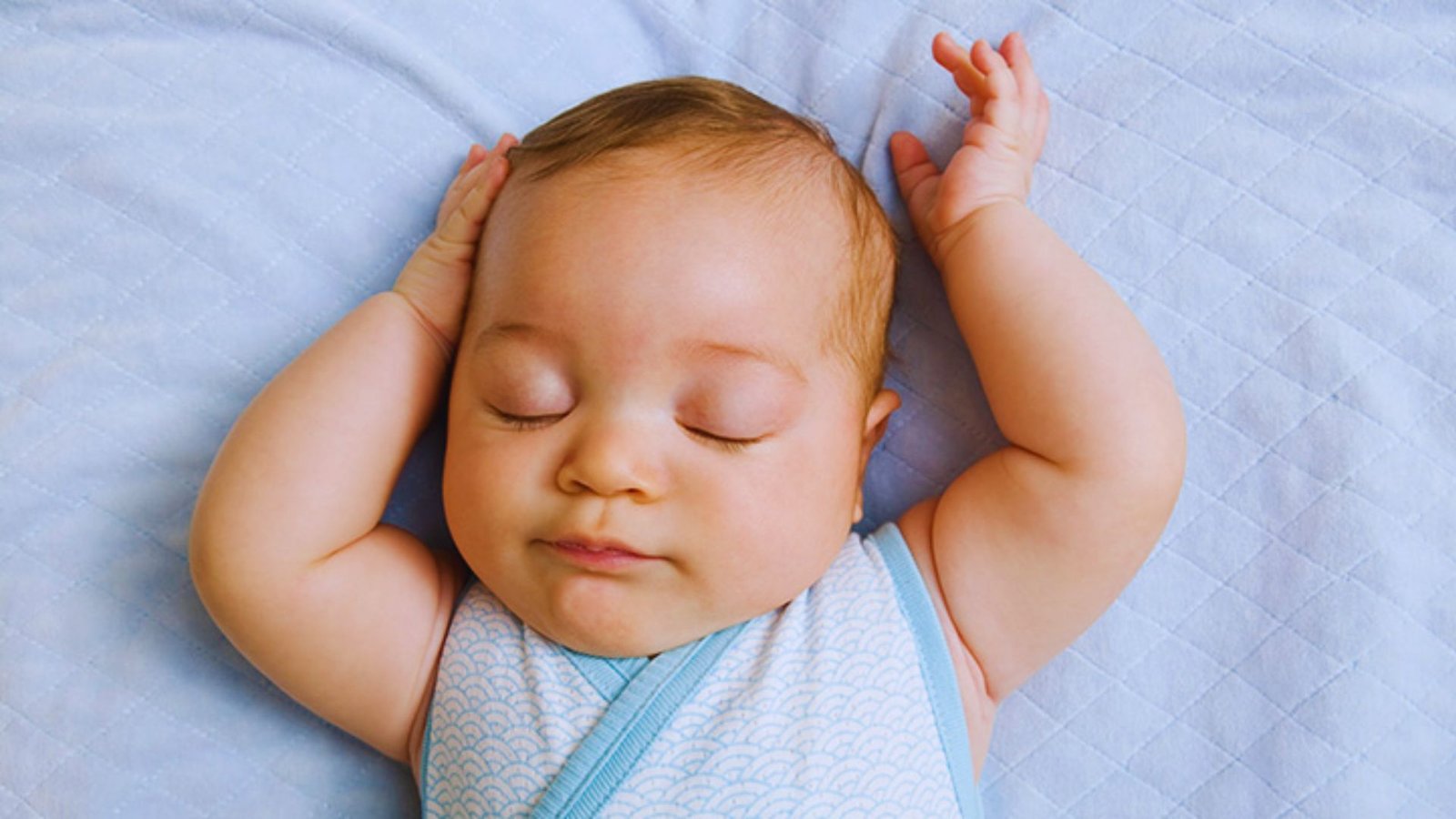
Understanding what to expect at different times helps you plan your day and prevents worrying about whether your baby’s schedule is normal.
Night Sleep Expectations
High sleep needs babies often sleep 11 to 14 hours at night once they reach 4 to 6 months old. By 3 to 4 months, night sleep consolidates.
Older babies might sleep 12 straight hours and drop night feeds earlier than average.
Nap Length and Frequency
Newborn high sleep needs babies take 4 to 5 naps daily, each lasting 90 minutes to 2 hours. As they grow, nap frequency decreases but length stays long.
The transition to two naps happens around 7 to 9 months. Single nap transitions happen later, often between 15 to 18 months.
Bedtime Timing and Morning Wake-Ups
High sleep needs babies need early bedtimes. Bedtime between 6 pm and 7 pm is common. Morning wake-ups happen later, often between 6:30 am and 8 am.
Your baby’s schedule should focus on total sleep hours, not clock times.
Challenges Parents Face With High Sleep Needs Babies

These common difficulties can feel isolating, but understanding them helps you develop strategies that work for your family.
Frequent Overtiredness
Even small schedule disruptions create overtired states. Missing a nap by 30 minutes affects the whole day.
Overtiredness builds across days. High sleep needs babies might need 2 to 3 days of proper rest to recover fully. Travel completely disrupts routines.
Early Bedtimes and Schedule Conflicts
An early bedtime limits evening activities. You face choices between your baby’s needs and social obligations.
Partners who work late miss bedtime routines. Weekend plans become complicated. Some parents feel judged for their baby’s early bedtime.
Difficulty Extending Wake Windows
Sleep training advice to gradually extend wake times rarely works for high sleep needs babies. Trying to push wake windows creates crying and resistance.
Short wake windows mean you’re constantly watching the clock. High sleep needs babies extend wake windows more slowly and need patience.
Tips to Support a High Sleep Needs Baby
Practical strategies make life easier when you work with your baby’s natural needs instead of fighting against them every single day.
- Creating a Sleep-Friendly Routine. Start your routine 20 to 30 minutes before sleep time. Keep it simple with a diaper change, sleep sack, song, and cuddle. Dim lights and use white noise. Keep the room between 68 and 72 degrees.
- Adjusting Wake Windows Without Overstretching. Accept your baby’s natural wake window limits. Watch for the first tired signs and start your sleep routine immediately. Track wake times to spot patterns. On bad days, shorten wake windows to prevent overtiredness.
- Responding to Sleep Cues Promptly. Don’t wait for obvious crying. High sleep needs babies give subtle cues like yawning and eye rubbing. Drop what you’re doing when sleep cues appear. Trust your instincts about when your baby seems tired.
- Avoiding Overstimulation. Limit visitors during wake times. Choose calm toys over loud activities. Plan outings for after morning naps. Avoid screens before sleep. Move to a quiet space when your baby shows signs of overwhelm.
- Creating Calm Environments. High sleep needs babies thrive in peaceful spaces. Use soft music and gentle lighting at home. Minimize clutter and keep things quiet.
Conclusion
Your high sleep needs baby isn’t broken. They’re simply wired to need more rest, and that’s perfectly normal. I remember feeling isolated when my baby slept while others stayed awake longer.
Once I stopped comparing and followed my baby’s cues, everything clicked. Trust what your baby shows you. Their sleep needs are valid and healthy. Build your schedule around their rhythm, not what books say.
You’re doing great by learning about this. Share your experiences in the comments below. What helps your high sleep needs baby thrive? I’d love to hear your story.
Frequently Asked Questions
How much sleep does a high sleep needs baby actually require?
High sleep needs babies typically need 16 to 19 hours of total sleep per day. This is 2 to 4 hours more than average babies their age.
Can I train my high sleep needs baby to need less sleep?
No, you cannot change your baby’s biological sleep requirements through training. Work with their natural rhythm instead of fighting it.
When will my high sleep needs baby start sleeping less?
Total sleep hours naturally decrease as babies grow, but they remain higher than average. By age one, they might need 14 to 15 hours daily.
Is my baby sleeping too much if they’re a high sleep needs baby?
If your baby wakes happy, eats well, and develops normally, they’re not sleeping too much. Consult your pediatrician if you have concerns.
How do I handle social events with a high sleep needs baby’s early bedtime?
Prioritize your baby’s sleep schedule over social obligations. Leave events early or arrange for a caregiver at home during bedtime hours.